Dog Breeds by Potential For Playfulness
Potential For Playfulness refers to how a dog typically behaves or responds in everyday situations. Individual dogs may vary based on training, environment, and genetics.
Some dogs are perpetual puppies -- always begging for a game -- while others are more serious and sedate. Although a playful pup sounds endearing, consider how many games of fetch or tag you want to play each day, and whether you have kids or other dogs who can stand in as playmates for the dog.
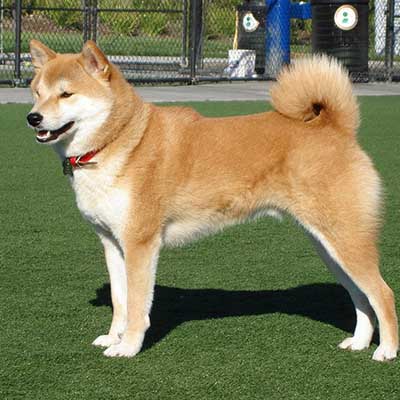
Shiba
The Shiba Inu is a compact breed that, despite its size, embodies a boldness reminiscent of a lion. In Japan, it is officially recognized as a treasured natural asset. Initially bred for hunting in Japan's rugged terrains, the Shiba Inu is renowned for its agility in navigating difficult landscapes, its sharp instincts as a guardian, and its vibrant, energetic personality. As one of Japan's oldest native dog breeds, the Shiba Inu is cherished as the nation's most adored companion. Its distinctive reddish-brown fur often causes it to be mistaken for a fox.
Read more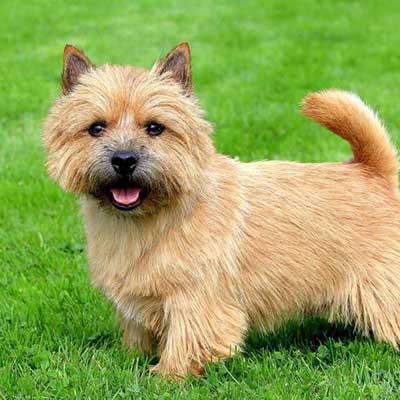
Norwich Terrier
The Norwich Terrier breed originated in England during the 1800s, initially developed as a working dog to control rat populations and other vermin in stables. This breed is the smallest among working terriers, typically standing about 10 inches tall and weighing around 11 pounds. Their coat can come in various colors, including black and tan, grizzle, wheaten, tan, and red. Although these lively dogs were once celebrated for their hunting abilities, they are now mainly cherished as companion animals and show dogs. According to the American Kennel Club, the Norwich Terrier ranks as the 104th most popular breed in the United States, with its registration beginning in 1936. Despite their petite size, they are recognized for their spirited, energetic, and determined personalities, making them endearing and loving pets.
Read more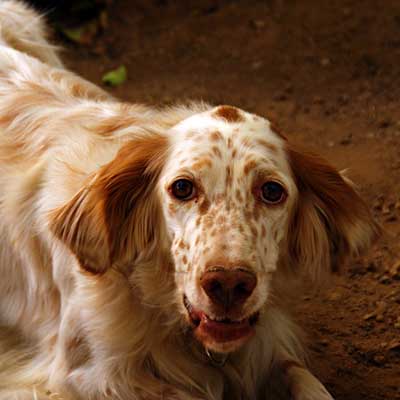
English Setter
The English Setter has its origins in England, dating back to the 1300s, and has been employed in the pursuit of game birds since the 1500s. Typically, these dogs reach a height of about 25 inches and weigh around 60 pounds, categorizing them as small to medium-sized. As part of the Setter family, which also includes the Irish and Gordon Setters, they are celebrated for their athletic build and elegant demeanor, featuring long legs and a slender body that make them excellent runners. Their medium-length coat is adorned with feathering on the tail, legs, abdomen, chest, and ears, and is available in five distinct color variations: blue belton, blue belton with tan, lemon belton, orange belton, and liver belton. Although they were initially bred for hunting, the English Setter has become increasingly popular as a family companion, thanks to its amiable disposition and eagerness to please. The breed received official recognition from the American Kennel Club in 1884 and is currently ranked as the 102nd most popular dog breed.
Read more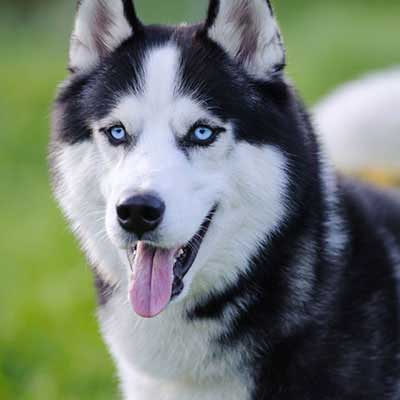
Siberian Husky
The Siberian Husky is a venerable breed that has likely developed alongside humans for thousands of years. Hailing from Russia, these dogs were cultivated by the Chukchi people, who depended on them for hauling supplies, which enabled their community to thrive in challenging environments. In addition to their transportation duties, Huskies were also bred to live harmoniously with Chukchi families. This selective breeding has resulted in a friendly and energetic breed renowned for its impressive stamina. Their dense double coat, which provides insulation against severe cold, requires regular grooming, although they do not need frequent baths. Despite their wolf-like appearance, which may intimidate some, Siberian Huskies are generally too friendly to be effective as guard dogs.
Read more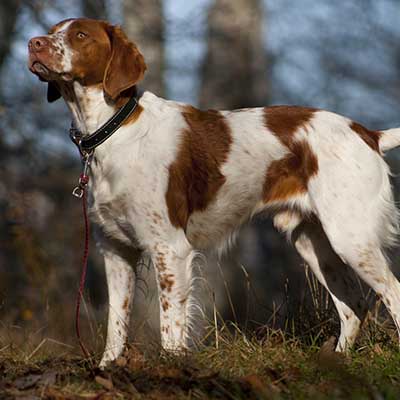
Brittany
The spirited Brittany is thought to have its roots in 18th century France. This breed emerged from a combination of French Spaniels and possibly English Pointers, and it quickly gained recognition for its remarkable versatility in hunting, often fulfilling the functions of several hunting dogs at once. With a strong physique and a nimble structure, the medium-sized Brittany embodies both grace and speed. Typically adorned with a white and orange coat, its short fur requires minimal upkeep, simplifying the grooming process. Renowned for its boundless energy, the Brittany not only thrives as a hunter but also makes a loving and loyal companion, always ready to engage in play, protect its family, or run for hours.
Read more
Greater Swiss Mountain Dog
The Greater Swiss Mountain Dog, commonly known as the Swissy, is a gentle and affectionate breed that delights in making its owners happy. Although they are intelligent and can sometimes be a bit headstrong, their steadfast loyalty more than makes up for these tendencies. Generally, they are calm around children, other animals, and friendly guests, but they also make excellent watchdogs thanks to their sharp awareness. Originating from Switzerland, this breed has a rich history that dates back nearly 2,000 years, making it one of the oldest dog breeds in the country. Originally developed for herding, guarding, and draft work, the Greater Swiss Mountain Dog has transformed into a versatile companion, thriving in various activities such as competitive obedience, carting, tracking, and protection.
Read more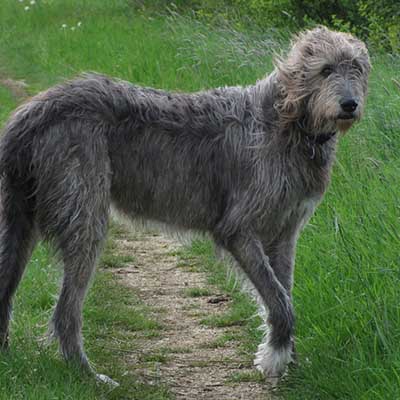
Irish Wolfhound
The Irish Wolfhound is a striking breed that was initially developed to assist in pulling men from their horses and chariots. Beyond its historical significance as a powerful hunting partner, the breed nearly faced extinction due to the dwindling populations of boars and wolves in Ireland. Captain George Graham was instrumental in the breed's revival, incorporating Great Danes and Deerhounds into its genetic line. Once referred to as the "Great Hound of Ireland," these dogs were highly esteemed by the aristocracy, often exchanged as gifts and even becoming the subject of ownership disputes. The American Kennel Club granted official recognition to the Irish Wolfhound in 1897.
Read more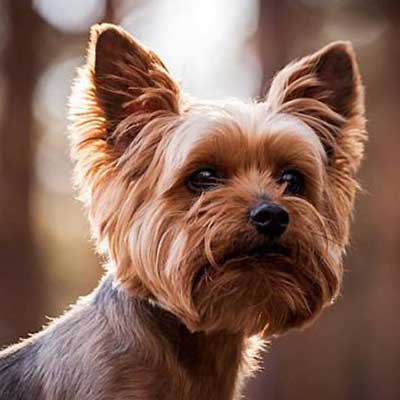
Yorkshire Terrier
The contemporary Yorkshire Terrier is a small breed primarily valued for companionship. In stark contrast, its forebears were much larger and were utilized for hunting small rodents and other vermin. It is thought that the Yorkshire Terrier emerged from a mix of several terrier breeds, with some contributions from the Maltese. Among these breeds are the Skye Terrier, Dandie Dinmont, Manchester Terrier, and the now-extinct Paisley or Clydesdale Terrier. Over the years, this brave little hunting dog evolved into a trendy pet, so petite that many women now carry them in handbags or under their arms. The American Kennel Club officially recognized the Yorkshire Terrier in 1885.
Read more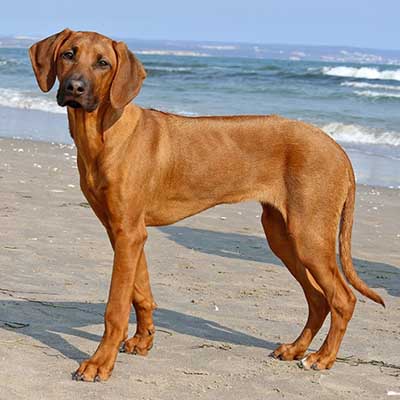
Rhodesian Ridgeback
In their quest for a hunting dog better suited to Africa's challenging climates, Dutch settlers crossbred their imported European breeds with a native tribal dog. This breeding produced a reddish-brown dog characterized by a unique ridge of fur along its back, adept at hunting large game and protecting families and homes. Originally employed for lion hunting, the Rhodesian Ridgeback's loyal and affectionate disposition soon endeared it to families, contributing to its rising popularity in other countries. Today, while it is still appreciated for its keen eyesight and scent-tracking skills, the Rhodesian Ridgeback is also celebrated as a low-maintenance, well-mannered, and energetic companion, thriving in dog shows, protection roles, and playful interactions with its human family.
Read more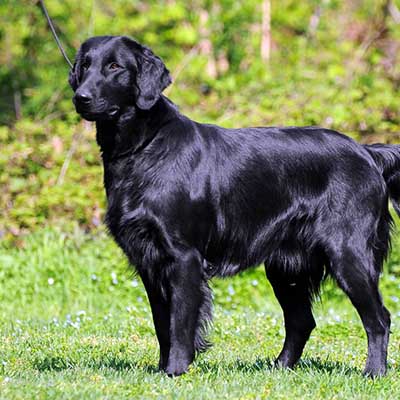
Flat Coated Retriever
The Flat-Coated Retriever is a remarkable breed, celebrated for its shiny black coat, although a deep liver hue can also be seen from time to time. This breed is categorized as large, standing up to 24.5 inches tall and weighing as much as 80 pounds. Hailing from England in the 1800s, these dogs were originally developed for retrieving waterfowl and serving as hunting companions. However, their popularity declined after World War I, especially as the Golden Retriever gained favor. Known for their playful nature, Flat-Coated Retrievers mature at a slower pace despite their considerable size. Nonetheless, this breed is charming and hardworking, sure to fill your life with joy and laughter.
Read more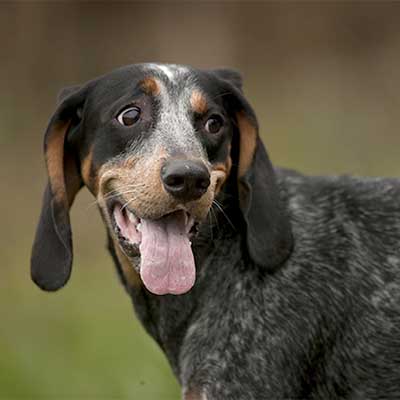
Bluetick Coonhound
The Bluetick Coonhound is a loyal and intelligent breed, renowned for its strong attachment to family members. While they can adapt to living indoors, it is crucial for their health to engage in regular physical activity. Ideally, they should have access to a securely fenced yard, as they are prone to wandering off in search of interesting scents. These dogs typically get along well with children, but they may be better suited for families with older kids due to their energetic and sometimes boisterous play style. When socialized properly from an early age, Bluetick Coonhounds exhibit a friendly and outgoing demeanor. In terms of their physical characteristics, they are both impressive and athletic, featuring a muscular yet streamlined physique that avoids any awkwardness. As skilled nocturnal hunters, they have keen eyesight and a strong dedication to tracking. However, they can be challenging for owners who are not committed to training; a lack of exercise may result in anxiety and destructive behaviors. This breed flourishes in spacious environments, such as large yards. It’s important to remember that, despite their friendly disposition towards people, they should not be trusted around cats or other small animals due to their inherent hunting instincts. Once fully trained, Bluetick Coonhounds are obedient and attentive to their owners.
Read more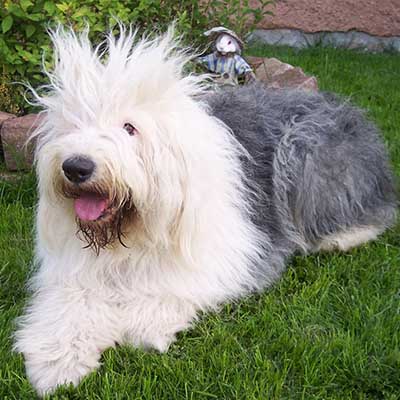
Old English Sheepdog
The Old English Sheepdog, one of the most ancient dog breeds, gained recognition from the American Kennel Club merely four years after the organization was founded in 1888. Currently, it holds the position of the 75th most popular breed in the United States. This breed is notable for its substantial size and unique shaggy fur, having featured prominently in various television shows and movies, as well as being a popular contender in dog competitions. Old English Sheepdogs are not only robust but also gentle and exceptionally intelligent, adept at mastering a wide array of commands and tasks. Their dense double coat often partially covers their eyes and comes in several color variations, with the most common being grizzle and white, gray and white, blue merle and white, blue gray and white, and blue and white.
Read more