Dog Breeds by Potential For Playfulness
Potential For Playfulness refers to how a dog typically behaves or responds in everyday situations. Individual dogs may vary based on training, environment, and genetics.
Some dogs are perpetual puppies -- always begging for a game -- while others are more serious and sedate. Although a playful pup sounds endearing, consider how many games of fetch or tag you want to play each day, and whether you have kids or other dogs who can stand in as playmates for the dog.
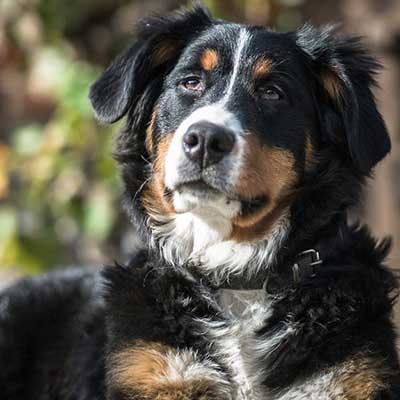
Bernese Mountain Dog
The Bernese Mountain Dog, commonly known as the Berner, is one of the four ancient breeds classified as Swiss Sennenhunds. What sets the Berner apart is its luxurious, flowing coat and exceptional temperament. Its ancestry likely stems from a combination of the farming dogs indigenous to the Swiss Alps and the Molosser, a type of Mastiff brought to the region by the Romans around the first century B.C. This rich heritage is reflected in the Berner's large head, gentle nature, remarkable strength, and strong work ethic. Traditionally, Bernese Mountain Dogs were invaluable farm assistants, responsible for herding livestock, pulling carts, and protecting homesteads. In contemporary times, they are primarily valued as beloved family pets. Known for their friendliness towards children and their ability to be trained, they do have a strong need for family interaction, which can pose challenges if they are left alone for extended periods. In terms of appearance, the Bernese Mountain Dog is a large breed characterized by its striking tri-colored coat. They possess prominent heads and substantial paws, which require regular grooming to control shedding. Bringing a Berner puppy into your home demands a considerable commitment and effort. However, with consistent training, patience, and dedication, you can nurture a loyal and hardworking companion that will greatly enhance your life.
Read more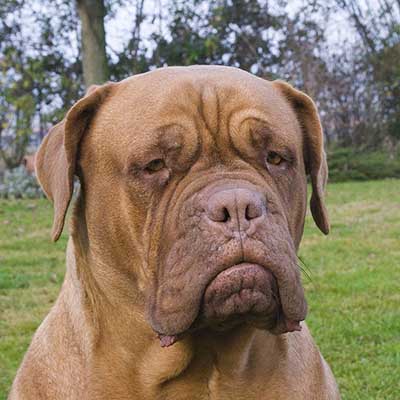
Dogue De Bordeaux
The Dogue de Bordeaux, commonly referred to as the French Mastiff, is a sizable breed with a lineage that remains somewhat ambiguous. Typically, these dogs stand around two feet tall at the shoulder and can weigh more than 99 pounds, distinguished by their prominent heads and short snouts. Unfortunately, they are susceptible to a range of health problems, including heart disease, various cancers, and hip and elbow dysplasia, which contribute to a relatively brief lifespan of five to eight years, though some may live longer. A notable case is Beasley, a nine-year-old Dogue de Bordeaux who appeared alongside Tom Hanks in the 1989 film "Turner and Hooch" and lived for three years beyond the film's release. If not properly socialized, these dogs can display stubborn and strong-willed tendencies, reminiscent of Hooch's character in the movie. However, with the right care and attention, they can develop into loyal, tolerant, and affectionate family companions.
Read more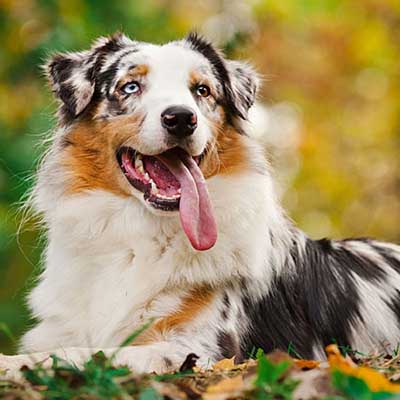
Australian Shepherd
The Australian Shepherd is a remarkably intelligent and loyal companion, yet it is also a breed brimming with energy that flourishes with active involvement. Renowned for its prowess in a variety of canine sports such as herding trials, tracking, agility, flyball, tricks, and obedience, the Aussie—its affectionate nickname—demands a household that can provide consistent training, structure, and plenty of physical exercise. This breed possesses a strong herding instinct, often leading it to nip at or bark at animals, people, and objects. If not given a specific task to engage with, the Australian Shepherd may exhibit disruptive and destructive behaviors. Interestingly, despite its name, the breed was actually developed in the United States for herding purposes.
Read more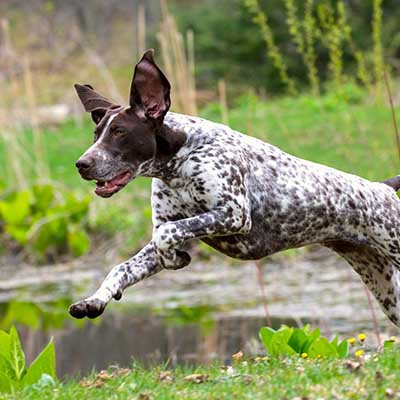
German Shorthaired Pointer
If you've ever seen a cartoon dog abruptly stop and dramatically point at something, you've caught a glimpse of what a Pointer embodies—albeit in a comically exaggerated way! The German Shorthaired Pointer, or GSP for short, is a dynamic hunting breed that hails from Germany and has been a reliable hunting partner for many years. The current version of this breed was developed in the early 1800s and is easily identifiable by its short, spotted coat, distinct head, and elongated body that narrows from the snout to the tail. Its ancestry dates back to the 1600s, with early breeds playing a significant role in the development of the dog we recognize today. This energetic and lively breed is not only exceptionally intelligent but also makes a fantastic family pet, thriving as both a hunter and a sporting dog. With roots that include pointers and bloodhounds, the German Shorthaired Pointer is both vocal and full of energy, necessitating plenty of exercise to keep its high energy in check. While it may bark at strangers, it does so in a friendly way, showcasing the breed's sociable disposition. Although it was initially bred for hunting, the German Shorthaired Pointer is now increasingly appreciated as a family companion and show dog in modern times.
Read more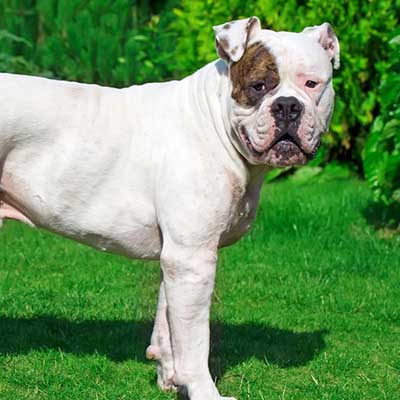
American Bulldog
The American Bulldog is a strong and athletic breed that, despite its imposing appearance, has a gentle disposition and a playful nature. This breed is divided into two main categories: the Johnson type, often called the Bully or Classic type, which has a stockier frame and a shorter muzzle similar to that of the English Bulldog; and the Scott type, known as the Standard or Performance type, which is more agile, featuring a longer muzzle and a squarer head. Many American Bulldogs today are hybrids of these two varieties. Frequently confused with the often-misunderstood American Pit Bull Terrier, the American Bulldog is a distinct breed with its own characteristics that make it not only an excellent working dog but also a loving family pet. Beneath their tough exterior lies a sensitive and emotional nature, which allows them to be highly aware of their surroundings. This sensitivity contributes to their success as family companions, particularly in households with children, as they relish playful interactions and can sense the mood of their environment. These dogs are celebrated for their affectionate personalities and strong self-assurance, which often translates into loyalty, obedience, and a protective instinct. However, because they can be reserved around unfamiliar people and other dogs, early socialization and training are crucial for their development in diverse social situations. As a high-energy breed, they thrive in homes with ample outdoor space and regular exercise, although they can adapt to apartment living if their owners lead an active lifestyle that includes them.
Read more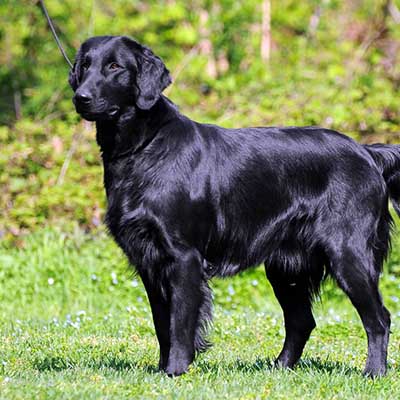
Flat Coated Retriever
The Flat-Coated Retriever is a remarkable breed, celebrated for its shiny black coat, although a deep liver hue can also be seen from time to time. This breed is categorized as large, standing up to 24.5 inches tall and weighing as much as 80 pounds. Hailing from England in the 1800s, these dogs were originally developed for retrieving waterfowl and serving as hunting companions. However, their popularity declined after World War I, especially as the Golden Retriever gained favor. Known for their playful nature, Flat-Coated Retrievers mature at a slower pace despite their considerable size. Nonetheless, this breed is charming and hardworking, sure to fill your life with joy and laughter.
Read more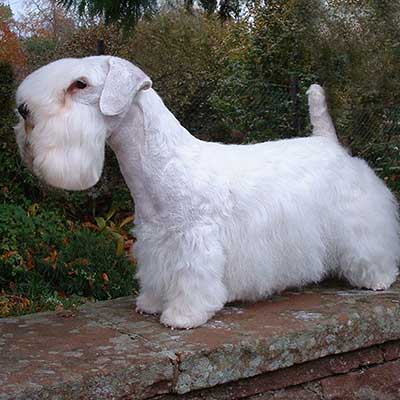
Sealyham Terrier
The Sealyham Terrier is a loyal, loving, and self-reliant breed. Originating from Wales, this small but determined dog was initially bred for hunting badgers, otters, and foxes. Although they are compact, Sealyhams can sometimes display a stubborn nature. In modern times, these dogs enjoy chasing birds, rabbits, and even other pets, such as cats and dogs. Their unique white coat was specifically developed to allow hunters to easily distinguish the dog from its prey. The American Kennel Club recognized the Sealyham Terrier in 1911. While it continues to be a popular choice in dog shows, it is regarded as a rare breed in the United States.
Read more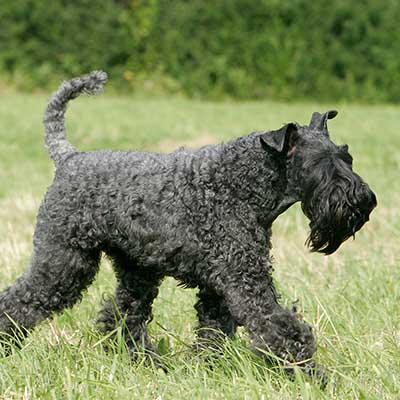
Kerry Blue Terrier
The Kerry Blue Terrier is renowned for its loyalty, intelligence, and sometimes entertaining behavior during play. This medium-sized breed has a robust and muscular physique, which means they require supervision while playing, especially around young children. If they are not properly socialized as puppies, they may become moody or reserved, making it essential for their owners to be strong yet fair and consistent in their training approach. These dogs respond best to positive reinforcement, thriving on praise and rewards rather than harsh discipline. They are particularly sensitive to any perceived unfairness, which can trigger aggressive tendencies if they feel mistreated. Although they are quite energetic, Kerry Blue Terriers can adjust well to living indoors, including in apartments, as long as they receive a good daily walk to help them burn off energy. When out for walks, it’s crucial to keep them on a leash due to their strong hunting instincts, as they may chase after small animals. They can also show aggression towards other dogs, often trying to establish their dominance. Their stunning, soft coat is advantageous for those with allergies, but it requires weekly grooming to keep it in good shape. Regular cleaning of their beards is also necessary to avoid odors from trapped food. Generally, these dogs need a bath once a week and a trim every six weeks. They are low-odor, do not drool, and are extremely loyal to their families. However, they may develop a habit of barking unless trained to limit it to a single bark, a lesson that should start during their puppy stage.
Read more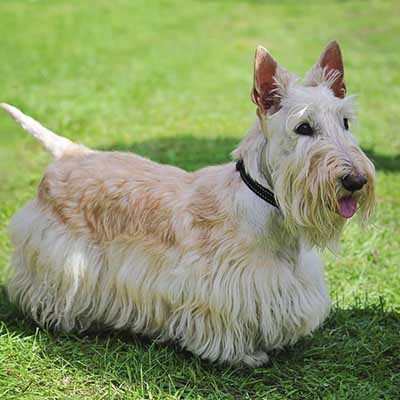
Scottish Terrier
The Scottish Terrier is a small yet spirited breed, celebrated for its lively character. In the 1700s, breeders started developing what we now know as the Scottish Terrier, originally calling it the Aberdeen Terrier after a town in Scotland. The breed was affectionately dubbed the “little diehard” by the fourth Earl of Dumbarton, a nickname that still resonates today. Though they are petite, these dogs are brimming with bravery and vitality. Initially bred to hunt rabbits, otters, foxes, and badgers, Scottish Terriers continue to excel as vigilant watchdogs and devoted companions.
Read more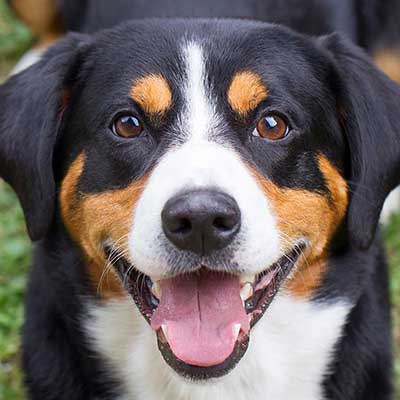
Appenzeller
The Appenzeller Mountain Dog is a sturdy and adaptable breed, although its precise origins are not entirely known. This breed excels in various roles, such as guarding farms, herding livestock, and pulling carts. Despite their strong and muscular physique, they do not fall into the giant breed category. Their dark, expressive eyes enhance the appeal of their short, double coat. Originating from Switzerland, Appenzellers usually sport a black or brown coat with unique symmetrical markings in white and rust. In general, the Appenzeller Mountain Dog is a hardy breed, typically not prone to specific health problems linked to its ancestry.
Read more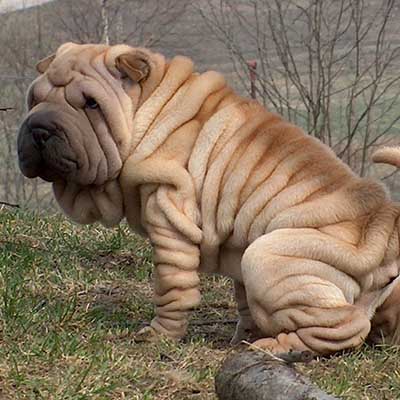
Chinese Shar-Pei
The Chinese Shar-Pei is a large dog breed distinguished by its unique wrinkled head and face. Typically, these dogs weigh around fifty pounds and stand about eighteen inches tall. There is a belief that the Chinese Shar-Pei shares a lineage with the Chow-Chow, as both breeds feature a blue-black tongue, which often causes confusion between them. Traditionally, the Chinese Shar-Pei was a multifunctional farm dog in China, employed for various tasks such as hunting, tracking, herding, and protecting livestock. Unfortunately, some people misused the breed for dogfighting, as its distinctive wrinkled skin and coarse fur were thought to hinder opponents' grip. The breed came perilously close to extinction during the Communist Revolution, but a businessman from Hong Kong played a vital role in reviving interest in the Shar-Pei among American dog lovers. In 1992, the American Kennel Club officially recognized the Chinese Shar-Pei, and it has since gained popularity as one of the favored dog breeds in the United States.
Read more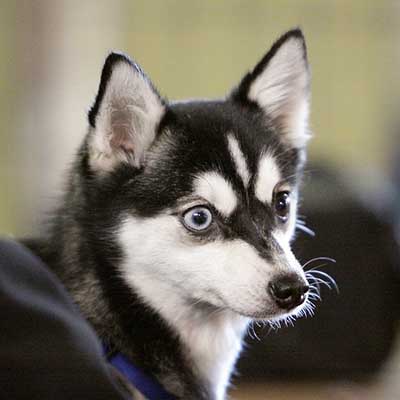
Alaskan Klee Kai
The Alaskan Klee Kai is a breed that emerged in the 1970s, created to be a smaller counterpart to the Alaskan Husky. These energetic, smart dogs are mainly bred for companionship rather than for labor. While they share a resemblance with their larger relatives, Alaskan Klee Kais can thrive in apartment settings, as long as they receive ample exercise and playtime. They might show signs of shyness or hesitation when encountering new people and communicate their emotions—be it fear, happiness, or sadness—through various vocal sounds.
Read more