Dog Breeds by Tolerates Cold Weather
Tolerates Cold Weather refers to how a dog typically behaves or responds in everyday situations. Individual dogs may vary based on training, environment, and genetics.
Breeds with very short coats and little or no undercoat or body fat, such as Greyhounds, are vulnerable to the cold. Dogs with a low cold tolerance need to live inside in cool climates and should have a jacket or sweater for chilly walks.
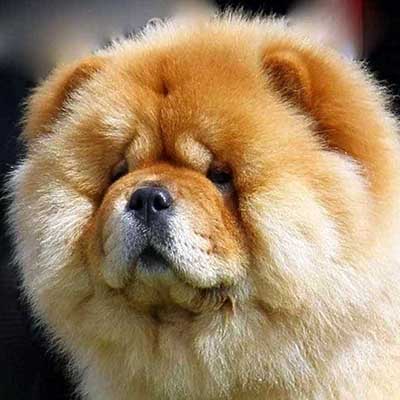
Chow Chow
One of the most notable features of the Chow Chow is its distinctive blue-black tongue. This breed is also recognized for its unique, stilted walking style and the lion-like "mane" that frames its neck. As a member of the Spitz family, the Chow Chow is thought to have originated in the cold northern regions of China. Throughout history, it has fulfilled various roles such as hunting, herding, pulling carts, and guarding homes. This medium-sized dog is characterized by its broad head and deep muzzle, along with small, triangular ears that perch on its double-coated neck. Chows are available in a range of colors, including red, black, blue, cinnamon, and cream.
Read more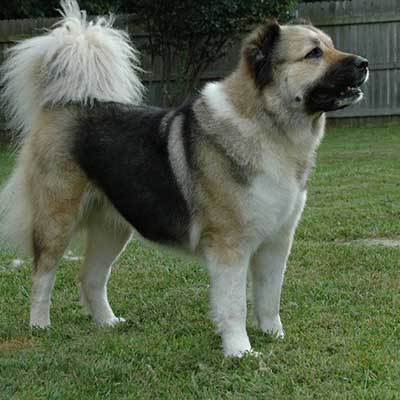
Caucasian Ovcharka
This ancient breed exudes a sense of strength and authority. Hailing from the rugged Caucasus Mountains, which lie between Europe and Asia, it is known by several names, the most common being the Caucasian Ovcharka or Caucasian Shepherd. These large dogs were originally bred to protect sheep from various threats, both human and animal. As a result, the temperament of the Caucasian Mountain Dog can vary widely. They can be affectionate and gentle with their families or, conversely, display aggressive and unruly behavior. The key to their demeanor often lies in the owner's approach to training, which should strike a balance between firmness and compassion. While their protective nature can be appealing, this breed may not be the best choice for inexperienced dog owners. Although these large, fluffy dogs were initially intended for guarding flocks, they are increasingly being kept as family pets. Nonetheless, their aggressive and protective instincts have historically hindered their popularity. As interest in the Caucasian Mountain Dog continues to rise, it is likely that selective breeding efforts will focus on moderating their overly protective traits.
Read more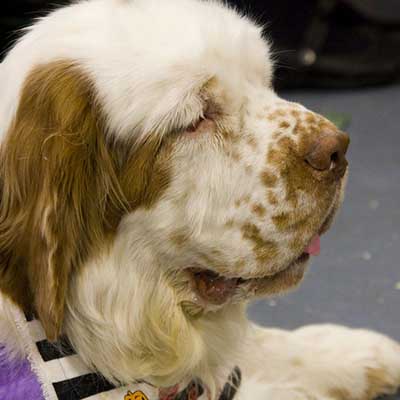
Clumber Spaniel
The Clumber Spaniel, which emerged in the 1700s, is celebrated as one of the oldest and sturdiest breeds within the Spaniel family. Its ancestry is believed to include the Alpine Spaniel, Basset Hound, and Saint Bernard. These dogs typically have a medium height but are characterized by their solid build. Renowned for their gentle and affectionate temperament, Clumber Spaniels often exhibit a playful and somewhat goofy personality. Although they may drool and shed, their intelligence and eagerness to learn make them delightful companions. Commonly known as the "retired gentleman’s Spaniel," they also excel as hunters. While they are generally easy to house train, it’s important not to leave them alone for long periods, as they can become bored and might chew on household items. With their short legs, large heads, and unique stature, Clumber Spaniels have a striking appearance.
Read more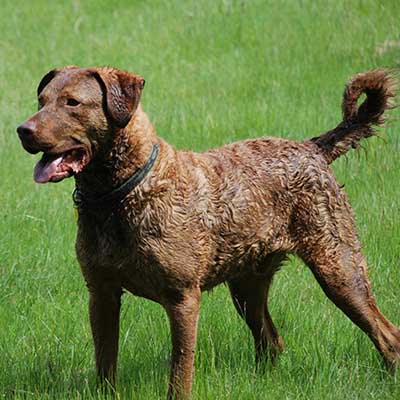
Chesapeake Bay Retriever
The Chesapeake Bay Retriever is a distinctive breed that sets itself apart from other Retrievers. This breed traces its roots back to two Lesser Newfoundland puppies, also referred to as St. John’s Water Dogs, which were saved by an American ship following a shipwreck near Maryland in 1807. These dogs were subsequently crossbred with local breeds, including Water Spaniels, Setters, and Hounds, in a somewhat haphazard manner. Although they share similar roles with other Retrievers, their genetic background is quite unique. Chesapeake Bay Retrievers are known for their striking looks, featuring a slightly oily, musky, waterproof wavy brown coat, captivating amber eyes, and a sturdy, muscular physique. While they are now mainly cherished as family pets and hunting companions, their initial role was to retrieve waterfowl. Renowned for their cheerful disposition, intelligence, and eagerness to please, these dogs excel in work, especially in water-related tasks. Their grooming requirements are relatively low, needing only a weekly brushing and a bath every three to four months. Due to their energetic and robust nature, they benefit from regular, vigorous exercise, whether through walking, running, or hunting geese. To ensure their proper development, consistent training combined with firm yet affectionate discipline is crucial.
Read more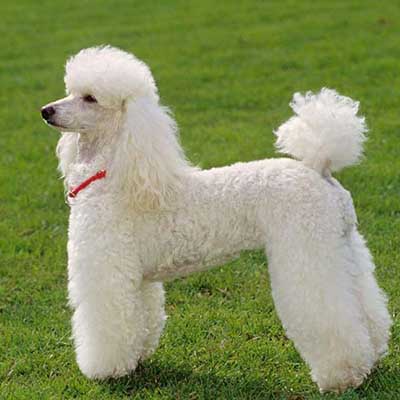
Poodle
Poodles, one of the most ancient dog breeds, are celebrated for their remarkable intelligence and ease of training, which makes them a popular choice among dog enthusiasts. They generally interact well with children and other pets, especially if they are socialized early on. Currently, Poodles are available in several sizes, including Toy, Miniature, and Standard. Each Poodle boasts a dense, curly coat that can range in texture from coarse to wiry and comes in nearly every color imaginable. Although they have charming personalities, they do require significant grooming and are susceptible to various serious health concerns. However, their loving and loyal disposition makes the extra care and attention well worth it!
Read more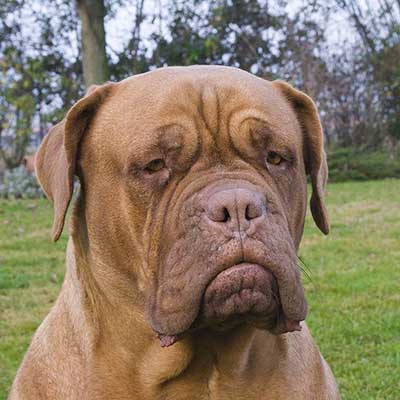
Dogue De Bordeaux
The Dogue de Bordeaux, commonly referred to as the French Mastiff, is a sizable breed with a lineage that remains somewhat ambiguous. Typically, these dogs stand around two feet tall at the shoulder and can weigh more than 99 pounds, distinguished by their prominent heads and short snouts. Unfortunately, they are susceptible to a range of health problems, including heart disease, various cancers, and hip and elbow dysplasia, which contribute to a relatively brief lifespan of five to eight years, though some may live longer. A notable case is Beasley, a nine-year-old Dogue de Bordeaux who appeared alongside Tom Hanks in the 1989 film "Turner and Hooch" and lived for three years beyond the film's release. If not properly socialized, these dogs can display stubborn and strong-willed tendencies, reminiscent of Hooch's character in the movie. However, with the right care and attention, they can develop into loyal, tolerant, and affectionate family companions.
Read more
Greater Swiss Mountain Dog
The Greater Swiss Mountain Dog, commonly known as the Swissy, is a gentle and affectionate breed that delights in making its owners happy. Although they are intelligent and can sometimes be a bit headstrong, their steadfast loyalty more than makes up for these tendencies. Generally, they are calm around children, other animals, and friendly guests, but they also make excellent watchdogs thanks to their sharp awareness. Originating from Switzerland, this breed has a rich history that dates back nearly 2,000 years, making it one of the oldest dog breeds in the country. Originally developed for herding, guarding, and draft work, the Greater Swiss Mountain Dog has transformed into a versatile companion, thriving in various activities such as competitive obedience, carting, tracking, and protection.
Read more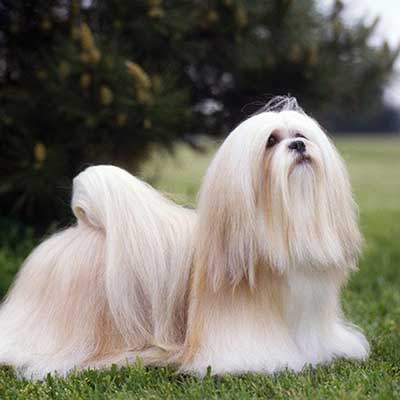
Lhasa Apso
These small but impressive dogs were initially bred to act as guardians in the temples and monasteries located in the Tibetan mountains thousands of years ago. Their popularity in the United States, however, only began in 1933 when the Dalai Lama presented several of these dogs to Mr. and Mrs. Suydam Cutting from New Jersey. Renowned for their joyful nature, these dogs are often playful and even a bit goofy at home, although they tend to be more reserved with unfamiliar faces and may display protective behaviors over their food and toys. Their beautiful, flowing coats require considerable maintenance, necessitating daily brushing and combing, even if kept relatively short.
Read more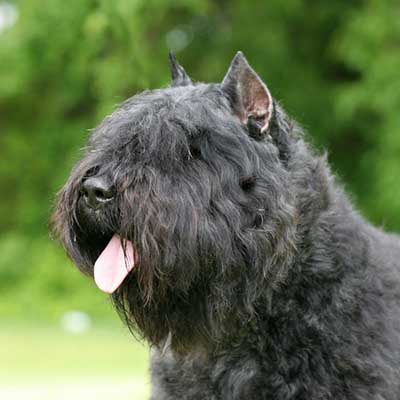
Bouvier des Flandres
The Bouvier des Flandres was initially developed as a hardworking dog, specifically designed for herding cattle and leveraging its strength on farms. Originating from Belgium and Northern France, these sturdy and intelligent dogs nearly faced extinction during World War I due to the destruction in their native regions. However, following the war, their population and popularity surged, leading them to become beloved family pets. Renowned for their loyalty, Bouviers thrive in various roles and require plenty of human interaction and physical exercise. Today, they can be found working as police, rescue, and guide dogs. Despite their energetic nature, Bouviers also appreciate relaxing with their dedicated families.
Read more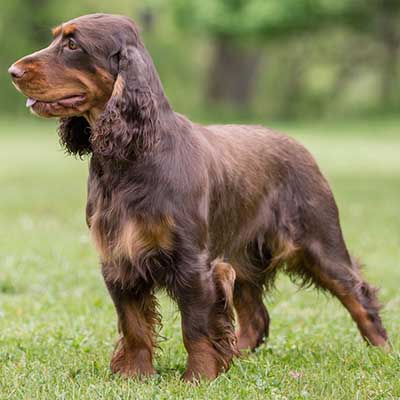
Field Spaniel
The Field Spaniel is a medium-sized dog recognized for its gentle nature and energetic spirit. Initially bred as a hunting companion, this breed gained traction in competitive dog shows during the 19th century. It descended from land Spaniels, diverging from breeds such as the Cocker Spaniel, English Water Spaniel, and Sussex Spaniel. Regrettably, early breeding efforts focused on specific traits nearly pushed the breed to the brink of extinction in the 20th century. Although Field Spaniels do not need specialized grooming, they thrive with weekly brushing to remove dead and loose fur. Additionally, like many Spaniels, they may experience issues with bad breath, which can be alleviated through regular brushing with dental products designed for dogs.
Read more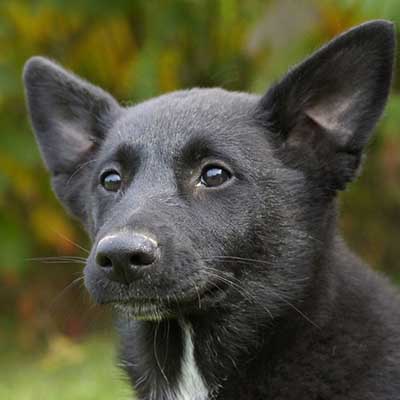
Canaan Dog
The Canaan dog is a medium-sized breed that has evolved over centuries, overcoming various challenges throughout its history. Many enthusiasts believe this breed traces its origins back to biblical times in the Canaan region, where it was known as kalef K’naani, translating to "dog of Canaan." Typically, females weigh about 45 pounds, while males can reach up to 55 pounds. Traditionally, Canaan dogs have fulfilled multiple roles, such as sentinels, messengers, and assistance animals. They are recognized for their alertness, vigilance, and territorial instincts, exhibiting a gentle nature with their families while being more reserved around unfamiliar faces. These dogs are highly active, intelligent, and responsive, thriving in environments that provide ample physical and mental challenges. Overall, the breed is robust and requires very little grooming.
Read more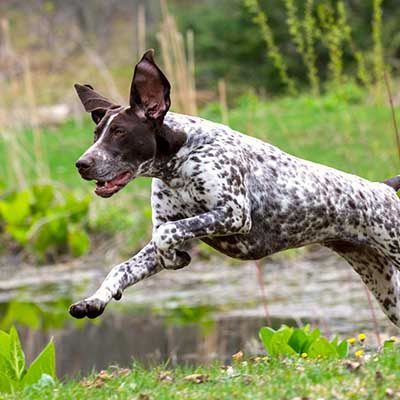
German Shorthaired Pointer
If you've ever seen a cartoon dog abruptly stop and dramatically point at something, you've caught a glimpse of what a Pointer embodies—albeit in a comically exaggerated way! The German Shorthaired Pointer, or GSP for short, is a dynamic hunting breed that hails from Germany and has been a reliable hunting partner for many years. The current version of this breed was developed in the early 1800s and is easily identifiable by its short, spotted coat, distinct head, and elongated body that narrows from the snout to the tail. Its ancestry dates back to the 1600s, with early breeds playing a significant role in the development of the dog we recognize today. This energetic and lively breed is not only exceptionally intelligent but also makes a fantastic family pet, thriving as both a hunter and a sporting dog. With roots that include pointers and bloodhounds, the German Shorthaired Pointer is both vocal and full of energy, necessitating plenty of exercise to keep its high energy in check. While it may bark at strangers, it does so in a friendly way, showcasing the breed's sociable disposition. Although it was initially bred for hunting, the German Shorthaired Pointer is now increasingly appreciated as a family companion and show dog in modern times.
Read more