Dog Breeds by Wanderlust Potential
Wanderlust Potential refers to how a dog typically behaves or responds in everyday situations. Individual dogs may vary based on training, environment, and genetics.
Some breeds are more free-spirited than others. Nordic dogs such as Siberian Huskies were bred to range long distances, and given the chance, they'll take off after anything that catches their interest. And many hounds simply must follow their noses, or that bunny that just ran across the path, even if it means leaving you behind.
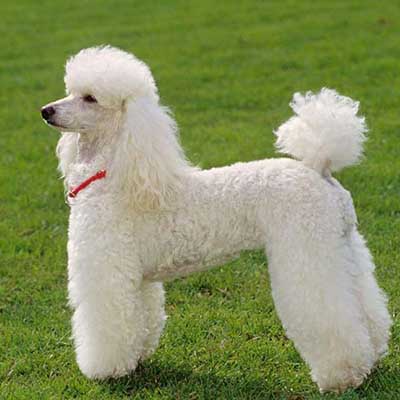
Poodle
Poodles, one of the most ancient dog breeds, are celebrated for their remarkable intelligence and ease of training, which makes them a popular choice among dog enthusiasts. They generally interact well with children and other pets, especially if they are socialized early on. Currently, Poodles are available in several sizes, including Toy, Miniature, and Standard. Each Poodle boasts a dense, curly coat that can range in texture from coarse to wiry and comes in nearly every color imaginable. Although they have charming personalities, they do require significant grooming and are susceptible to various serious health concerns. However, their loving and loyal disposition makes the extra care and attention well worth it!
Read more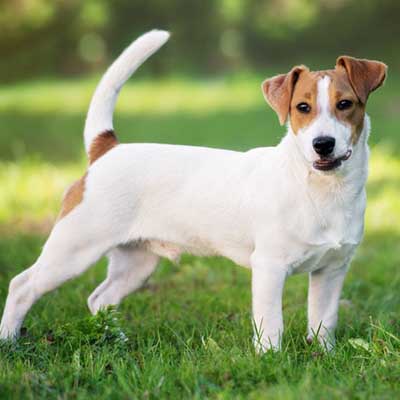
Jack Russell Terrier
The Jack Russell Terrier is a breed that has gained fame through popular television series like Frasier and Wishbone. Many fans have fallen in love with the quirky and endearing personalities of characters like Eddie from Frasier and Wishbone. However, the reality of owning a Jack Russell Terrier is quite different from what is depicted on screen. The dogs featured in these shows are supported by professional trainers and are given specific tasks to perform. In contrast, a real Jack Russell Terrier thrives on interaction and will actively seek out ways to entertain itself if its owner is busy. This breed is known for its high energy levels, relishing activities such as running, digging, and engaging in playful mischief. With the right training and an appropriate outlet for their considerable energy, they can make wonderful and loving companions.
Read more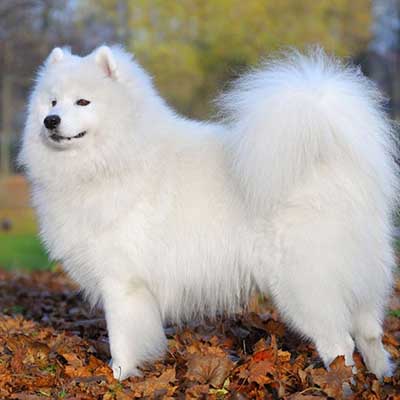
Samoyed
The Samoyed is a breed characterized by its gentle temperament, intelligence, and unwavering loyalty, thriving on close bonds with its family. Renowned for their affectionate nature, especially towards children, these dogs eagerly engage in family activities. With their distinctive ‘Sammy smile’ and a penchant for human interaction, they are charming companions full of personality. However, their stunning coat demands considerable maintenance, particularly during shedding periods, when you can expect fur to be found on your clothes, furniture, and bedding. While their friendly disposition is endearing, it’s important to remember that Samoyeds were initially bred for hunting, and this instinct is still very much alive. They may chase after small animals, including the neighbor’s cat. If you have a cat, it’s essential to introduce them to the Samoyed while the dog is still a puppy, and even then, close supervision is advisable. When taking them for walks, these spirited dogs should always be kept on a leash due to their strong chasing instincts. Samoyeds are also quite vocal, often communicating through howls, barks, or grumbles. They respond best to varied training techniques, as they can quickly lose interest in repetitive tasks, which can make training a bit more challenging. Activities that engage their minds, such as agility and tracking, are particularly beneficial. This breed is full of energy and always eager for adventure, requiring plenty of space to run and play, making them less suitable for small living environments. Although they may not be the simplest breed to care for, their delightful personalities more than make up for the grooming they require.
Read more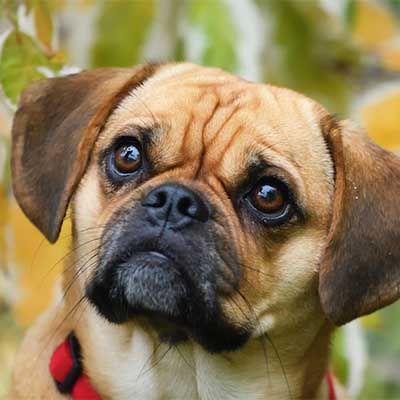
Puggle
The Puggle is a mixed breed that emerges from the crossbreeding of a Pug and a Beagle, first appearing in the United States in the 1980s. This breed beautifully combines the Pug's delightful wrinkles and loving nature with the Beagle's longer tail and snout, which can help alleviate some of the breathing difficulties often seen in brachycephalic breeds. However, Puggles are still known to snore and snort, but their charming personalities and friendly demeanor often cause owners to overlook these traits. They make wonderful family pets, although they can sometimes be headstrong and uncooperative. Puggles also have a propensity to wander and howl, yet their playful and affectionate nature typically endears them to those around them. Regular grooming is important, as they tend to shed quite a bit, helping them maintain a polished appearance.
Read more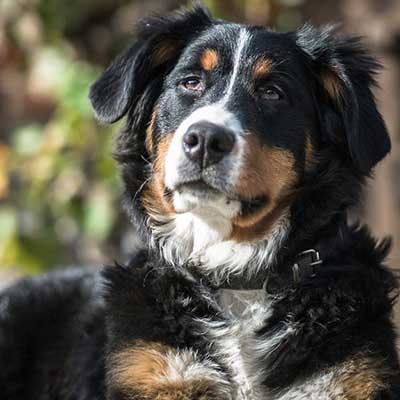
Bernese Mountain Dog
The Bernese Mountain Dog, commonly known as the Berner, is one of the four ancient breeds classified as Swiss Sennenhunds. What sets the Berner apart is its luxurious, flowing coat and exceptional temperament. Its ancestry likely stems from a combination of the farming dogs indigenous to the Swiss Alps and the Molosser, a type of Mastiff brought to the region by the Romans around the first century B.C. This rich heritage is reflected in the Berner's large head, gentle nature, remarkable strength, and strong work ethic. Traditionally, Bernese Mountain Dogs were invaluable farm assistants, responsible for herding livestock, pulling carts, and protecting homesteads. In contemporary times, they are primarily valued as beloved family pets. Known for their friendliness towards children and their ability to be trained, they do have a strong need for family interaction, which can pose challenges if they are left alone for extended periods. In terms of appearance, the Bernese Mountain Dog is a large breed characterized by its striking tri-colored coat. They possess prominent heads and substantial paws, which require regular grooming to control shedding. Bringing a Berner puppy into your home demands a considerable commitment and effort. However, with consistent training, patience, and dedication, you can nurture a loyal and hardworking companion that will greatly enhance your life.
Read more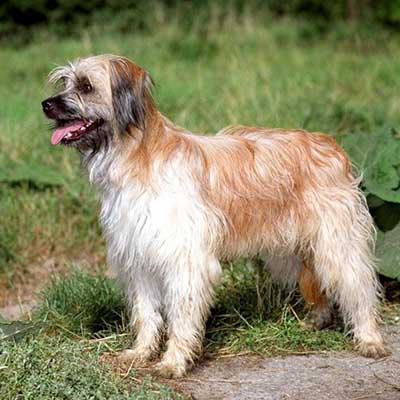
Berger Des Pyrenees
The Pyrenean Shepherd, originating from the Pyrenees Mountains in France around 6000 BC, boasts a rich history of herding and protecting sheep and goats. During World War I, these dogs played crucial roles as messengers, sentinels, and rescue animals. After the war, the energetic Pyr Shep continued its herding and guarding responsibilities while also gaining recognition in competitions and exhibitions. This cheerful breed comes in two distinct types: the rough-faced variety, known for its thick, coarse coat, and the smooth-faced type, which has a softer, finer fur. The Pyrenean Shepherd thrives in an active home environment.
Read more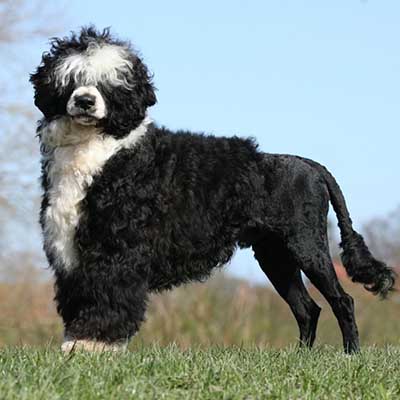
Portuguese Water Dog
The Portuguese Water Dog traces its lineage back to approximately 700 B.C., originally bred to aid fishermen in various tasks related to water. This historical background accounts for their strong affinity for swimming and aquatic activities. Known for their affectionate nature and family-oriented temperament, these dogs are friendly companions for both children and other pets. They are easily recognizable by their unique curly or wavy coats and webbed feet, which make them ideally suited for aquatic life. With their high energy levels and intelligence, Portuguese Water Dogs shine in numerous canine sports, such as tracking, agility, obedience, and trick performance. However, their keen intellect can sometimes lead them to try to outsmart their owners. With proper training and socialization, these dogs can develop good manners and adapt well to various environments.
Read more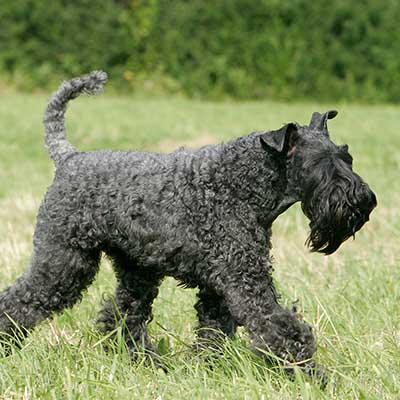
Kerry Blue Terrier
The Kerry Blue Terrier is renowned for its loyalty, intelligence, and sometimes entertaining behavior during play. This medium-sized breed has a robust and muscular physique, which means they require supervision while playing, especially around young children. If they are not properly socialized as puppies, they may become moody or reserved, making it essential for their owners to be strong yet fair and consistent in their training approach. These dogs respond best to positive reinforcement, thriving on praise and rewards rather than harsh discipline. They are particularly sensitive to any perceived unfairness, which can trigger aggressive tendencies if they feel mistreated. Although they are quite energetic, Kerry Blue Terriers can adjust well to living indoors, including in apartments, as long as they receive a good daily walk to help them burn off energy. When out for walks, it’s crucial to keep them on a leash due to their strong hunting instincts, as they may chase after small animals. They can also show aggression towards other dogs, often trying to establish their dominance. Their stunning, soft coat is advantageous for those with allergies, but it requires weekly grooming to keep it in good shape. Regular cleaning of their beards is also necessary to avoid odors from trapped food. Generally, these dogs need a bath once a week and a trim every six weeks. They are low-odor, do not drool, and are extremely loyal to their families. However, they may develop a habit of barking unless trained to limit it to a single bark, a lesson that should start during their puppy stage.
Read more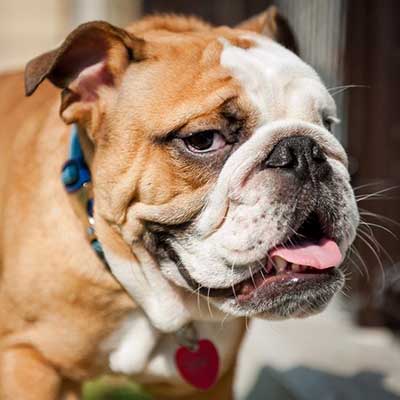
English Bulldog
The Bulldog often reveals a surprising contrast between its fierce, intimidating look and its true character. Beneath that tough facade lies a gentle and loving nature; these dogs are remarkably friendly and deeply value their human companions, all while exhibiting a playful streak of stubbornness. Above all, their loyalty to their families is steadfast. As puppies, Bulldogs are brimming with energy, but they gradually evolve into more laid-back adults. They have a special affinity for children, showcasing impressive patience; when they’ve had enough excitement, they simply relocate to a quieter area. Bulldogs also get along well with other pets, making them one of the most versatile breeds for households with multiple animals. As they age, Bulldogs tend to become a bit more sedentary, preferring to relax by your side and observe their surroundings. While they enjoy playtime with kids, it won’t be long before they seek out their favorite sunny spot for a nap. It’s essential to keep in mind that Bulldogs can easily overheat, so they need a cool retreat during the hot summer months. Additionally, they are known for their drooling and snoring, and their short snouts can lead to specific health concerns. Nonetheless, they are charming and devoted companions that bring joy and laughter to any household.
Read more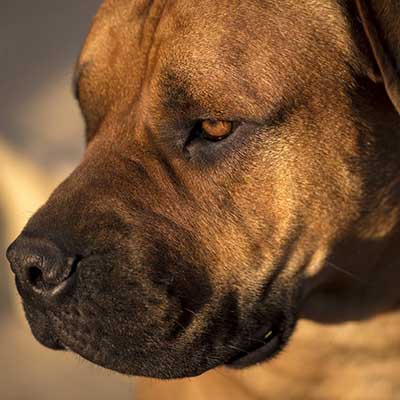
South African Boerboel
The Boerboel is a reliable breed recognized for its robust protective nature. This dog is fiercely loyal, ready to defend its family and home when its owners are away, and will not allow strangers to enter. Energetic and playful, Boerboels enjoy spending time with children, engaging in games of chase and running around for long stretches. They show impressive patience with kids, welcoming their playful antics and relishing the attention they receive. While they are devoted and affectionate towards their owners, it is crucial for them to have a strong, authoritative figure to set boundaries and ensure they obey commands. Due to their strength and powerful jaws, having a capable leader during their developmental stages is vital to prevent any potential risks to others. When it comes to guests, Boerboels require a proper introduction before they will accept them.
Read more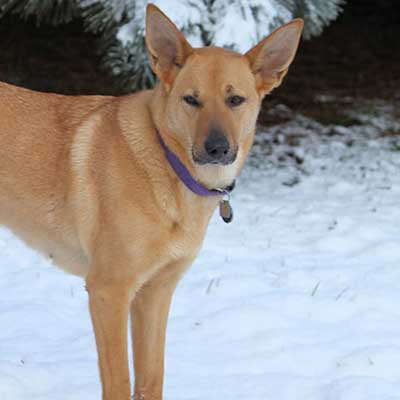
Chinook
The Chinook is a breed that is uniquely American in its heritage. Its beginnings can be traced to a female Northern Husky and a dog from the Arctic region. The father was of mixed lineage, and the resulting puppy, which was eventually named Chinook, did not closely resemble either of its parents; over time, this name became synonymous with the breed itself. Interestingly, the Chinook is believed to have been part of Admiral Byrd’s 1927 expedition to the South Pole, where it reportedly achieved remarkable records in terms of time, distance, and load capacity during the early 20th century. Today, thanks to the commitment of a small group of passionate breeders, the Chinook remains a rare breed.
Read more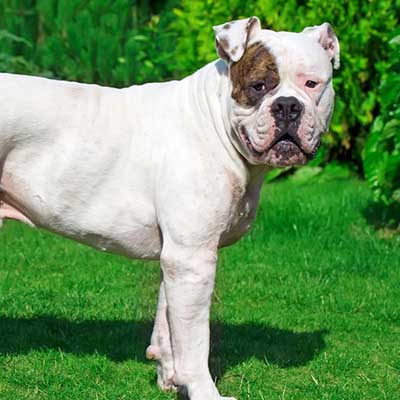
American Bulldog
The American Bulldog is a strong and athletic breed that, despite its imposing appearance, has a gentle disposition and a playful nature. This breed is divided into two main categories: the Johnson type, often called the Bully or Classic type, which has a stockier frame and a shorter muzzle similar to that of the English Bulldog; and the Scott type, known as the Standard or Performance type, which is more agile, featuring a longer muzzle and a squarer head. Many American Bulldogs today are hybrids of these two varieties. Frequently confused with the often-misunderstood American Pit Bull Terrier, the American Bulldog is a distinct breed with its own characteristics that make it not only an excellent working dog but also a loving family pet. Beneath their tough exterior lies a sensitive and emotional nature, which allows them to be highly aware of their surroundings. This sensitivity contributes to their success as family companions, particularly in households with children, as they relish playful interactions and can sense the mood of their environment. These dogs are celebrated for their affectionate personalities and strong self-assurance, which often translates into loyalty, obedience, and a protective instinct. However, because they can be reserved around unfamiliar people and other dogs, early socialization and training are crucial for their development in diverse social situations. As a high-energy breed, they thrive in homes with ample outdoor space and regular exercise, although they can adapt to apartment living if their owners lead an active lifestyle that includes them.
Read more