Other Group Breeds
This page features Other group breeds, offering detailed information for anyone interested in learning about these dogs. Each breed profile includes key traits such as temperament, size, energy level, and general care needs.
This group includes dog breeds that do not fall into any of the standard categories. They may have unique characteristics, functions, or origins that make them distinct from the rest.
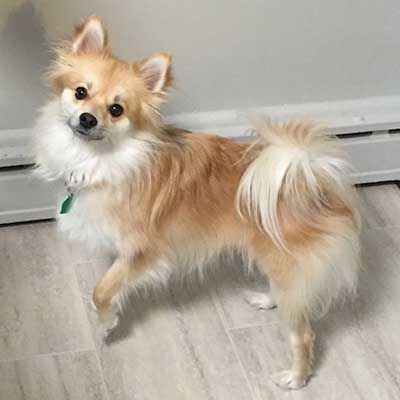
Pomimo
The Pomimo is a lively and spirited small dog that can be a fantastic addition to any household. They are especially great with children of all ages and are celebrated for their loving disposition. This hybrid breed results from crossing a purebred Pomeranian with a purebred American Eskimo, and they are also known as Eskiranians or Eskipoms. Despite their petite size, Pomimos serve as effective watchdogs, alerting their owners with barks at strangers. However, they are quick to warm up to new people and typically get along well with other dogs. These energetic pups need ample exercise and love to explore their surroundings, whether it’s a stroll through the neighborhood or a run on the beach. Their coats can differ, showcasing either the longer fur of the Pomeranian or the shorter, denser fur of the American Eskimo, and they do tend to shed quite a bit. Pomimos come in a wide range of colors, including orange, red, cream, white, black, blue, brown, sable, and tan, often featuring combinations of these hues and brindle patterns.
Read more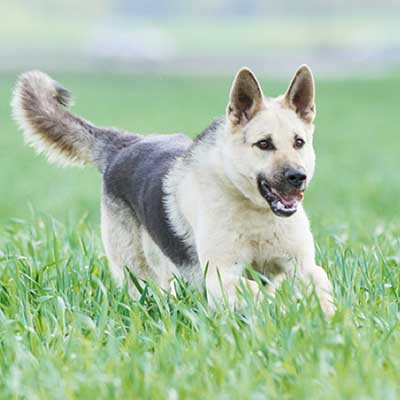
East European Shepherd
The East European Shepherd is an impressively large breed, recognized for its alert demeanor and strong protective nature. Developed in the 1930s, this breed was specifically bred to excel in colder environments and to mitigate the hip and joint problems often associated with its predecessor, the German Shepherd. These dogs are highly trainable, displaying obedience and a desire to please, which means they require little repetition during training. As attentive guardians, they are quick to notify their owners of any potential threats and are courageous in defending their loved ones. For East European Shepherds, growing up with children is crucial, as it helps forge a deep bond that can last a lifetime. However, they tend to be wary of unfamiliar people, including children, highlighting the necessity of early socialization. While they can adapt to living in apartments, they truly flourish in homes with yards that provide ample space for exercise and exploration. These intelligent dogs are well-suited for a variety of working roles, including law enforcement and search and rescue, but they also excel as devoted companions, always ready to assist their owners in any circumstance.
Read more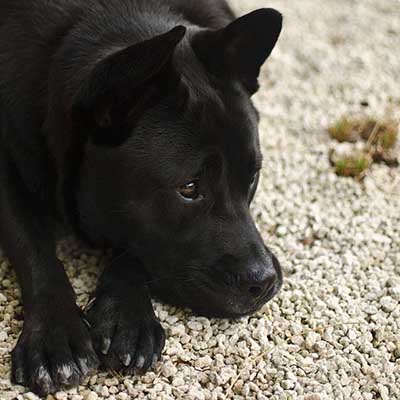
Pitchow
Pitchows, often referred to as Chowpits, are a hybrid breed created by crossing American Pitbull Terriers with Chow Chows. These unique dogs generally have a lifespan of 10 to 15 years and are celebrated for their companionship. Their physical traits can vary greatly, reflecting the characteristics of either parent breed. Furthermore, their personalities can range widely; due to the differing temperaments of the Chow Chow and American Pitbull Terrier, the resulting puppies may display a mix of traits from both sides. Typically, Pitchows are loving and loyal, although they might be apprehensive around strangers.
Read more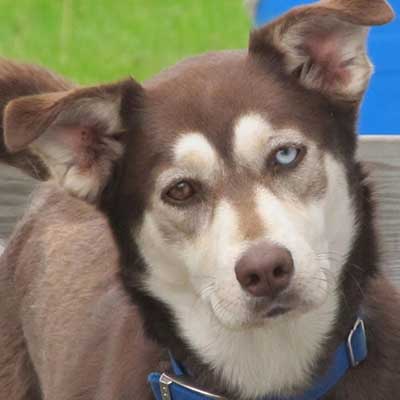
Siberian Retriever
The Siberian Retriever, commonly known as the Husky Lab or Lab Husky Mix, is a breed that typically ranges from medium to large in size, standing up to 25 inches tall. These dogs are celebrated for their friendly, playful, and loving demeanor, making them excellent companions. Their intelligence and obedience allow them to excel in roles such as guide dogs and in law enforcement. Due to their inherent hunting instincts, it is recommended to socialize them early on. With appropriate training and ample opportunities for social interaction, they generally thrive in households with children and other pets. This attractive hybrid boasts a silky coat that can display a variety of colors, including black, white, gray, chocolate, or combinations of these hues.
Read more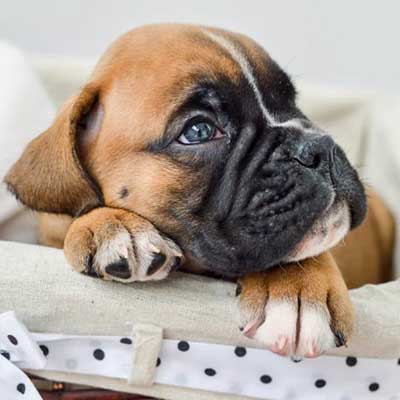
Box-a-Pug
The Box-a-Pug is a hybrid breed that emerges from the crossbreeding of a Boxer and a Pug. Their size can range from small to medium, influenced by the dominant traits of either parent breed. Often called Poxers, these dogs typically feature short coats that may be light brown, black, or brindle. They usually have curly tails, though some may have straight ones. Their muzzles are intermediate in length, being longer than a Pug's but shorter than a Boxer's. Renowned for their intelligence and lively disposition, Box-a-Pugs make wonderful companions and tend to get along well with children. They love to snuggle but can also act as vigilant watchdogs, despite their compact size.
Read more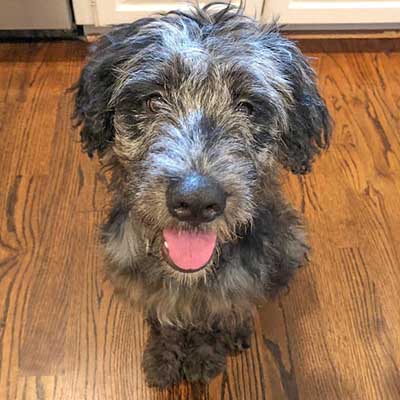
Pooahoula
The Pooahoula is a hybrid breed that results from crossing a Poodle with a Catahoula Cur, also known as the Louisiana Catahoula Cur. While the Standard Poodle is commonly used for this mix, Miniature Poodles can also be included to create a smaller version. This breed is known for its striking looks, often resembling the Catahoula Cur with its vibrant, multi-colored coat and captivating ice blue eyes. Although Pooahoulas can be prone to overeating and weight gain, they are generally very active and tend to expend energy quickly. Consequently, it is crucial for owners to keep an eye on their Pooahoula's diet and to refrain from exercising them right after meals to minimize the risk of bloat.
Read more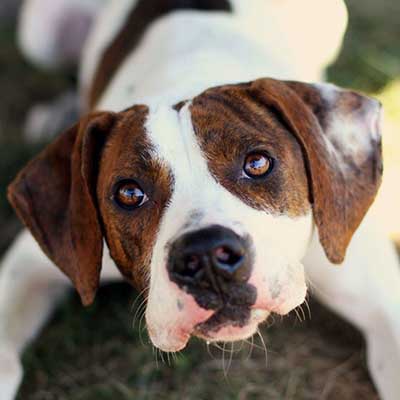
Boxapoint
The Boxapoint is a medium-sized hybrid dog known for its friendly, intelligent, patient, and gentle nature, making it a wonderful companion at home. This breed showcases a variety of colors, primarily seen in shades of brown, black, tan, and red, often appearing in different combinations. Their coat is generally short and fine, designed to withstand various weather conditions, which allows them to thrive outdoors. Boxapoints need plenty of exercise and may require some patience during training due to their occasional stubbornness. They are social animals that enjoy the company of other pets and children. To keep your Boxapoint healthy, it is crucial to provide at least an hour of vigorous exercise each day.
Read more
Schipese
The Schipese is a designer dog breed that results from the crossbreeding of two small companion breeds: the Schipperke, a compact, all-black dog with roots in Belgian herding, and the Maltese, a charming, all-white breed cherished by both celebrities and royalty for centuries. Known for their playful and loving demeanor, these dogs can also display a stubborn or mischievous streak. To prevent any anxious, fearful, or unruly behaviors, it is crucial to engage in early training and socialization, which helps preserve their natural cheerfulness and good behavior. While they do require more grooming than many other breeds, their smaller size means they need less exercise and adapt easily to apartment living.
Read more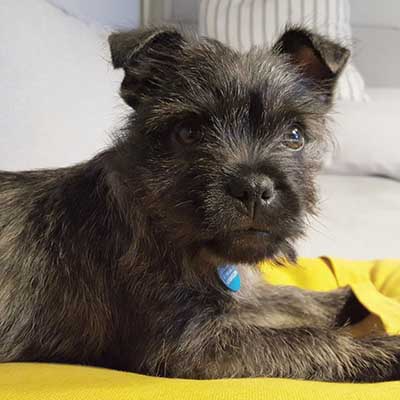
Schnug
The Schnug, a charming mix of Miniature Schnauzer and Pug, is rapidly winning the hearts of dog enthusiasts everywhere. This small, lively breed is not only full of cheer but also incredibly loyal to its owners, thriving on the happiness that comes from making them smile. While they may inherit a hint of stubbornness from their Schnauzer lineage, this trait can be effectively managed with patience and positive reinforcement. With a moderately strong instinct for hunting, it’s wise to keep an eye on this spirited little friend when around smaller pets. Schnugs are energetic, clever, and often quite vocal, making them a delightful addition to any home. Their playful and loving disposition allows them to quickly become beloved members of the family. These dogs have a strong desire for attention and prefer to stay close, often following you around or snuggling in your lap at a moment’s notice. Training a Schnug can be a fulfilling journey, especially when infused with a sense of enjoyment. Begin with short training sessions to help them adjust, and vary the activities to keep them engaged. They respond best to positive reinforcement, including kind words and small treats. However, it’s crucial to set clear boundaries; a gentle yet firm approach will help your Schnug develop into a well-mannered and delightful companion.
Read more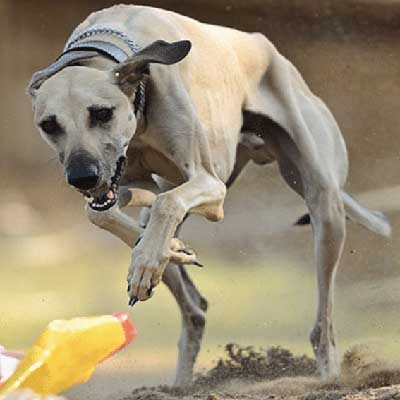
Rampur Greyhound
The Rampur Greyhound is a medium to large sighthound breed that traces its origins back to the 18th or 19th century, developed by Ahmad Ali Khan, the Nawab of Rampur. This breed was intentionally bred for the pursuit of challenging game such as boars, jackals, and even lions. While the population of Rampur Greyhounds has been slowly rising, they are still considered critically endangered and are quite uncommon outside of India. Most of the remaining dogs of this breed are utilized for hunting and guarding purposes within the country, and currently, none of the major kennel clubs have granted them official recognition.
Read more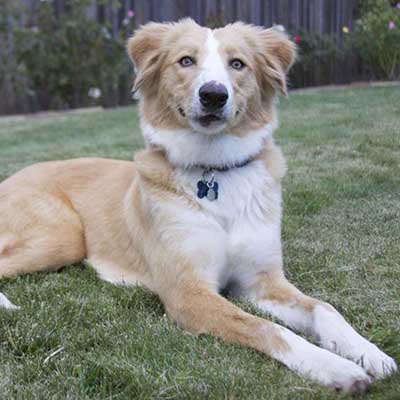
Shockerd
The Shockerd is a hybrid breed that emerges from the union of the purebred English Shepherd and the Cocker Spaniel. While the Cocker Spaniel enjoys considerable popularity, the English Shepherd remains relatively obscure and is not recognized by the American Kennel Club in the United States. Both parent breeds are celebrated for their affectionate demeanor, loyalty, and ease of training. Typically, the Shockerd displays a gentle nature, leaning more towards sensitivity than aggression. Although some may exhibit shyness, with appropriate socialization and attentive care, they can overcome any initial reluctance. This hybrid is not in high demand, likely due to the limited acknowledgment of the English Shepherd in the U.S. Currently, the breed is officially recognized by only two organizations: the Dog Registry of America and the International Designer Canine Registry.
Read more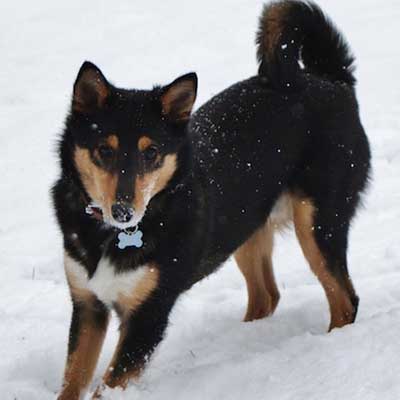
Sheltie Inu
The Sheltie Inu is a small designer breed that has been purposefully developed by crossing the ancient Japanese hunting dog, the Shiba Inu, with the Shetland Sheepdog, a herding breed native to the Shetland Islands in Scotland. These dogs are typically intelligent, but their trainability can greatly differ depending on which parent breed they take after. Consequently, some may be quite easy to train, while others might pose challenges, with many falling somewhere in the middle. Despite their relatively small size, their high energy and tendency to bark excessively can make them less suitable for apartment living. Nevertheless, with adequate exercise and daily attention, they can often adjust to such settings.
Read more