Scenthound Group Breeds
This page features Scenthound group breeds, offering detailed information for anyone interested in learning about these dogs. Each breed profile includes key traits such as temperament, size, energy level, and general care needs.
This group is divided into two types: Tree Hounds and Trailing Hounds. Tree Hounds Included in this group are the seven Coonhound breeds and the four Cur breeds. The Coonhounds are descended from Trailing Hounds brought to the United States shortly after the country was founded. The ancestors of the Coonhound breeds include the English Foxhound, red Irish hounds, the French Bleu de Gascogne hounds, and the German brindle Schweisshunds. Hounds in America were utility dogs whose primary function was to help feed the family, but who also served as guard dogs and family companions. As the Tree Hounds evolved from the earlier Trailing Hound breeds, the dogs developed the ability to drive game up a tree, alert the hunter with a distinctive “bark,” and hold the game in the tree until the hunter arrived. Because of the vast size of American hunting grounds, the Tree Hounds needed superior stamina and a “cold” nose, that is, the ability to smell and track old, cold trails. As more coon hunters became pleasure hunters and then competition hunters, the traits of the six individual Coonhound breeds became more distinct. Curs were developed by early settlers in the southern and western United States as all-purpose dogs. Curs are excellent tree dogs, used to hunt squirrel, coon, mountain lion, and bear. They are used in Louisiana and Texas to hunt wild hogs. They also serve as stock dogs. Trailing Hounds The trailing Scenthounds are probably descended from Mastiffs bred by Celtic tribes in Europe and Britain. During the Middle Ages, Belgian monks developed a strain of black and tan hounds called the St. Hubert Hound, which was the basis of many of these breeds. Trailing Hounds are characterized by their strongly developed tracking ability, their hanging ears, their endurance, and their congenial dispositions which predispose them to working in a pack. Many Trailing Hounds are also famous for the baying sounds they make when hunting.
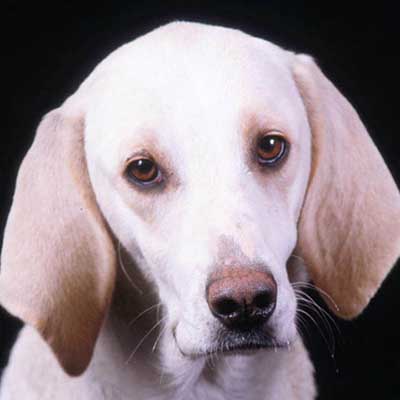
Billy
The Billy, known as the Chien de France-Comte, is a remarkable mix of several now-extinct French dog breeds. This elegant and sizable breed has a strong passion for hunting and tracking. Typically, they possess a well-behaved disposition, getting along fairly well with other dogs and showing a particular fondness for children. However, their amiable nature makes them less effective as guard or watchdogs. In the hunting field, they exhibit a lively spirit, marked by enthusiasm, endurance, and dedication. Unfortunately, their instinct to follow scents remains strong even at home; if allowed to roam off-leash, they may easily wander off in search of enticing smells. Billys often develop deep bonds with their owners, especially when trained by the same individual, leading to a lifelong loyalty. Although they are intelligent, training them can be quite challenging, necessitating an experienced handler to ensure a smooth process. While they are still used as hunting dogs in their native areas, this breed is considered rare and is more often employed for hunting rather than as typical family pets.
Read more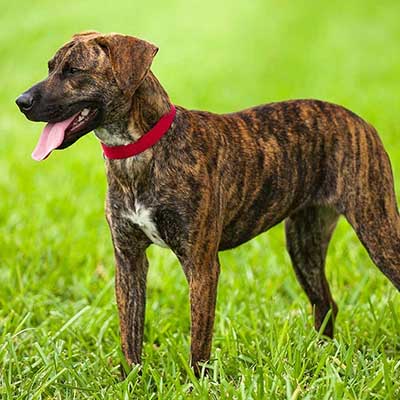
Plott Hound
The Plott Hound is an intriguing breed recognized for its tenacious spirit. This dog is not only devoted but also loving, making it an ideal companion for families with kids. Distinctively, the Plott Hound is the sole coonhound breed that does not share ancestry with the Foxhound. Known for being vocal and full of energy, this breed enjoys running and engaging in play. However, its propensity to bark may render it unsuitable for apartment living. With a lively personality and a protective nature, the Plott Hound makes a superb guardian for your home. Given its hunting instincts, it's wise to have a tall, secure fence to keep it from chasing after any nearby wildlife.
Read more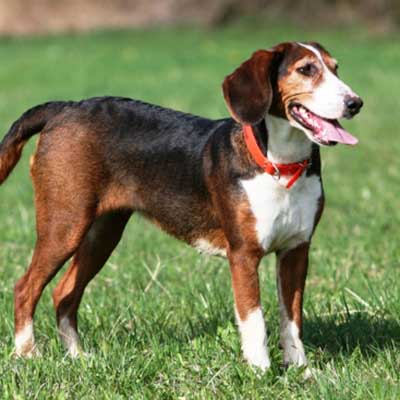
Deutsche Bracke
The Deutsche Bracke is an eye-catching and endearing breed, generally falling within the small to medium size range. While they enjoy popularity in Germany, they are still relatively unknown in many other regions. Bred initially for hunting purposes, these dogs need plenty of exercise, ideally engaging in physical activities twice daily. They thrive on companionship and can experience anxiety if left alone for long stretches, which may result in unwanted behaviors. Their gentle nature makes them excellent companions for families, especially around children. Sociable with other dogs, the Deutsche Bracke has been trained to hunt both in packs and individually. However, their strong hunting instincts can pose a threat to smaller pets like cats or rabbits, so supervision is crucial. Despite their calm demeanor, their independent streak can make training a bit challenging. This breed does not respond well to harsh training methods; instead, positive reinforcement is essential. Training sessions should be fun, varied, and brief to keep their attention. When taking the Deutsche Bracke for walks, it’s important to keep them on a leash, as they can quickly take off in pursuit of an intriguing scent. Once they catch a whiff of something interesting, redirecting their focus can be quite difficult. Overall, this breed is eager to please, affectionate, intelligent, and a devoted companion.
Read more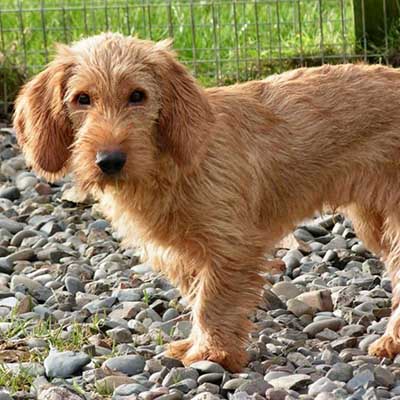
Basset Fauve De Bretagne
The Basset Fauve de Bretagne is a sturdy and compact breed celebrated for its energetic personality. Often called the Fawn Colored Brittany Basset, this dog boasts a rough coat and demonstrates sharp intelligence, although he can sometimes be quite headstrong. As a loyal companion, he is eager to make his family happy. This breed is remarkably versatile, thriving in a variety of environments and excelling in hunting different types of game. Generally, he is friendly with other dogs and children, but it's wise to exercise caution around smaller pets like ferrets and guinea pigs, as he should not be left alone with them. With a playful demeanor, the Basset Fauve de Bretagne loves to partake in games and can be quite mischievous.
Read more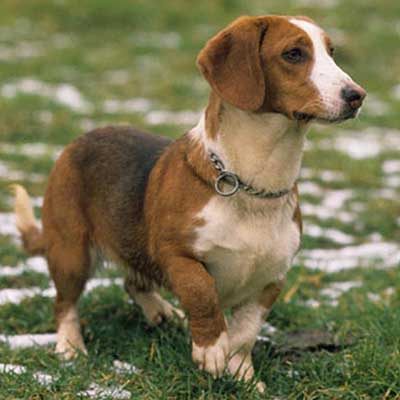
Westphalian Dachsbracke
The Westphalian Dachsbracke is a compact dog of small to medium stature, hailing from Germany. This breed is believed to have emerged from a cross between the German Hound and the Dachshund, resulting in a versatile hunting companion. Their short legs enable them to adeptly maneuver through burrows, dens, and caves, making them outstanding hunters capable of tracking their quarry for long durations. Renowned for their courage, Westphalians often take on game much larger than themselves, particularly excelling in hunting wild boar. Despite their remarkable hunting abilities, these dogs are also sociable and enjoy engaging playtime with their families, showcasing a playful and slightly mischievous demeanor. With a well-rounded temperament, they can make excellent family pets and companions, though they do need a secure yard for safe off-leash play. To keep their energy in check, daily walks are crucial. Their grooming requirements are minimal, typically needing baths only when necessary. Affectionate, intelligent, and occasionally stubborn, the Westphalian Dachsbracke may be small, but they are full of personality.
Read more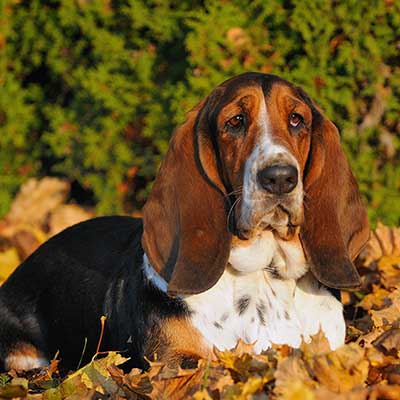
Chien d'Artois
Originating in the 15th century, the Chien d'Artois, or Artois Hound, is a breed rich in history, though it exists today in limited numbers. This breed holds a unique position in the canine world, being a descendant of the famous Bloodhound and likely an ancestor of the well-loved Beagle. However, unlike these two breeds, the Artois Hound has not achieved widespread recognition on an international scale. While it shares many physical and behavioral characteristics with both the Bloodhound and Beagle, the Artois Hound remains relatively rare outside of France. Nevertheless, its scarcity does not lessen its worth. Historically, this breed has been valued by royalty and respected by hunters for its remarkable abilities and temperament. Over the years, the Artois Hound has evolved from a hunting and tracking dog to a beloved companion, known for its friendly and affectionate nature. This shift seems to be ongoing, as the breed's popularity has been gradually rising in recent times.
Read more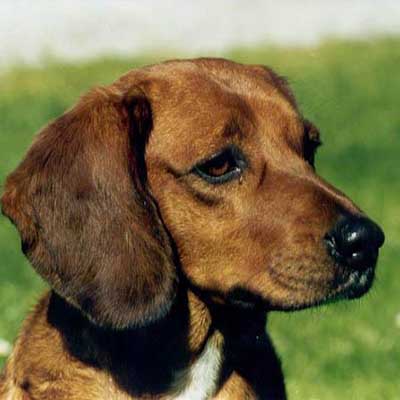
Tyrolean Hound
The Tyrolean Hound, believed to be a descendant of the mythical Celtic Hounds, has a fascinating history that stretches back centuries, even though it has only gained formal recognition in the last 160 years. Renowned for their outstanding hunting abilities, these dogs also make devoted companions. In a home environment, they are known for their calm and relaxed nature, which makes them a great fit for families with children. Unlike many other breeds used for hunting, Tyrolean Hounds tend to be more reserved around strangers, displaying aloofness rather than aggression. While they have a natural inclination to hunt independently, they thrive in family settings and benefit from early socialization to foster positive relationships with other dogs.
Read more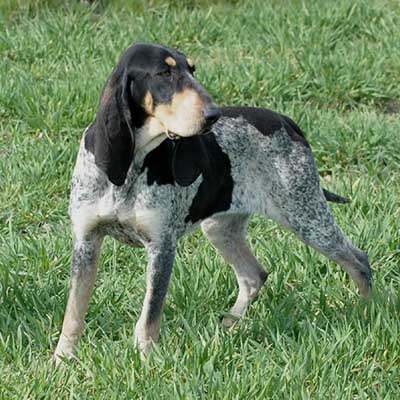
Grand Bleu De Gascogne
The Grand Bleu de Gascogne is a large, ancient breed believed to have descended from dogs kept by the Gauls and Phoenicians. Recognized for their historical importance and genetic contributions, they are one of the two primary breeds that have influenced the development of many modern hound types over the last thousand years or more. These dogs are adept hunters, known for their slow and steady approach, yet they are methodical and efficient, having been used for centuries to track significant game like deer, wolves, and boar—aptly reflected in their name, "grand," which denotes their impressive targets. Traditionally, they have hunted in packs, which has cultivated a friendly nature and a remarkably strong, almost musical voice that facilitates communication among pack members and with hunters. With a well-balanced temperament, they are typically sociable and amiable at home, but they display a lively enthusiasm when out in the field. Regrettably, the decline of pack hunting—partly due to evolving needs and the expenses associated with such practices—has made the Grand Bleu de Gascogne a rare breed. Their population has significantly decreased during periods of conflict and continues to diminish in contemporary times. However, passionate breed advocates are striving to sustain their numbers, albeit on a small scale. While this breed originates from France, its near-cult following in the United States has led many to perceive that they are more prevalent and favored there than anywhere else in the world.
Read more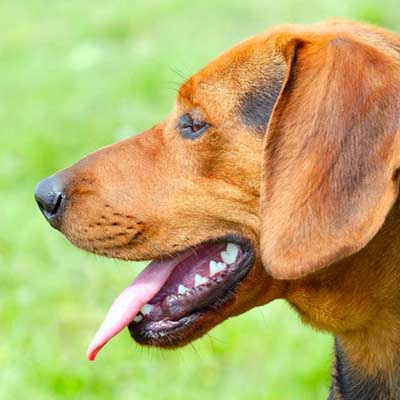
Serbian Hound
Vibrant in the field and affectionate at home, the Serbian Hound is renowned for its remarkable abilities as both a loyal companion and a skilled hunter. With a history that spans nearly a millennium, this breed has long been a favored choice among hunters in the Balkans, prized for its sharp sense of smell, endurance during hunts, and intelligence. While they are often employed in packs to track and capture larger game like deer and boar, they also thrive as solitary hunters, adept at pursuing smaller prey such as hares and foxes. Despite their strong hunting instincts, which ignite an almost limitless enthusiasm for the chase, Serbian Hounds exhibit a calm and loving demeanor in domestic settings. Their fierce loyalty, especially towards their trainers and families, can sometimes lead to challenges due to their high intelligence. Naturally sociable, they generally get along well with other dogs and are typically good with children; however, their strong prey drive may create difficulties in homes with non-canine pets. In summary, Serbian Hounds are exceptional companions, skillfully balancing their roles as hunters, protectors, and affectionate family members.
Read more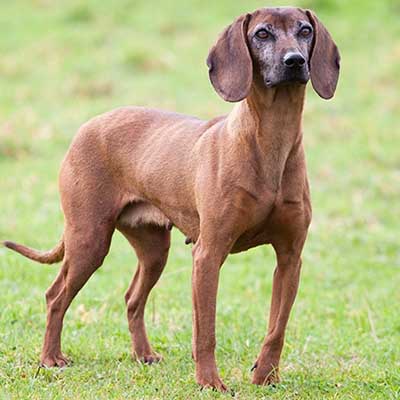
Bavarian Mountain Hound
The Bavarian Mountain Scent Hound is somewhat lesser-known, even in its home country of Germany. These dogs are usually sought after for their skills in work rather than as household pets. Nevertheless, they can be excellent companions if given sufficient mental stimulation and physical activity to flourish. Overall, they are well-rounded dogs that can enhance a home environment. Although they typically develop a deep connection with one primary owner—showing loyalty and affection to their trainer—they are generally friendly with other family members and tend to be wary of strangers.
Read more