Scenthound Group Breeds
This page features Scenthound group breeds, offering detailed information for anyone interested in learning about these dogs. Each breed profile includes key traits such as temperament, size, energy level, and general care needs.
This group is divided into two types: Tree Hounds and Trailing Hounds. Tree Hounds Included in this group are the seven Coonhound breeds and the four Cur breeds. The Coonhounds are descended from Trailing Hounds brought to the United States shortly after the country was founded. The ancestors of the Coonhound breeds include the English Foxhound, red Irish hounds, the French Bleu de Gascogne hounds, and the German brindle Schweisshunds. Hounds in America were utility dogs whose primary function was to help feed the family, but who also served as guard dogs and family companions. As the Tree Hounds evolved from the earlier Trailing Hound breeds, the dogs developed the ability to drive game up a tree, alert the hunter with a distinctive “bark,” and hold the game in the tree until the hunter arrived. Because of the vast size of American hunting grounds, the Tree Hounds needed superior stamina and a “cold” nose, that is, the ability to smell and track old, cold trails. As more coon hunters became pleasure hunters and then competition hunters, the traits of the six individual Coonhound breeds became more distinct. Curs were developed by early settlers in the southern and western United States as all-purpose dogs. Curs are excellent tree dogs, used to hunt squirrel, coon, mountain lion, and bear. They are used in Louisiana and Texas to hunt wild hogs. They also serve as stock dogs. Trailing Hounds The trailing Scenthounds are probably descended from Mastiffs bred by Celtic tribes in Europe and Britain. During the Middle Ages, Belgian monks developed a strain of black and tan hounds called the St. Hubert Hound, which was the basis of many of these breeds. Trailing Hounds are characterized by their strongly developed tracking ability, their hanging ears, their endurance, and their congenial dispositions which predispose them to working in a pack. Many Trailing Hounds are also famous for the baying sounds they make when hunting.
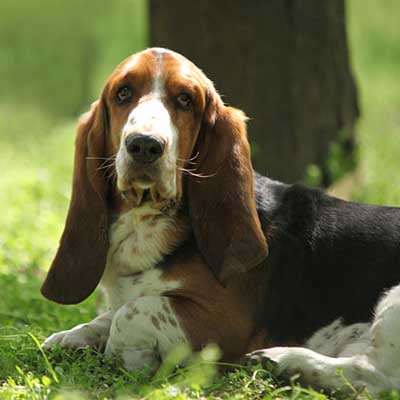
Basset Artesien Normand
The Basset Artésien Normand is a smaller and lighter version of the more familiar Basset Hound, sharing some ancestry and a similar look. The Basset Hound itself was later mixed with the Bloodhound, resulting in a larger breed. Originating as a hunting dog that thrived in groups, these canines are known for their sociable and affectionate demeanor, making them great companions for children and generally friendly with other dogs. Their amiable nature makes them ideal family pets, as they are easygoing, loyal, and warm towards almost everyone. With their short legs, they don’t need extensive exercise, which allows them to adapt well to both apartments and larger homes. However, they can be quite stubborn, often influenced by their strong sense of smell or independent spirit, so training them requires a consistent and patient approach. Overall, they are considered highly adaptable dogs with excellent temperaments, fitting seamlessly into various family settings.
Read more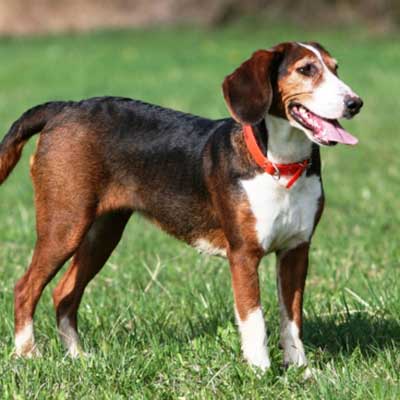
Deutsche Bracke
The Deutsche Bracke is an eye-catching and endearing breed, generally falling within the small to medium size range. While they enjoy popularity in Germany, they are still relatively unknown in many other regions. Bred initially for hunting purposes, these dogs need plenty of exercise, ideally engaging in physical activities twice daily. They thrive on companionship and can experience anxiety if left alone for long stretches, which may result in unwanted behaviors. Their gentle nature makes them excellent companions for families, especially around children. Sociable with other dogs, the Deutsche Bracke has been trained to hunt both in packs and individually. However, their strong hunting instincts can pose a threat to smaller pets like cats or rabbits, so supervision is crucial. Despite their calm demeanor, their independent streak can make training a bit challenging. This breed does not respond well to harsh training methods; instead, positive reinforcement is essential. Training sessions should be fun, varied, and brief to keep their attention. When taking the Deutsche Bracke for walks, it’s important to keep them on a leash, as they can quickly take off in pursuit of an intriguing scent. Once they catch a whiff of something interesting, redirecting their focus can be quite difficult. Overall, this breed is eager to please, affectionate, intelligent, and a devoted companion.
Read more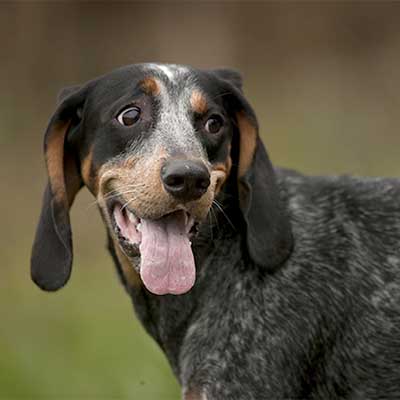
Bluetick Coonhound
The Bluetick Coonhound is a loyal and intelligent breed, renowned for its strong attachment to family members. While they can adapt to living indoors, it is crucial for their health to engage in regular physical activity. Ideally, they should have access to a securely fenced yard, as they are prone to wandering off in search of interesting scents. These dogs typically get along well with children, but they may be better suited for families with older kids due to their energetic and sometimes boisterous play style. When socialized properly from an early age, Bluetick Coonhounds exhibit a friendly and outgoing demeanor. In terms of their physical characteristics, they are both impressive and athletic, featuring a muscular yet streamlined physique that avoids any awkwardness. As skilled nocturnal hunters, they have keen eyesight and a strong dedication to tracking. However, they can be challenging for owners who are not committed to training; a lack of exercise may result in anxiety and destructive behaviors. This breed flourishes in spacious environments, such as large yards. It’s important to remember that, despite their friendly disposition towards people, they should not be trusted around cats or other small animals due to their inherent hunting instincts. Once fully trained, Bluetick Coonhounds are obedient and attentive to their owners.
Read more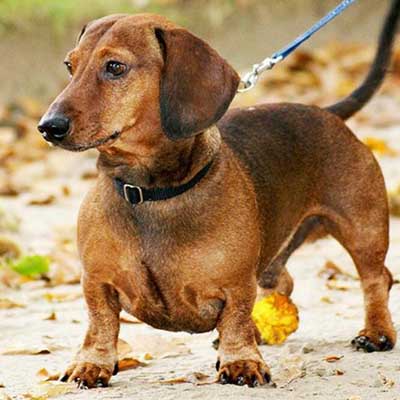
Dachshund
Since the 1950s, Dachshunds have consistently been among the most beloved dog breeds. With their distinctive long bodies and short legs, these dogs are not only charming but also exhibit a spirited and courageous personality. Although they possess intelligence, training can be challenging, especially if the techniques used become repetitive. Their inherent stubbornness often leads them to prefer their own methods. Originally developed in Germany for hunting small game, these characteristics are still apparent in their behavior today, which may manifest as a tendency to chase smaller animals or dig in the yard. Dachshunds are lively both indoors and outdoors, allowing them to adapt well to a variety of living environments.
Read more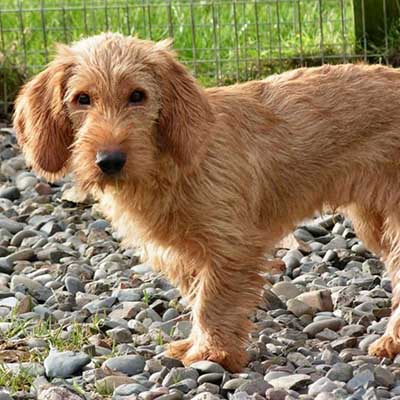
Basset Fauve De Bretagne
The Basset Fauve de Bretagne is a sturdy and compact breed celebrated for its energetic personality. Often called the Fawn Colored Brittany Basset, this dog boasts a rough coat and demonstrates sharp intelligence, although he can sometimes be quite headstrong. As a loyal companion, he is eager to make his family happy. This breed is remarkably versatile, thriving in a variety of environments and excelling in hunting different types of game. Generally, he is friendly with other dogs and children, but it's wise to exercise caution around smaller pets like ferrets and guinea pigs, as he should not be left alone with them. With a playful demeanor, the Basset Fauve de Bretagne loves to partake in games and can be quite mischievous.
Read more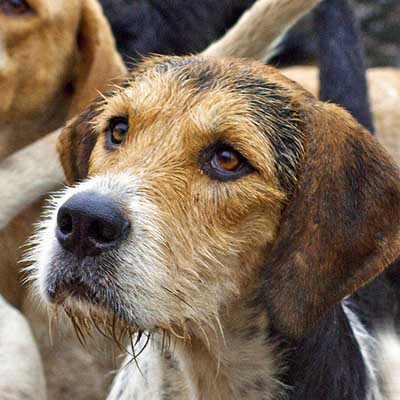
Welsh Hound
The Welsh Hound was specifically bred for fox hunting in Wales and is rarely kept just as a pet. With the ban on fox hunting in many parts of the world, this breed now lacks a clear purpose. Welsh Hounds are lively, intelligent, and playful, requiring a strong leader to manage their behavior. Originally designed to hunt in packs, they are very social and thrive on regular interaction with other dogs. Without sufficient engagement, they can become bored and may develop destructive habits, posing challenges for their owners. Although still considered a rare breed, the Welsh Hound is gradually gaining popularity, especially in the United States.
Read more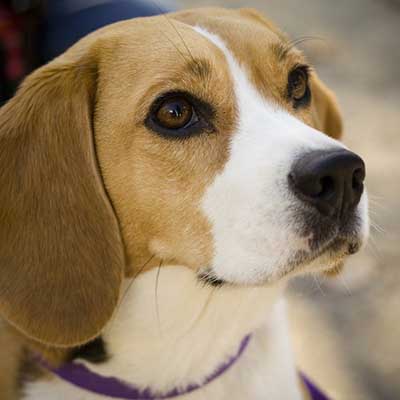
Beagle
The Beagle is frequently seen as one of the most laid-back and cheerful dog breeds. With a lively and amusing demeanor, this breed spreads happiness to those around it. Originating in England in the early 1800s, Beagles were originally developed for tracking and hunting rabbits. They flourish when allowed to explore their environment, utilizing their exceptional sense of smell, which can sometimes lead them into playful trouble. As scent hounds, Beagles have ancestry that includes the Talbot Hound, North Country Beagle, and Southern Hound. Their compact and muscular build makes them an ideal companion. Beagles are easily identifiable by their droopy ears and endearing expressions. Their short, smooth coats require little maintenance; a simple weekly brushing with a rubber curry brush is enough to keep them looking their finest.
Read more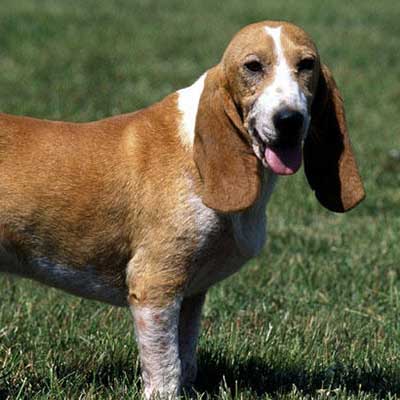
Small Swiss Hound
The Small Swiss Hound captures the essence of a larger breed within a smaller frame. They have a self-perception that exceeds their physical size, and their lively character more than makes up for their petite build. With regular exercise and dedicated attention, their high energy levels can be well-regulated. Although they make excellent family companions, their true enthusiasm shines when they are hunting across diverse landscapes, eagerly pursuing both small and large game. However, without adequate stimulation, the Small Swiss Hound may become problematic, displaying destructive tendencies at home. Ultimately, these dogs are sociable and clever, marked by a strong will that can occasionally come off as stubbornness.
Read more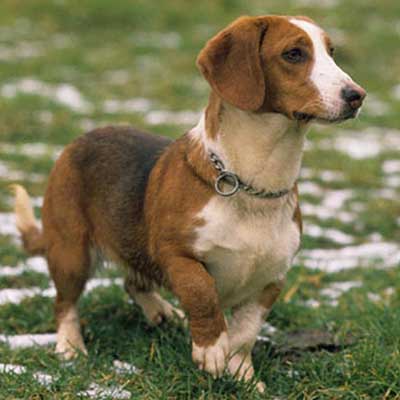
Westphalian Dachsbracke
The Westphalian Dachsbracke is a compact dog of small to medium stature, hailing from Germany. This breed is believed to have emerged from a cross between the German Hound and the Dachshund, resulting in a versatile hunting companion. Their short legs enable them to adeptly maneuver through burrows, dens, and caves, making them outstanding hunters capable of tracking their quarry for long durations. Renowned for their courage, Westphalians often take on game much larger than themselves, particularly excelling in hunting wild boar. Despite their remarkable hunting abilities, these dogs are also sociable and enjoy engaging playtime with their families, showcasing a playful and slightly mischievous demeanor. With a well-rounded temperament, they can make excellent family pets and companions, though they do need a secure yard for safe off-leash play. To keep their energy in check, daily walks are crucial. Their grooming requirements are minimal, typically needing baths only when necessary. Affectionate, intelligent, and occasionally stubborn, the Westphalian Dachsbracke may be small, but they are full of personality.
Read more