Giant Dog Breeds
Giant dog breeds are generally classified based on average adult height and weight ranges.
Giant breeds weigh over 100 lbs. Their development happens in two phases—bone growth first, followed by muscle. They reach adulthood around 24 months. Lean growth is important to avoid joint and bone disorders. Calcium supplements should be avoided as they may contribute to deformities.
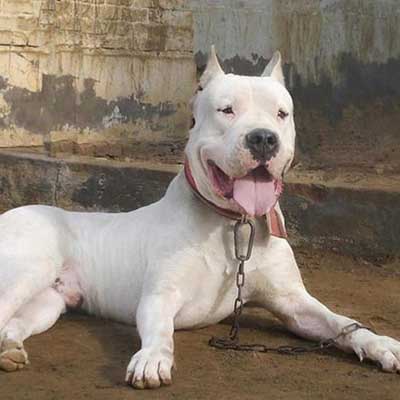
Gull Dong
The Gull Dong is a breed known for its loyalty and intelligence, characterized by a strong-willed and sometimes aggressive temperament. This dog is not ideal for novice owners; it demands a confident and consistent handler to flourish. While they show deep affection and loyalty to their families, it is vital to supervise their interactions with children, even older ones. As a breed originally developed for work, the Gull Dong thrives when given responsibilities, as they are both energetic and alert. They tend to be wary of strangers and are fiercely protective of their territory. Due to their size and occasionally grumpy nature, they can be a risk to other pets, dogs, and unfamiliar individuals. Training this breed can be quite challenging, requiring an owner with advanced skills to manage their potential for aggression and dominance. It is crucial for them to learn to respect humans and to be kept on a leash under the owner's control at all times. Despite these challenges, they are incredibly devoted and affectionate companions to their owners.
Read more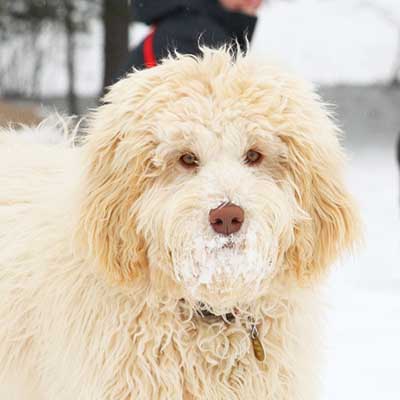
Mastidoodle
The Mastidoodle is a large hybrid breed created by crossing a Mastiff with a Standard Poodle. These dogs usually stand as tall as 30 inches and are characterized by their sturdy build and dense, wavy coats. Their fur can easily become matted if not groomed regularly, which means they need a good deal of upkeep. Often dubbed the "teddy bear" of dogs, Mastidoodles are known for their gentle and calm demeanor, making them wonderful companions for families of all shapes and sizes.
Read more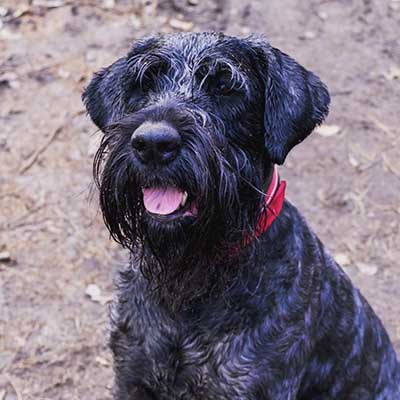
Giant Irish Wolf Schnauzer
The Giant Irish Wolf Schnauzer is a meticulously designed hybrid breed, created through the deliberate crossbreeding of the Giant Schnauzer and the Irish Wolfhound. The Giant Schnauzer, a sturdy dog with origins in Germany, was historically utilized for various farm tasks, such as herding cattle, protecting livestock, and pulling carts. On the other hand, the Irish Wolfhound is a large breed that was traditionally used for hunting and eradicating the now-extinct Irish wolf, and possibly the Irish elk, with roots tracing back to at least 391 A.D. Both breeds are typically sociable and enjoy being around children, regardless of their size. However, they may exhibit excessive energy or clumsiness when interacting with very young kids, especially the younger Giant Irish Wolf Schnauzers. It’s also important to mention that there are Standard and Miniature Irish Wolf Schnauzers, which are bred using either the Standard or Miniature Schnauzer instead of the Giant Schnauzer. These three types of Schnauzers, while sharing similar looks, are distinct breeds that vary significantly in terms of health concerns, temperament, and natural abilities, making the Standard and Miniature Irish Wolf Schnauzers quite different from their Giant relative.
Read more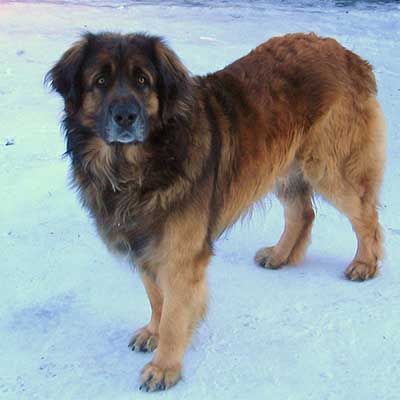
Leonberger
The Leonberger, a sizable molosser breed developed in Germany by Heinrich Essig, is endearingly known as the Gentle Lion. Their remarkable stature, tawny coat, and the prominent ruff that adorns the necks of males contribute to their lion-like appearance. Yet, it is their gentle and perceptive nature that truly reflects the "gentle" in their name, making them exceptional therapy dogs. Maintaining their long, dense fur requires regular grooming—ideally several times a week—to avoid tangles and matting. Additionally, it’s important to inspect their coats for fleas, ticks, burrs, or any concealed injuries. To ensure these dogs grow into beloved and well-adjusted family members, early training and socialization are vital.
Read more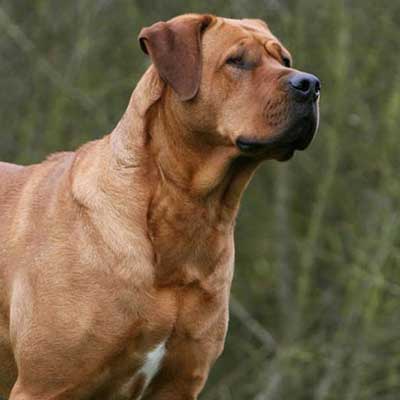
Tosa Ken
The Tosa is a sizable breed that was initially developed for dog fighting, recognized for its impressive looks and determined temperament. This breed is not ideal for novice dog owners, as it requires a skilled handler capable of establishing authority. Given its intricate background, the Tosa is not recommended for families with young children or other animals. It often displays aggression towards same-sex dogs and necessitates a sturdy, tall fence when outdoors without supervision. Continuous training is crucial to ensure the Tosa does not try to take control of the household hierarchy.
Read more
Greater Swiss Mountain Dog
The Greater Swiss Mountain Dog, commonly known as the Swissy, is a gentle and affectionate breed that delights in making its owners happy. Although they are intelligent and can sometimes be a bit headstrong, their steadfast loyalty more than makes up for these tendencies. Generally, they are calm around children, other animals, and friendly guests, but they also make excellent watchdogs thanks to their sharp awareness. Originating from Switzerland, this breed has a rich history that dates back nearly 2,000 years, making it one of the oldest dog breeds in the country. Originally developed for herding, guarding, and draft work, the Greater Swiss Mountain Dog has transformed into a versatile companion, thriving in various activities such as competitive obedience, carting, tracking, and protection.
Read more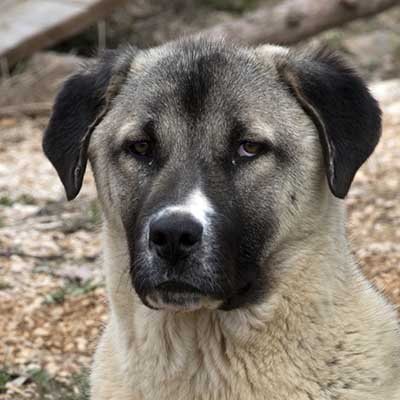
Anatolian Shepherd
The Anatolian Shepherd Dog serves primarily as a guardian for livestock rather than a herding breed, specifically created to shield animals from predators. This breed hails from Turkey, with its lineage believed to date back to approximately 2000 BC. Historical evidence of these dogs is depicted in ancient bas-reliefs located in the Assyrian Rooms of the British Museum in London. Furthermore, the Anatolian Shepherd is thought to be alluded to in the Bible, particularly in the Book of Job, which discusses these dogs in the context of flocks and is set in the Turkish region. Although they can display affection, Anatolian Shepherds are generally not ideal as family pets, especially in homes with young children. Their independent and assertive temperament often leads them to view children as peers rather than authority figures, which can result in a lack of respect.
Read more