Giant Dog Breeds
Giant dog breeds are generally classified based on average adult height and weight ranges.
Giant breeds weigh over 100 lbs. Their development happens in two phases—bone growth first, followed by muscle. They reach adulthood around 24 months. Lean growth is important to avoid joint and bone disorders. Calcium supplements should be avoided as they may contribute to deformities.
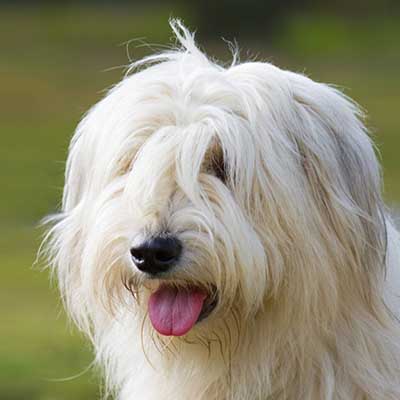
South Russian Shepherd Dog
The South Russian Ovcharka is renowned for its steadfast loyalty as a protector, which is arguably its most prominent characteristic. Specifically bred to be guardians, these dogs are committed to defending their families, homes, and belongings, approaching this responsibility with enthusiasm and readily adopting a formidable demeanor when they sense a serious threat. Their acute awareness of their environment enables them to serve as watchful sentinels, even when their protective instincts are not actively engaged. Inherently intelligent, South Russian Ovcharkas leverage their intellect in two primary ways: they quickly understand training requirements and objectives, and they are capable of making independent decisions. Training these dogs is generally straightforward, as they tend to learn rapidly. However, they thrive under a firm and consistent training regimen; even after mastering commands, they often prefer to act on their own initiative unless instructed otherwise. Owners who dedicate time and effort to training will cultivate a stronger bond with their dogs, although these animals are also likely to form attachments to other family members and will defend them with equal intensity. While South Russian Ovcharkas show a moderate degree of affection and playfulness, they usually mirror the attention they receive. Early and comprehensive socialization is essential for these dogs to interact harmoniously with other dogs and people outside their immediate family, though they typically display patience with children. Given their high exercise requirements and the need for a strong, guiding presence, they are best suited for experienced dog owners who can provide ample space for them to roam and patrol.
Read more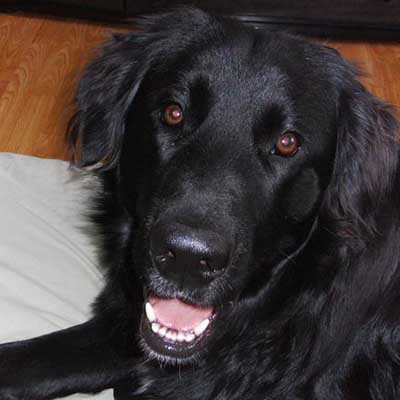
Golden Newfie
The Golden Newfie is a large breed that can be categorized as either large or giant, depending on the genetic characteristics inherited from its parent breeds. Renowned for their serene temperament, patience, and gentle disposition, Golden Newfies are wonderful family pets, offering both protection and affection. These amiable and sociable dogs generally coexist well with other animals, including cats, particularly if they are socialized early on. Although they have a tendency to drool, they also love to swim as a means of cooling down. Training should be conducted with a calm and consistent approach, as these dogs are sensitive to vocal cues and can easily pick up on any signs of frustration. Playful, loyal, and dependable, the Golden Newfie is a confident breed that adapts effortlessly to family life.
Read more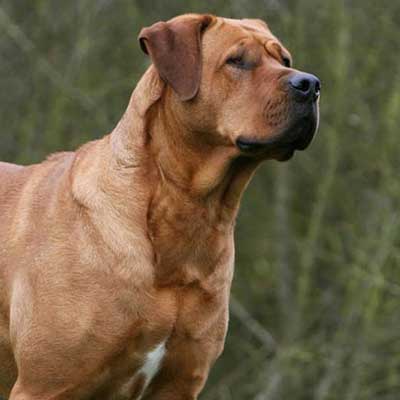
Tosa Ken
The Tosa is a sizable breed that was initially developed for dog fighting, recognized for its impressive looks and determined temperament. This breed is not ideal for novice dog owners, as it requires a skilled handler capable of establishing authority. Given its intricate background, the Tosa is not recommended for families with young children or other animals. It often displays aggression towards same-sex dogs and necessitates a sturdy, tall fence when outdoors without supervision. Continuous training is crucial to ensure the Tosa does not try to take control of the household hierarchy.
Read more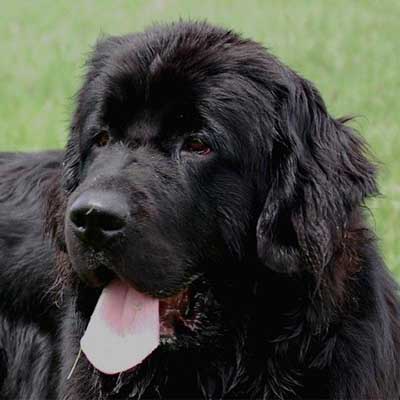
Newfoundland
The Newfoundland is a breed that originates from North America, specifically Newfoundland Island in Canada. While the exact beginnings of this breed are not entirely clear, it is thought that European fishermen introduced its ancestors to the island. Some theories propose that the Newfoundland may have descended from the white Great Pyrenees, while others suggest a connection to a French hound. Originally developed as a multi-purpose water dog and fishing aide, the Newfoundland has since become crucial in water rescue efforts. This sizable breed generally weighs between 130 and 150 pounds, with males reaching about 28 inches in height and having a body that is slightly longer than it is tall. With their sturdy build and strong bones, Newfoundlands have the power needed to rescue individuals from drowning, even in rough waters. Their webbed feet and water-resistant fur aid in swimming, while their strong, effortless gait enhances their ability to pull effectively.
Read more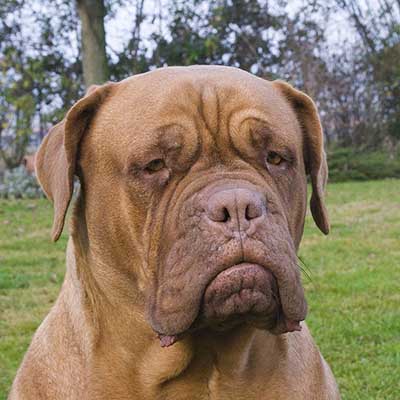
Dogue De Bordeaux
The Dogue de Bordeaux, commonly referred to as the French Mastiff, is a sizable breed with a lineage that remains somewhat ambiguous. Typically, these dogs stand around two feet tall at the shoulder and can weigh more than 99 pounds, distinguished by their prominent heads and short snouts. Unfortunately, they are susceptible to a range of health problems, including heart disease, various cancers, and hip and elbow dysplasia, which contribute to a relatively brief lifespan of five to eight years, though some may live longer. A notable case is Beasley, a nine-year-old Dogue de Bordeaux who appeared alongside Tom Hanks in the 1989 film "Turner and Hooch" and lived for three years beyond the film's release. If not properly socialized, these dogs can display stubborn and strong-willed tendencies, reminiscent of Hooch's character in the movie. However, with the right care and attention, they can develop into loyal, tolerant, and affectionate family companions.
Read more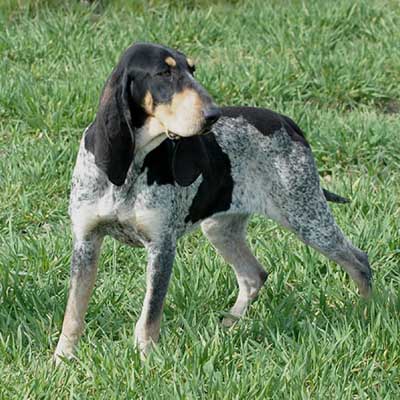
Grand Bleu De Gascogne
The Grand Bleu de Gascogne is a large, ancient breed believed to have descended from dogs kept by the Gauls and Phoenicians. Recognized for their historical importance and genetic contributions, they are one of the two primary breeds that have influenced the development of many modern hound types over the last thousand years or more. These dogs are adept hunters, known for their slow and steady approach, yet they are methodical and efficient, having been used for centuries to track significant game like deer, wolves, and boar—aptly reflected in their name, "grand," which denotes their impressive targets. Traditionally, they have hunted in packs, which has cultivated a friendly nature and a remarkably strong, almost musical voice that facilitates communication among pack members and with hunters. With a well-balanced temperament, they are typically sociable and amiable at home, but they display a lively enthusiasm when out in the field. Regrettably, the decline of pack hunting—partly due to evolving needs and the expenses associated with such practices—has made the Grand Bleu de Gascogne a rare breed. Their population has significantly decreased during periods of conflict and continues to diminish in contemporary times. However, passionate breed advocates are striving to sustain their numbers, albeit on a small scale. While this breed originates from France, its near-cult following in the United States has led many to perceive that they are more prevalent and favored there than anywhere else in the world.
Read more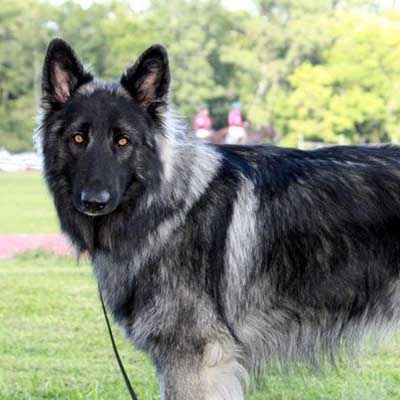
Shiloh Shepherd
The Shiloh Shepherd surpasses the German Shepherd in size and has been intentionally bred to enhance hip health. This breed is still in development, with roots tracing back to both the German Shepherd and the Alaskan Malamute. Renowned for their composed nature and self-assurance, Shiloh Shepherds are wonderful companions, marked by their amiable personalities and deep loyalty to their families. They possess a serious demeanor and high intelligence, showcasing notable bravery and fidelity. As a larger breed, they thrive on family engagement and take pleasure in being part of everyday activities. These dogs are quick to learn and respond positively to training, making early socialization and consistent, fair direction crucial for unlocking their full potential as companions. Their impressive stature and somewhat 'wolf-like' look enable them to serve as effective guard dogs, capable of deterring potential intruders. Shiloh Shepherds have coats that can range from smooth to plush, and they do shed regularly. This active breed needs plenty of exercise and enjoys a good workout. They relish challenges, making them ideal candidates for training and agility courses. Children will find this affectionate, teddy bear-like dog irresistible, and in return, they will receive steadfast love and loyalty from their Shiloh Shepherd.
Read more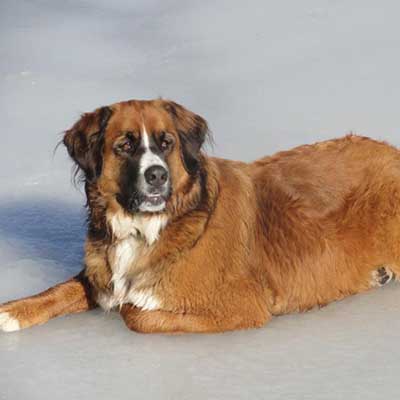
Mountain Mastiff
The Mountain Mastiff is a hybrid breed resulting from the combination of a Bernese Mountain Dog and a Mastiff. Weighing in at an impressive 150 to 200 pounds, these dogs are notable for their large stature. However, what truly sets them apart is their affectionate, gentle, and loyal nature towards their families. As guardians, their size and inherent caution around strangers equip them well for protection duties. They also demonstrate skills in tracking and weight pulling. Although they are intelligent, their sensitivity necessitates a gentle training approach. These devoted companions flourish in a family setting, making them exceptional pets.
Read more
New Rottland
The New Rottland is an extraordinary hybrid breed that merges the traits of the Newfoundland and the Rottweiler. Both parent breeds are known for their large size and gentle demeanor, making them excellent family companions while also serving as dependable guard dogs due to their impressive stature and steadfast loyalty. Typically, these dogs weigh approximately 130 pounds and stand between 28 to 30 inches tall. The New Rottland boasts a dense, medium-length coat that often displays a mix of black, brown, fawn, and cream, reflecting the unique coloration of the Rottweiler combined with the Newfoundland's fur. Renowned for their intelligence and playful disposition, these dogs thrive on interaction with children and other pets, relishing activities such as fetching balls and sticks.
Read more