Giant Dog Breeds
Giant dog breeds are generally classified based on average adult height and weight ranges.
Giant breeds weigh over 100 lbs. Their development happens in two phases—bone growth first, followed by muscle. They reach adulthood around 24 months. Lean growth is important to avoid joint and bone disorders. Calcium supplements should be avoided as they may contribute to deformities.
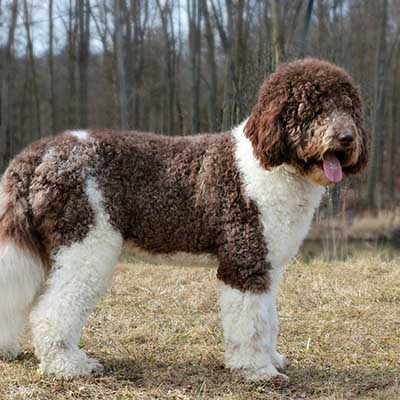
Saint Berdoodle
The Saint Berdoodle is a large hybrid breed created by crossing a Saint Bernard with a Poodle, typically inheriting traits from both parent breeds. This mix usually resembles the Saint Bernard in size while featuring a coat akin to that of a Poodle. Most Saint Berdoodles are primarily white with red markings, though some may display a red coat with white accents. Renowned for their loving disposition, these dogs thrive on human interaction and enjoy being the center of attention. They prefer to remain close to their families and should not be left alone for long periods. Furthermore, Saint Berdoodles generally get along well with children of all ages, but due to their size, it is advisable to supervise their interactions.
Read more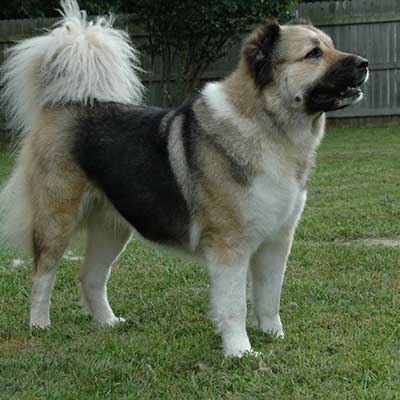
Caucasian Ovcharka
This ancient breed exudes a sense of strength and authority. Hailing from the rugged Caucasus Mountains, which lie between Europe and Asia, it is known by several names, the most common being the Caucasian Ovcharka or Caucasian Shepherd. These large dogs were originally bred to protect sheep from various threats, both human and animal. As a result, the temperament of the Caucasian Mountain Dog can vary widely. They can be affectionate and gentle with their families or, conversely, display aggressive and unruly behavior. The key to their demeanor often lies in the owner's approach to training, which should strike a balance between firmness and compassion. While their protective nature can be appealing, this breed may not be the best choice for inexperienced dog owners. Although these large, fluffy dogs were initially intended for guarding flocks, they are increasingly being kept as family pets. Nonetheless, their aggressive and protective instincts have historically hindered their popularity. As interest in the Caucasian Mountain Dog continues to rise, it is likely that selective breeding efforts will focus on moderating their overly protective traits.
Read more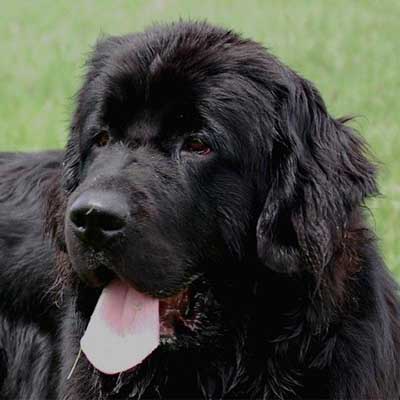
Newfoundland
The Newfoundland is a breed that originates from North America, specifically Newfoundland Island in Canada. While the exact beginnings of this breed are not entirely clear, it is thought that European fishermen introduced its ancestors to the island. Some theories propose that the Newfoundland may have descended from the white Great Pyrenees, while others suggest a connection to a French hound. Originally developed as a multi-purpose water dog and fishing aide, the Newfoundland has since become crucial in water rescue efforts. This sizable breed generally weighs between 130 and 150 pounds, with males reaching about 28 inches in height and having a body that is slightly longer than it is tall. With their sturdy build and strong bones, Newfoundlands have the power needed to rescue individuals from drowning, even in rough waters. Their webbed feet and water-resistant fur aid in swimming, while their strong, effortless gait enhances their ability to pull effectively.
Read more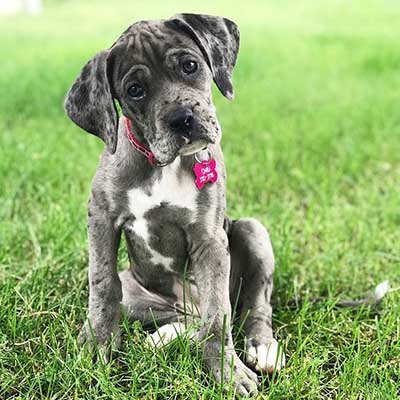
Boxane
Numerous owners consider the Boxane, a crossbreed between the Boxer and Great Dane, to be a remarkable combination of both parent breeds. The characteristics and behavior of these hybrids can vary widely, even among puppies born in the same litter, primarily due to the dominance of certain genes. Typically categorized as a large breed, Boxanes usually weigh anywhere from 60 to 150 pounds. Renowned for their lively disposition, these dogs need consistent exercise, which includes long walks and trips to the dog park. If you are in search of a devoted companion with a notable presence, the Boxane might be the ideal choice for you.
Read more
Greater Swiss Mountain Dog
The Greater Swiss Mountain Dog, commonly known as the Swissy, is a gentle and affectionate breed that delights in making its owners happy. Although they are intelligent and can sometimes be a bit headstrong, their steadfast loyalty more than makes up for these tendencies. Generally, they are calm around children, other animals, and friendly guests, but they also make excellent watchdogs thanks to their sharp awareness. Originating from Switzerland, this breed has a rich history that dates back nearly 2,000 years, making it one of the oldest dog breeds in the country. Originally developed for herding, guarding, and draft work, the Greater Swiss Mountain Dog has transformed into a versatile companion, thriving in various activities such as competitive obedience, carting, tracking, and protection.
Read more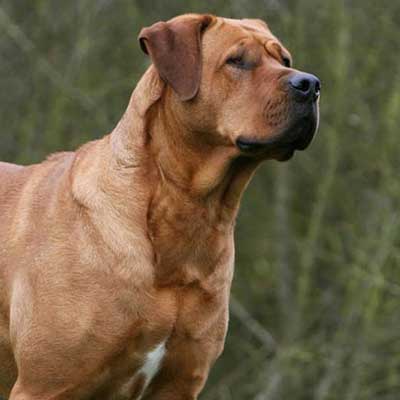
Tosa Ken
The Tosa is a sizable breed that was initially developed for dog fighting, recognized for its impressive looks and determined temperament. This breed is not ideal for novice dog owners, as it requires a skilled handler capable of establishing authority. Given its intricate background, the Tosa is not recommended for families with young children or other animals. It often displays aggression towards same-sex dogs and necessitates a sturdy, tall fence when outdoors without supervision. Continuous training is crucial to ensure the Tosa does not try to take control of the household hierarchy.
Read more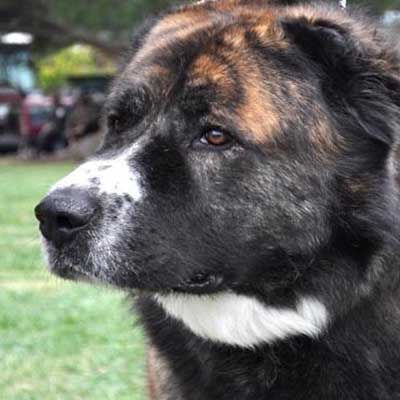
Kuchi
The Kuchi is a rare breed specifically bred for the purpose of guarding and protection. Renowned for their athletic build, speed, and agility, these dogs also exhibit impressive endurance. While the Kuchi is not officially acknowledged by any kennel clubs in the Western world, they are cherished in their native lands of Afghanistan and Pakistan. This breed is typically quite cautious around unfamiliar people, often requiring a significant amount of time to become comfortable with new faces. It’s crucial to understand that they are unlikely to greet strangers with warmth. To prevent the Kuchi from developing aggressive behaviors towards outsiders, early socialization is vital.
Read more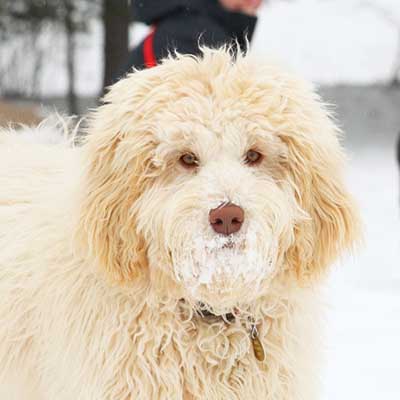
Mastidoodle
The Mastidoodle is a large hybrid breed created by crossing a Mastiff with a Standard Poodle. These dogs usually stand as tall as 30 inches and are characterized by their sturdy build and dense, wavy coats. Their fur can easily become matted if not groomed regularly, which means they need a good deal of upkeep. Often dubbed the "teddy bear" of dogs, Mastidoodles are known for their gentle and calm demeanor, making them wonderful companions for families of all shapes and sizes.
Read more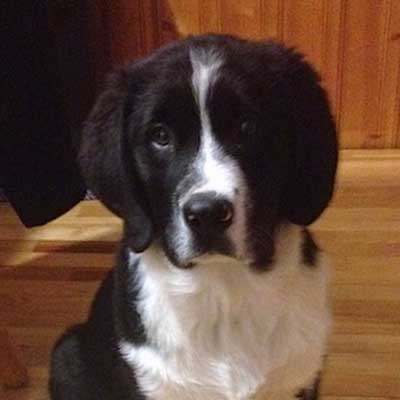
Swiss Newfie
The Swiss Newfie is a large hybrid breed created by intentionally crossing the Greater Swiss Mountain Dog, the oldest and largest of the Sennenhund breeds from the Swiss Alps, with the Newfoundland, a notably large and gentle breed that excels in water. Although they are quite sizable, Swiss Newfies typically require only moderate exercise, averaging about an hour of physical activity each day. Some may need more grooming, particularly those that inherit the Newfoundland's thick, fluffy coat. While these dogs can be quite playful during their lengthy adolescence, they are generally dependable and affectionate companions, showing a strong sensitivity to their family's emotions.
Read more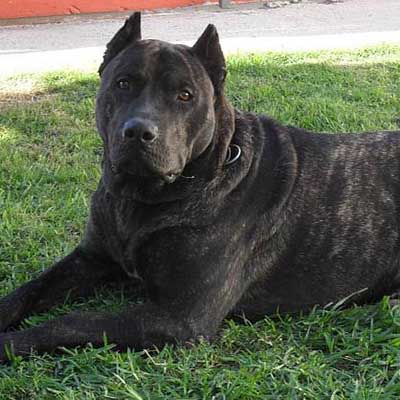
Gran Mastin de Borinquen
The Gran Mastin de Borinquen, a breed native to Puerto Rico, has traditionally been used as a guard dog and has participated in blood sports. Believed to have originated in the 16th century, this ancient breed is a descendant of the Spanish Mastiff and various local canines. While their primary role has been protection, they have also been involved in dog fighting and hunting wild boar. Their tenacious character has made them a favored choice in Puerto Rico, but their sometimes unpredictable behavior may not be ideal for families with young children. Known for their loyalty, the Gran Mastin de Borinquen requires a strong and assertive owner to ensure they are properly managed.
Read more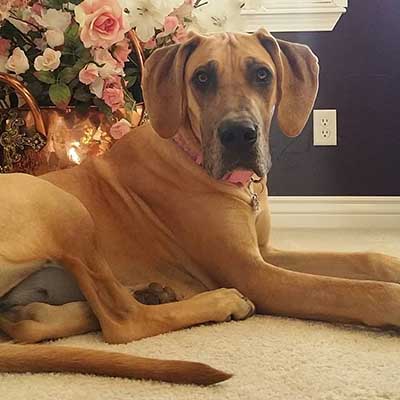
Great Golden Dane
The Great Golden Dane is a large, intelligent, and loyal hybrid breed, born from the union of the Great Dane and the Golden Retriever. This mix is generally very sociable, welcoming both people and other pets, including children of all ages. However, their playful nature, particularly in their youth, can sometimes result in minor mishaps when they engage with smaller kids. Although their impressive size might imply they could function as guard dogs, their inherently friendly nature usually keeps them from exhibiting protective behaviors, with a few exceptions to this trend.
Read more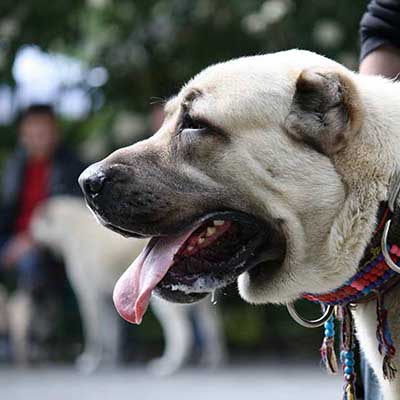
Kangal Dog
The Kangal Dog, a large breed that resembles a Mastiff, originates from Turkey. This breed has traditionally served as a protector of livestock, safeguarding them from various predators. As a true livestock guardian, the Kangal is equipped with a natural protective instinct and thrives with early socialization. Unlike many other breeds in this category, Kangals are generally more friendly towards people and particularly enjoy being around children. It is crucial to have a strong fence, as these dogs do not recognize property boundaries and can cause considerable disruptions in the neighborhood if not properly contained. Furthermore, the Kangal may show aggression towards other dogs and can be defensive when unfamiliar individuals approach their territory.
Read more