Cesky Terrier
Czesky Terrier, Ceský Teriér, Bohemian Terrier, Czech Terrier
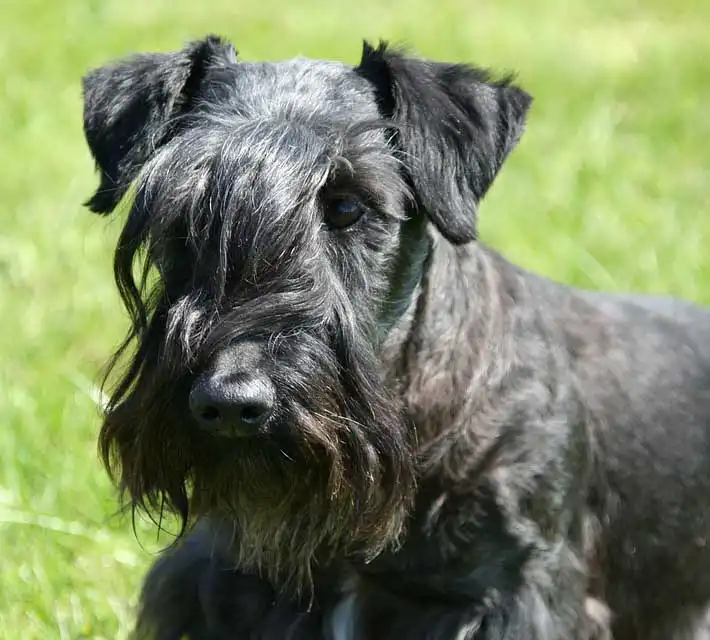
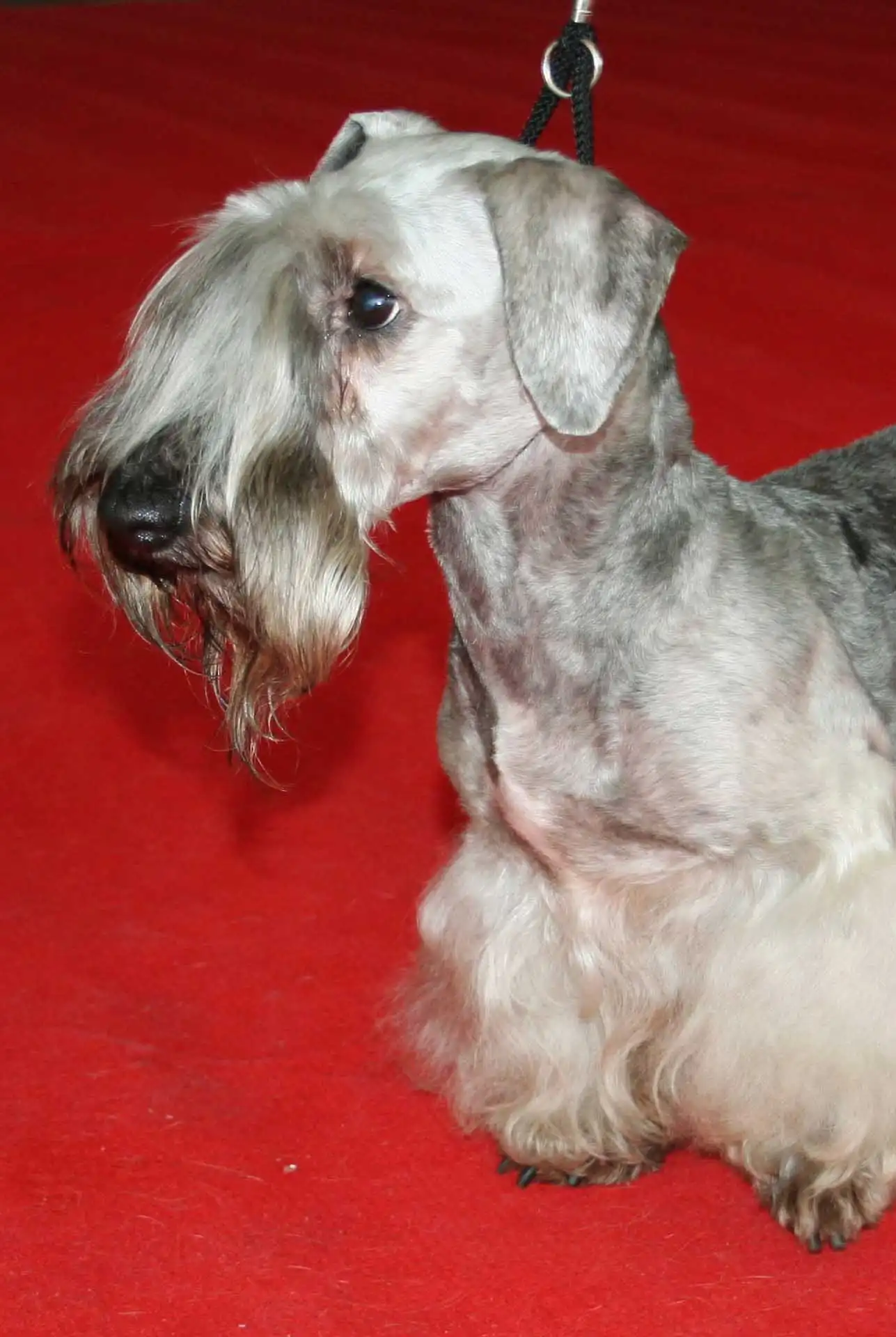
This delightful little Terrier, known for its stylish haircut, was developed by Czech breeder Frantisek Horak in 1948. The aim was to create a compact dog that could hunt in the Bohemian forests without becoming ensnared in the burrows of its prey. The Cesky Terrier is distinguished by its sturdy, rectangular physique, short legs, drooping ears, and an untrimmed tail, with a coat that can range from various shades of gray to occasional brown. Unlike many other Terriers, Ceskies are recognized for their serene and gentle nature, displaying lower energy levels; any hint of aggression is deemed a disqualification for the breed. The Cesky's coat should be kept neatly trimmed, while the hair on its face and underbelly should be left longer and groomed daily.
Breed Origin
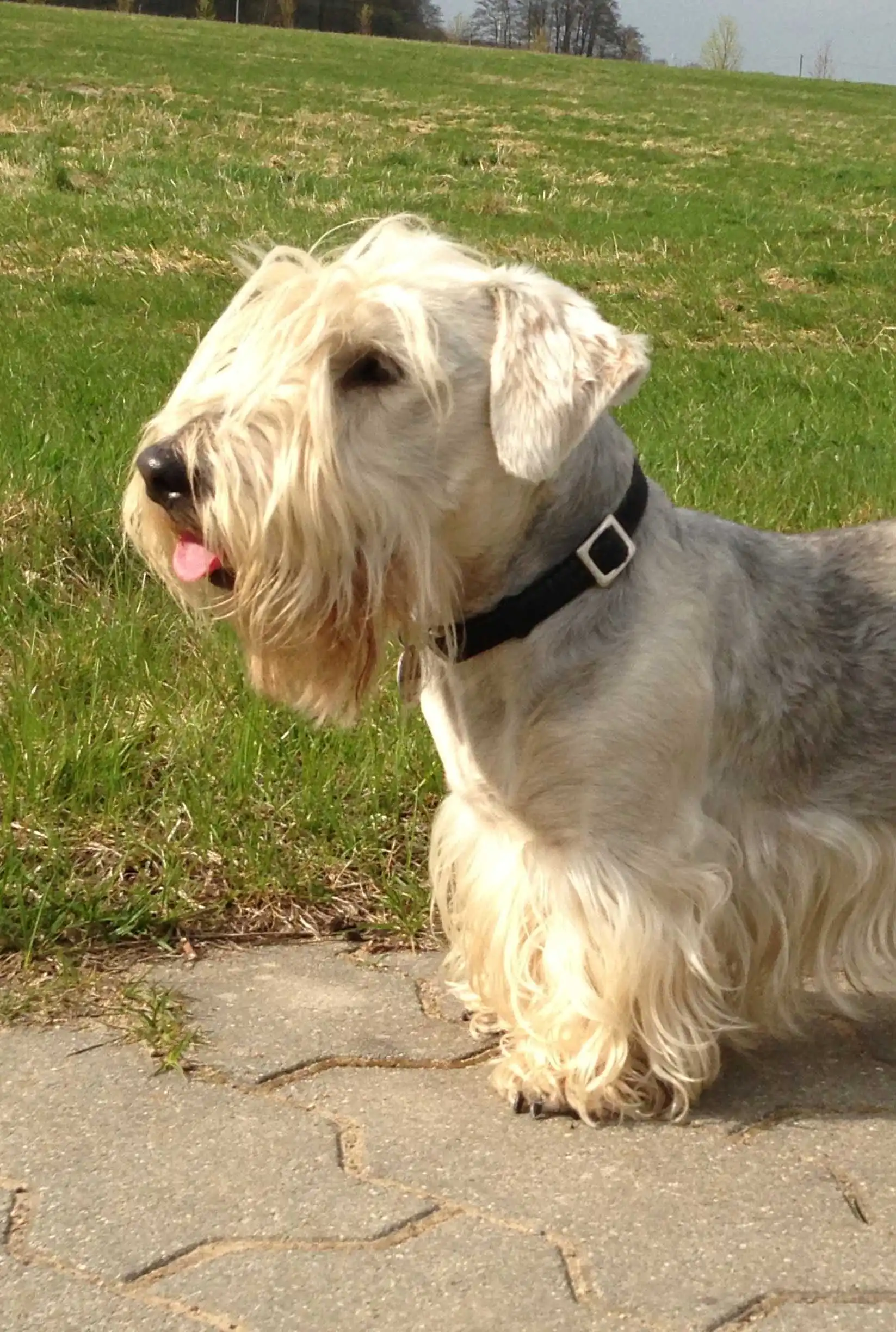
Have you ever realized how closely "Cesky" (pronounced ches-ky) resembles "Czech"? This similarity is intentional, as the Cesky Terrier was developed by Czech breeder Frantisek Horak in 1948 in Czechoslovakia. Horak created this breed by crossing the Sealyham and Scottish Terriers, which may account for the presence of some Scottish traits in certain Cesky Terriers. His objective was to breed the perfect hunting dog for the Bohemian forests, specifically one capable of tracking rats and foxes back to their dens. To accomplish this, he sought a dog with a slender head and chest, allowing it to maneuver into burrows after its quarry. Furthermore, Horak emphasized the importance of a friendly disposition in his breeding program. The Cesky Terrier, known for its sociable nature, made its debut in the United States during the 1980s, leading to the formation of the Cesky Terrier Club in 1988. In 2004, the American Cesky Terrier Fanciers Association was established and later recognized by the AKC. By mid-2011, the breed was officially included in the AKC stud book, enabling it to compete in the Terrier group in the U.S. While the Cesky is recognized by all major kennel clubs in English-speaking countries, it remains one of the six rarest dog breeds worldwide, with fewer than 600 individuals in the United States, thus classifying it as a minority breed.
Breed Appearance
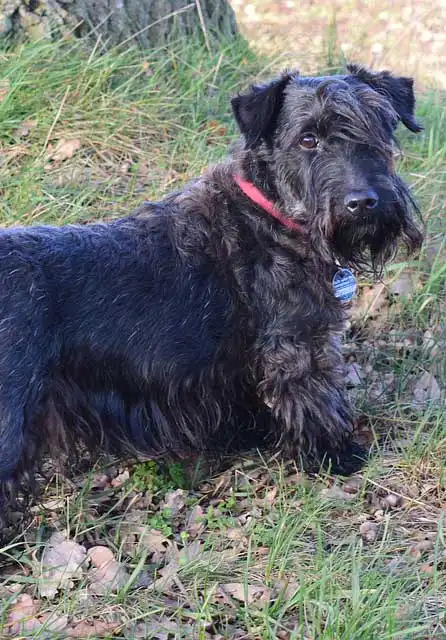
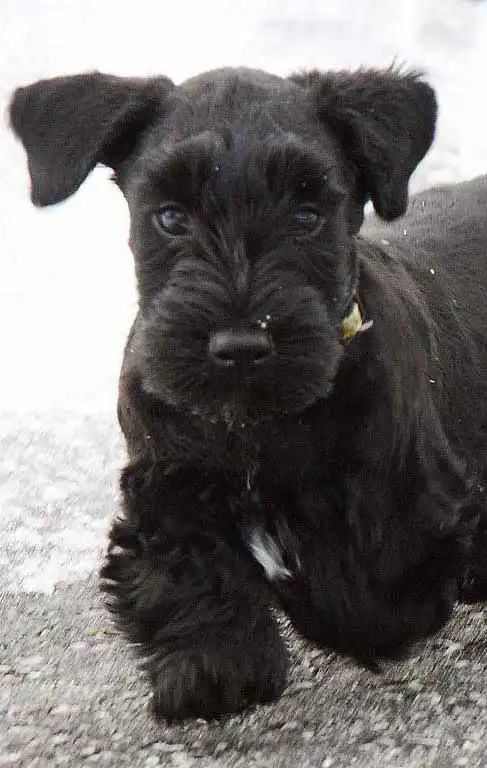
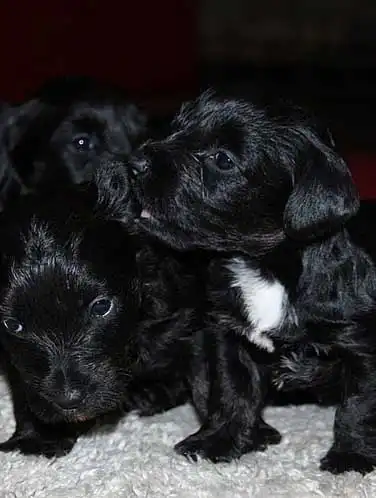
This breed, known for its short legs and elongated body, closely resembles the Sealyham Terrier. The Cesky Terrier is distinguished by its longer, wedge-shaped head, which is complemented by a beard and bushy eyebrows. Its drooping ears add to its overall endearing look. When the dog is joyful or energetic, it carries its tail horizontally. The Cesky's almond-shaped brown eyes radiate a friendly demeanor. With a sturdy yet nimble physique, this breed is not bulky, and its coat is both silky and wavy. The coat comes in various shades of brown or gray/blue, often highlighted with tan, gray, white, yellow, or light coffee markings. Cesky puppies are born with a black coat that typically lightens over a span of up to three years. In terms of eye color, brown-coated dogs have yellow eyes, while those with gray/blue coats have brown eyes. Furthermore, the color of the nose and lips varies: brown dogs exhibit liver-colored features, while gray/blue dogs have black noses and lips.
Care Routine
The Cesky Terrier is recognized for its hypoallergenic qualities, but it still needs to be brushed or combed once or twice a week. This breed has minimal shedding, making regular grooming important to remove dead hair. To avoid matting, it's recommended to use electric clippers for trimming its soft fur every month or every other month. Additionally, maintaining cleanliness around the eyes is essential to prevent infections. During grooming, it's also crucial to trim the hair in the ear canal to prevent dirt and bacteria buildup. Regularly trimming the feet and shaping the beard is necessary, along with checking for any leftover food after meals. Some owners choose to utilize professional grooming services that include nail trimming. The Cesky Terrier has a robust appetite, so regular exercise is essential. This breed makes an excellent jogging partner and thrives on an active lifestyle. While it prefers moderate climates, it can adjust to both warm and cool environments, as long as precautions are taken during extreme weather. With adequate exercise, the Cesky can comfortably adapt to apartment living.
Behavior & Temperament
The Cesky Terrier is naturally calm, a trait that is essential to the breed's identity. Any display of aggression is deemed a disqualifying factor. Renowned for their playful, loyal, brave, and protective demeanor, Cesky Terriers make patient companions, especially with children. They are generally more trainable than many other Terrier breeds and are known for their quieter, more composed nature. This breed not only demonstrates obedience but also possesses intelligence, excelling in activities like earth dog trials, agility, obedience, and tracking. To cultivate a positive temperament, early socialization with both humans and other animals is vital. While Cesky Terriers can be friendly towards strangers, they also exhibit a protective and spirited nature. Typically, they get along well with other pets in the home, making them a fantastic addition to any family. As a loyal companion, the Cesky Terrier is an excellent option for therapy work and is particularly suitable for first-time dog owners.
Play & Exercise
Things to Know
Cups Per Day
2.3 Cups
Daily Activity
45 Minutes
Average Lifespan
14 Years
Origin
1940s
Type
Pure Breeds
Size
Small
Origin Country
Czech Republic
Brush Frequency
Weekly
Coat Texture
Wavy
Register
Your kids have been begging for a pet forever, and you've recently decided that it's time for your family to get a new addition -- a dog! While everyone is excited for the new arrival, you're wondering if you need to have a dog license. How much does it cost? Is it required? Where do you get one?
Member Clubs

PETINNATE
Terrier

AKC
Terrier Group

UKC
Terrier
Height & Weight
Weight
18 lbs (8 kg)Male: 18 lbs (8 kg) , Female: 18 lbs (8 kg)
Height
12 inches (30 sm)Male: 12 inches (30 sm) , Female: 12 inches (30 sm)
6 Months
8 lbs ( m 8 lbs, f 8 lbs )
6 inches ( m 6 inches, f 6 inches )
12 Months
14 lbs ( m 14 lbs, f 14 lbs )
11 inches ( m 11 inches, f 11 inches )
18 Months
18 lbs ( m 18 lbs, f 18 lbs )
11 inches ( m 11 inches, f 11 inches )
Eye Colors
Brown

Nose Colors
Black
Coat Colors
Brown
Gray