Malti-Poo
Malti-Doodle, Malt-A-Doodle, Maltidoodle, Maltedoodle, Malt-oodle, Malt-A-Poo, Malta-Poo, Malta Poo, Malti-Poodle, Malte-Poo, Maltepoo, Maltesepoo, Maltese-Poodle, Maltesedoodle, Moodle
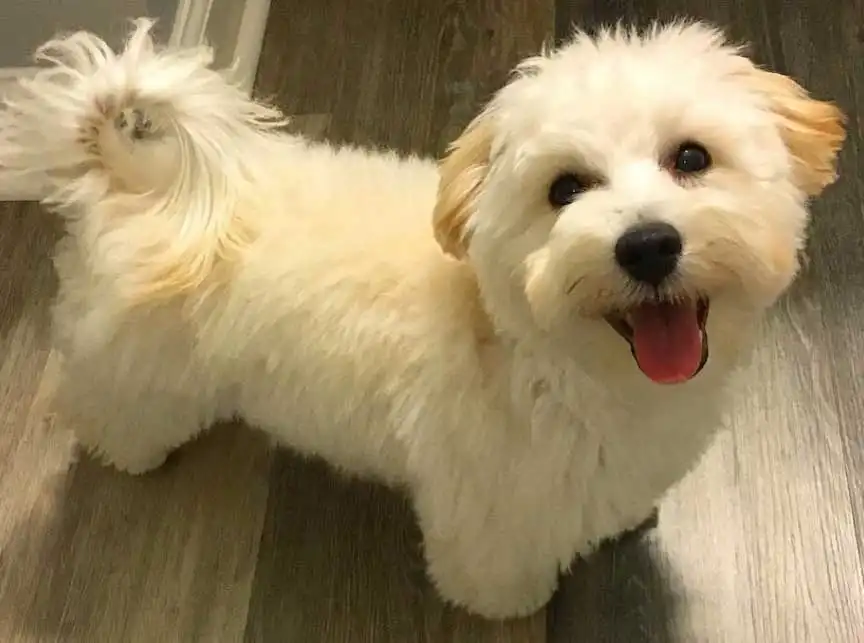
The Malti-Poo, a delightful blend of Maltese and Toy Poodle, was purposefully created to serve as a small, affectionate companion. This endearing hybrid boasts hypoallergenic qualities, does not shed, and is exceptionally trainable. Generally weighing between 5 to 20 pounds and standing 8 to 14 inches tall, this soft and cuddly little dog is bound to win over anyone in its vicinity—if it doesn’t, they might just be lacking a heart! Beyond its adorable appearance, the Malti-Poo is known for its affectionate nature, gentle demeanor, lively spirit, intelligence, and loyalty, making it a fantastic (and did I mention snuggly?) addition to any household, often seeking a warm spot on your lap.

Breed Origin
The Malti-Poo is a charming hybrid breed that results from crossing the Maltese with the Toy Poodle. Although its precise origins are somewhat ambiguous, it is widely believed to have been created in the United States primarily for companionship. This affectionate mix certainly fulfills that purpose. The Malti-Poo is recognized by various organizations, such as the American Canine Hybrid Club, Designer Dogs Kennel Club, Designer Breed Registry, and the International Designer Canine Registry. To gain a deeper understanding of the Malti-Poo's heritage, it's beneficial to look into the histories of its parent breeds. The Maltese is one of the oldest dog breeds, with its ancestry dating back to at least 3500 B.C. in Malta, situated off the southern coast of Italy, where it was treasured as a companion animal. As the oldest of the European toy breeds, the Maltese eventually found its way to Britain and America, where it became increasingly popular. The breed made its first appearance in the show ring in England in 1859 and was showcased at the Westminster show in America in 1877. Over the years, the Maltese has formed close connections with royalty, celebrities, and everyday individuals in Italy, Britain, and America. It received official recognition from the American Kennel Club in 1963. Conversely, the Toy Poodle is one of three recognized sizes of Poodles, with its origins rooted in France and Germany, though the exact date of its emergence is not well-documented. The Standard Poodle is regarded as one of the oldest dog breeds, with the Toy Poodle appearing later. Poodles have been utilized since the 1400s for various purposes, including hunting, retrieving, and companionship. While they may seem like fluffy companions basking in their owners' affection at dog shows, their original role was much more practical. Bred initially as water dogs, Poodles were designed with water-resistant coats to aid in retrieving game for their owners. It may surprise you to learn that these elegant dogs were once highly valued for their hunting prowess! The breed's distinctive water-resistant coat remains a hallmark feature, and it is what audiences expect to see in the show ring. The grooming styles commonly associated with Poodles today have their roots in practices from centuries past, where specific areas of their coats were trimmed to prevent them from becoming weighed down or snagged on underwater obstacles. Often characterized as elegant, proud, and intelligent, Poodles also exhibit a warm and loving disposition, making them excellent family pets. The Poodle was officially recognized by The Kennel Club in England in 1874 and by the American Kennel Club in 1886.
Breed Appearance
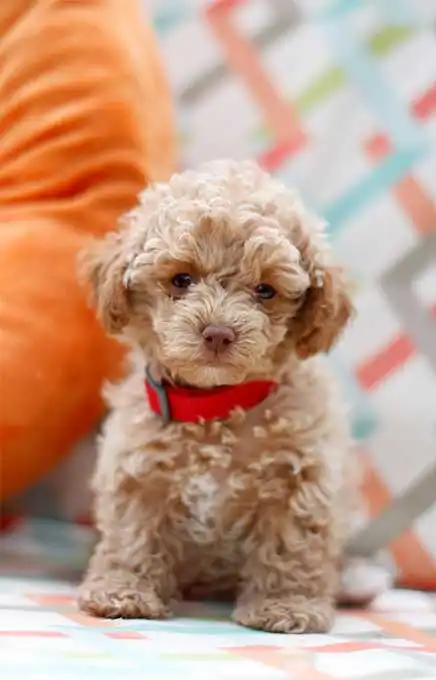
The Malti-Poo is a charming crossbreed that combines the characteristics of the Maltese and the Toy Poodle. Generally, these dogs weigh between 5 and 20 pounds and reach a height of 8 to 14 inches at the shoulder. Their coats can range from medium to long and may exhibit slight curls, waves, or a silky texture. Malti-Poos come in a variety of colors, including cream, white, silver, apricot, black, blue-gray, brown, and café-au-lait. They possess medium-length, floppy ears, a black nose, and endearing dark or blue eyes, especially in those with lighter fur. This hybrid typically has a somewhat square body shape and a tail that may either curl over its back or have a gentle hook.

Care Routine
Your Malti-poo typically requires very little grooming, usually just a weekly brush. This breed is hypoallergenic and doesn’t shed, making it a great choice for those with respiratory conditions or asthma. It’s essential to inspect and clean their ears weekly to avoid infections. Furthermore, brushing their teeth two to three times a week, or ideally every day, can help prevent gum disease and tooth loss. You should also gently wipe around their eyes several times a week to keep them clean and healthy. Nail trimming should occur at least once a month, unless your dog naturally wears them down through regular activity. This breed tends to have a low odor and minimal drooling, so baths should only be given when absolutely necessary.
Behavior & Temperament
The Malti-Poo, a delightful cross between the Maltese and Toy Poodle, can inherit a mix of traits from both parent breeds. Owners and breeders often describe this endearing hybrid as affectionate, alert, energetic, gentle, intelligent, lively, and loving. Your Malti-Poo will likely relish snuggling in your lap for extended periods, but don’t overlook its playful nature; this spirited little dog can spring into action at any moment, eagerly pursuing a ball or toy. If you’re ready for it, be prepared for engaging play sessions that can stretch on for hours. While your Malti-Poo typically gets along well with older children, it’s advisable to supervise interactions with younger kids to avoid any accidental injuries during play. This hybrid is also likely to be friendly with the family cat, but early socialization with both children and other pets is essential for fostering harmonious relationships down the line. When encountering strangers, your Malti-Poo may bark to alert you, demonstrating its protective instincts. This breed is not only intelligent but also sensitive, making training relatively straightforward when you employ positive reinforcement methods. Using harsh language or yelling can lead to fearfulness and withdrawal in your pet. Although this lively little dog enjoys playtime, it doesn’t necessarily need long walks to maintain its fitness and health.


Play & Exercise
Your Malti-Poo will absolutely relish daily strolls with you, as he loves being outdoors and spending time with his favorite people. He finds joy in playing and romping at the dog park or in a secure backyard, happily engaging in games of fetch and Frisbee. Whether chasing a toy or a ball, he can entertain himself for hours, helping to expend his considerable energy. Due to his cleverness, it’s crucial to keep his mind engaged to avoid any destructive behaviors that boredom might trigger. Activities like obedience training and agility exercises are fantastic ways to provide that mental stimulation. This mixed breed is well-suited for apartment or condo living, as well as family homes, regardless of whether there’s a fenced yard. He can thrive in both urban and rural settings and adapts well to various climates, although he has a preference for warmer weather. It’s important to ensure he has adequate protection during colder temperatures to maintain his safety and well-being.
Things to Know
Cups Per Day
1.0 Cups
Daily Activity
40 Minutes
Average Lifespan
13 Years
Origin
Unknown
Type
Crossbreeds
Size
Small
Origin Country
United States
Brush Frequency
Weekly
Coat Texture
Wavy
Register
Your kids have been begging for a pet forever, and you've recently decided that it's time for your family to get a new addition -- a dog! While everyone is excited for the new arrival, you're wondering if you need to have a dog license. How much does it cost? Is it required? Where do you get one?
Member Clubs

PETINNATE
Other
Height & Weight
Weight
13 lbs (6 kg)Male: 13 lbs (6 kg) , Female: 13 lbs (6 kg)
Height
11 inches (28 sm)Male: 11 inches (28 sm) , Female: 11 inches (28 sm)
6 Months
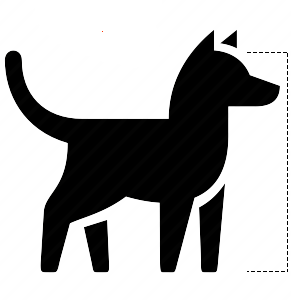
9 lbs ( m 9 lbs, f 9 lbs )
8 inches ( m 8 inches, f 8 inches )
12 Months
12 lbs ( m 12 lbs, f 12 lbs )
11 inches ( m 11 inches, f 11 inches )
18 Months
12 lbs ( m 12 lbs, f 12 lbs )
11 inches ( m 11 inches, f 11 inches )
Eye Colors
Blue

Brown
Nose Colors
Black
Coat Colors
White
Silver

Blue
Cream
Brown
Gray
Black