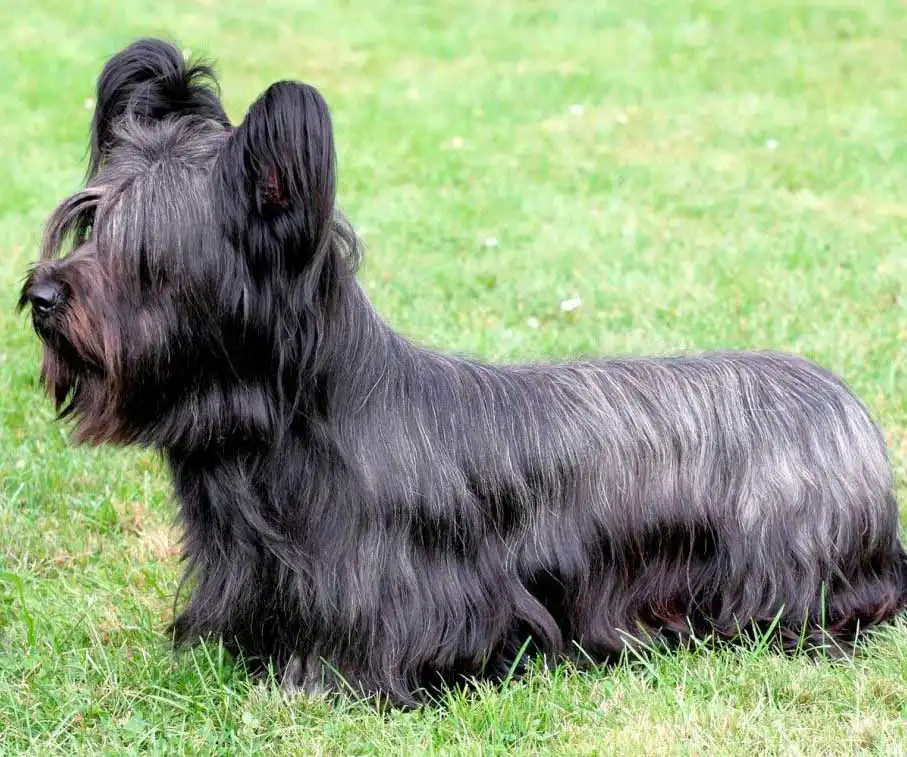
Skye Terrier
Terrier of the Western Isles
Once hailed as the darlings of Victorian society, these sturdy little terriers now find themselves among the most endangered dog breeds. Initially developed by farmers on the Skye Islands for the purpose of hunting badgers, foxes, and otters, they eventually captured the attention of the English royal family. Queen Victoria was particularly fond of these dogs, and they reached the peak of their popularity in the late 19th century, although they currently hold the 178th position in terms of popularity. While they can adjust well to living in apartments with moderate exercise, they tend to bark excessively. These clever yet independent dogs can present challenges in training; they are generally affectionate with their families but may be aloof with strangers and can show aggression towards other dogs.
Breed Origin
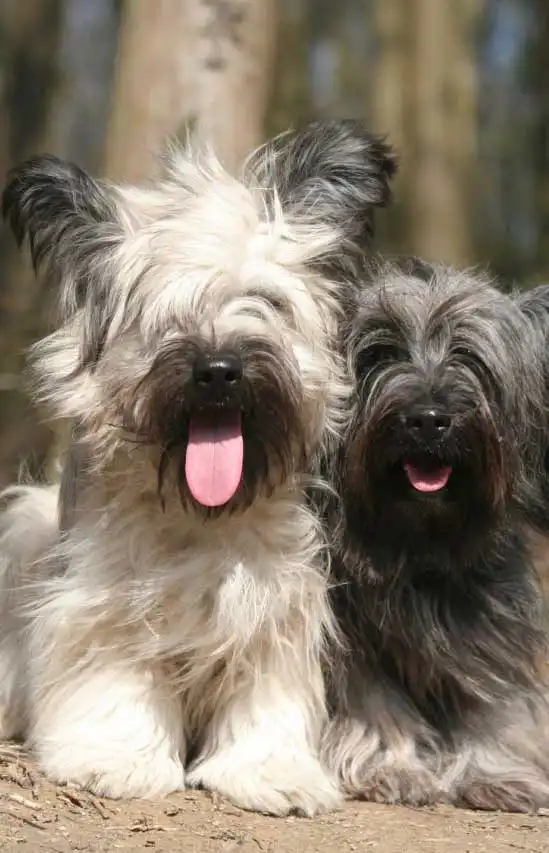
The Skye Terrier hails from the Isle of Skye in northwestern Scotland, where it was originally bred to hunt badgers, foxes, and otters in their dens. These tenacious little dogs were known for their willingness to enter water in pursuit of their quarry, and they still exemplify a bold and intelligent nature today. In the mid-16th century, this friendly breed captured the attention of English nobility, quickly becoming a favorite among the upper class. Queen Victoria acquired a Skye Terrier in 1842 and began breeding them in her expansive royal kennels. This era marked a significant rise in the breed's popularity throughout England, appealing not only to the aristocracy but also to the general populace, largely due to the tale of Greyfriars Bobby. Bobby was the loyal companion of a night watchman named John Gray from 1856 until Gray's death from tuberculosis in 1858. After following the funeral procession to his master’s grave, Bobby remained by the site for the next fourteen years until his own death. Skye Terriers made their first appearance at some of the earliest major dog shows in Birmingham during the 1860s, and the first breed club was founded in 1876. The American Kennel Club recognized the breed in 1887. While the Skye Terrier's popularity has waned since the 1800s, it is now regarded as a rare breed. Nonetheless, it retains a devoted fan base and continues to perform admirably in major dog shows, showcasing the loyalty and dedication that define this extraordinary breed.
Breed Appearance
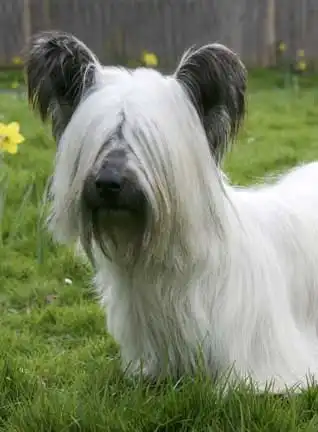
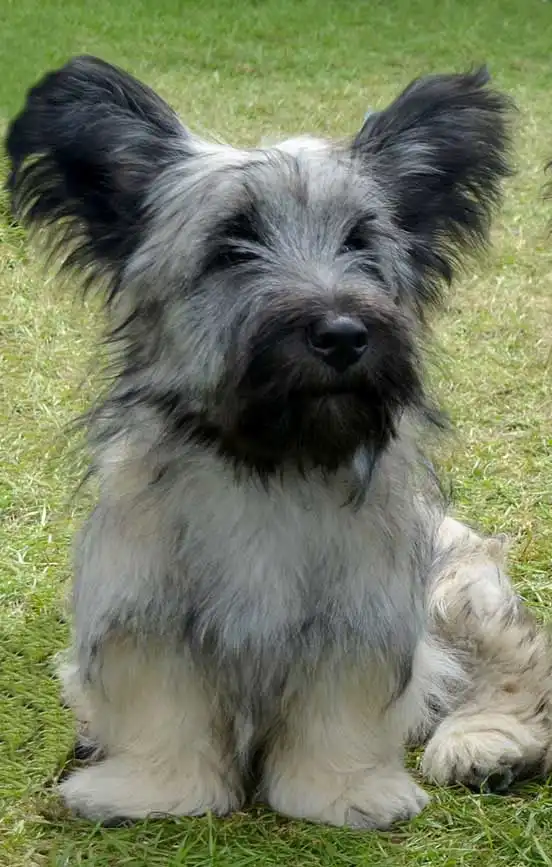
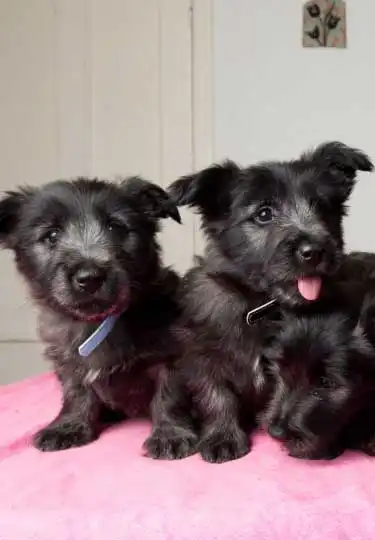
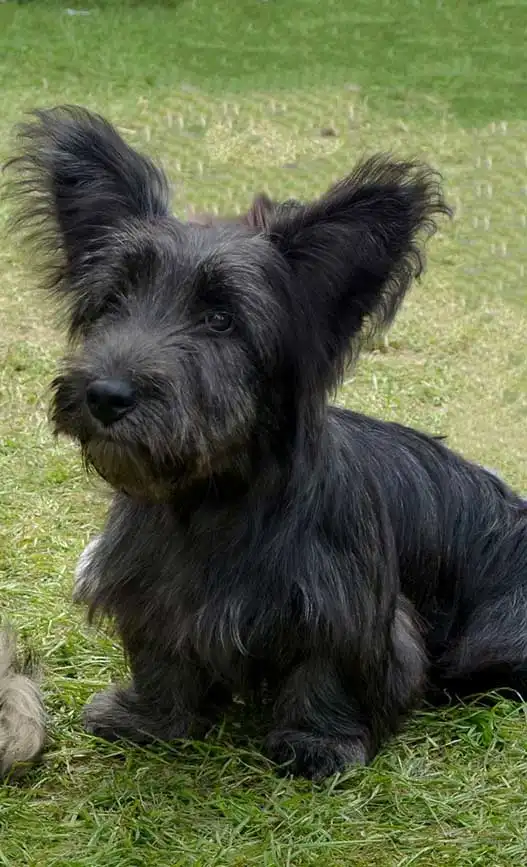
The Skye Terrier is a breed known for its elongated body, typically measuring about twice its height in length. This unique shape allows them to adeptly navigate the burrows of badgers, foxes, and otters—animals for which they were originally bred to hunt. Their sturdy build and strong skeletal structure prepare them to confront these creatures once located. The breed features a long, powerful head with a robust muzzle, complemented by bright, intelligent eyes and ears that are richly feathered. Their tail is also long, straight, and feathered, while their large paws are equipped with thick pads and strong nails. Skye Terriers possess a soft, woolly undercoat covered by a luxurious layer of long fur that parts from head to tail, with facial hair flowing down like a veil over their eyes. They come in a variety of colors, including black, blue, cream, fawn, gray, platinum, and silver, with the most common markings being dark accents on the ears, muzzle, and tail tip.
Care Routine
The bathing requirements for this breed are largely influenced by their way of life. A pet dog that mostly resides indoors may only need baths occasionally, whereas a show dog or one that spends a lot of time outside may require more frequent washing. When you bathe your Skye Terrier, it's advisable to dilute the shampoo or gently massage it into the coat to avoid damaging the outer hair layer. Regular brushing, ideally once or twice a week, is essential to reduce shedding, prevent tangles, and keep the coat healthy and free of dust. During grooming sessions, it's important to inspect for parasites, skin problems, or hidden injuries, as their long fur can hide various issues. Like many breeds, Skye Terriers need daily exercise, but they do not have the endurance for extended hikes or jogging. A brief stroll around the neighborhood or an active game of fetch should suffice to keep your furry companion happy and healthy.
Behavior & Temperament
This breed is celebrated for its exceptional loyalty and dedication, yet it also has an independent streak that can make training a challenge. Generally, they are loving and sociable with their families, but they might be cautious around strangers and other animals. To mitigate these behaviors, early and comprehensive socialization is essential, along with obedience training to help direct their energy in a positive way. The Skye Terrier is quite active, but regular short walks or energetic playtime can effectively regulate their activity levels. Although they may bark excessively, they can adapt to apartment living. However, it’s crucial not to leave them unsupervised in a yard, as they are skilled diggers with a strong instinct to chase, which can lead to trouble. While they can be wonderful companions for older children, many Skye Terriers may not respond well to younger or more rambunctious kids.
Play & Exercise
Things to Know
Cups Per Day
1.0 Cups
Daily Activity
60 Minutes
Average Lifespan
13 Years
Origin
1500s
Type
Pure Breeds
Size
Medium
Origin Country
Scotland
Brush Frequency
Weekly
Coat Texture
Straight
Register
Your kids have been begging for a pet forever, and you've recently decided that it's time for your family to get a new addition -- a dog! While everyone is excited for the new arrival, you're wondering if you need to have a dog license. How much does it cost? Is it required? Where do you get one?
Member Clubs

PETINNATE
Terrier

AKC
Terrier Group

UKC
Terrier
Height & Weight
Weight
35 lbs (16 kg)Male: 40 lbs (18 kg) , Female: 30 lbs (14 kg)
Height
10 inches (25 sm)Male: 10 inches (25 sm) , Female: 9 inches (23 sm)
6 Months
15 lbs ( m 15 lbs, f 15 lbs )
6 inches ( m 6 inches, f 6 inches )
12 Months
25 lbs ( m 25 lbs, f 25 lbs )
7 inches ( m 7 inches, f 7 inches )
18 Months
30 lbs ( m 30 lbs, f 30 lbs )
9 inches ( m 9 inches, f 9 inches )
Eye Colors
Brown

Nose Colors
Black
Coat Colors
Black
Gray
Cream
Fawn
Blue
Silver
Sable
Characteristics
Mixes
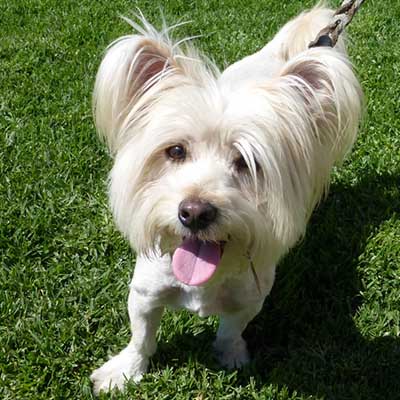
Skypoo
The charming Skypoo is a delightful blend of the Skye Terrier and Poodle. This hybrid can be produced using either standard or miniature Poodles, resulting in a size that ranges from medium to large. Renowned for their loyalty and affection, Skypoos quickly become beloved members of any family. Both parent breeds were initially bred for hunting, and although modern Poodles are primarily kept as companions, they still retain those natural hunting instincts. As a result, Skypoos often exhibit a tendency to explore and roam. Their intelligence and desire to please make them exceptionally trainable. Furthermore, their minimal exercise needs make them an ideal choice for busy families residing in urban settings.
Read more