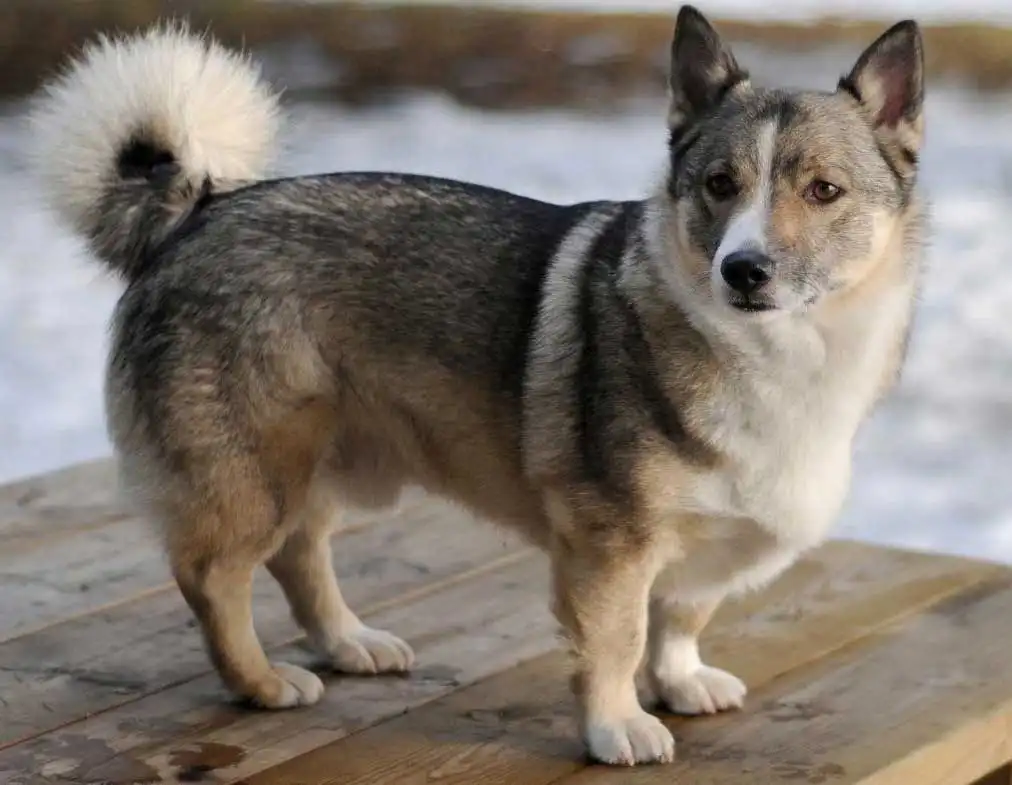
Swedish Vallhund
SV, Vallhund
The Swedish Vallhund, a breed renowned for its powerful yet elegant movement, traces its origins back over 1,200 years to the Viking age in Sweden. This breed boasts a well-documented and rich history. With its distinctive sable coat and sturdy, muscular physique, the Vallhund is an active herding dog that shares similarities with the Corgi. Like its counterpart, it has an innate tendency to nip at the heels of livestock, which helps prevent head injuries. Traditionally, this breed was adept at tracking and hunting small game, making it a popular choice among workers. Beyond its impressive working skills, the Vallhund is also celebrated for its affectionate nature, manageable size, and low-maintenance coat. While it continues to be an effective herder, its playful and gentle personality makes it an excellent family pet. This breed has high energy levels and thrives on energetic play and regular exercise. Its herding instincts also lend it a watchful disposition, often leading it to bark as a precaution against potential intruders. Maintaining a Swedish Vallhund's coat is simple; regular brushing reduces shedding and removes loose hair.
Breed Origin
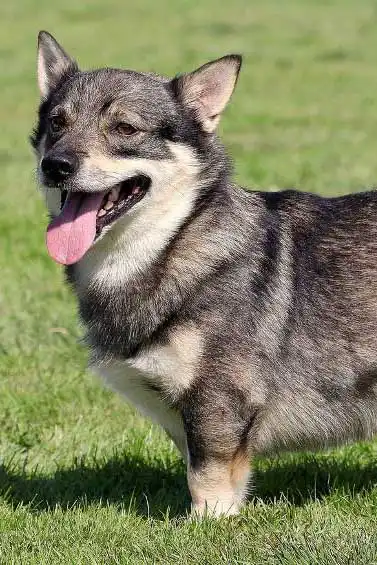
The Swedish Vallhund is thought to trace its origins back to the Vikings in Sweden more than a thousand years ago. Its name, which translates to “Viking Dog” or “Vikingarnas Hund,” highlights this historical connection. While documentation from that era is scarce, recent studies indicate that the breed was introduced to Wales, where it began to interbreed with the Corgi, likely due to their similar physical traits. Additionally, the Swedish Vallhund is related to the Spitz family. Historically, this breed functioned as a farm dog, adeptly herding sheep by nipping at their ankles to capture their attention. Its small stature and nimbleness enabled it to carry out this role effectively while avoiding injury. In 1942, Mr. Bjorn von Rosen of the Swedish Kennel Club took the initiative to safeguard older Swedish breeds by establishing a breeding program dedicated to the Swedish Vallhund. The first Vallhund was brought to England in 1974, and in 1980, the Swedish Vallhund Society was formed after the breed received recognition from the UK Kennel Club. By 1985, two Swedish Vallhunds arrived in California, following Marilyn Thell's trip to England, where she developed a fondness for the breed and subsequently imported two more to the United States. The first litter of Swedish Vallhunds was born in 1986, thanks to Jonricker Kenner. The breed has been included in the Foundation Stock Service since 1999. In 2005, the Swedish Vallhund was approved to compete in the AKC Miscellaneous Class, and by 2006, it became eligible for AKC Herding Events and registration, with formal recognition from the AKC achieved in mid-2007.
Breed Appearance
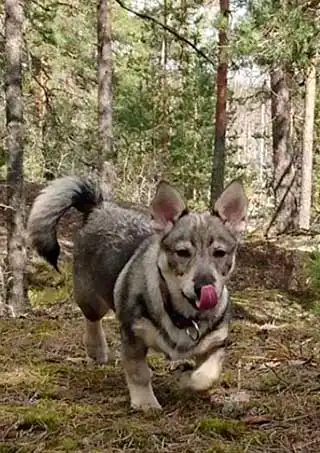
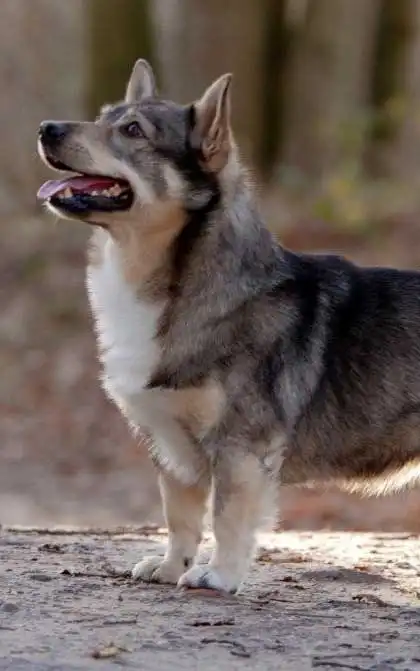
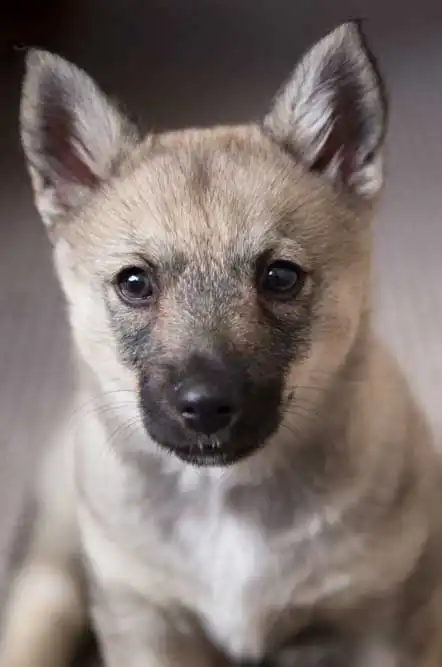
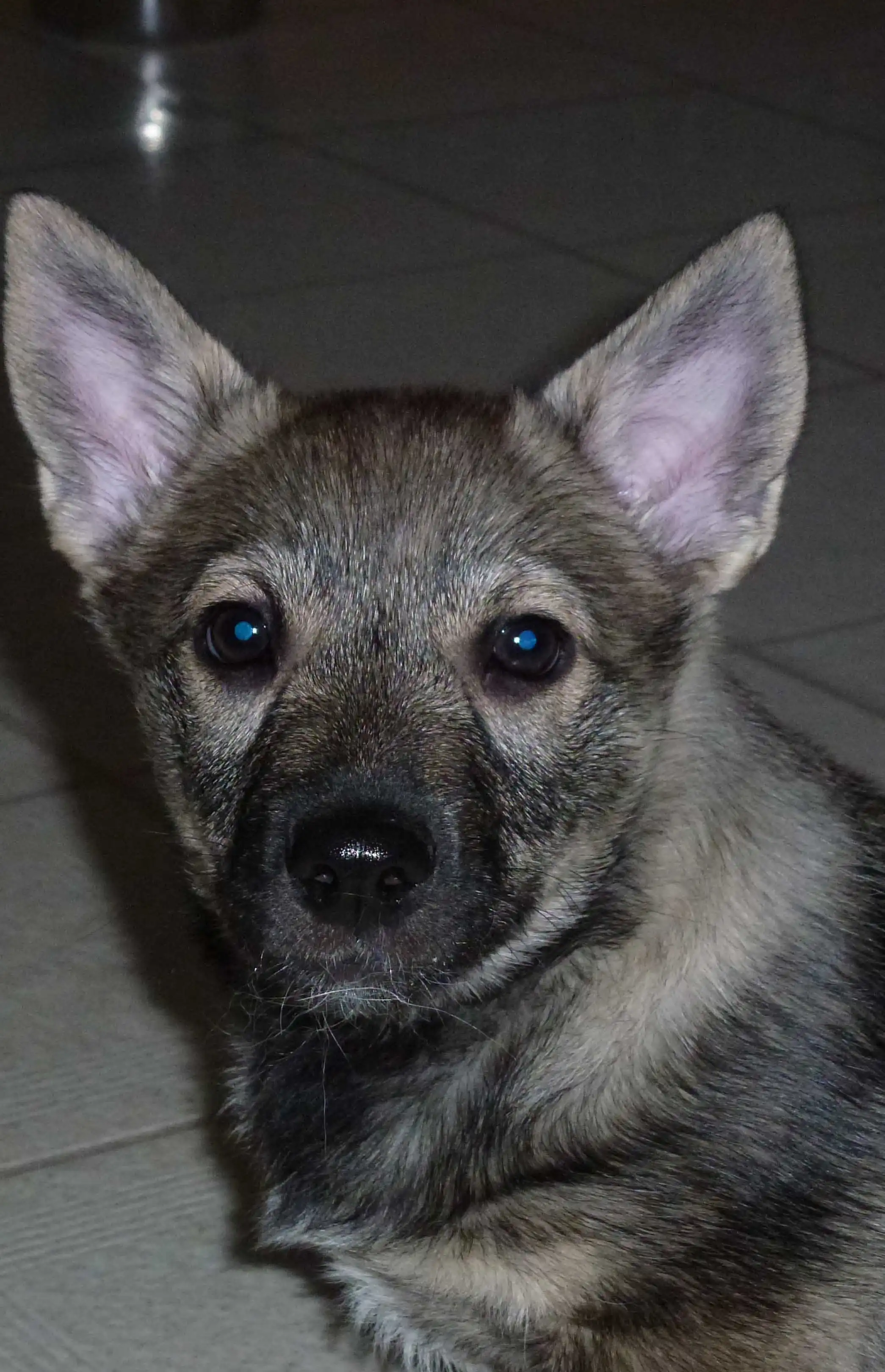
The Swedish Vallhund is distinguished by its medium-length, coarse fur, which consists of a thick undercoat and a tight, flat topcoat. The coat is shorter on the head and front legs, typically showcasing a sable and white pattern, although gray and red variations are also prevalent. Lighter shades are commonly seen on the chest, belly, lower legs, feet, and hocks. The tail may be naturally long, short, or docked. This breed is known for its agility and enthusiasm, radiating an air of intelligence and alertness. Its sturdy, well-proportioned body features a broad, slightly flat skull and a square muzzle that aligns with the nose. The head has a wedge shape, adorned with pricked ears, while the medium-sized, oval eyes are a rich brown. Additionally, the breed possesses black lips and strong, well-aligned teeth that create a scissors bite, along with well-boned, muscular paws.
Care Routine
The Swedish Vallhund requires daily brushing to reduce loose hair. To maintain its appearance, it’s advisable to bathe your Vallhund every 6 to 8 weeks, or more often if necessary. Nail trimming should be done every 3 to 4 weeks to prevent overgrowth. Regular ear cleaning is important to avoid debris accumulation, and teeth should be brushed weekly as well. This breed is not hypoallergenic, sheds moderately, and generally does not have a strong odor. With a high energy level, Vallhunds enjoy herding activities, so supervision around small animals is essential. They thrive in spacious environments where they can play and run, making a large yard preferable; a small apartment may not be suitable. Given their double coat, they do best in moderate climates. While there isn’t a specific diet tailored for this breed, it’s important to keep an eye on their food intake to prevent obesity.
Behavior & Temperament
The Swedish Vallhund is celebrated for its amiable and well-balanced disposition. This breed tends to be vocal, so early training is crucial to teach your dog when it is appropriate to bark. Known for its spirited personality, the Vallhund communicates through a range of sounds, such as yips and howls. With its intelligence and playful nature, this breed thrives on family interaction, making it a wonderful companion. Often noted for its playful sense of humor, the Swedish Vallhund brings happiness to those around it. Additionally, its loyalty, strong work ethic, and eagerness to please enhance its trainability. The breed's versatility enables it to perform well in traditional herding roles as well as in structured training settings. Typically, this delightful dog gets along well with family members, children, and other pets, especially when it receives proper training from a young age to foster good behavior. Although the Vallhund may be initially wary of strangers, early socialization can help it differentiate between a potential threat and a friendly guest. Given its high energy levels, it is essential for owners to provide regular exercise and ample playtime to meet the breed's needs.
Play & Exercise
Things to Know
Cups Per Day
0.0 Cups
Daily Activity
0 Minutes
Average Lifespan
14 Years
Origin
ancient times
Type
Pure Breeds
Size
Not Set
Origin Country
Sweden
Brush Frequency
Daily
Coat Texture
Straight
Register
Your kids have been begging for a pet forever, and you've recently decided that it's time for your family to get a new addition -- a dog! While everyone is excited for the new arrival, you're wondering if you need to have a dog license. How much does it cost? Is it required? Where do you get one?
Member Clubs

PETINNATE
Herding Dog

AKC
Herding Group

UKC
Herding Dog
Height & Weight
Weight
28 lbs (13 kg)Male: 28 lbs (13 kg) , Female: 28 lbs (13 kg)
Height
13 inches (33 sm)Male: 13 inches (33 sm) , Female: 12 inches (30 sm)