Dog Breeds by Affectionate with Family
Affectionate with Family refers to how a dog typically behaves or responds in everyday situations. Individual dogs may vary based on training, environment, and genetics.
Some breeds are independent and aloof, even if they've been raised by the same person since puppyhood; others bond closely to one person and are indifferent to everyone else; and some shower the whole family with affection. Breed isn't the only factor that goes into affection levels; dogs who were raised inside a home with people around feel more comfortable with humans and bond more easily.
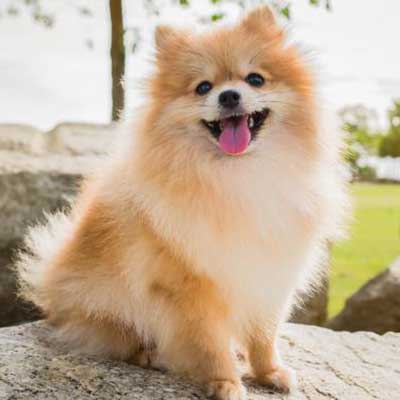
Pomeranian
The Pomeranian is an enchanting little dog known for its lively character. Despite their petite size, they possess a boundless heart and spirit. These feisty pups often display such self-assurance that they will confront much larger dogs, seemingly oblivious to their own smallness. In addition to their bold nature, Pomeranians typically get along well with children and other pets. Their frequent and boisterous barking makes them excellent watchdogs, though they do need proper training to keep this behavior in check. With a variety of nicknames and coat colors, they are sure to add happiness to your life. Historically, Pomeranians could weigh as much as 30 pounds and were used as sheepdogs. Nowadays, they are much smaller but continue to excel in activities like obedience, agility, therapy, flyball, and tracking, all while being loving companions.
Read more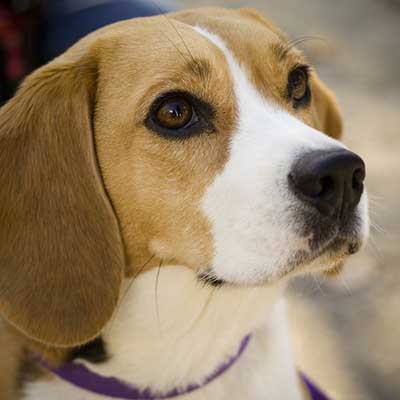
Beagle
The Beagle is frequently seen as one of the most laid-back and cheerful dog breeds. With a lively and amusing demeanor, this breed spreads happiness to those around it. Originating in England in the early 1800s, Beagles were originally developed for tracking and hunting rabbits. They flourish when allowed to explore their environment, utilizing their exceptional sense of smell, which can sometimes lead them into playful trouble. As scent hounds, Beagles have ancestry that includes the Talbot Hound, North Country Beagle, and Southern Hound. Their compact and muscular build makes them an ideal companion. Beagles are easily identifiable by their droopy ears and endearing expressions. Their short, smooth coats require little maintenance; a simple weekly brushing with a rubber curry brush is enough to keep them looking their finest.
Read more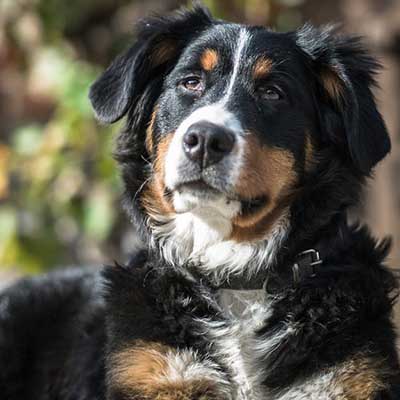
Bernese Mountain Dog
The Bernese Mountain Dog, commonly known as the Berner, is one of the four ancient breeds classified as Swiss Sennenhunds. What sets the Berner apart is its luxurious, flowing coat and exceptional temperament. Its ancestry likely stems from a combination of the farming dogs indigenous to the Swiss Alps and the Molosser, a type of Mastiff brought to the region by the Romans around the first century B.C. This rich heritage is reflected in the Berner's large head, gentle nature, remarkable strength, and strong work ethic. Traditionally, Bernese Mountain Dogs were invaluable farm assistants, responsible for herding livestock, pulling carts, and protecting homesteads. In contemporary times, they are primarily valued as beloved family pets. Known for their friendliness towards children and their ability to be trained, they do have a strong need for family interaction, which can pose challenges if they are left alone for extended periods. In terms of appearance, the Bernese Mountain Dog is a large breed characterized by its striking tri-colored coat. They possess prominent heads and substantial paws, which require regular grooming to control shedding. Bringing a Berner puppy into your home demands a considerable commitment and effort. However, with consistent training, patience, and dedication, you can nurture a loyal and hardworking companion that will greatly enhance your life.
Read more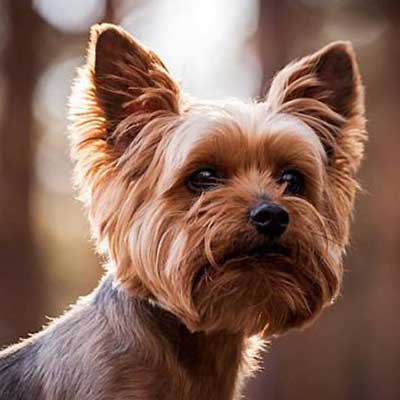
Yorkshire Terrier
The contemporary Yorkshire Terrier is a small breed primarily valued for companionship. In stark contrast, its forebears were much larger and were utilized for hunting small rodents and other vermin. It is thought that the Yorkshire Terrier emerged from a mix of several terrier breeds, with some contributions from the Maltese. Among these breeds are the Skye Terrier, Dandie Dinmont, Manchester Terrier, and the now-extinct Paisley or Clydesdale Terrier. Over the years, this brave little hunting dog evolved into a trendy pet, so petite that many women now carry them in handbags or under their arms. The American Kennel Club officially recognized the Yorkshire Terrier in 1885.
Read more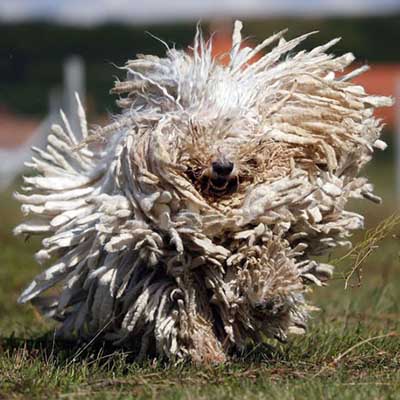
Komondor
This breed is known for its sharp awareness and steadfast loyalty to their human families. They are courageous dogs that thrive when entrusted with tasks, but without proper socialization during their puppy stage, they may display territorial and aggressive tendencies towards unfamiliar people and animals. Their unique coat, reminiscent of a mop, is perfectly designed for their original role of protecting livestock in frigid environments. Although they have a strong independent streak, they respond well to engaging and diverse training techniques, particularly when led by a confident handler. Despite their considerable size, they can adapt to living indoors as long as they receive sufficient exercise and regular outings. To deter them from asserting dominance over their territory—a typical trait of guard dogs—a tall fence is crucial around your property. However, beneath their rugged facade, they truly enjoy cozying up indoors with their loved ones.
Read more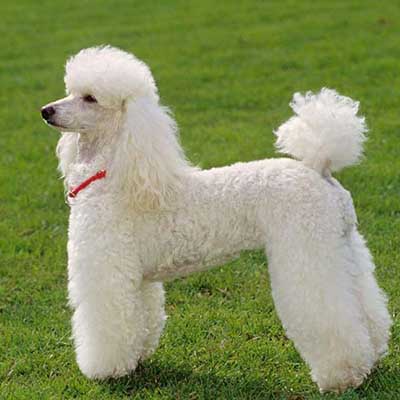
Poodle
Poodles, one of the most ancient dog breeds, are celebrated for their remarkable intelligence and ease of training, which makes them a popular choice among dog enthusiasts. They generally interact well with children and other pets, especially if they are socialized early on. Currently, Poodles are available in several sizes, including Toy, Miniature, and Standard. Each Poodle boasts a dense, curly coat that can range in texture from coarse to wiry and comes in nearly every color imaginable. Although they have charming personalities, they do require significant grooming and are susceptible to various serious health concerns. However, their loving and loyal disposition makes the extra care and attention well worth it!
Read more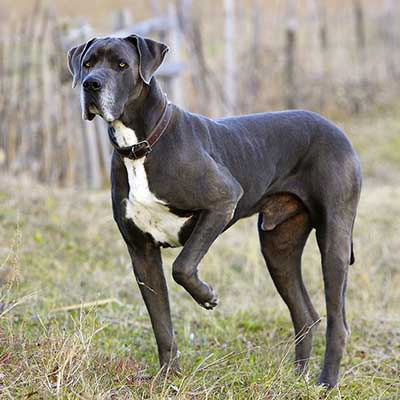
Great Dane
The Great Dane is commonly known as the "gentle giant" due to its calm and thoughtful demeanor. These dogs thrive on love and often try to snuggle in their owner's lap, resembling a smaller lapdog. They have a strong desire to please their families and are typically easy to train. However, it's crucial to keep in mind that their large size enables them to reach elevated surfaces, such as tables and kitchen counters. Moreover, their tails can be a hazard, as they might accidentally knock over objects within their reach, which makes them more suitable for homes with ample space. Unfortunately, like many larger breeds, they generally have shorter lifespans.
Read more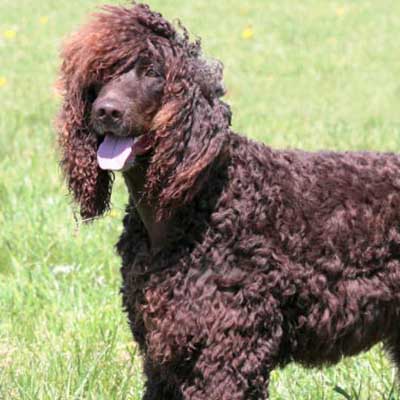
Irish Water Spaniel
The Irish Water Spaniel is an eye-catching water retriever known for its unique curly coat and exceptional hunting skills. This breed is lively and serves as a fantastic companion for families. As the largest of the Spaniel breeds, the Irish Water Spaniel commands attention. Its history dates back to the 1830s in Ireland, where a dog named Boatswain, owned by Justin McCarthy, is often considered the ancestor of the modern Irish Water Spaniel. McCarthy kept the details of Boatswain's lineage under wraps, leaving some uncertainty about the breed's background. Nevertheless, experts believe that the breed may be linked to the Barbet, various Poodle-like breeds, and Portuguese Water Dogs. The Irish Water Spaniel was introduced to the United States in the 1870s.
Read more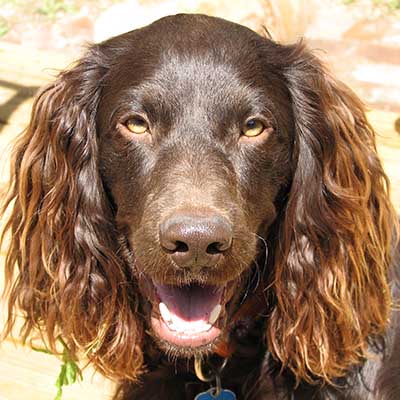
Boykin Spaniel
The Boykin Spaniel was bred specifically to fulfill the needs of hunters pursuing wild birds in the marshes of South Carolina. With its medium build, energetic personality, and strong swimming abilities, it became a favored choice for hunters who needed a dog that could be easily lifted into a boat along with their catch. In modern times, the Boykin's loving and sociable disposition makes it an excellent family pet. Although this breed requires regular grooming and some maintenance, its intelligence and eagerness to learn make training a straightforward process. To keep your Boykin happy and healthy, it’s essential to provide plenty of exercise and mental stimulation, as this helps prevent any destructive behaviors from developing.
Read more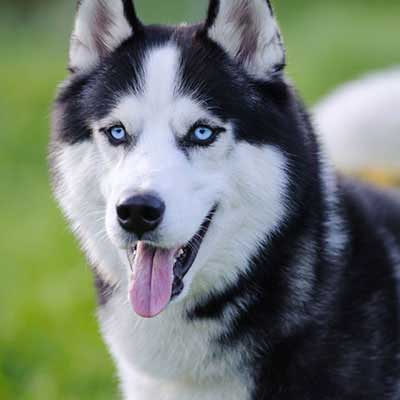
Siberian Husky
The Siberian Husky is a venerable breed that has likely developed alongside humans for thousands of years. Hailing from Russia, these dogs were cultivated by the Chukchi people, who depended on them for hauling supplies, which enabled their community to thrive in challenging environments. In addition to their transportation duties, Huskies were also bred to live harmoniously with Chukchi families. This selective breeding has resulted in a friendly and energetic breed renowned for its impressive stamina. Their dense double coat, which provides insulation against severe cold, requires regular grooming, although they do not need frequent baths. Despite their wolf-like appearance, which may intimidate some, Siberian Huskies are generally too friendly to be effective as guard dogs.
Read more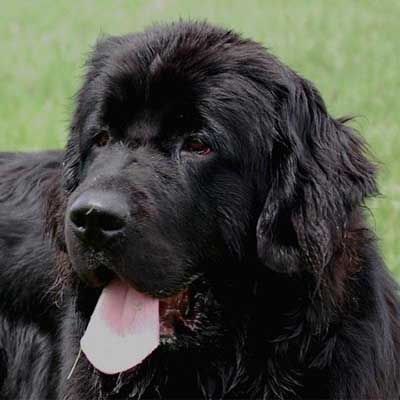
Newfoundland
The Newfoundland is a breed that originates from North America, specifically Newfoundland Island in Canada. While the exact beginnings of this breed are not entirely clear, it is thought that European fishermen introduced its ancestors to the island. Some theories propose that the Newfoundland may have descended from the white Great Pyrenees, while others suggest a connection to a French hound. Originally developed as a multi-purpose water dog and fishing aide, the Newfoundland has since become crucial in water rescue efforts. This sizable breed generally weighs between 130 and 150 pounds, with males reaching about 28 inches in height and having a body that is slightly longer than it is tall. With their sturdy build and strong bones, Newfoundlands have the power needed to rescue individuals from drowning, even in rough waters. Their webbed feet and water-resistant fur aid in swimming, while their strong, effortless gait enhances their ability to pull effectively.
Read more