Dog Breeds by All Around Friendliness
All Around Friendliness refers to how a dog typically behaves or responds in everyday situations. Individual dogs may vary based on training, environment, and genetics.
All Around Friendliness
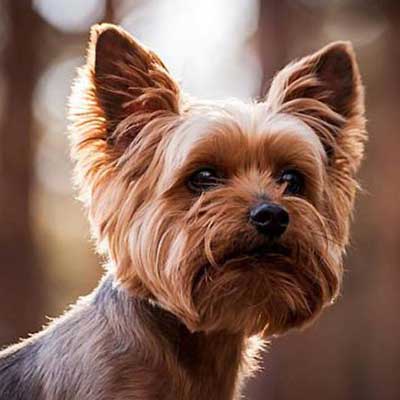
Yorkshire Terrier
The contemporary Yorkshire Terrier is a small breed primarily valued for companionship. In stark contrast, its forebears were much larger and were utilized for hunting small rodents and other vermin. It is thought that the Yorkshire Terrier emerged from a mix of several terrier breeds, with some contributions from the Maltese. Among these breeds are the Skye Terrier, Dandie Dinmont, Manchester Terrier, and the now-extinct Paisley or Clydesdale Terrier. Over the years, this brave little hunting dog evolved into a trendy pet, so petite that many women now carry them in handbags or under their arms. The American Kennel Club officially recognized the Yorkshire Terrier in 1885.
Read more
Greater Swiss Mountain Dog
The Greater Swiss Mountain Dog, commonly known as the Swissy, is a gentle and affectionate breed that delights in making its owners happy. Although they are intelligent and can sometimes be a bit headstrong, their steadfast loyalty more than makes up for these tendencies. Generally, they are calm around children, other animals, and friendly guests, but they also make excellent watchdogs thanks to their sharp awareness. Originating from Switzerland, this breed has a rich history that dates back nearly 2,000 years, making it one of the oldest dog breeds in the country. Originally developed for herding, guarding, and draft work, the Greater Swiss Mountain Dog has transformed into a versatile companion, thriving in various activities such as competitive obedience, carting, tracking, and protection.
Read more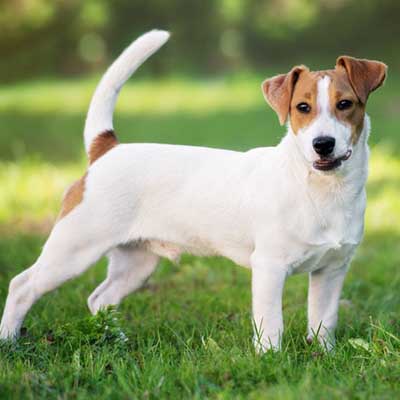
Jack Russell Terrier
The Jack Russell Terrier is a breed that has gained fame through popular television series like Frasier and Wishbone. Many fans have fallen in love with the quirky and endearing personalities of characters like Eddie from Frasier and Wishbone. However, the reality of owning a Jack Russell Terrier is quite different from what is depicted on screen. The dogs featured in these shows are supported by professional trainers and are given specific tasks to perform. In contrast, a real Jack Russell Terrier thrives on interaction and will actively seek out ways to entertain itself if its owner is busy. This breed is known for its high energy levels, relishing activities such as running, digging, and engaging in playful mischief. With the right training and an appropriate outlet for their considerable energy, they can make wonderful and loving companions.
Read more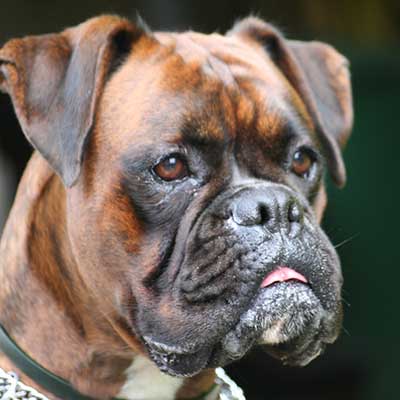
Boxer
The Boxer breed traces its roots back to Germany in the early 19th century, where it was originally developed for use as a bait and fighting dog, as well as a loyal guardian. Its strong, muscular, and agile build made it ideal for these roles until the prohibition of bull baiting and dog fighting. Since then, the Boxer has gained immense popularity around the globe, renowned for its loyalty, playful nature, and high energy, which make it an excellent family pet. Furthermore, Boxers are recognized for their self-grooming tendencies, resulting in relatively low grooming needs. However, it is crucial to provide them with sufficient mental and physical stimulation; without it, they may exhibit undesirable behaviors.
Read more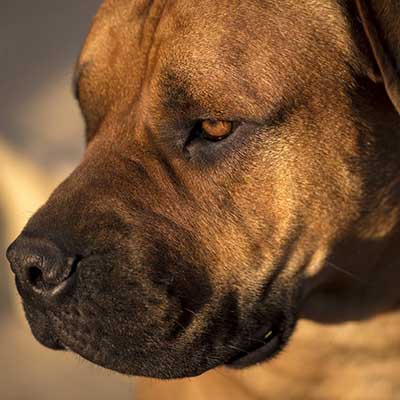
South African Boerboel
The Boerboel is a reliable breed recognized for its robust protective nature. This dog is fiercely loyal, ready to defend its family and home when its owners are away, and will not allow strangers to enter. Energetic and playful, Boerboels enjoy spending time with children, engaging in games of chase and running around for long stretches. They show impressive patience with kids, welcoming their playful antics and relishing the attention they receive. While they are devoted and affectionate towards their owners, it is crucial for them to have a strong, authoritative figure to set boundaries and ensure they obey commands. Due to their strength and powerful jaws, having a capable leader during their developmental stages is vital to prevent any potential risks to others. When it comes to guests, Boerboels require a proper introduction before they will accept them.
Read more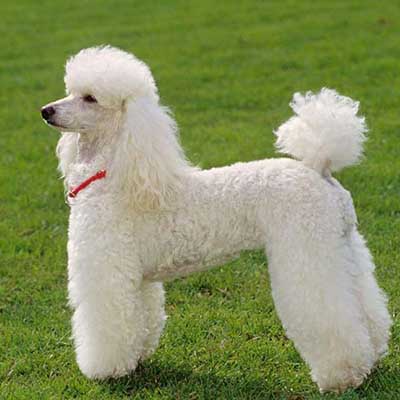
Poodle
Poodles, one of the most ancient dog breeds, are celebrated for their remarkable intelligence and ease of training, which makes them a popular choice among dog enthusiasts. They generally interact well with children and other pets, especially if they are socialized early on. Currently, Poodles are available in several sizes, including Toy, Miniature, and Standard. Each Poodle boasts a dense, curly coat that can range in texture from coarse to wiry and comes in nearly every color imaginable. Although they have charming personalities, they do require significant grooming and are susceptible to various serious health concerns. However, their loving and loyal disposition makes the extra care and attention well worth it!
Read more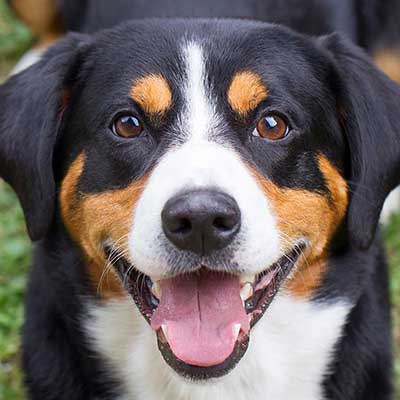
Appenzeller
The Appenzeller Mountain Dog is a sturdy and adaptable breed, although its precise origins are not entirely known. This breed excels in various roles, such as guarding farms, herding livestock, and pulling carts. Despite their strong and muscular physique, they do not fall into the giant breed category. Their dark, expressive eyes enhance the appeal of their short, double coat. Originating from Switzerland, Appenzellers usually sport a black or brown coat with unique symmetrical markings in white and rust. In general, the Appenzeller Mountain Dog is a hardy breed, typically not prone to specific health problems linked to its ancestry.
Read more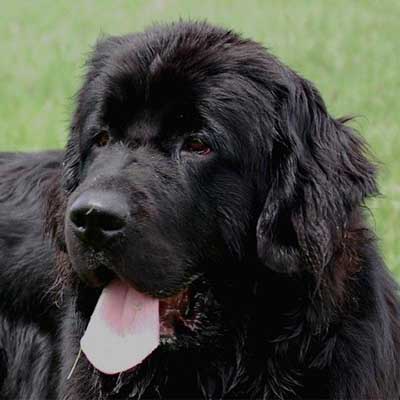
Newfoundland
The Newfoundland is a breed that originates from North America, specifically Newfoundland Island in Canada. While the exact beginnings of this breed are not entirely clear, it is thought that European fishermen introduced its ancestors to the island. Some theories propose that the Newfoundland may have descended from the white Great Pyrenees, while others suggest a connection to a French hound. Originally developed as a multi-purpose water dog and fishing aide, the Newfoundland has since become crucial in water rescue efforts. This sizable breed generally weighs between 130 and 150 pounds, with males reaching about 28 inches in height and having a body that is slightly longer than it is tall. With their sturdy build and strong bones, Newfoundlands have the power needed to rescue individuals from drowning, even in rough waters. Their webbed feet and water-resistant fur aid in swimming, while their strong, effortless gait enhances their ability to pull effectively.
Read more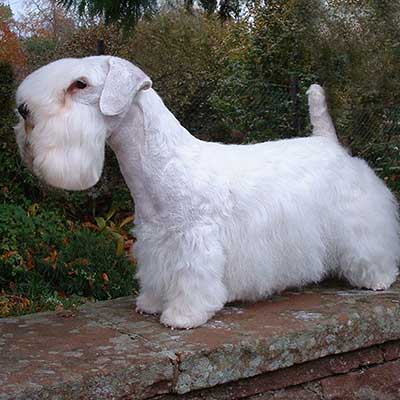
Sealyham Terrier
The Sealyham Terrier is a loyal, loving, and self-reliant breed. Originating from Wales, this small but determined dog was initially bred for hunting badgers, otters, and foxes. Although they are compact, Sealyhams can sometimes display a stubborn nature. In modern times, these dogs enjoy chasing birds, rabbits, and even other pets, such as cats and dogs. Their unique white coat was specifically developed to allow hunters to easily distinguish the dog from its prey. The American Kennel Club recognized the Sealyham Terrier in 1911. While it continues to be a popular choice in dog shows, it is regarded as a rare breed in the United States.
Read more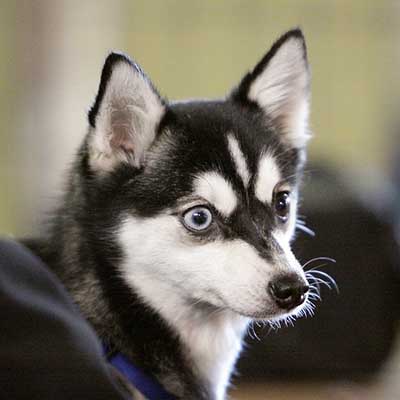
Alaskan Klee Kai
The Alaskan Klee Kai is a breed that emerged in the 1970s, created to be a smaller counterpart to the Alaskan Husky. These energetic, smart dogs are mainly bred for companionship rather than for labor. While they share a resemblance with their larger relatives, Alaskan Klee Kais can thrive in apartment settings, as long as they receive ample exercise and playtime. They might show signs of shyness or hesitation when encountering new people and communicate their emotions—be it fear, happiness, or sadness—through various vocal sounds.
Read more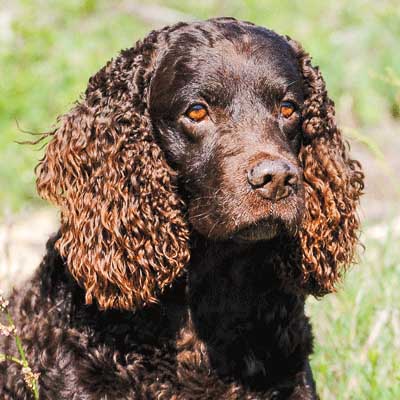
American Water Spaniel
The American Water Spaniel is a compact breed with a rich brown coat, tracing its roots back to the Midwestern United States in the 18th century. Originally developed as a hunting companion for waterfowl, pheasants, and rabbits, this breed is known for its lively and confident presence in the field, although it may show some timidity around unfamiliar people. Equipped with a double coat that effectively repels water and webbed feet, the American Water Spaniel thrives in aquatic settings, but it does need consistent grooming to keep its fur healthy and clean. Beneath its dense, curly exterior lies a strong, agile body, enabling the American Water Spaniel to gracefully jump in and out of small boats or canoes without creating a disturbance.
Read more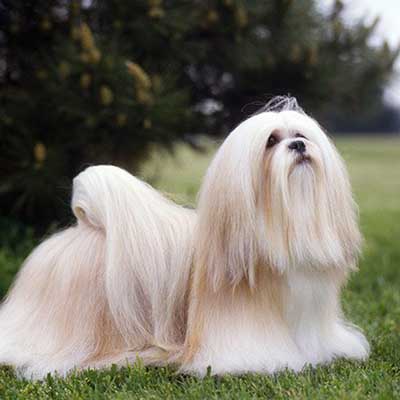
Lhasa Apso
These small but impressive dogs were initially bred to act as guardians in the temples and monasteries located in the Tibetan mountains thousands of years ago. Their popularity in the United States, however, only began in 1933 when the Dalai Lama presented several of these dogs to Mr. and Mrs. Suydam Cutting from New Jersey. Renowned for their joyful nature, these dogs are often playful and even a bit goofy at home, although they tend to be more reserved with unfamiliar faces and may display protective behaviors over their food and toys. Their beautiful, flowing coats require considerable maintenance, necessitating daily brushing and combing, even if kept relatively short.
Read more