Dog Breeds by Dog Friendly
Dog Friendly refers to how a dog typically behaves or responds in everyday situations. Individual dogs may vary based on training, environment, and genetics.
Friendliness toward dogs and friendliness toward humans are two completely different things. Some dogs may attack or try to dominate other dogs even if they're love-bugs with people; others would rather play than fight; and some will turn tail and run. Breed isn't the only factor; dogs who lived with their littermates and mother until at least 6 to 8 weeks of age, and who spent lots of time playing with other dogs during puppyhood, are more likely to have good canine social skills.
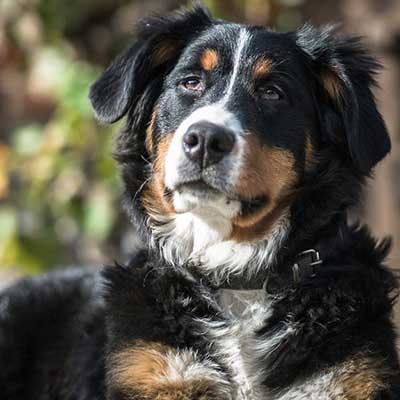
Bernese Mountain Dog
The Bernese Mountain Dog, commonly known as the Berner, is one of the four ancient breeds classified as Swiss Sennenhunds. What sets the Berner apart is its luxurious, flowing coat and exceptional temperament. Its ancestry likely stems from a combination of the farming dogs indigenous to the Swiss Alps and the Molosser, a type of Mastiff brought to the region by the Romans around the first century B.C. This rich heritage is reflected in the Berner's large head, gentle nature, remarkable strength, and strong work ethic. Traditionally, Bernese Mountain Dogs were invaluable farm assistants, responsible for herding livestock, pulling carts, and protecting homesteads. In contemporary times, they are primarily valued as beloved family pets. Known for their friendliness towards children and their ability to be trained, they do have a strong need for family interaction, which can pose challenges if they are left alone for extended periods. In terms of appearance, the Bernese Mountain Dog is a large breed characterized by its striking tri-colored coat. They possess prominent heads and substantial paws, which require regular grooming to control shedding. Bringing a Berner puppy into your home demands a considerable commitment and effort. However, with consistent training, patience, and dedication, you can nurture a loyal and hardworking companion that will greatly enhance your life.
Read more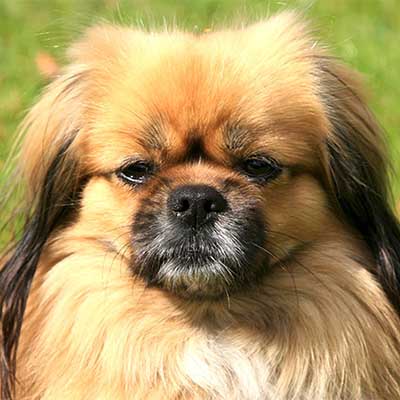
Tibetan Spaniel
The Tibetan Spaniel, celebrated for its independent spirit and gentle demeanor, was originally bred by Buddhist monks in Tibet. This breed is reminiscent of a lion, which holds significant meaning in Buddhism. While it shares some characteristics with the Pekingese, the Tibetan Spaniel features a slightly elongated face and does not possess the excessive skin commonly found in that breed. Its body is longer than it is tall, complemented by a small, rounded head that is well-proportioned to its frame. The muzzle is of medium length and smooth, free from wrinkles, while its dark, widely spaced eyes add to its charm. This delightful dog is adorned with a silky, flat double coat and a feathery tail that arches gracefully over its back, along with a longer mane around its neck. Historically, this loyal breed functioned as both a watchdog and a companion, alerting its owners to potential dangers with its distinctive bark. To maintain the health of its coat, regular grooming is vital, requiring daily brushing and combing to avoid matting. The Tibetan Spaniel has moderate energy levels, so it is important to provide adequate mental and physical stimulation to keep it engaged and stave off boredom.
Read more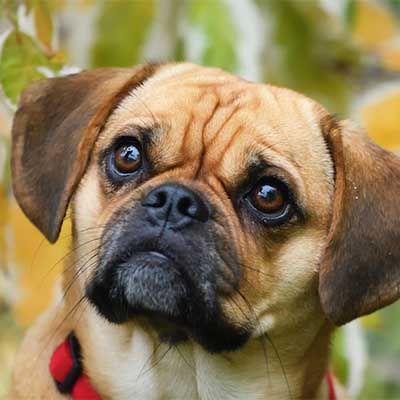
Puggle
The Puggle is a mixed breed that emerges from the crossbreeding of a Pug and a Beagle, first appearing in the United States in the 1980s. This breed beautifully combines the Pug's delightful wrinkles and loving nature with the Beagle's longer tail and snout, which can help alleviate some of the breathing difficulties often seen in brachycephalic breeds. However, Puggles are still known to snore and snort, but their charming personalities and friendly demeanor often cause owners to overlook these traits. They make wonderful family pets, although they can sometimes be headstrong and uncooperative. Puggles also have a propensity to wander and howl, yet their playful and affectionate nature typically endears them to those around them. Regular grooming is important, as they tend to shed quite a bit, helping them maintain a polished appearance.
Read more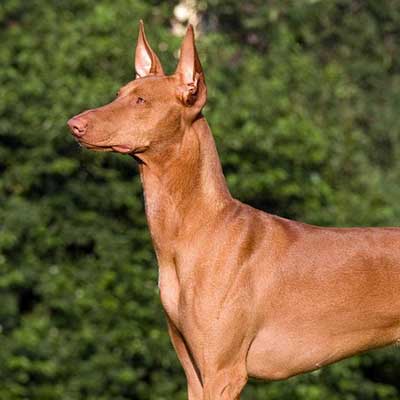
Pharaoh Hound
The Pharaoh Hound, recognized for its reserved yet spirited personality, has origins dating back to around 3000 B.C. While it has traditionally been thought to originate from Ancient Egypt, recent genetic research suggests that its true beginnings are in Malta. Ancient Egyptian hieroglyphics provide evidence of the Pharaoh Hound's long-standing presence, indicating that this breed has existed for millennia. With a strong and athletic physique, the Pharaoh Hound exhibits a graceful and elegant movement. Initially bred for hunting small game, it utilizes its sharp senses of sight, sound, and smell. This breed boasts an exotic and noble appearance, brimming with energy and a love for playful pursuits. The Pharaoh Hound shines in agility and lure coursing, demonstrating its remarkable athletic abilities. Grooming is simple due to its short, glossy coat, which only requires weekly brushing to manage shedding. For optimal well-being, the Pharaoh Hound thrives in an environment that meets its exercise needs.
Read more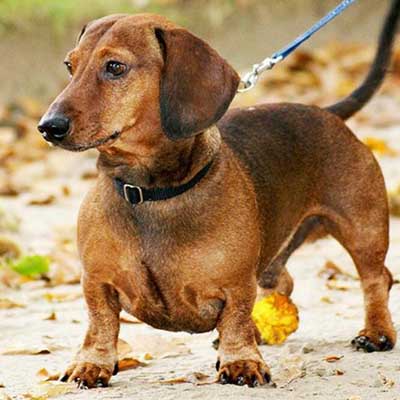
Dachshund
Since the 1950s, Dachshunds have consistently been among the most beloved dog breeds. With their distinctive long bodies and short legs, these dogs are not only charming but also exhibit a spirited and courageous personality. Although they possess intelligence, training can be challenging, especially if the techniques used become repetitive. Their inherent stubbornness often leads them to prefer their own methods. Originally developed in Germany for hunting small game, these characteristics are still apparent in their behavior today, which may manifest as a tendency to chase smaller animals or dig in the yard. Dachshunds are lively both indoors and outdoors, allowing them to adapt well to a variety of living environments.
Read more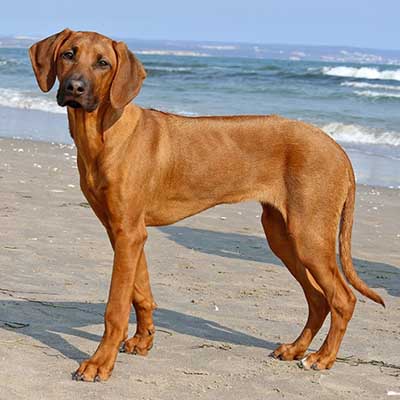
Rhodesian Ridgeback
In their quest for a hunting dog better suited to Africa's challenging climates, Dutch settlers crossbred their imported European breeds with a native tribal dog. This breeding produced a reddish-brown dog characterized by a unique ridge of fur along its back, adept at hunting large game and protecting families and homes. Originally employed for lion hunting, the Rhodesian Ridgeback's loyal and affectionate disposition soon endeared it to families, contributing to its rising popularity in other countries. Today, while it is still appreciated for its keen eyesight and scent-tracking skills, the Rhodesian Ridgeback is also celebrated as a low-maintenance, well-mannered, and energetic companion, thriving in dog shows, protection roles, and playful interactions with its human family.
Read more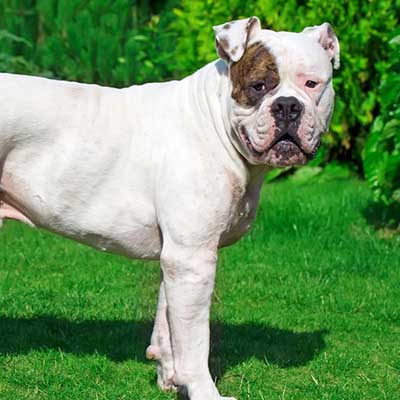
American Bulldog
The American Bulldog is a strong and athletic breed that, despite its imposing appearance, has a gentle disposition and a playful nature. This breed is divided into two main categories: the Johnson type, often called the Bully or Classic type, which has a stockier frame and a shorter muzzle similar to that of the English Bulldog; and the Scott type, known as the Standard or Performance type, which is more agile, featuring a longer muzzle and a squarer head. Many American Bulldogs today are hybrids of these two varieties. Frequently confused with the often-misunderstood American Pit Bull Terrier, the American Bulldog is a distinct breed with its own characteristics that make it not only an excellent working dog but also a loving family pet. Beneath their tough exterior lies a sensitive and emotional nature, which allows them to be highly aware of their surroundings. This sensitivity contributes to their success as family companions, particularly in households with children, as they relish playful interactions and can sense the mood of their environment. These dogs are celebrated for their affectionate personalities and strong self-assurance, which often translates into loyalty, obedience, and a protective instinct. However, because they can be reserved around unfamiliar people and other dogs, early socialization and training are crucial for their development in diverse social situations. As a high-energy breed, they thrive in homes with ample outdoor space and regular exercise, although they can adapt to apartment living if their owners lead an active lifestyle that includes them.
Read more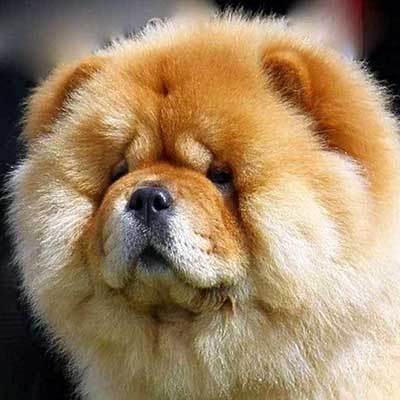
Chow Chow
One of the most notable features of the Chow Chow is its distinctive blue-black tongue. This breed is also recognized for its unique, stilted walking style and the lion-like "mane" that frames its neck. As a member of the Spitz family, the Chow Chow is thought to have originated in the cold northern regions of China. Throughout history, it has fulfilled various roles such as hunting, herding, pulling carts, and guarding homes. This medium-sized dog is characterized by its broad head and deep muzzle, along with small, triangular ears that perch on its double-coated neck. Chows are available in a range of colors, including red, black, blue, cinnamon, and cream.
Read more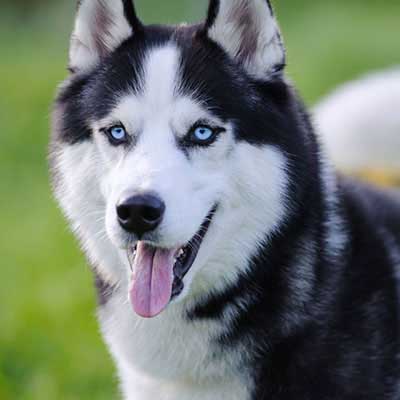
Siberian Husky
The Siberian Husky is a venerable breed that has likely developed alongside humans for thousands of years. Hailing from Russia, these dogs were cultivated by the Chukchi people, who depended on them for hauling supplies, which enabled their community to thrive in challenging environments. In addition to their transportation duties, Huskies were also bred to live harmoniously with Chukchi families. This selective breeding has resulted in a friendly and energetic breed renowned for its impressive stamina. Their dense double coat, which provides insulation against severe cold, requires regular grooming, although they do not need frequent baths. Despite their wolf-like appearance, which may intimidate some, Siberian Huskies are generally too friendly to be effective as guard dogs.
Read more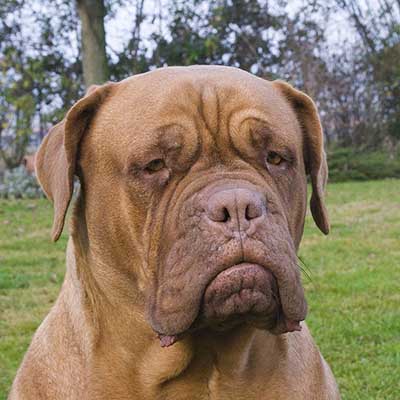
Dogue De Bordeaux
The Dogue de Bordeaux, commonly referred to as the French Mastiff, is a sizable breed with a lineage that remains somewhat ambiguous. Typically, these dogs stand around two feet tall at the shoulder and can weigh more than 99 pounds, distinguished by their prominent heads and short snouts. Unfortunately, they are susceptible to a range of health problems, including heart disease, various cancers, and hip and elbow dysplasia, which contribute to a relatively brief lifespan of five to eight years, though some may live longer. A notable case is Beasley, a nine-year-old Dogue de Bordeaux who appeared alongside Tom Hanks in the 1989 film "Turner and Hooch" and lived for three years beyond the film's release. If not properly socialized, these dogs can display stubborn and strong-willed tendencies, reminiscent of Hooch's character in the movie. However, with the right care and attention, they can develop into loyal, tolerant, and affectionate family companions.
Read more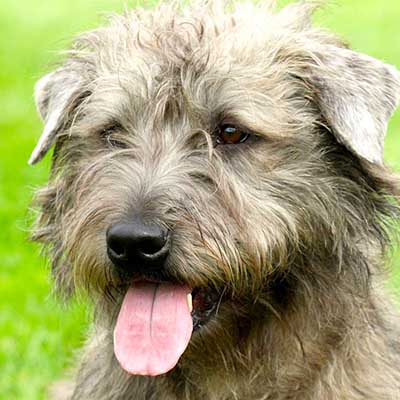
Glen of Imaal Terrier
The Glen of Imaal Terrier is frequently seen as a distinctively shaped small dog. With a sturdy physique and short legs, this breed usually reaches about 14 inches in height at the shoulder. Known for its lively personality, the Glen of Imaal Terrier is incredibly loving towards its family. Originally developed for hunting pests like vermin, badgers, and foxes, this breed has a natural tendency to dig and flourishes when given tasks to accomplish. While he makes a reliable watchdog, his bark can be surprisingly powerful for such a small dog. To manage his Terrier instincts and ensure a peaceful home environment, effective training is crucial.
Read more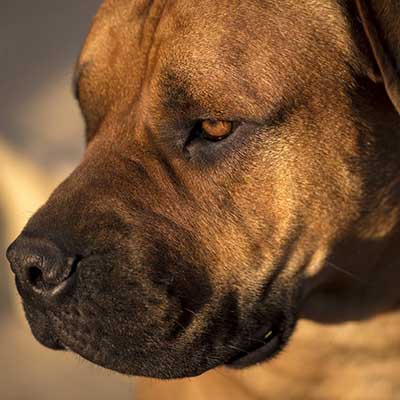
South African Boerboel
The Boerboel is a reliable breed recognized for its robust protective nature. This dog is fiercely loyal, ready to defend its family and home when its owners are away, and will not allow strangers to enter. Energetic and playful, Boerboels enjoy spending time with children, engaging in games of chase and running around for long stretches. They show impressive patience with kids, welcoming their playful antics and relishing the attention they receive. While they are devoted and affectionate towards their owners, it is crucial for them to have a strong, authoritative figure to set boundaries and ensure they obey commands. Due to their strength and powerful jaws, having a capable leader during their developmental stages is vital to prevent any potential risks to others. When it comes to guests, Boerboels require a proper introduction before they will accept them.
Read more