Dog Breeds by Incredibly Kid Friendly Dogs
Incredibly Kid Friendly Dogs refers to how a dog typically behaves or responds in everyday situations. Individual dogs may vary based on training, environment, and genetics.
Being gentle with children, sturdy enough to handle the heavy-handed pets and hugs they can dish out, and having a blasé attitude toward running, screaming children are all traits that make a kid-friendly dog. You may be surprised by who's on that list: Fierce-looking Boxers are considered good with children, as are American Staffordshire Terriers (aka pit bulls). Small, delicate, and potentially snappy dogs such as Chihuahuas aren't so family-friendly. All dogs are individuals. Our ratings are generalizations, and they're not a guarantee of how any breed or individual dog will behave. Dogs from any breed can be good with children based on their past experiences, training on how to get along with kids, and personality. No matter what the breed or breed type, all dogs have strong jaws, sharp pointy teeth, and may bite in stressful circumstances. Young children and dogs of any breed should always be supervised by an adult and never left alone together, period.
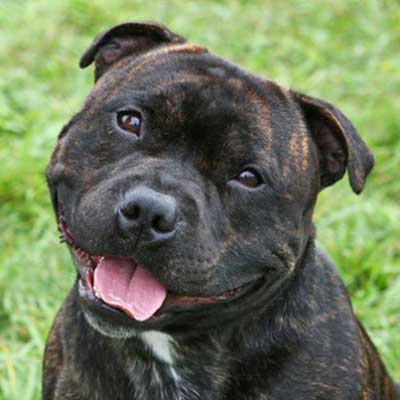
Staffordshire Bull Terrier
Often confused with its colonial counterpart, the American Staffordshire Bull Terrier, the Staffordshire Bull Terrier is somewhat shorter but equally strong and muscular. Commonly known as "Stafford," this breed is celebrated for its lively and playful demeanor. While it does not actively seek out conflict, it is steadfast when challenged. Initially bred for dog fighting and ratting, the Staffordshire Bull Terrier underwent a transformation in its role after such cruel practices were banned in England. Despite its tough image, early breeding focused on cultivating gentler characteristics, which enhanced its loyalty and protective instincts towards its family. Today, this loving breed is an excellent companion for energetic families, full of vitality and enthusiasm for play.
Read more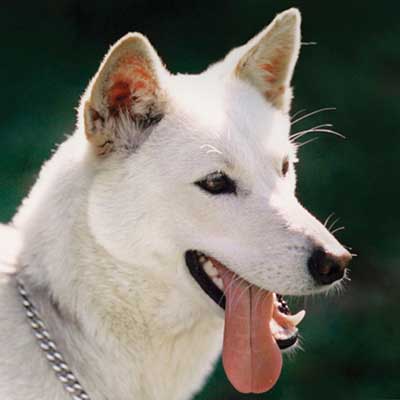
Jindo
The Jindo is a strong and muscular dog belonging to the Spitz family, originating from South Korea. This breed is characterized by its joyful personality and flourishes when engaged in activities. Initially developed as a versatile hunting dog, these instincts remain strong today. Jindos are incredibly loyal, often forming a profound bond with one person while still being friendly with other family members. Adult Jindos may find it challenging to adjust to new environments and have been known to travel great distances to return to their original homes and owners. They are inherently clean and adapt easily to house training. However, without proper socialization with other dogs during their early years, Jindos can display territorial tendencies and may react aggressively towards unfamiliar dogs that enter their space.
Read more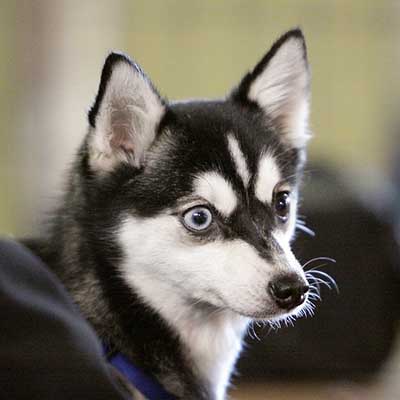
Alaskan Klee Kai
The Alaskan Klee Kai is a breed that emerged in the 1970s, created to be a smaller counterpart to the Alaskan Husky. These energetic, smart dogs are mainly bred for companionship rather than for labor. While they share a resemblance with their larger relatives, Alaskan Klee Kais can thrive in apartment settings, as long as they receive ample exercise and playtime. They might show signs of shyness or hesitation when encountering new people and communicate their emotions—be it fear, happiness, or sadness—through various vocal sounds.
Read more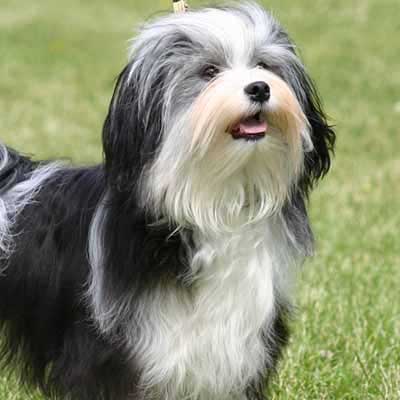
Lowchen
The Löwchen, affectionately referred to as the "little lion" in German, was a beloved pet among the European nobility during the 15th century, especially in regions such as Belgium, Germany, Spain, and France. This breed was intentionally bred for its small stature, opulent coat, and gentle nature, making it a favored companion for women who often brought them to court. Traditionally, their grooming involved a distinctive style where the fur on the legs, hindquarters, and part of the tail was closely trimmed to evoke a lion-like look. Even in modern times, the Löwchen remains treasured for its affectionate personality and continues to forge deep bonds with its human families.
Read more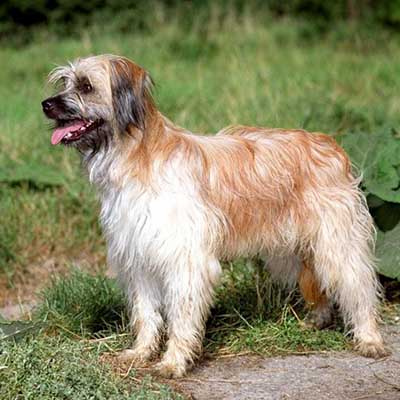
Berger Des Pyrenees
The Pyrenean Shepherd, originating from the Pyrenees Mountains in France around 6000 BC, boasts a rich history of herding and protecting sheep and goats. During World War I, these dogs played crucial roles as messengers, sentinels, and rescue animals. After the war, the energetic Pyr Shep continued its herding and guarding responsibilities while also gaining recognition in competitions and exhibitions. This cheerful breed comes in two distinct types: the rough-faced variety, known for its thick, coarse coat, and the smooth-faced type, which has a softer, finer fur. The Pyrenean Shepherd thrives in an active home environment.
Read more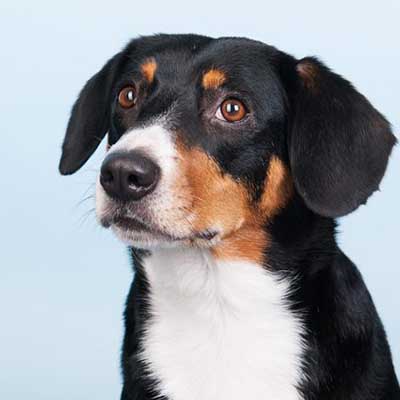
Entlebucher
The Entlebucher Mountain Dog is a sturdy, medium-sized breed known for its distinctive small brown eyes, short coat with multiple colors, and small triangular ears. Its sleek fur typically showcases a blend of white, tan, and black, highlighted by a soft, fluffy blaze and chest area. Among the various Swiss Mountain Dog breeds, the Entlebucher is the smallest, and some suggest it has lineage tracing back to the Mastiffs that accompanied the Romans for protection and warfare. Although the American Kennel Club officially recognized this breed only in 2011, it remains relatively rare in the United States, while it enjoys a strong following in Switzerland. Nowadays, the Entlebucher is primarily appreciated as a family pet rather than a livestock guardian.
Read more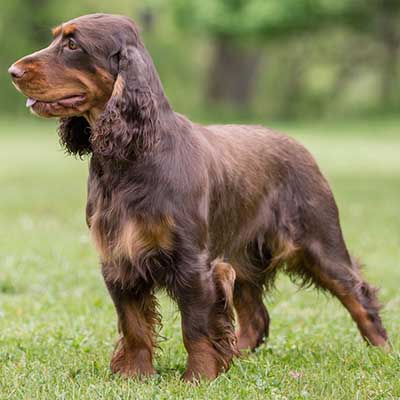
Field Spaniel
The Field Spaniel is a medium-sized dog recognized for its gentle nature and energetic spirit. Initially bred as a hunting companion, this breed gained traction in competitive dog shows during the 19th century. It descended from land Spaniels, diverging from breeds such as the Cocker Spaniel, English Water Spaniel, and Sussex Spaniel. Regrettably, early breeding efforts focused on specific traits nearly pushed the breed to the brink of extinction in the 20th century. Although Field Spaniels do not need specialized grooming, they thrive with weekly brushing to remove dead and loose fur. Additionally, like many Spaniels, they may experience issues with bad breath, which can be alleviated through regular brushing with dental products designed for dogs.
Read more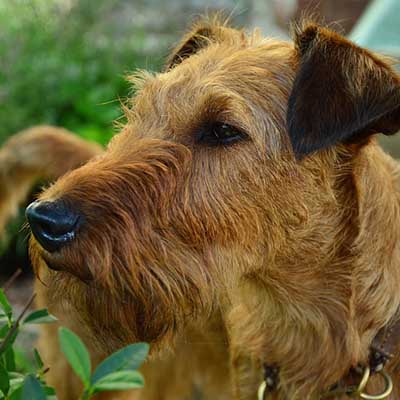
Irish Terrier
The Irish Terrier, celebrated for its spirited and adventurous nature, holds the distinction of being the oldest among all Terrier breeds, although its exact origins are somewhat ambiguous. Historical documentation suggests that by the 17th century, this breed was esteemed in Ireland for its prowess in hunting vermin and serving as a guard dog on rural farms. By the 18th century, the Irish Terrier had become popular in dog shows throughout Ireland, England, Scotland, and even the United States. Today, this medium-sized dog, known for its wiry coat, is treasured as a loyal, joyful, and energetic family companion. While it requires little grooming, this resolute breed demands plenty of daily exercise, along with early socialization and training to flourish.
Read more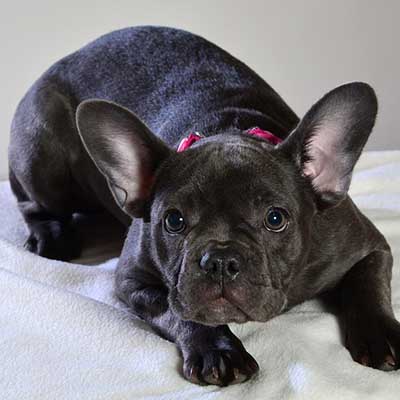
French Bulldog
The French Bulldog, often referred to as the Frenchie, is a small breed that originated in the 1800s, initially bred for companionship despite its lineage linked to bull-baiting and pit fighting. Hailing from Normandy, France, the French Bulldog remains a cherished pet in modern times. However, this breed is prone to several health concerns and requires a nurturing environment to flourish. Although the French Bulldog does not demand extensive exercise, it has a strong need for human interaction, stemming from its history as a companion animal. A lack of socialization can lead to undesirable behaviors in this breed.
Read more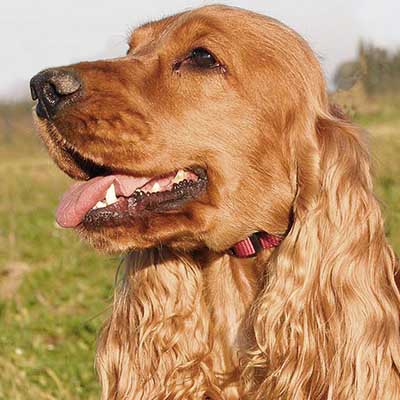
English Cocker Spaniel
English Cocker Spaniels are often described as joyful, a portrayal that truly captures their essence. Initially bred to retrieve game from thick underbrush during hunting expeditions, these dogs are energetic and devoted companions. Their coats, which are soft and silky, are prone to matting and tangling, making regular grooming essential due to their considerable shedding. The English Cocker Spaniel is the ancestor of the American Cocker Spaniel, which has been selectively bred to be somewhat smaller, with a rounder skull and a diminished prey drive. Although English Cocker Spaniels need more exercise than their American counterparts, they tend to be sturdier and less prone to anxiety or nervousness.
Read more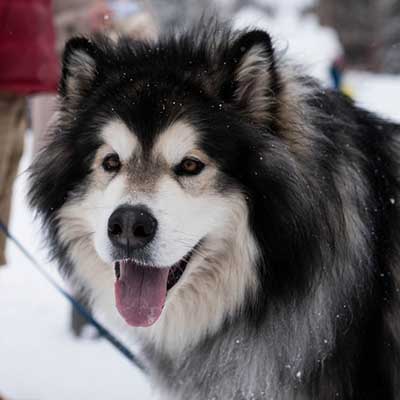
Alaskan Malamute
The Alaskan Malamute, known as the largest sled dog in the Arctic, gets its name from both its geographical roots and the Mahlemut tribe it is linked to. This ancient breed has a history that dates back around 4,000 years, originating with the Inuit people of Alaska. Originally bred to hunt large game such as polar bears and seals, Malamutes are now mainly used for sled pulling and as cherished pets. They generally maintain good health, with an average lifespan of about 12 years, although they may be susceptible to certain genetic conditions like hip dysplasia and cataracts. Their unique double coat allows them to thrive in cold and wet conditions, and they actually prefer cooler climates. Alaskan Malamutes are typically striking in appearance, often showcasing a white base adorned with shades of gray, red, or black. While they bear a resemblance to wolves, their expressions are characteristically softer.
Read more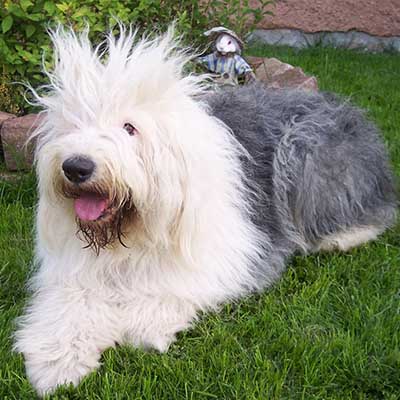
Old English Sheepdog
The Old English Sheepdog, one of the most ancient dog breeds, gained recognition from the American Kennel Club merely four years after the organization was founded in 1888. Currently, it holds the position of the 75th most popular breed in the United States. This breed is notable for its substantial size and unique shaggy fur, having featured prominently in various television shows and movies, as well as being a popular contender in dog competitions. Old English Sheepdogs are not only robust but also gentle and exceptionally intelligent, adept at mastering a wide array of commands and tasks. Their dense double coat often partially covers their eyes and comes in several color variations, with the most common being grizzle and white, gray and white, blue merle and white, blue gray and white, and blue and white.
Read more