Dog Breeds by Incredibly Kid Friendly Dogs
Incredibly Kid Friendly Dogs refers to how a dog typically behaves or responds in everyday situations. Individual dogs may vary based on training, environment, and genetics.
Being gentle with children, sturdy enough to handle the heavy-handed pets and hugs they can dish out, and having a blasé attitude toward running, screaming children are all traits that make a kid-friendly dog. You may be surprised by who's on that list: Fierce-looking Boxers are considered good with children, as are American Staffordshire Terriers (aka pit bulls). Small, delicate, and potentially snappy dogs such as Chihuahuas aren't so family-friendly. All dogs are individuals. Our ratings are generalizations, and they're not a guarantee of how any breed or individual dog will behave. Dogs from any breed can be good with children based on their past experiences, training on how to get along with kids, and personality. No matter what the breed or breed type, all dogs have strong jaws, sharp pointy teeth, and may bite in stressful circumstances. Young children and dogs of any breed should always be supervised by an adult and never left alone together, period.
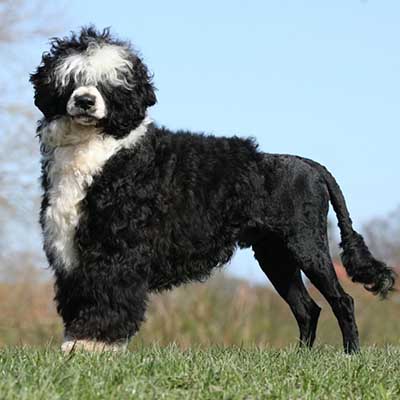
Portuguese Water Dog
The Portuguese Water Dog traces its lineage back to approximately 700 B.C., originally bred to aid fishermen in various tasks related to water. This historical background accounts for their strong affinity for swimming and aquatic activities. Known for their affectionate nature and family-oriented temperament, these dogs are friendly companions for both children and other pets. They are easily recognizable by their unique curly or wavy coats and webbed feet, which make them ideally suited for aquatic life. With their high energy levels and intelligence, Portuguese Water Dogs shine in numerous canine sports, such as tracking, agility, obedience, and trick performance. However, their keen intellect can sometimes lead them to try to outsmart their owners. With proper training and socialization, these dogs can develop good manners and adapt well to various environments.
Read more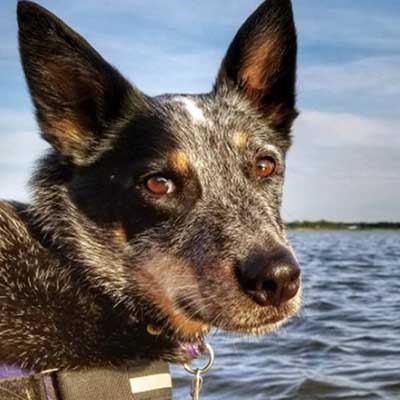
Australian Cattle Dog
The Australian Cattle Dog emerged in the early 1800s, a time when extensive areas of land in Australia became suitable for cattle ranching. The herding breeds available at the time were not equipped to handle the specific challenges associated with Australian cattle, which prompted the creation of a strong, intelligent, and highly active herding dog. Although it is relatively small, the Australian Cattle Dog demonstrates exceptional bravery in herding and is well-suited to the rugged terrain of the country. This medium-sized breed is characterized by its high energy and loyalty, making it a wonderful family companion, as long as its exercise requirements are met and it has activities to keep it stimulated.
Read more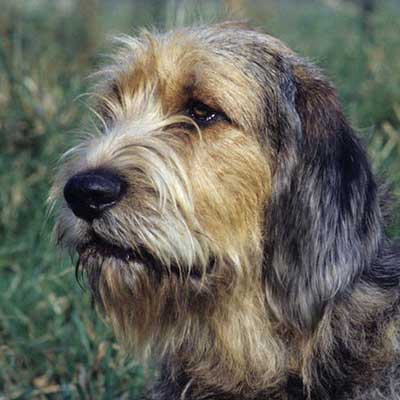
Otterhound
In 1360, fishermen started employing Otterhounds to hunt otters, as these creatures were notorious for stealing their fish. The breed was carefully crafted to combine characteristics from various dog breeds: the intelligence of a Collie, the patience of a Beagle, the endurance of a Foxhound, the wisdom of a Retriever, the acute sense of smell of a Pointer, the swimming ability of a Newfoundland, and the courage of a Bulldog. Otterhounds are large dogs, weighing up to 115 pounds and standing approximately two and a half feet tall. They are equipped with long, waterproof fur, prominent noses ideal for scent tracking, and strong legs designed for swimming. This breed comes in seven different colors and showcases six unique markings, with shades that include lemon, white, black, and tan, while the markings may feature silver, grizzle, badger, and various other combinations.
Read more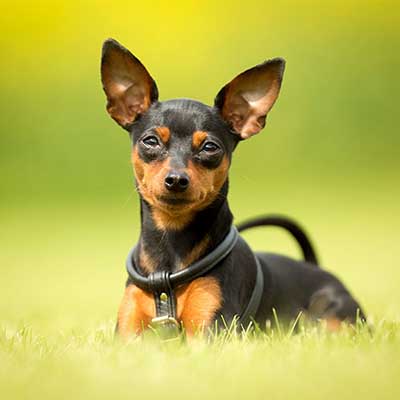
Miniature Pinscher
The Miniature Pinscher should not be mistaken for a diminutive version of the Doberman Pinscher; instead, it is more accurately described as a small-scale likeness of its larger relative. Interestingly, the Miniature Pinscher actually predates the Doberman. Often referred to as the Min Pin, this breed originates from the German Pinscher lineage and may also share ancestry with the Italian Greyhound and Dachshund. While the Miniature Pinscher has been officially recognized for over two centuries, the specifics of its ancestral background continue to spark discussion among enthusiasts. Nevertheless, this distinguished breed has been featured in Renaissance art, and artifacts from as far back as 2,000 years ago attest to its enduring existence.
Read more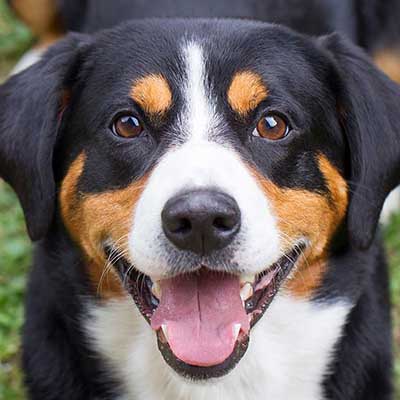
Appenzeller
The Appenzeller Mountain Dog is a sturdy and adaptable breed, although its precise origins are not entirely known. This breed excels in various roles, such as guarding farms, herding livestock, and pulling carts. Despite their strong and muscular physique, they do not fall into the giant breed category. Their dark, expressive eyes enhance the appeal of their short, double coat. Originating from Switzerland, Appenzellers usually sport a black or brown coat with unique symmetrical markings in white and rust. In general, the Appenzeller Mountain Dog is a hardy breed, typically not prone to specific health problems linked to its ancestry.
Read more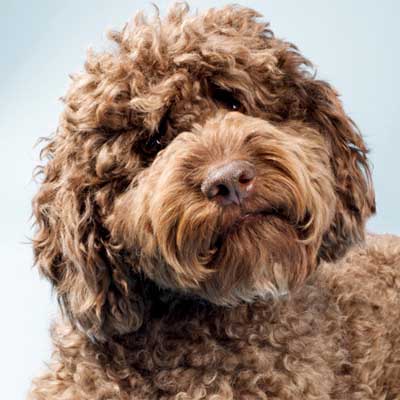
Labradoodle
The Labradoodle is a hybrid breed created by crossing a Labrador Retriever with a Poodle. This designer dog has become increasingly popular, prompting focused breeding initiatives for this specific mix. Labradoodles are known for their loving and playful demeanor, making them excellent companions for older children. However, their energetic nature might not be ideal for families with younger kids. One of their attractive features is their low shedding, which makes them hypoallergenic. They generally interact well with other dogs, but it’s crucial for them to have a safe, enclosed yard to burn off their excess energy.
Read more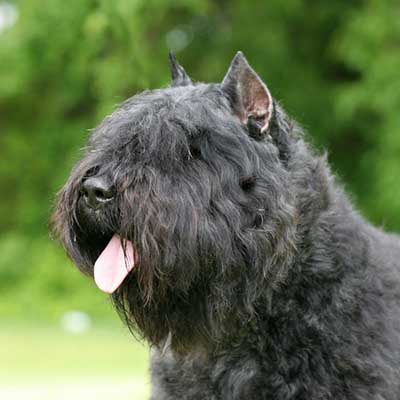
Bouvier des Flandres
The Bouvier des Flandres was initially developed as a hardworking dog, specifically designed for herding cattle and leveraging its strength on farms. Originating from Belgium and Northern France, these sturdy and intelligent dogs nearly faced extinction during World War I due to the destruction in their native regions. However, following the war, their population and popularity surged, leading them to become beloved family pets. Renowned for their loyalty, Bouviers thrive in various roles and require plenty of human interaction and physical exercise. Today, they can be found working as police, rescue, and guide dogs. Despite their energetic nature, Bouviers also appreciate relaxing with their dedicated families.
Read more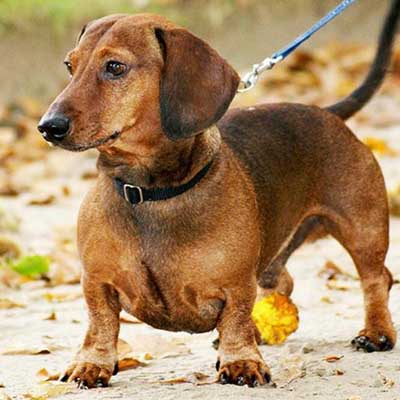
Dachshund
Since the 1950s, Dachshunds have consistently been among the most beloved dog breeds. With their distinctive long bodies and short legs, these dogs are not only charming but also exhibit a spirited and courageous personality. Although they possess intelligence, training can be challenging, especially if the techniques used become repetitive. Their inherent stubbornness often leads them to prefer their own methods. Originally developed in Germany for hunting small game, these characteristics are still apparent in their behavior today, which may manifest as a tendency to chase smaller animals or dig in the yard. Dachshunds are lively both indoors and outdoors, allowing them to adapt well to a variety of living environments.
Read more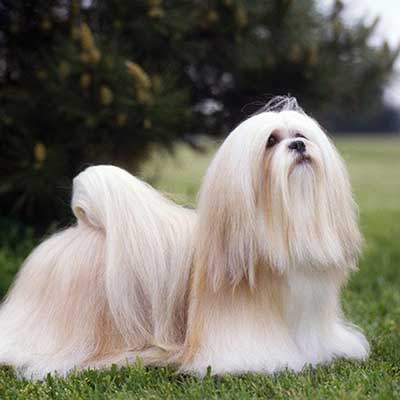
Lhasa Apso
These small but impressive dogs were initially bred to act as guardians in the temples and monasteries located in the Tibetan mountains thousands of years ago. Their popularity in the United States, however, only began in 1933 when the Dalai Lama presented several of these dogs to Mr. and Mrs. Suydam Cutting from New Jersey. Renowned for their joyful nature, these dogs are often playful and even a bit goofy at home, although they tend to be more reserved with unfamiliar faces and may display protective behaviors over their food and toys. Their beautiful, flowing coats require considerable maintenance, necessitating daily brushing and combing, even if kept relatively short.
Read more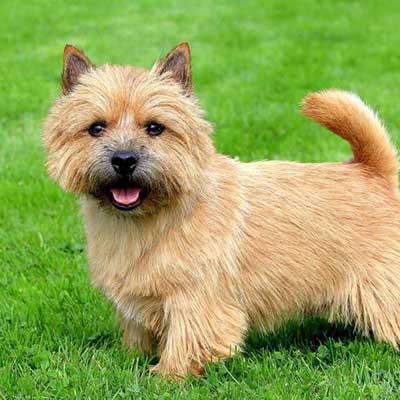
Norwich Terrier
The Norwich Terrier breed originated in England during the 1800s, initially developed as a working dog to control rat populations and other vermin in stables. This breed is the smallest among working terriers, typically standing about 10 inches tall and weighing around 11 pounds. Their coat can come in various colors, including black and tan, grizzle, wheaten, tan, and red. Although these lively dogs were once celebrated for their hunting abilities, they are now mainly cherished as companion animals and show dogs. According to the American Kennel Club, the Norwich Terrier ranks as the 104th most popular breed in the United States, with its registration beginning in 1936. Despite their petite size, they are recognized for their spirited, energetic, and determined personalities, making them endearing and loving pets.
Read more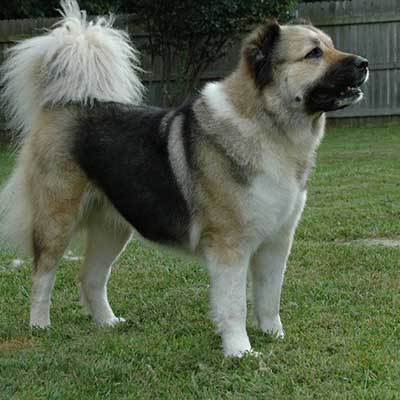
Caucasian Ovcharka
This ancient breed exudes a sense of strength and authority. Hailing from the rugged Caucasus Mountains, which lie between Europe and Asia, it is known by several names, the most common being the Caucasian Ovcharka or Caucasian Shepherd. These large dogs were originally bred to protect sheep from various threats, both human and animal. As a result, the temperament of the Caucasian Mountain Dog can vary widely. They can be affectionate and gentle with their families or, conversely, display aggressive and unruly behavior. The key to their demeanor often lies in the owner's approach to training, which should strike a balance between firmness and compassion. While their protective nature can be appealing, this breed may not be the best choice for inexperienced dog owners. Although these large, fluffy dogs were initially intended for guarding flocks, they are increasingly being kept as family pets. Nonetheless, their aggressive and protective instincts have historically hindered their popularity. As interest in the Caucasian Mountain Dog continues to rise, it is likely that selective breeding efforts will focus on moderating their overly protective traits.
Read more