Dog Breeds by Intelligence
Intelligence refers to how a dog typically behaves or responds in everyday situations. Individual dogs may vary based on training, environment, and genetics.
Dogs who were bred for jobs that require decision making, intelligence, and concentration, such as herding livestock, need to exercise their brains, just as dogs who were bred to run all day need to exercise their bodies. If they don't get the mental stimulation they need, they'll make their own work -- usually with projects you won't like, such as digging and chewing. Obedience training and interactive dog toys are good ways to give a dog a brain workout, as are dog sports and careers, such as agility and search and rescue.
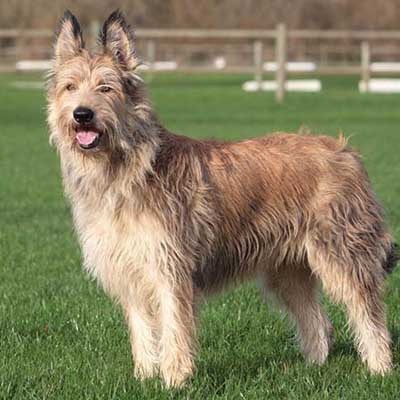
Berger Picard
The Berger Picard (pronounced bare ZHAY pee CARR) is a somewhat lesser-known dog breed, even though it made an appearance in the 2005 movie *Because of Winn-Dixie*. Many people mistakenly think a mixed-breed dog was featured, but in reality, the producers sought out several dogs that shared similar characteristics for the role. The breed was selected for its unique, scruffy coat. Renowned for its intelligence, the Berger Picard also has a hint of stubbornness, which can lead to an interesting living experience. With its lively personality, this breed is especially great with children. However, being a herding breed, it needs a secure fence to keep it from trying to herd cars and other vehicles.
Read more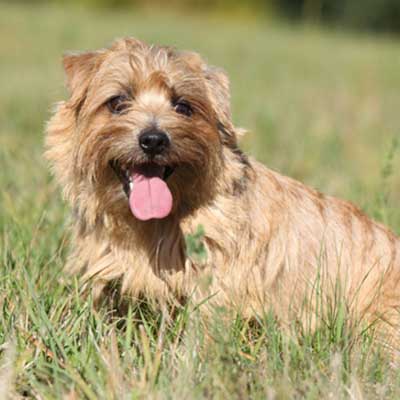
Norfolk Terrier
The Norfolk Terrier, one of the tiniest breeds in the Terrier group, usually weighs around 11 to 12 pounds. Despite its small size, this breed is sturdy and tenacious. Emerging in the 1800s, the Norfolk Terrier was developed from the dogs owned by gypsies and weavers, specifically for hunting vermin like rats and for bolting foxes. This breed is easily recognized by its unique combination of dropped and prick ears. While they require adequate socialization and training, many Norfolk Terriers are known to be friendly with children and generally coexist well with other pets, including both dogs and cats. Though they have an independent nature and can be a bit headstrong, consistent obedience training is essential. While not the most vocal of dogs, some training is advisable to manage excessive barking. Norfolk Terriers feature a rough coat that sheds and needs regular grooming, ideally through weekly brushing or combing. They are closely related to the Norwich Terrier, with the main difference being that the Norfolk's ears fold forward, whereas the Norwich's ears are upright. Generally regarded as more sociable than many other Terriers, Norfolk Terriers flourish when they live indoors with their families. They enjoy being active and engaged, and their well-being is closely linked to family interaction; being left outside for long periods can result in noise, destructive behavior, and unhappiness.
Read more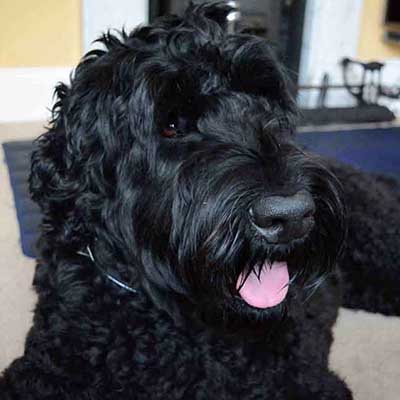
Black Russian Terrier
The Black Russian Terrier is a larger breed, standing out among medium-sized dogs with its robust physique and energetic demeanor. This breed thrives on physical activity and is always eager to engage in tasks, showcasing a lively spirit and a desire to please. They are notably resilient to various weather conditions, delighting in activities such as playing in the snow, splashing in the rain, or swimming in lakes. Affectionate by nature, these dogs prefer to be close to their human families, often following their owners closely. As a result, they are not particularly fond of being left outside in a kennel; however, they adapt well to indoor living, maintaining cleanliness and obedience when given proper training. It is vital to establish yourself as the pack leader, as this will earn their respect and ensure they follow your commands. Black Russian Terrier puppies are sensitive, playful, and quick to learn. During their early development, it is crucial for them to recognize their owner as the leader, which will make training more effective. This breed needs consistent and firm guidance, along with daily exercise to manage their high energy levels; without adequate physical activity, they may exhibit behavioral problems. Generally, they get along well with smaller pets, including dogs, cats, and rabbits, but may have difficulties with other large, dominant males. Their gentle and playful disposition makes them wonderful companions for families, particularly those with children. Training is relatively simple, and they adapt well to leash walking. It’s important to teach them to walk slightly behind or beside their owner, as dogs view the leader as the one who walks ahead. These strong and lively dogs are also easy to groom due to their soft, thick coats, but regular exercise is crucial for their overall happiness.
Read more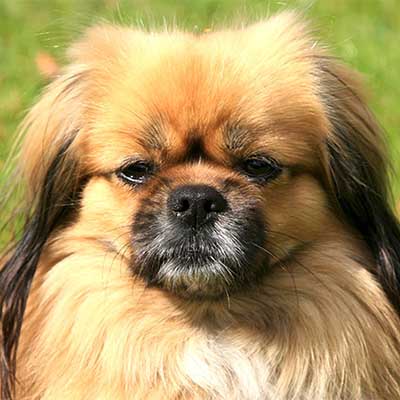
Tibetan Spaniel
The Tibetan Spaniel, celebrated for its independent spirit and gentle demeanor, was originally bred by Buddhist monks in Tibet. This breed is reminiscent of a lion, which holds significant meaning in Buddhism. While it shares some characteristics with the Pekingese, the Tibetan Spaniel features a slightly elongated face and does not possess the excessive skin commonly found in that breed. Its body is longer than it is tall, complemented by a small, rounded head that is well-proportioned to its frame. The muzzle is of medium length and smooth, free from wrinkles, while its dark, widely spaced eyes add to its charm. This delightful dog is adorned with a silky, flat double coat and a feathery tail that arches gracefully over its back, along with a longer mane around its neck. Historically, this loyal breed functioned as both a watchdog and a companion, alerting its owners to potential dangers with its distinctive bark. To maintain the health of its coat, regular grooming is vital, requiring daily brushing and combing to avoid matting. The Tibetan Spaniel has moderate energy levels, so it is important to provide adequate mental and physical stimulation to keep it engaged and stave off boredom.
Read more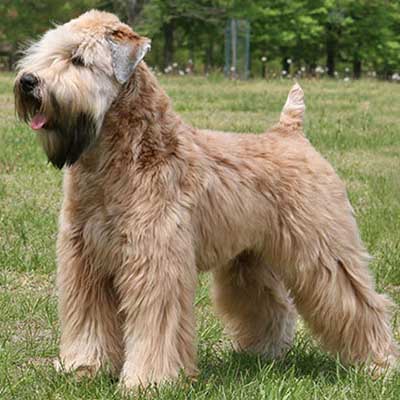
Soft-Coated Wheaten Terrier
The Soft Coated Wheaten Terrier, commonly known as the Wheaten, was historically seen as a dog for the working class in Ireland, as many ordinary families could not afford more expensive breeds. Initially bred as a farm dog, its primary roles included hunting pests and safeguarding agricultural land. Although the exact origins of the Wheaten are somewhat unclear due to limited historical documentation, it is widely believed that this breed was developed in the 1700s to meet the demand for a dependable working dog on farms. Over the years, the Wheaten has also played a role in the creation of several more refined breeds, such as the Kerry Blue, Irish, and Glen of Imaal Terriers. Despite its long-standing presence in Ireland, the Wheaten did not gain official breed recognition until 1973.
Read more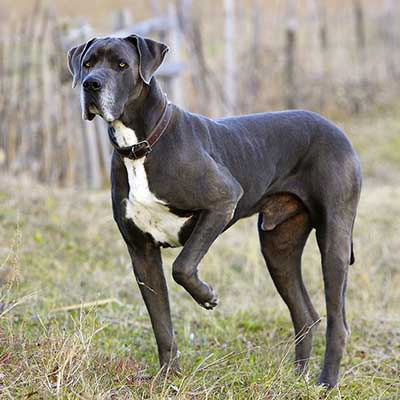
Great Dane
The Great Dane is commonly known as the "gentle giant" due to its calm and thoughtful demeanor. These dogs thrive on love and often try to snuggle in their owner's lap, resembling a smaller lapdog. They have a strong desire to please their families and are typically easy to train. However, it's crucial to keep in mind that their large size enables them to reach elevated surfaces, such as tables and kitchen counters. Moreover, their tails can be a hazard, as they might accidentally knock over objects within their reach, which makes them more suitable for homes with ample space. Unfortunately, like many larger breeds, they generally have shorter lifespans.
Read more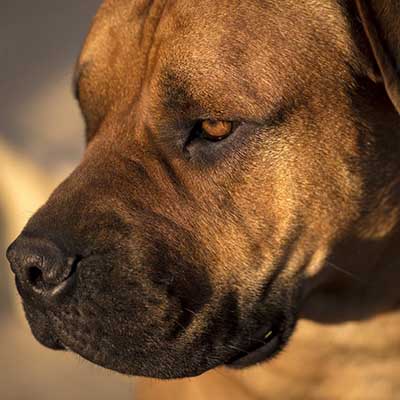
South African Boerboel
The Boerboel is a reliable breed recognized for its robust protective nature. This dog is fiercely loyal, ready to defend its family and home when its owners are away, and will not allow strangers to enter. Energetic and playful, Boerboels enjoy spending time with children, engaging in games of chase and running around for long stretches. They show impressive patience with kids, welcoming their playful antics and relishing the attention they receive. While they are devoted and affectionate towards their owners, it is crucial for them to have a strong, authoritative figure to set boundaries and ensure they obey commands. Due to their strength and powerful jaws, having a capable leader during their developmental stages is vital to prevent any potential risks to others. When it comes to guests, Boerboels require a proper introduction before they will accept them.
Read more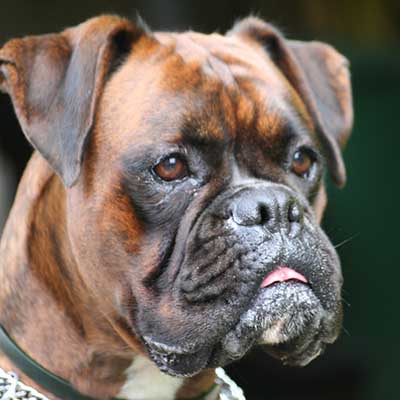
Boxer
The Boxer breed traces its roots back to Germany in the early 19th century, where it was originally developed for use as a bait and fighting dog, as well as a loyal guardian. Its strong, muscular, and agile build made it ideal for these roles until the prohibition of bull baiting and dog fighting. Since then, the Boxer has gained immense popularity around the globe, renowned for its loyalty, playful nature, and high energy, which make it an excellent family pet. Furthermore, Boxers are recognized for their self-grooming tendencies, resulting in relatively low grooming needs. However, it is crucial to provide them with sufficient mental and physical stimulation; without it, they may exhibit undesirable behaviors.
Read more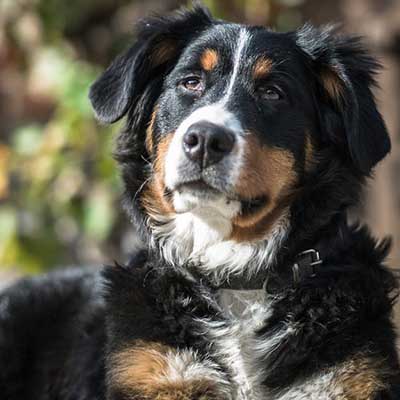
Bernese Mountain Dog
The Bernese Mountain Dog, commonly known as the Berner, is one of the four ancient breeds classified as Swiss Sennenhunds. What sets the Berner apart is its luxurious, flowing coat and exceptional temperament. Its ancestry likely stems from a combination of the farming dogs indigenous to the Swiss Alps and the Molosser, a type of Mastiff brought to the region by the Romans around the first century B.C. This rich heritage is reflected in the Berner's large head, gentle nature, remarkable strength, and strong work ethic. Traditionally, Bernese Mountain Dogs were invaluable farm assistants, responsible for herding livestock, pulling carts, and protecting homesteads. In contemporary times, they are primarily valued as beloved family pets. Known for their friendliness towards children and their ability to be trained, they do have a strong need for family interaction, which can pose challenges if they are left alone for extended periods. In terms of appearance, the Bernese Mountain Dog is a large breed characterized by its striking tri-colored coat. They possess prominent heads and substantial paws, which require regular grooming to control shedding. Bringing a Berner puppy into your home demands a considerable commitment and effort. However, with consistent training, patience, and dedication, you can nurture a loyal and hardworking companion that will greatly enhance your life.
Read more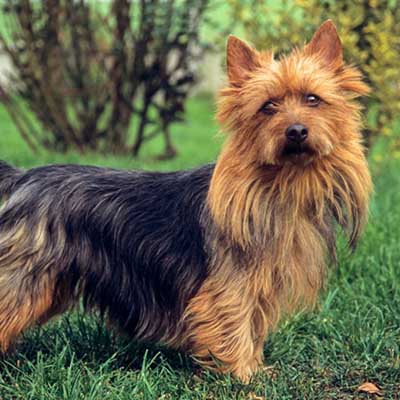
Australian Terrier
The Australian Terrier is one of the oldest breeds to be established and officially acknowledged by kennel clubs in Australia. Often called the national Terrier of Australia, it is also one of the smallest working Terrier breeds. This breed is thought to have originated in Tasmania, deriving from a mix of various European breeds. The Australian Terrier shares traits with the Silky Terrier, featuring a wiry coat that consists of a short, soft undercoat and a tough, straight outer layer. Its coat comes in several color variations, including blue and tan, sandy, and red. Known for its energetic nature, the Australian Terrier thrives on human companionship and can become anxious if left alone for long periods. Grooming this breed is fairly straightforward; it requires weekly brushing of its wiry coat and occasional stripping of dead hair every few months. Interestingly, the Australian Terrier is considered one of the quieter breeds within the Terrier group.
Read more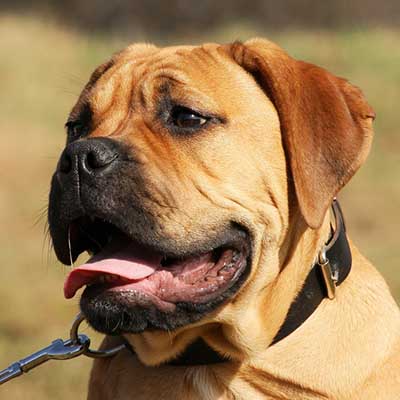
Bullmastiff
In 1795, historical accounts reveal that the Bullmastiff was created by crossing the Mastiff with the Bulldog, resulting in a genetic makeup of approximately 60% Mastiff and 40% Bulldog. To achieve purebred status, these dogs underwent three generations of selective breeding. Originally, their primary function was to track and capture poachers, but their roles later evolved to include service in military and law enforcement, as well as acting as guardians for the Diamond Society of South Africa. Today, the Bullmastiff is celebrated for its loyalty and gentle nature. While they may seem formidable and can show aggression if provoked, their usual temperament is calm and affectionate. They are known for their gentle disposition, patience with children, and a strong desire for human leadership. This breed thrives under the guidance of a strong, fair, and consistent owner who can earn their respect and provide clear direction. Bullmastiffs are receptive to training, but they are also sensitive to the tone of voice, which means that assertive yet gentle communication is essential. They make excellent family pets, offering protection without unnecessary aggression unless they perceive a threat. With appropriate socialization during their early years and consistent guidance, they can develop into devoted and loyal companions.
Read more