Norfolk Terrier
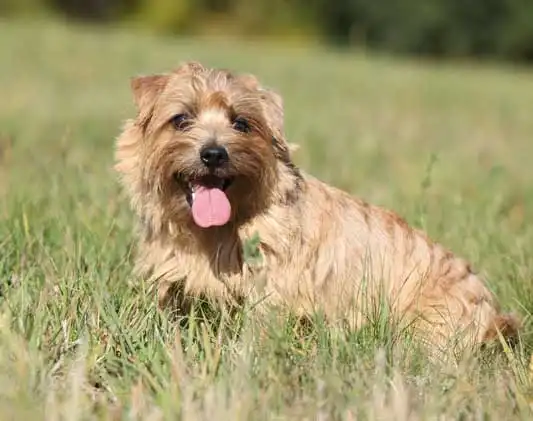
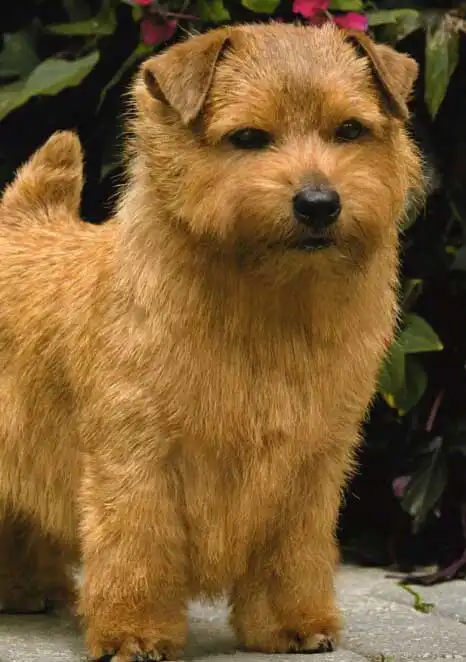
The Norfolk Terrier, one of the tiniest breeds in the Terrier group, usually weighs around 11 to 12 pounds. Despite its small size, this breed is sturdy and tenacious. Emerging in the 1800s, the Norfolk Terrier was developed from the dogs owned by gypsies and weavers, specifically for hunting vermin like rats and for bolting foxes. This breed is easily recognized by its unique combination of dropped and prick ears. While they require adequate socialization and training, many Norfolk Terriers are known to be friendly with children and generally coexist well with other pets, including both dogs and cats. Though they have an independent nature and can be a bit headstrong, consistent obedience training is essential. While not the most vocal of dogs, some training is advisable to manage excessive barking. Norfolk Terriers feature a rough coat that sheds and needs regular grooming, ideally through weekly brushing or combing. They are closely related to the Norwich Terrier, with the main difference being that the Norfolk's ears fold forward, whereas the Norwich's ears are upright. Generally regarded as more sociable than many other Terriers, Norfolk Terriers flourish when they live indoors with their families. They enjoy being active and engaged, and their well-being is closely linked to family interaction; being left outside for long periods can result in noise, destructive behavior, and unhappiness.
Breed Origin
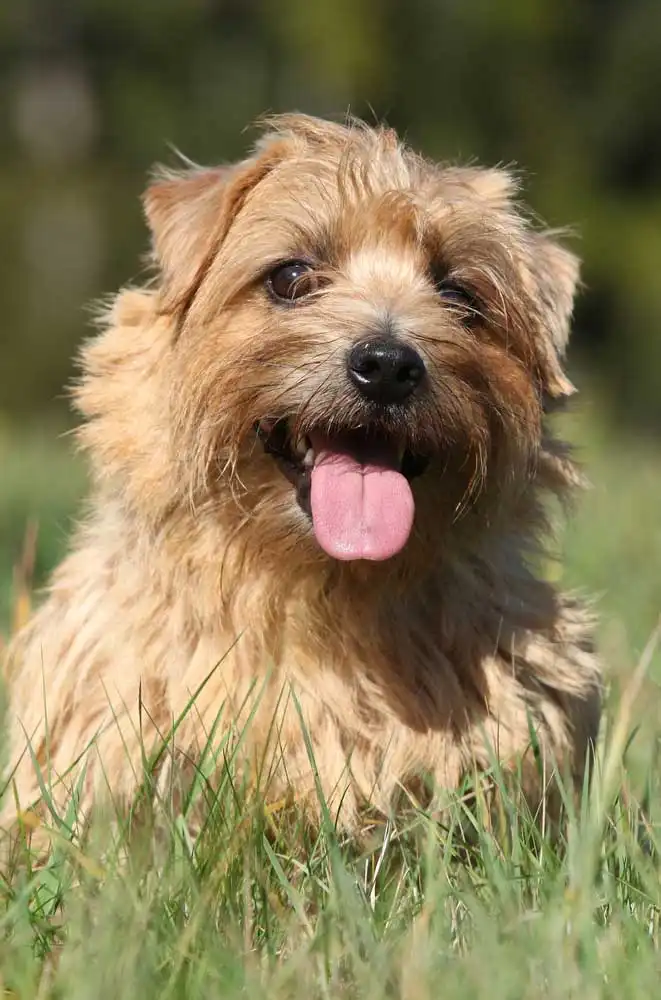
Various Terrier breeds were created with particular regions or communities in mind, leading to a rich diversity among them. Take the Norwich Terrier, for example; this breed originates from East Anglia in England and was developed through the crossbreeding of several Terrier types, including the Yorkshire and Irish breeds. This resulted in small dogs characterized by their red or black and tan coats. Originally known as Trumpington Terriers, these dogs displayed a range of sizes, colors, and ear shapes. When a breed standard was established, both prick-eared and drop-eared versions were acknowledged. However, in the 1930s, breeders stopped interbreeding the two ear types to ensure consistent ear traits in their puppies. As World War II approached, the drop-eared variety faced near extinction, primarily due to the dominance of prick-eared dogs. It was Miss Macfie who played a crucial role in the breed's preservation, drawing in other breeders who sought her guidance to help revive it. In 1964, the Kennel Club in England officially recognized the drop-eared dogs as Norfolk Terriers, a designation that the American Kennel Club adopted in 1979.
Breed Appearance
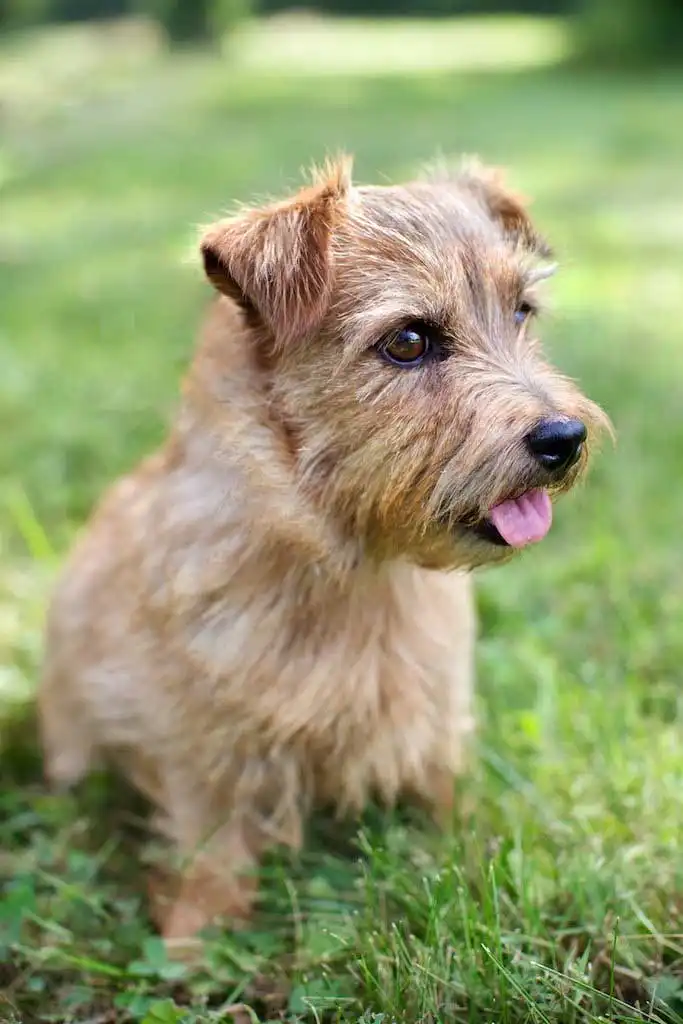
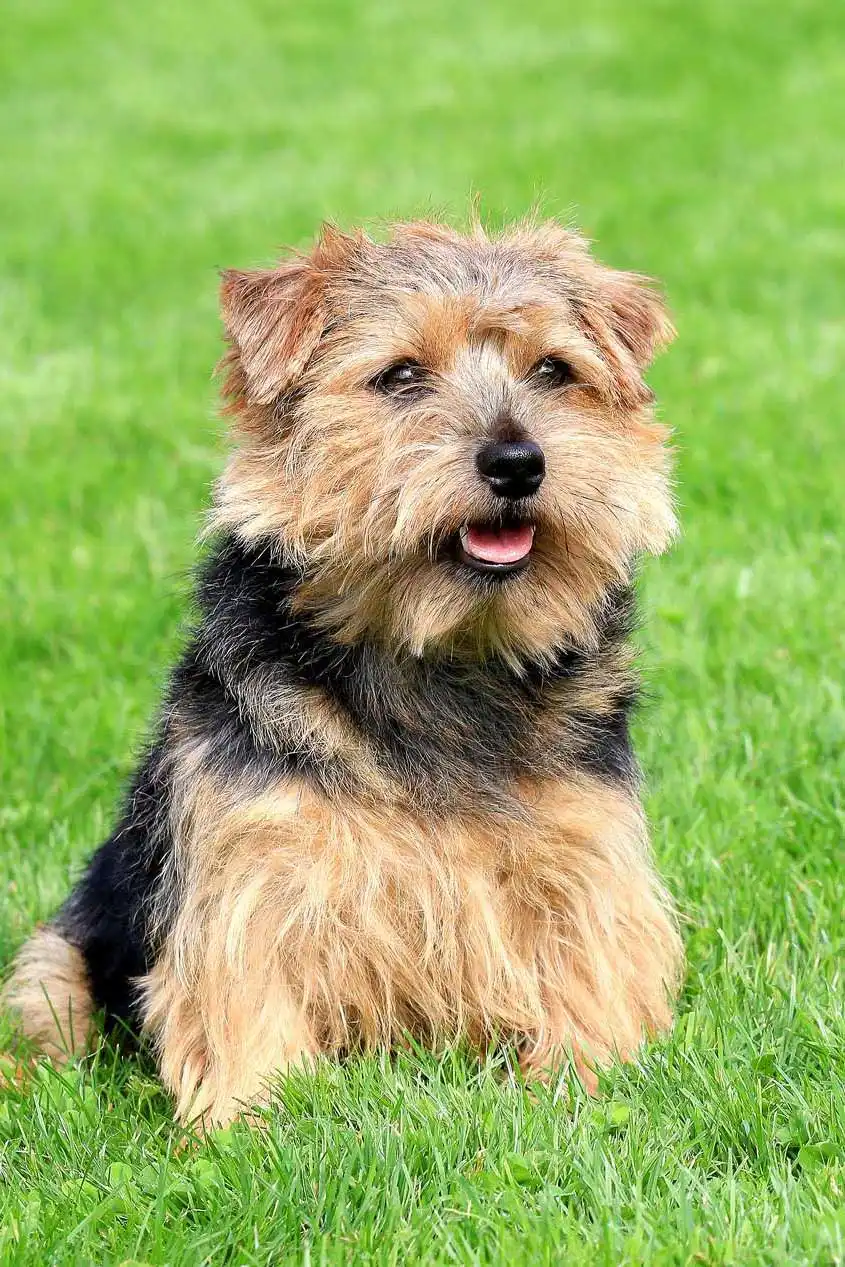
The Norfolk Terrier is a compact and robust breed, generally weighing between 11 and 12 pounds. Its physique is slightly elongated, with short legs and a docked tail. This breed exudes an energetic personality, highlighted by a fox-like muzzle adorned with noticeable whiskers and eyebrows. The ears are floppy and rest close to the head. Norfolk Terriers are known for their tough, wiry coats, which can be found in a variety of colors such as red, wheaten, black and tan, and grizzle—a mix of black or red hairs interspersed with white, often resulting in a bluish-gray or iron-gray hue.
Care Routine
The Norfolk Terrier is a breed known for its minimal shedding and requires regular grooming to keep its coat in good condition. It's important to trim their nails routinely and bathe them as necessary, depending on the specific needs of the dog. These terriers thrive on daily physical activity, ideally through two or three brief walks or play sessions of around 15 minutes each; however, skipping a day occasionally won’t harm them. Originally bred for work, Norfolk Terriers need consistent exercise to maintain their emotional and physical health. While they can adapt to living in apartments, it’s essential to ensure they receive daily walks or outdoor playtime. Ideally, having access to a securely fenced yard is best, but be mindful to secure any gardens, as they may have a tendency to dig. Although Norfolk Terriers can tolerate outdoor living, they are social creatures that enjoy being with their families and should not be left alone for long periods. It is advisable to avoid choke collars with this breed due to their delicate tracheas, which are prone to injury.
Behavior & Temperament
The Norfolk Terrier is a breed that flourishes in both work and family companionship. Staying true to its Terrier heritage, this dog showcases characteristics such as curiosity, independence, determination, and a fearless nature. Typically, Norfolk Terriers are friendly with children and get along well with other pets. While they are generally not aggressive or anxious, they may occasionally exhibit jealousy. This breed is quite intelligent and, if not adequately stimulated, might engage in digging, barking, or other mischievous behaviors. They particularly thrive in activities that involve agility, obedience, rally, and tracking. When outside, it’s essential to keep a close eye on a Norfolk Terrier, as they possess a strong hunting instinct and may chase after squirrels, rabbits, and other small creatures. Although they are quick learners with the right training, housebreaking can sometimes be a bit challenging.

Play & Exercise
Things to Know
Cups Per Day
1.0 Cups
Daily Activity
30 Minutes
Average Lifespan
14 Years
Origin
1800s
Type
Pure Breeds
Size
Small
Origin Country
England
Brush Frequency
Weekly
Coat Texture
Wiry
Register
Your kids have been begging for a pet forever, and you've recently decided that it's time for your family to get a new addition -- a dog! While everyone is excited for the new arrival, you're wondering if you need to have a dog license. How much does it cost? Is it required? Where do you get one?
Member Clubs

PETINNATE
Terrier

AKC
Terrier Group

UKC
Terrier
Height & Weight
Weight
12 lbs (5 kg)Male: 12 lbs (5 kg) , Female: 12 lbs (5 kg)
Height
10 inches (25 sm)Male: 10 inches (25 sm) , Female: 10 inches (25 sm)
6 Months
4 lbs ( m 4 lbs, f 4 lbs )
4 inches ( m 4 inches, f 4 inches )
12 Months
6 lbs ( m 6 lbs, f 6 lbs )
6 inches ( m 6 inches, f 6 inches )
18 Months
9 lbs ( m 9 lbs, f 9 lbs )
9 inches ( m 9 inches, f 9 inches )
Eye Colors
Brown

Nose Colors
Black
Coat Colors
Black
Red
Brown
Fawn
Characteristics
Mixes
Norjack
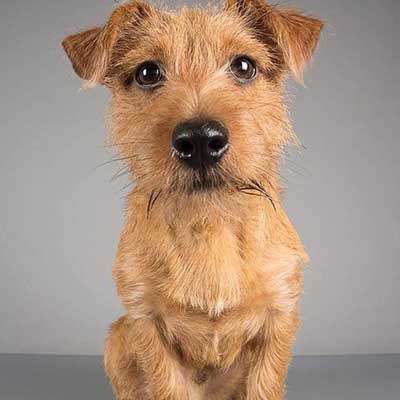
The Norjack is an uncommon designer dog, intentionally bred from two energetic terrier breeds: the Norfolk Terrier and the Parson Jack Russell Terrier. Both of these parent breeds are relatively recent, having been developed over the past two hundred years. The Parson Jack Russell was created in the 19th century to serve as a fox hunting companion, specifically trained to corner and hold a fox until hunters could arrive. On the other hand, the Norfolk Terrier was established in the 20th century, descending from a proficient rat catcher found in the urban areas surrounding Cambridge University. This hybrid breed is recognized for its intelligence, but it can also be quite demanding, requiring ample socialization, training, and attention to flourish.
Read more