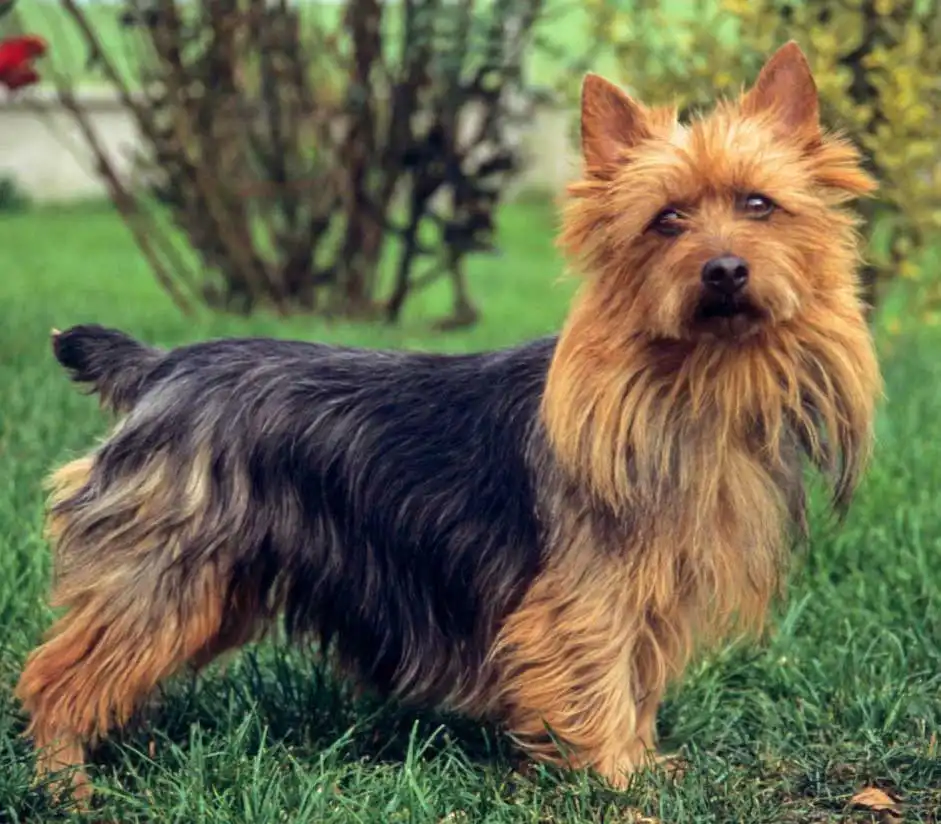
Australian Terrier
The Australian Terrier is one of the oldest breeds to be established and officially acknowledged by kennel clubs in Australia. Often called the national Terrier of Australia, it is also one of the smallest working Terrier breeds. This breed is thought to have originated in Tasmania, deriving from a mix of various European breeds. The Australian Terrier shares traits with the Silky Terrier, featuring a wiry coat that consists of a short, soft undercoat and a tough, straight outer layer. Its coat comes in several color variations, including blue and tan, sandy, and red. Known for its energetic nature, the Australian Terrier thrives on human companionship and can become anxious if left alone for long periods. Grooming this breed is fairly straightforward; it requires weekly brushing of its wiry coat and occasional stripping of dead hair every few months. Interestingly, the Australian Terrier is considered one of the quieter breeds within the Terrier group.
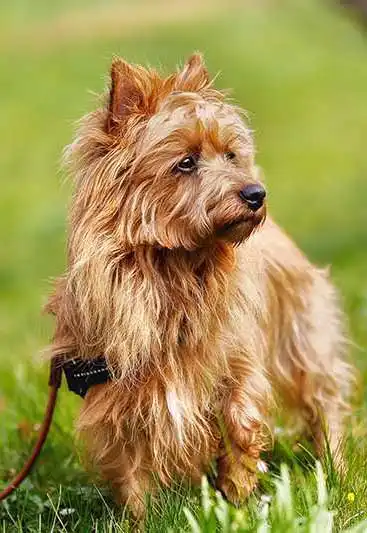
Breed Origin
The Australian Terrier is thought to originate from Tasmania, having been developed through the interbreeding of various European dog breeds. It is recognized as the first breed officially established in Australia and holds the title of the national breed. Initially, it was known by several names, such as Toy Terrier, Blue Terrier, and Rough-coated Terrier, and was first presented as the “broken-coated terrier with a blackish-blue sheen.” In its formative years, the breed was predominantly identified by its blue and tan colorations, with sandy and red markings appearing later, although they had existed in earlier versions. The breed's history dates back to the 1800s when it was formally introduced. The Australian Terrier is a mix of several breeds, including the Dandie Dinmont, Skye Terrier, Scottish Terrier, Manchester Terrier, and Yorkshire Terrier. Originally, it was bred to hunt snakes and vermin while also serving as a devoted companion. The Australian Terrier Club was founded in Melbourne in 1887, representing the first organized attempt to standardize the breed, although the official breed standard was not established until 1896. The Australian Terrier gained traction not only in British homes but also in dog shows. It made its first appearance in the United States in 1925 and was officially recognized by the American Kennel Club (AKC) in 1960.
Breed Appearance
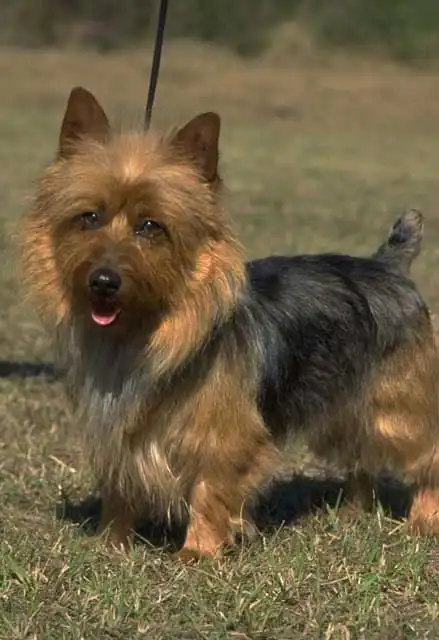
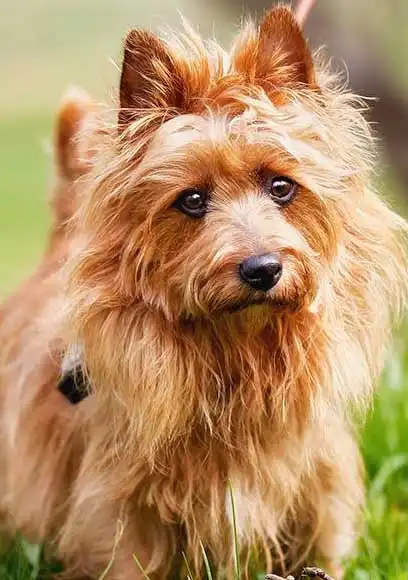
The Australian Terrier is a sturdy and compact breed with a medium bone structure. Its physique is notably longer than it is tall. This breed is distinguished by its erect ears and a docked tail, along with straight, parallel front legs. The small front paws feature arched toes and strong black nails, all supported by robust pads. Its powerful hindquarters are enhanced by well-developed upper and lower thighs. The Australian Terrier has an elongated head with small, dark brown eyes, and its ears are small, pointed, and always held upright. It boasts a strong muzzle with powerful jaws, and its nose is generally black. The breed's brown eyes reflect a keen alertness, indicative of its working dog lineage. Australian Terriers are available in a variety of colors, such as blue and tan, sandy, and red. This charming breed also has a ruff around its neck and a medium-length coat that necessitates regular grooming. Its double coat features a soft undercoat and guard hairs that reach about 2.5 inches, offering protection against harsh weather while giving the coat a somewhat coarse feel. The fur on the muzzle, lower legs, and feet is shorter. Overall, the Australian Terrier presents an intelligent demeanor and maintains an appealing stance.
Care Routine
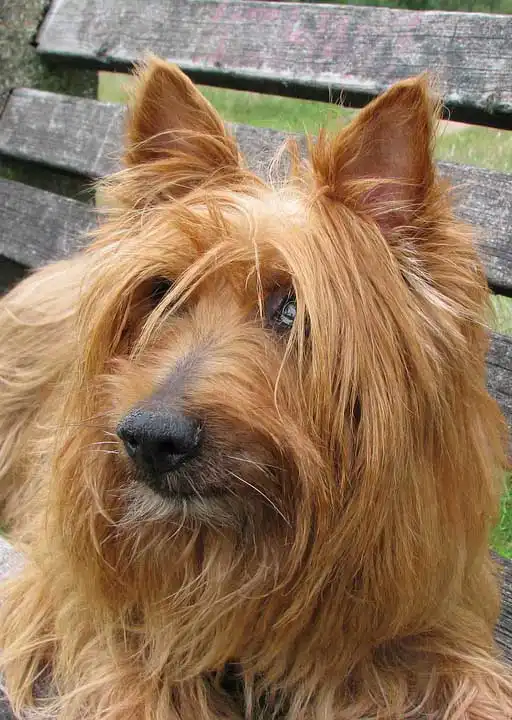
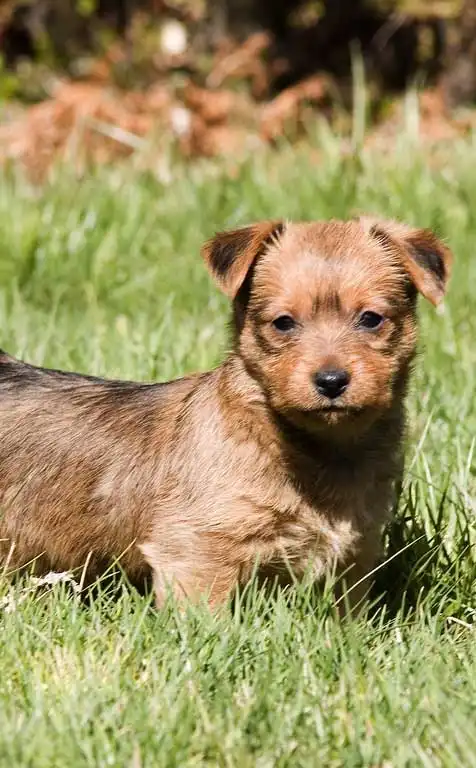
The Australian Terrier boasts a robust, wiry coat that is relatively low-maintenance. This resilient fur not only resists tangling but also effectively repels dirt. To keep the coat healthy and free from kinks, it should be brushed and combed weekly, which also helps reduce shedding. Every six to eight weeks, it’s beneficial to remove dead hair through stripping. For cleanliness, bathing the dog at least once every four weeks is advisable, as too frequent washing can dull its shine. When grooming, it’s crucial to handle the undercoat gently to promote the natural oils that enhance the coat's luster. If the hair around the eyes and ears grows too long, trimming is recommended to maintain a neat appearance. Proper grooming not only improves the dog’s look but also offers protection against varying temperatures, keeping the Australian Terrier warm and dry in winter while shielding it from heat in summer. Like many breeds, nail trimming should be done every three to four weeks to prevent painful overgrowth. Regular ear inspections are important to prevent wax accumulation, which can lead to infections. The Australian Terrier is typically a clean breed with minimal odor. Known for its lively spirit, a trait rooted in its history as a vermin hunter, this breed requires daily exercise. Ideally, an Australian Terrier thrives in a home with plenty of space to run and play, although an apartment with a secure yard can work if it receives sufficient physical activity. This breed enjoys being around people and is happiest in their company. The Australian Terrier is versatile, adapting well to both rural and urban settings, as long as it has the resources to support an active lifestyle.
Behavior & Temperament
The Australian Terrier is naturally sociable and flourishes in the company of others. This breed is known for its vibrant and spirited personality, which shines through in its interactions with humans. Celebrated for its intelligence and loving disposition, the Australian Terrier strikes a balance between independence and a hint of stubbornness. With a moderate level of energy, it is essential to provide regular exercise to ensure this dog remains happy and well-adjusted. Always on alert, the Australian Terrier is recognized as an energetic and lively companion. Originally developed for hunting pests, it may find it challenging to live harmoniously with cats and small rodents. Nevertheless, with appropriate training, this breed can learn to coexist with other animals. In family environments or with individual owners, the Australian Terrier might initially be shy around newcomers but generally warms up and becomes friendly over time.
Play & Exercise
Things to Know
Cups Per Day
1.0 Cups
Daily Activity
90 Minutes
Average Lifespan
13 Years
Origin
1800s
Type
Pure Breeds
Size
Small
Origin Country
Australia
Brush Frequency
Weekly
Coat Texture
Wiry
Register
Your kids have been begging for a pet forever, and you've recently decided that it's time for your family to get a new addition -- a dog! While everyone is excited for the new arrival, you're wondering if you need to have a dog license. How much does it cost? Is it required? Where do you get one?
Member Clubs

PETINNATE
Terrier

AKC
Terrier Group

UKC
Terrier
Height & Weight
Weight
15 lbs (7 kg)Male: 15 lbs (7 kg) , Female: 15 lbs (7 kg)
Height
11 inches (28 sm)Male: 11 inches (28 sm) , Female: 11 inches (28 sm)
6 Months
7 lbs ( m 7 lbs, f 7 lbs )
7 inches ( m 7 inches, f 7 inches )
12 Months
13 lbs ( m 13 lbs, f 13 lbs )
10 inches ( m 10 inches, f 10 inches )
18 Months
15 lbs ( m 15 lbs, f 15 lbs )
10 inches ( m 10 inches, f 10 inches )
Eye Colors
Brown

Nose Colors
Black
Coat Colors
Red
Blue

Cream
Characteristics
Mixes
Australian Yorkshire Terrier
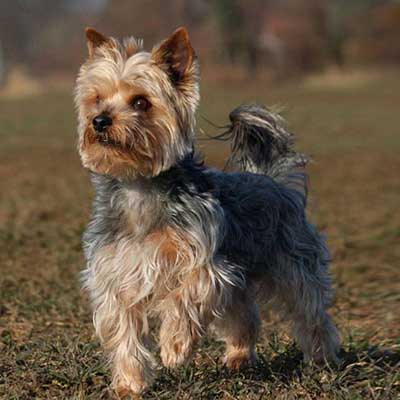
The Australian Yorkshire Terrier is a mixed breed that emerges from the combination of an Australian Terrier and a Yorkshire Terrier. Their coats typically showcase a variety of colors, including black and tan, blue, or red, and they can differ in length and texture, ranging from long to medium and from silky to straight, all designed to be water-resistant. These dogs require minimal grooming to keep their coats looking good and shed very little. While they are energetic and playful, they do not require a lot of exercise, making them suitable for people with more relaxed lifestyles. Training these terriers can be challenging due to their stubborn nature and propensity to get distracted easily; however, employing positive reinforcement and rewards can lead to successful training outcomes.
Read more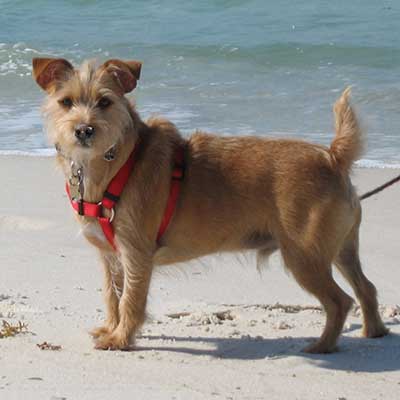
Rustralian Terrier
The Rustralian dog is a delightful mix of the Australian Terrier and the endearing Jack Russell. This unique combination creates a sturdy little terrier whose personality is much larger than its physical stature. Affectionate and playful, the Rustralian Terrier serves as a remarkable source of happiness despite its small size. They thrive on social interaction and can feel quite lonely if left alone for too long. While they are cheerful companions, they may exhibit a touch of stubbornness; however, with a patient and firm yet gentle approach, this can be effectively managed. It’s essential to establish that they are not the ones in charge; they respond best to a respectful owner. Their expressive faces, lively energy, and friendly nature make them wonderful family pets. Although they start off small as puppies, it’s vital to teach children to handle them with care, as they may appear tough but are still quite delicate. They respond well to training, particularly when encouraged with praise and small treats. With their charming, playful, and joyful personalities, they truly make for loving companions.
Read more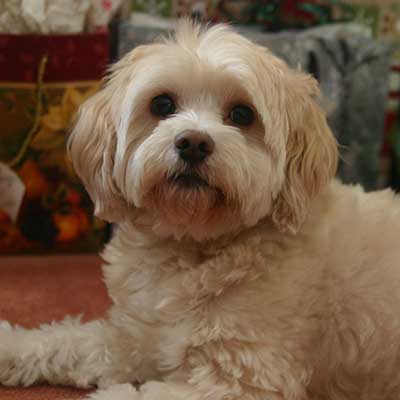
Terri-Poo
The Terri-Poo is an endearing hybrid breed created by crossing an Australian Terrier with a Poodle. Since Poodles come in three different sizes—toy, miniature, and standard—the size of a Terri-Poo can vary widely. Typically, these dogs weigh up to 20 pounds and reach a height of about 15 inches. To foster good behavior and social skills, early socialization and effective training are vital for a Terri-Poo, helping them to get along well with other pets and children. Although they may be cautious around strangers, their keen awareness makes them excellent watchdogs. This breed can be a wonderful addition to families, but it’s important to supervise their interactions with young children.
Read more