Dog Breeds by Potential For Weight Gain
Potential For Weight Gain refers to how a dog typically behaves or responds in everyday situations. Individual dogs may vary based on training, environment, and genetics.
Some breeds have hearty appetites and tend to put on weight easily. As in humans, being overweight can cause health problems in dogs. If you pick a breed that's prone to packing on pounds, you'll need to limit treats, make sure he gets enough exercise, and measure out his daily kibble in regular meals rather than leaving food out all the time.
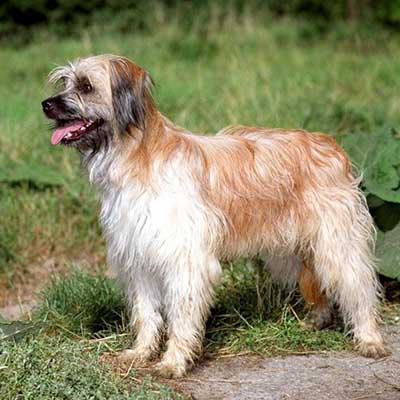
Berger Des Pyrenees
The Pyrenean Shepherd, originating from the Pyrenees Mountains in France around 6000 BC, boasts a rich history of herding and protecting sheep and goats. During World War I, these dogs played crucial roles as messengers, sentinels, and rescue animals. After the war, the energetic Pyr Shep continued its herding and guarding responsibilities while also gaining recognition in competitions and exhibitions. This cheerful breed comes in two distinct types: the rough-faced variety, known for its thick, coarse coat, and the smooth-faced type, which has a softer, finer fur. The Pyrenean Shepherd thrives in an active home environment.
Read more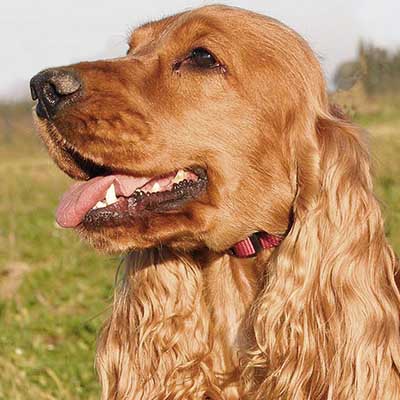
English Cocker Spaniel
English Cocker Spaniels are often described as joyful, a portrayal that truly captures their essence. Initially bred to retrieve game from thick underbrush during hunting expeditions, these dogs are energetic and devoted companions. Their coats, which are soft and silky, are prone to matting and tangling, making regular grooming essential due to their considerable shedding. The English Cocker Spaniel is the ancestor of the American Cocker Spaniel, which has been selectively bred to be somewhat smaller, with a rounder skull and a diminished prey drive. Although English Cocker Spaniels need more exercise than their American counterparts, they tend to be sturdier and less prone to anxiety or nervousness.
Read more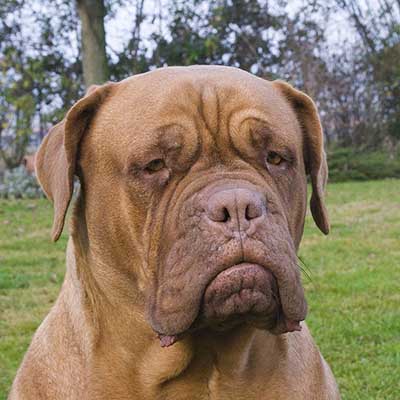
Dogue De Bordeaux
The Dogue de Bordeaux, commonly referred to as the French Mastiff, is a sizable breed with a lineage that remains somewhat ambiguous. Typically, these dogs stand around two feet tall at the shoulder and can weigh more than 99 pounds, distinguished by their prominent heads and short snouts. Unfortunately, they are susceptible to a range of health problems, including heart disease, various cancers, and hip and elbow dysplasia, which contribute to a relatively brief lifespan of five to eight years, though some may live longer. A notable case is Beasley, a nine-year-old Dogue de Bordeaux who appeared alongside Tom Hanks in the 1989 film "Turner and Hooch" and lived for three years beyond the film's release. If not properly socialized, these dogs can display stubborn and strong-willed tendencies, reminiscent of Hooch's character in the movie. However, with the right care and attention, they can develop into loyal, tolerant, and affectionate family companions.
Read more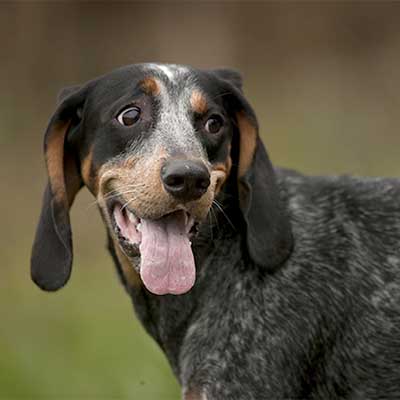
Bluetick Coonhound
The Bluetick Coonhound is a loyal and intelligent breed, renowned for its strong attachment to family members. While they can adapt to living indoors, it is crucial for their health to engage in regular physical activity. Ideally, they should have access to a securely fenced yard, as they are prone to wandering off in search of interesting scents. These dogs typically get along well with children, but they may be better suited for families with older kids due to their energetic and sometimes boisterous play style. When socialized properly from an early age, Bluetick Coonhounds exhibit a friendly and outgoing demeanor. In terms of their physical characteristics, they are both impressive and athletic, featuring a muscular yet streamlined physique that avoids any awkwardness. As skilled nocturnal hunters, they have keen eyesight and a strong dedication to tracking. However, they can be challenging for owners who are not committed to training; a lack of exercise may result in anxiety and destructive behaviors. This breed flourishes in spacious environments, such as large yards. It’s important to remember that, despite their friendly disposition towards people, they should not be trusted around cats or other small animals due to their inherent hunting instincts. Once fully trained, Bluetick Coonhounds are obedient and attentive to their owners.
Read more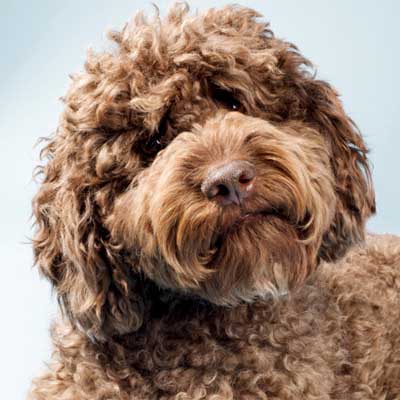
Labradoodle
The Labradoodle is a hybrid breed created by crossing a Labrador Retriever with a Poodle. This designer dog has become increasingly popular, prompting focused breeding initiatives for this specific mix. Labradoodles are known for their loving and playful demeanor, making them excellent companions for older children. However, their energetic nature might not be ideal for families with younger kids. One of their attractive features is their low shedding, which makes them hypoallergenic. They generally interact well with other dogs, but it’s crucial for them to have a safe, enclosed yard to burn off their excess energy.
Read more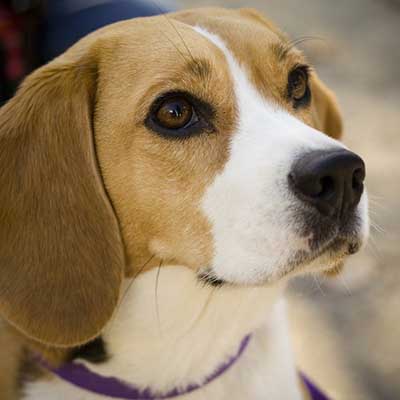
Beagle
The Beagle is frequently seen as one of the most laid-back and cheerful dog breeds. With a lively and amusing demeanor, this breed spreads happiness to those around it. Originating in England in the early 1800s, Beagles were originally developed for tracking and hunting rabbits. They flourish when allowed to explore their environment, utilizing their exceptional sense of smell, which can sometimes lead them into playful trouble. As scent hounds, Beagles have ancestry that includes the Talbot Hound, North Country Beagle, and Southern Hound. Their compact and muscular build makes them an ideal companion. Beagles are easily identifiable by their droopy ears and endearing expressions. Their short, smooth coats require little maintenance; a simple weekly brushing with a rubber curry brush is enough to keep them looking their finest.
Read more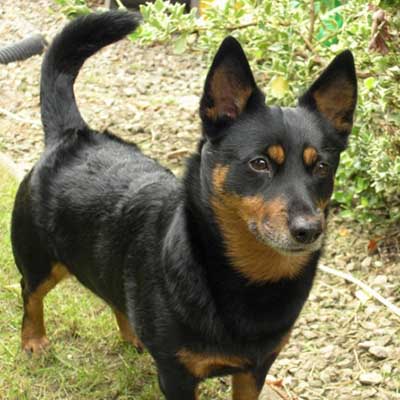
Lancashire Heeler
The Lancashire Heeler is a distinctive and rare small dog breed that hails from Great Britain. Initially bred for herding cattle, these compact dogs are nimble enough to nip at the hooves of cows while skillfully dodging any kicks. Beyond their herding responsibilities, they also served an important function in managing pests on farms, particularly rats. Generally, this breed enjoys good health and demands minimal daily grooming, although they are not hypoallergenic. While they tend to be affectionate and friendly with their families, they may exhibit wariness towards strangers, highlighting the importance of early socialization and training for their proper development.
Read more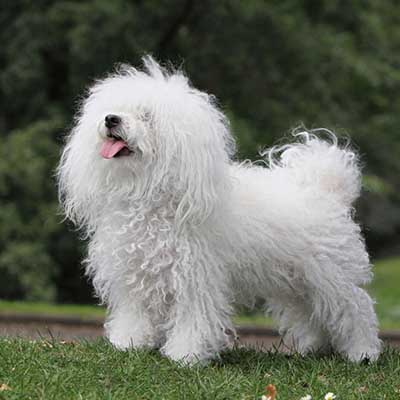
Bolognese
The Bolognese, a breed that hails from northern Italy, is celebrated as a companion dog and is one of the oldest breeds in Europe, with origins dating back to the 12th century. In the United States, however, this breed remains relatively rare. Bolognese dogs are known for their intelligence and ability to learn quickly, making them generally easy to train, although they may show a hint of stubbornness at times. Their unique, thick, curly white coat necessitates daily brushing and occasional professional grooming to keep it in good shape. Affectionately called Bolos, these dogs are low-energy and adapt well to living in apartments. Since they were specifically bred for companionship, they struggle with being left alone, which can lead to separation anxiety and result in unwanted behaviors like barking, chewing on furniture, or urinating indoors. Furthermore, due to their small size and potential delicacy, Bolognese dogs may not be the best fit for families with young children.
Read more
Pomsky
The Pomsky, a popular designer dog breed, is created by crossing a Siberian Husky with a Pomeranian. These dogs are celebrated for their intelligence, playful nature, and occasional stubbornness, often displaying a strong instinct to chase. To prevent potential aggression as they mature, it is crucial to socialize them early on. Generally, Pomskies are small to medium-sized, weighing between 20 and 30 pounds and standing up to 15 inches tall. They are characterized by their beautiful, silky medium-length coats, which typically showcase a combination of two colors. Their eyes can come in various shades, including brown, hazel, blue, or green, and some may even exhibit heterochromia, where each eye is a different color.
Read more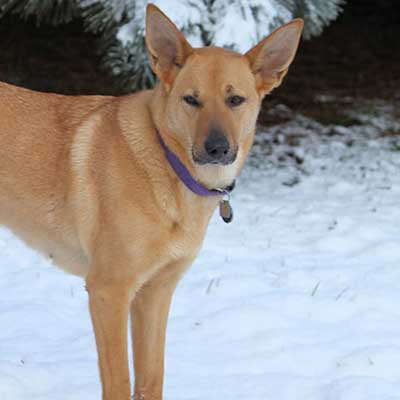
Chinook
The Chinook is a breed that is uniquely American in its heritage. Its beginnings can be traced to a female Northern Husky and a dog from the Arctic region. The father was of mixed lineage, and the resulting puppy, which was eventually named Chinook, did not closely resemble either of its parents; over time, this name became synonymous with the breed itself. Interestingly, the Chinook is believed to have been part of Admiral Byrd’s 1927 expedition to the South Pole, where it reportedly achieved remarkable records in terms of time, distance, and load capacity during the early 20th century. Today, thanks to the commitment of a small group of passionate breeders, the Chinook remains a rare breed.
Read more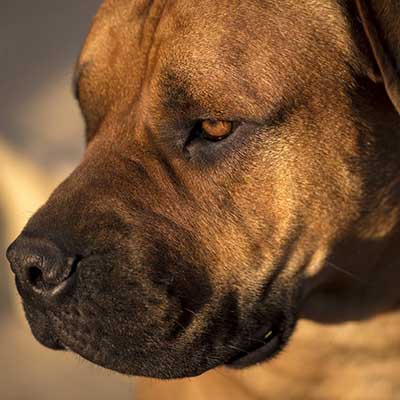
South African Boerboel
The Boerboel is a reliable breed recognized for its robust protective nature. This dog is fiercely loyal, ready to defend its family and home when its owners are away, and will not allow strangers to enter. Energetic and playful, Boerboels enjoy spending time with children, engaging in games of chase and running around for long stretches. They show impressive patience with kids, welcoming their playful antics and relishing the attention they receive. While they are devoted and affectionate towards their owners, it is crucial for them to have a strong, authoritative figure to set boundaries and ensure they obey commands. Due to their strength and powerful jaws, having a capable leader during their developmental stages is vital to prevent any potential risks to others. When it comes to guests, Boerboels require a proper introduction before they will accept them.
Read more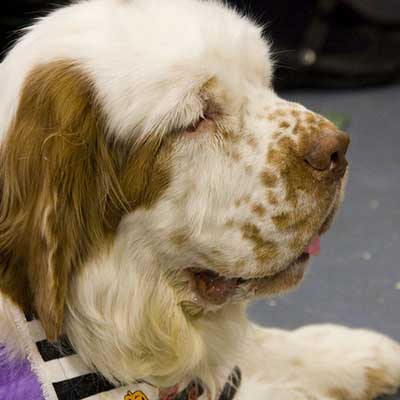
Clumber Spaniel
The Clumber Spaniel, which emerged in the 1700s, is celebrated as one of the oldest and sturdiest breeds within the Spaniel family. Its ancestry is believed to include the Alpine Spaniel, Basset Hound, and Saint Bernard. These dogs typically have a medium height but are characterized by their solid build. Renowned for their gentle and affectionate temperament, Clumber Spaniels often exhibit a playful and somewhat goofy personality. Although they may drool and shed, their intelligence and eagerness to learn make them delightful companions. Commonly known as the "retired gentleman’s Spaniel," they also excel as hunters. While they are generally easy to house train, it’s important not to leave them alone for long periods, as they can become bored and might chew on household items. With their short legs, large heads, and unique stature, Clumber Spaniels have a striking appearance.
Read more