Dog Breeds by Potential For Weight Gain
Potential For Weight Gain refers to how a dog typically behaves or responds in everyday situations. Individual dogs may vary based on training, environment, and genetics.
Some breeds have hearty appetites and tend to put on weight easily. As in humans, being overweight can cause health problems in dogs. If you pick a breed that's prone to packing on pounds, you'll need to limit treats, make sure he gets enough exercise, and measure out his daily kibble in regular meals rather than leaving food out all the time.

Greater Swiss Mountain Dog
The Greater Swiss Mountain Dog, commonly known as the Swissy, is a gentle and affectionate breed that delights in making its owners happy. Although they are intelligent and can sometimes be a bit headstrong, their steadfast loyalty more than makes up for these tendencies. Generally, they are calm around children, other animals, and friendly guests, but they also make excellent watchdogs thanks to their sharp awareness. Originating from Switzerland, this breed has a rich history that dates back nearly 2,000 years, making it one of the oldest dog breeds in the country. Originally developed for herding, guarding, and draft work, the Greater Swiss Mountain Dog has transformed into a versatile companion, thriving in various activities such as competitive obedience, carting, tracking, and protection.
Read more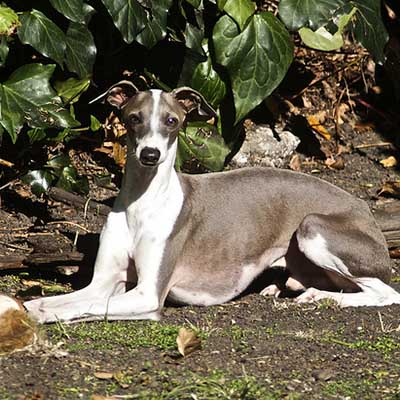
Italian Greyhound
The Italian Greyhound is recognized as the smallest of the sighthound breeds, often referred to as "miniature" due to its petite size. Historical artwork from ancient Egypt depicts dogs that closely resemble this breed. Renowned for their affectionate and lively disposition, Italian Greyhounds were originally bred for hunting purposes but have evolved into cherished companions that enjoy lounging on laps. It is crucial to keep them indoors or in a securely fenced space, as they have a propensity to chase after cars, bicycles, and even pedestrians. Although they are quite intelligent, they can pose challenges during house training. To flourish, they need plenty of love and attention. Furthermore, they may be sensitive to certain insecticides and anesthetics, yet they are generally regarded as healthy dogs overall.
Read more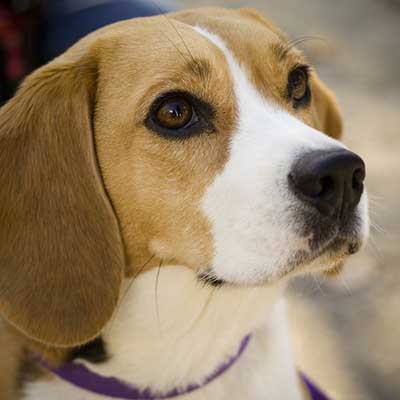
Beagle
The Beagle is frequently seen as one of the most laid-back and cheerful dog breeds. With a lively and amusing demeanor, this breed spreads happiness to those around it. Originating in England in the early 1800s, Beagles were originally developed for tracking and hunting rabbits. They flourish when allowed to explore their environment, utilizing their exceptional sense of smell, which can sometimes lead them into playful trouble. As scent hounds, Beagles have ancestry that includes the Talbot Hound, North Country Beagle, and Southern Hound. Their compact and muscular build makes them an ideal companion. Beagles are easily identifiable by their droopy ears and endearing expressions. Their short, smooth coats require little maintenance; a simple weekly brushing with a rubber curry brush is enough to keep them looking their finest.
Read more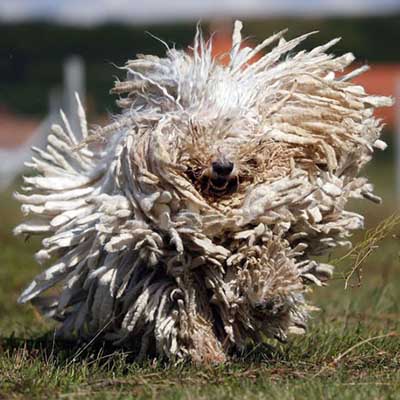
Komondor
This breed is known for its sharp awareness and steadfast loyalty to their human families. They are courageous dogs that thrive when entrusted with tasks, but without proper socialization during their puppy stage, they may display territorial and aggressive tendencies towards unfamiliar people and animals. Their unique coat, reminiscent of a mop, is perfectly designed for their original role of protecting livestock in frigid environments. Although they have a strong independent streak, they respond well to engaging and diverse training techniques, particularly when led by a confident handler. Despite their considerable size, they can adapt to living indoors as long as they receive sufficient exercise and regular outings. To deter them from asserting dominance over their territory—a typical trait of guard dogs—a tall fence is crucial around your property. However, beneath their rugged facade, they truly enjoy cozying up indoors with their loved ones.
Read more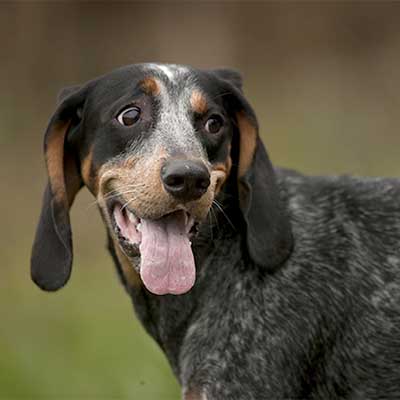
Bluetick Coonhound
The Bluetick Coonhound is a loyal and intelligent breed, renowned for its strong attachment to family members. While they can adapt to living indoors, it is crucial for their health to engage in regular physical activity. Ideally, they should have access to a securely fenced yard, as they are prone to wandering off in search of interesting scents. These dogs typically get along well with children, but they may be better suited for families with older kids due to their energetic and sometimes boisterous play style. When socialized properly from an early age, Bluetick Coonhounds exhibit a friendly and outgoing demeanor. In terms of their physical characteristics, they are both impressive and athletic, featuring a muscular yet streamlined physique that avoids any awkwardness. As skilled nocturnal hunters, they have keen eyesight and a strong dedication to tracking. However, they can be challenging for owners who are not committed to training; a lack of exercise may result in anxiety and destructive behaviors. This breed flourishes in spacious environments, such as large yards. It’s important to remember that, despite their friendly disposition towards people, they should not be trusted around cats or other small animals due to their inherent hunting instincts. Once fully trained, Bluetick Coonhounds are obedient and attentive to their owners.
Read more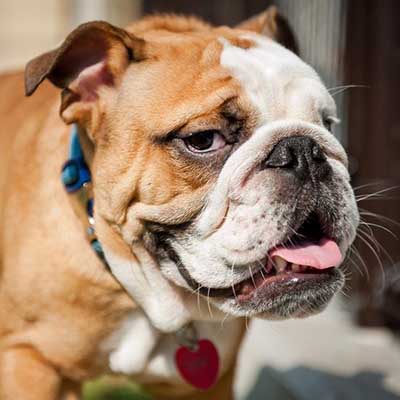
English Bulldog
The Bulldog often reveals a surprising contrast between its fierce, intimidating look and its true character. Beneath that tough facade lies a gentle and loving nature; these dogs are remarkably friendly and deeply value their human companions, all while exhibiting a playful streak of stubbornness. Above all, their loyalty to their families is steadfast. As puppies, Bulldogs are brimming with energy, but they gradually evolve into more laid-back adults. They have a special affinity for children, showcasing impressive patience; when they’ve had enough excitement, they simply relocate to a quieter area. Bulldogs also get along well with other pets, making them one of the most versatile breeds for households with multiple animals. As they age, Bulldogs tend to become a bit more sedentary, preferring to relax by your side and observe their surroundings. While they enjoy playtime with kids, it won’t be long before they seek out their favorite sunny spot for a nap. It’s essential to keep in mind that Bulldogs can easily overheat, so they need a cool retreat during the hot summer months. Additionally, they are known for their drooling and snoring, and their short snouts can lead to specific health concerns. Nonetheless, they are charming and devoted companions that bring joy and laughter to any household.
Read more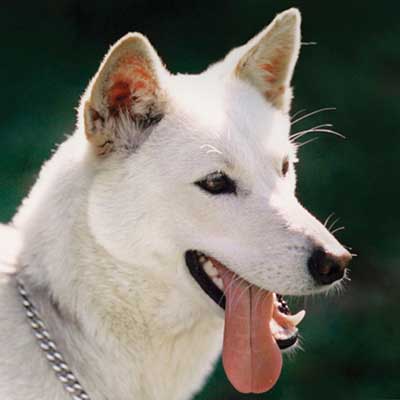
Jindo
The Jindo is a strong and muscular dog belonging to the Spitz family, originating from South Korea. This breed is characterized by its joyful personality and flourishes when engaged in activities. Initially developed as a versatile hunting dog, these instincts remain strong today. Jindos are incredibly loyal, often forming a profound bond with one person while still being friendly with other family members. Adult Jindos may find it challenging to adjust to new environments and have been known to travel great distances to return to their original homes and owners. They are inherently clean and adapt easily to house training. However, without proper socialization with other dogs during their early years, Jindos can display territorial tendencies and may react aggressively towards unfamiliar dogs that enter their space.
Read more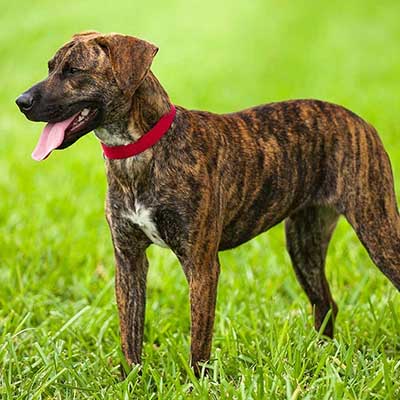
Plott Hound
The Plott Hound is an intriguing breed recognized for its tenacious spirit. This dog is not only devoted but also loving, making it an ideal companion for families with kids. Distinctively, the Plott Hound is the sole coonhound breed that does not share ancestry with the Foxhound. Known for being vocal and full of energy, this breed enjoys running and engaging in play. However, its propensity to bark may render it unsuitable for apartment living. With a lively personality and a protective nature, the Plott Hound makes a superb guardian for your home. Given its hunting instincts, it's wise to have a tall, secure fence to keep it from chasing after any nearby wildlife.
Read more
Pomsky
The Pomsky, a popular designer dog breed, is created by crossing a Siberian Husky with a Pomeranian. These dogs are celebrated for their intelligence, playful nature, and occasional stubbornness, often displaying a strong instinct to chase. To prevent potential aggression as they mature, it is crucial to socialize them early on. Generally, Pomskies are small to medium-sized, weighing between 20 and 30 pounds and standing up to 15 inches tall. They are characterized by their beautiful, silky medium-length coats, which typically showcase a combination of two colors. Their eyes can come in various shades, including brown, hazel, blue, or green, and some may even exhibit heterochromia, where each eye is a different color.
Read more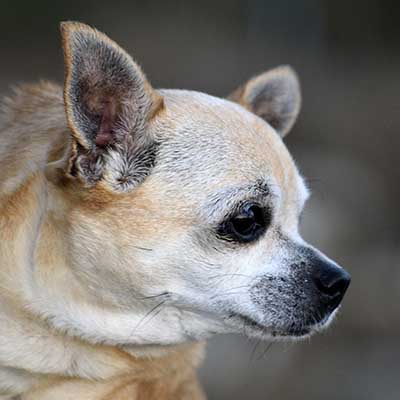
Chihuahua
The Chihuahua, celebrated as the tiniest dog breed in the world, takes its name from the Mexican state of Chihuahua. Both legends and archaeological findings indicate that these dogs originated in Mexico, with toy-like figures resembling Chihuahuas unearthed from Mexico to El Salvador, dating back to approximately 100 AD. Chihuahuas can have either long or short coats and are divided into two main head shapes: “apple heads,” which have rounder skulls, closely spaced eyes, and shorter legs, and “deer heads,” characterized by flatter skulls, wider-set eyes, larger ears, and longer legs. At present, apple-headed Chihuahuas are more popular among dog lovers. They come in a wide array of colors and patterns, but in this breed, the color does not influence the dog's personality. While Chihuahuas are primarily companions, they can take on a guarding role if not properly trained, exhibiting protective behaviors. Known for their spirited nature, loyalty, and protectiveness, Chihuahuas can be quick to react, making them less ideal for families with young children. They often form strong bonds with a single owner, showing a preference for that individual over others in the home, and they typically enjoy the company of fellow Chihuahuas more than that of other dog breeds.
Read more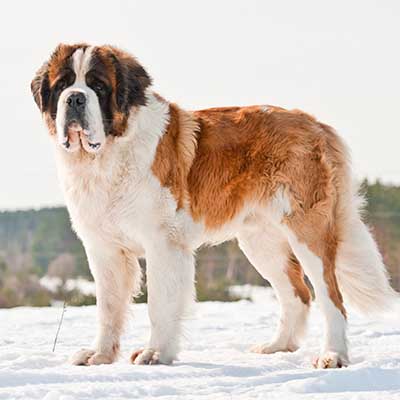
Saint Bernard
The Saint Bernard is a friendly and loving breed, especially known for their gentle nature with children, showcasing impressive patience and tolerance. Due to their large size, they are not well-suited for small living spaces, even though they typically have a calm disposition. Bred to withstand the severe cold of the Alps, they do not cope well in hot weather. These dogs thrive on companionship and prefer to stay indoors with their families. With a stable temperament, Saint Bernards may take longer to mature mentally and often maintain a playful, puppy-like spirit well into adulthood, making them charming companions. However, for those who prioritize cleanliness, their biannual shedding, drooling, and tendency to bring in dirt can pose challenges. They need plenty of room to move around comfortably but are not overly energetic. Training is generally easy, although they can be a bit stubborn at times. A well-adjusted Saint Bernard benefits greatly from early socialization with a variety of people and experiences.
Read more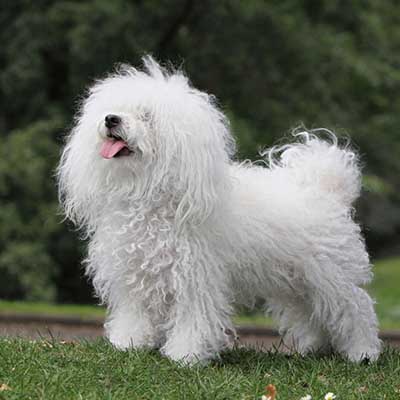
Bolognese
The Bolognese, a breed that hails from northern Italy, is celebrated as a companion dog and is one of the oldest breeds in Europe, with origins dating back to the 12th century. In the United States, however, this breed remains relatively rare. Bolognese dogs are known for their intelligence and ability to learn quickly, making them generally easy to train, although they may show a hint of stubbornness at times. Their unique, thick, curly white coat necessitates daily brushing and occasional professional grooming to keep it in good shape. Affectionately called Bolos, these dogs are low-energy and adapt well to living in apartments. Since they were specifically bred for companionship, they struggle with being left alone, which can lead to separation anxiety and result in unwanted behaviors like barking, chewing on furniture, or urinating indoors. Furthermore, due to their small size and potential delicacy, Bolognese dogs may not be the best fit for families with young children.
Read more