Australian Shepherd
Aussie, Spanish Shepherd, Pastor Dog, Bob-Tail
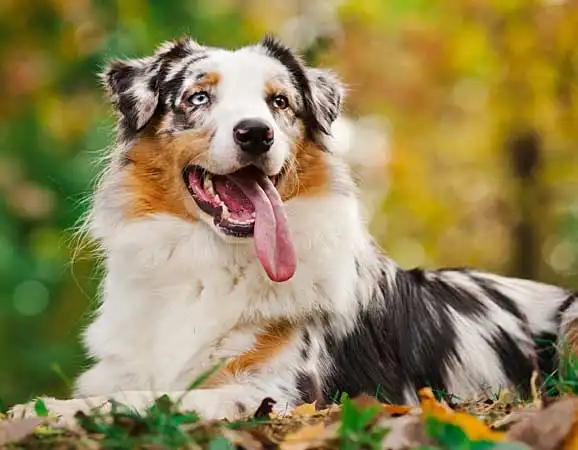
The Australian Shepherd is a remarkably intelligent and loyal companion, yet it is also a breed brimming with energy that flourishes with active involvement. Renowned for its prowess in a variety of canine sports such as herding trials, tracking, agility, flyball, tricks, and obedience, the Aussie—its affectionate nickname—demands a household that can provide consistent training, structure, and plenty of physical exercise. This breed possesses a strong herding instinct, often leading it to nip at or bark at animals, people, and objects. If not given a specific task to engage with, the Australian Shepherd may exhibit disruptive and destructive behaviors. Interestingly, despite its name, the breed was actually developed in the United States for herding purposes.
Breed Origin
Despite its name, the Australian Shepherd did not actually originate in Australia. This breed was developed in the western United States during the Gold Rush of the 1840s. Primarily bred for herding livestock, particularly sheep, the Aussie excels when given tasks, whether that involves herding or performing tricks. The breed's name likely derives from its ancestors, who are thought to have made their way to the U.S. via Australia. It is believed that Basque shepherds from Europe brought their sheepdogs to Australia and later migrated with them to the western U.S. American herders may have referred to these dogs as "Australian Shepherds" due to their earlier connection with Australia. In the 1950s, Australian Shepherds rose to prominence as trick performers in rodeos and films, which greatly enhanced their popularity. The breed was first registered with the National Stock Dog Registry, formerly known as the International English Shepherd Registry. In 1957, the Australian Shepherd Club of America was founded and quickly became the largest registry for the breed in the U.S. The United States Australian Shepherd Association was established to seek recognition from the American Kennel Club. Ultimately, in 1993, the American Kennel Club recognized the Australian Shepherd and began registering both individual dogs and litters. In addition to herding livestock on ranches, the Aussie takes on various roles, such as guide dog for individuals with visual or hearing impairments, search and rescue dog, drug detection dog, and therapy dog. They also enjoy performing tricks, participating in agility activities, and playing with their families in the yard.
Breed Appearance
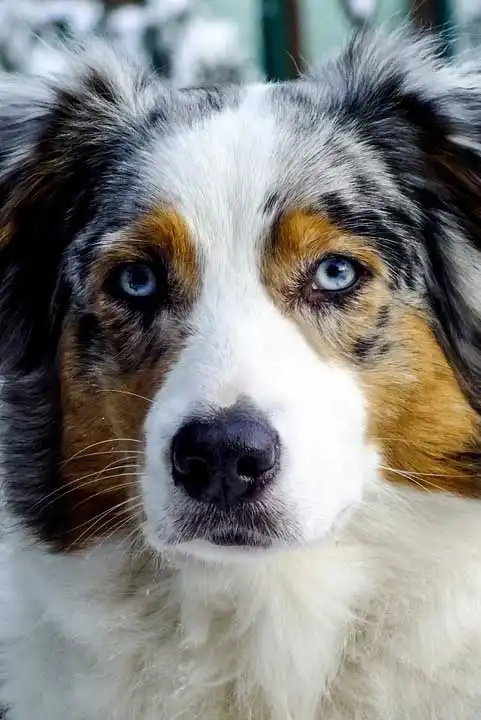
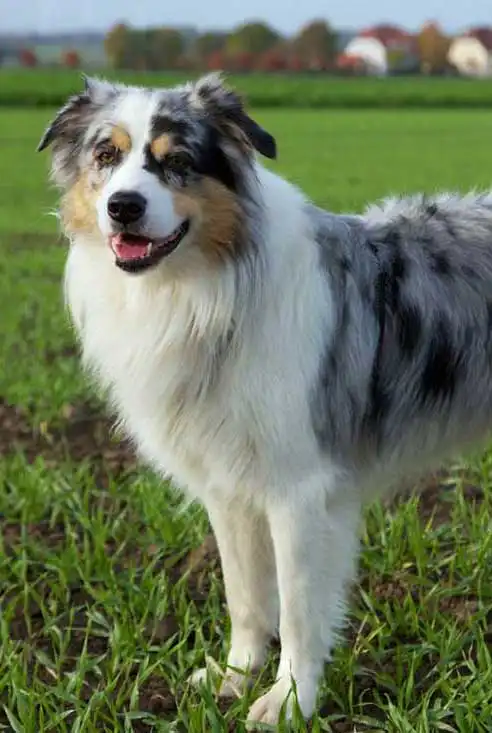
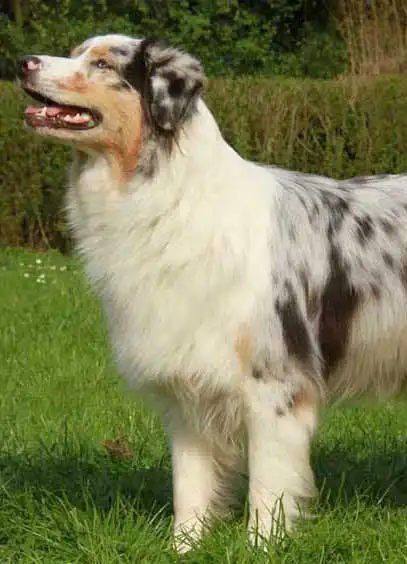
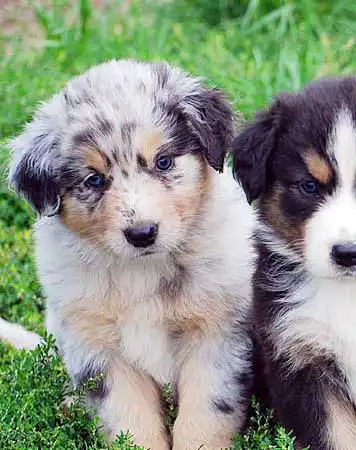
The Australian Shepherd is known for its slightly elongated physique, which conveys a lively, agile, and sturdy presence. Both the front and back legs should be of equal width and stand firmly. This breed is distinguished by its almond-shaped eyes, which can be brown, blue, or amber, showcasing their keen intelligence and vigilance. The ears are triangular, set high on the head, and should be folded rather than drooping. In terms of coloration, blue merles and blacks should have a black nose, while red merles and reds are expected to have a liver-colored nose. While many Australian Shepherds have their tails docked, some may naturally have a bobbed tail. The breed features a double coat that withstands various weather conditions; although not long, it is quite dense. Typically, the undercoat sheds during the spring or summer, and unspayed females will shed after each heat cycle. The outer coat is mostly straight, with a slight curl being acceptable.
Care Routine
The Australian Shepherd is not classified as hypoallergenic and experiences a moderate level of shedding. Their coat is relatively straightforward to maintain, requiring grooming with a natural bristle brush or comb several times a week. During these grooming sessions, it's crucial to inspect for burrs and other debris that may have become caught in their fur while outdoors. Bathing should be limited to when it's truly necessary, as frequent washing can result in dry skin and hair loss. The undercoat generally sheds once or twice a year, with shedding patterns influenced by the climate. Female Australian Shepherds will shed their undercoat following each heat cycle due to hormonal fluctuations. During these shedding phases, more regular grooming is vital to manage the loose hair, which tends to come out in clumps. Nail trimming or grinding should be done as required, typically every two to three weeks, and ears should be cleaned weekly to help prevent infections.
Behavior & Temperament
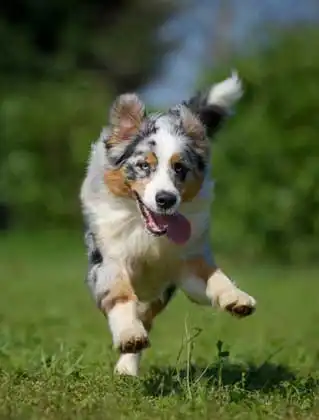
The Australian Shepherd was intentionally bred to manage livestock and often seeks to take on the role of the pack leader within a home. With consistent training and a clear understanding of their position in the family hierarchy, these dogs can become wonderful companions. However, it can be difficult to keep an Australian Shepherd both mentally and physically engaged if they do not receive sufficient exercise and mental stimulation. They excel in various activities, including agility, water diving, obedience training, and herding, and they also love learning new tricks and taking long walks in the neighborhood. To avoid their instinct to herd cars, children, or other animals, having a secure, fenced yard is crucial. While Australian Shepherds are extremely loyal to their families, they can be somewhat aloof with strangers and other dogs. Thus, early socialization is vital to help them adjust to new situations and experiences.
Play & Exercise
Things to Know
Cups Per Day
2.5 Cups
Daily Activity
90 Minutes
Average Lifespan
14 Years
Origin
1800s
Type
Pure Breeds
Size
Medium
Origin Country
United States
Brush Frequency
Weekly
Coat Texture
Straight
Register
Your kids have been begging for a pet forever, and you've recently decided that it's time for your family to get a new addition -- a dog! While everyone is excited for the new arrival, you're wondering if you need to have a dog license. How much does it cost? Is it required? Where do you get one?
Member Clubs

PETINNATE
Herding Dog

AKC
Herding Group

UKC
Herding Dog
Height & Weight
Weight
54 lbs (24 kg)Male: 63 lbs (29 kg) , Female: 45 lbs (20 kg)
Height
21 inches (53 sm)Male: 22 inches (56 sm) , Female: 20 inches (51 sm)
6 Months
19 lbs ( m 19 lbs, f 19 lbs )
12 inches ( m 12 inches, f 12 inches )
12 Months
37 lbs ( m 37 lbs, f 37 lbs )
17 inches ( m 17 inches, f 17 inches )
18 Months
45 lbs ( m 45 lbs, f 45 lbs )
19 inches ( m 19 inches, f 19 inches )
Eye Colors
Blue

Brown
Amber
Nose Colors
Black
Brown
Coat Colors
Black
Red
Blue
Characteristics
Mixes
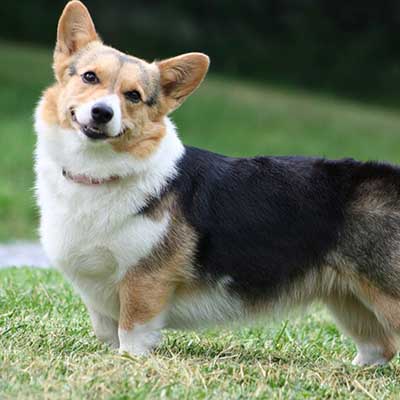
Aussie-Corgi
The hybrid known as the Aussie-Corgi is the result of crossing an Australian Shepherd with a Pembroke Welsh Corgi, and they are often endearingly called Augies. These dogs are celebrated for their intelligence and friendly nature, along with a strong herding instinct. They are medium-sized, featuring a long, compact body that sits relatively low to the ground, although their legs tend to be longer than those of their Corgi ancestors, and their backs are shorter. Like their parent breeds, Aussie-Corgis are adept at herding, but they also thrive as family pets. Generally sociable and friendly, they exhibit a remarkable tolerance for children and other animals. However, their high energy levels, tendency to shed, and inclination to bark may make them less suitable for apartment living.
Read more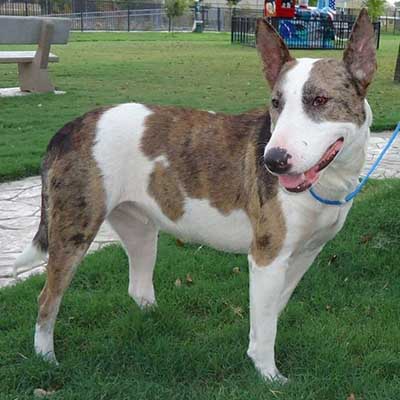
Aussietare
An Aussietare is a hybrid dog that results from crossing a purebred Australian Shepherd with a Bull Terrier. These dogs are intentionally bred to be energetic companions. They are known for their protective instincts, playful personalities, and occasional aggression—traits that stem from their Terrier and Bulldog lineage. Aussietares thrive on social engagement and dislike being left alone for long periods. Regular exercise is crucial for their health and happiness. This breed is particularly ideal for active couples or families with older children. Typically classified as a large breed, Aussietares weigh between 50 to 70 pounds and stand 20 to 23 inches tall, with an average lifespan ranging from 11 to 15 years. Their coats are medium to short in length and display a variety of colors common to both Australian Shepherds and Bull Terriers, often showcasing either subtle or bold markings reminiscent of the Australian Shepherd.
Read more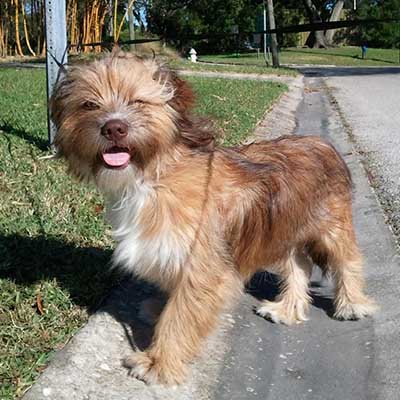
Auss-Tzu
The Auss-Tzu, a charming blend of Miniature Australian Shepherd and Shih-Tzu, is a small, friendly dog recognized for its plush, dense coat that requires daily grooming. These lively dogs benefit from a diet high in fats and proteins to support their well-being. Initially developed as companion animals, they are not suited for guarding duties but shine in activities such as flyball, agility, and trick training. Although they thrive in homes with at least a small yard, they can adjust to apartment living if given enough exercise and attention, as they tend to be quiet and well-mannered pets.
Read more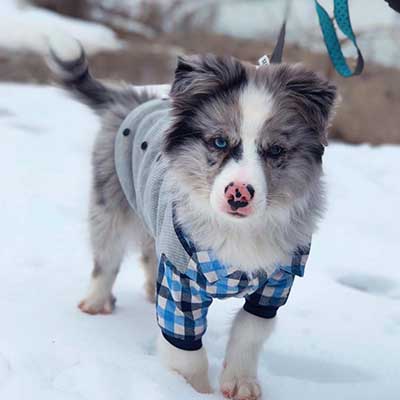
Australian Eskimo
The Australian Eskimo is a mixed breed that merges characteristics of the American Eskimo and the Australian Shepherd. These dogs usually sport a mainly white coat with brown or black markings that may be speckled or spotted. Their fur tends to be wavy and coarse, requiring regular grooming to keep it looking neat, and they experience moderate shedding. Inheriting strong herding instincts from their Australian Shepherd ancestry, these dogs are primarily celebrated for their loving and playful personalities, making them wonderful companions. While they are generally not very vocal and rarely bark at unfamiliar faces, they are gentle with children and form strong bonds with their families. Training is achievable, but owners should be ready to dedicate time and patience to see the desired outcomes. Furthermore, they adapt well to different climates, thriving in both warm and cold conditions.
Read more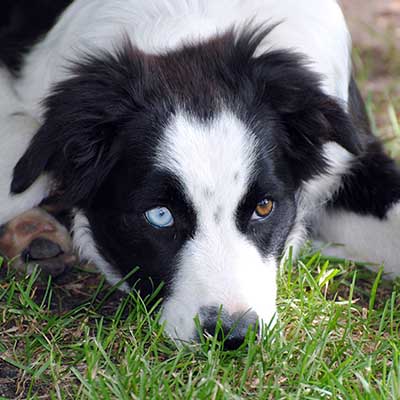
Border-Aussie
The Border-Aussie is a hybrid breed that emerges from the union of two prominent herding dogs. Known for their intelligence and high energy, these medium-sized dogs are eager to please their owners, which simplifies the training process. However, they require at least two hours of vigorous exercise daily to stay happy and healthy. When socialized appropriately, they are generally friendly, but their instinct to herd may cause them to nip at the heels of children and other pets. Due to their size and significant exercise needs, this lively mix is usually not ideal for apartment living.
Read more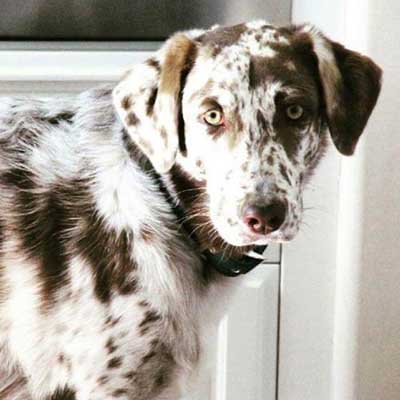
Sheprador
The Sheprador is a mixed breed that emerges from the combination of an Australian Shepherd and a Labrador Retriever. Both parent breeds are medium to large, so Shepradors typically weigh around 60 pounds, fitting comfortably within that size range. Renowned for their friendly nature, Shepradors are wonderful family companions, thriving in environments with children and other pets, while also being capable guard dogs. Their high intelligence facilitates straightforward training, allowing them to master a range of commands and tasks. This breed sports a medium-length, thick coat that needs to be brushed several times a week to reduce tangles and shedding. Furthermore, Shepradors are generally robust and can enjoy a lifespan of about 14 years.
Read more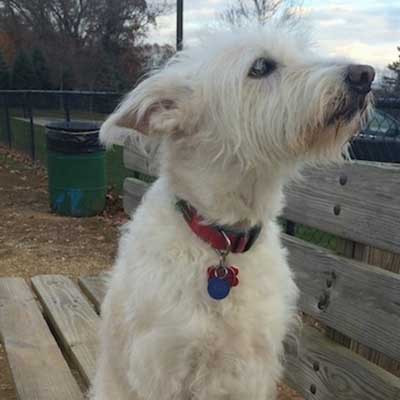
Standard Auss-Tzu
The Standard Auss-Tzu is a medium-sized breed designed specifically as a companion dog. This distinctive and clever hybrid results from crossing the Standard Australian Shepherd with the Shih Tzu. Its beautiful, thick, and silky coat, which combines traits from both parent breeds, features an endearing beard around the muzzle and expressive eyebrows. Available in a variety of colors, this coat is low-shedding. When it comes to personality, the Standard Auss-Tzu is incredibly loving and has a genuinely kind disposition. He interacts wonderfully with children of all ages, showcasing a playful and delightful character. If socialized with other pets from a young age, he typically adjusts well to living in multi-pet environments. This breed is perfect for those looking for a joyful and affectionate companion, although it may be more suitable for individuals with some prior dog experience. This is mainly due to his occasional stubbornness during training. Nevertheless, with consistent and gentle instruction, the Standard Auss-Tzu can learn proper behavior and manners in various situations. Given his energetic nature, he may not do well in an apartment setting and generally needs plenty of space to run and play.
Read more