Dog Breeds by Sensitivity
Sensitivity refers to how a dog typically behaves or responds in everyday situations. Individual dogs may vary based on training, environment, and genetics.
Some dogs will let a stern reprimand roll off their backs, while others take even a dirty look to heart. Low-sensitivity dogs, also called "easygoing," "tolerant," "resilient," and even "thick-skinned," can better handle a noisy, chaotic household, a louder or more assertive owner, and an inconsistent or variable routine. Do you have young kids, throw lots of dinner parties, play in a garage band, or lead a hectic life? Go with a low-sensitivity dog.
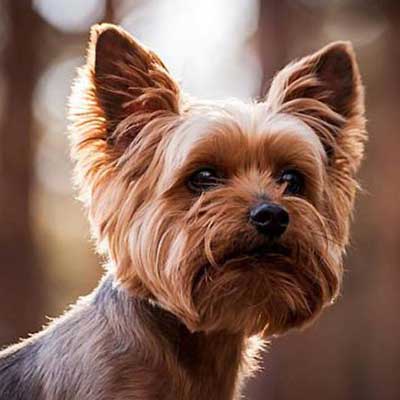
Yorkshire Terrier
The contemporary Yorkshire Terrier is a small breed primarily valued for companionship. In stark contrast, its forebears were much larger and were utilized for hunting small rodents and other vermin. It is thought that the Yorkshire Terrier emerged from a mix of several terrier breeds, with some contributions from the Maltese. Among these breeds are the Skye Terrier, Dandie Dinmont, Manchester Terrier, and the now-extinct Paisley or Clydesdale Terrier. Over the years, this brave little hunting dog evolved into a trendy pet, so petite that many women now carry them in handbags or under their arms. The American Kennel Club officially recognized the Yorkshire Terrier in 1885.
Read more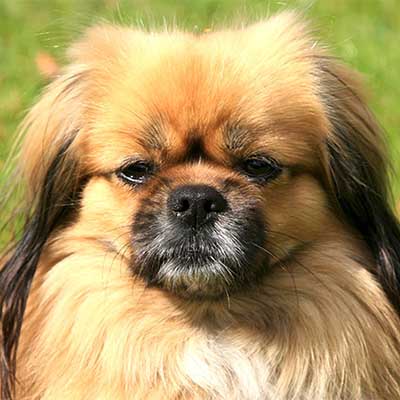
Tibetan Spaniel
The Tibetan Spaniel, celebrated for its independent spirit and gentle demeanor, was originally bred by Buddhist monks in Tibet. This breed is reminiscent of a lion, which holds significant meaning in Buddhism. While it shares some characteristics with the Pekingese, the Tibetan Spaniel features a slightly elongated face and does not possess the excessive skin commonly found in that breed. Its body is longer than it is tall, complemented by a small, rounded head that is well-proportioned to its frame. The muzzle is of medium length and smooth, free from wrinkles, while its dark, widely spaced eyes add to its charm. This delightful dog is adorned with a silky, flat double coat and a feathery tail that arches gracefully over its back, along with a longer mane around its neck. Historically, this loyal breed functioned as both a watchdog and a companion, alerting its owners to potential dangers with its distinctive bark. To maintain the health of its coat, regular grooming is vital, requiring daily brushing and combing to avoid matting. The Tibetan Spaniel has moderate energy levels, so it is important to provide adequate mental and physical stimulation to keep it engaged and stave off boredom.
Read more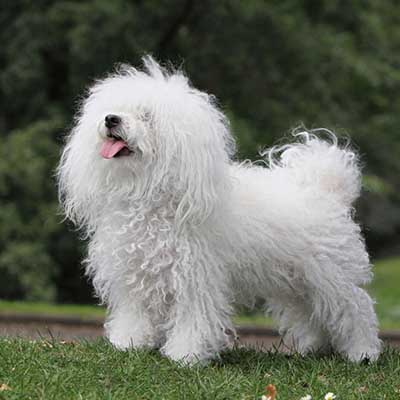
Bolognese
The Bolognese, a breed that hails from northern Italy, is celebrated as a companion dog and is one of the oldest breeds in Europe, with origins dating back to the 12th century. In the United States, however, this breed remains relatively rare. Bolognese dogs are known for their intelligence and ability to learn quickly, making them generally easy to train, although they may show a hint of stubbornness at times. Their unique, thick, curly white coat necessitates daily brushing and occasional professional grooming to keep it in good shape. Affectionately called Bolos, these dogs are low-energy and adapt well to living in apartments. Since they were specifically bred for companionship, they struggle with being left alone, which can lead to separation anxiety and result in unwanted behaviors like barking, chewing on furniture, or urinating indoors. Furthermore, due to their small size and potential delicacy, Bolognese dogs may not be the best fit for families with young children.
Read more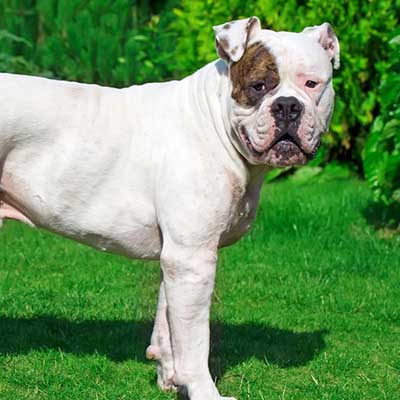
American Bulldog
The American Bulldog is a strong and athletic breed that, despite its imposing appearance, has a gentle disposition and a playful nature. This breed is divided into two main categories: the Johnson type, often called the Bully or Classic type, which has a stockier frame and a shorter muzzle similar to that of the English Bulldog; and the Scott type, known as the Standard or Performance type, which is more agile, featuring a longer muzzle and a squarer head. Many American Bulldogs today are hybrids of these two varieties. Frequently confused with the often-misunderstood American Pit Bull Terrier, the American Bulldog is a distinct breed with its own characteristics that make it not only an excellent working dog but also a loving family pet. Beneath their tough exterior lies a sensitive and emotional nature, which allows them to be highly aware of their surroundings. This sensitivity contributes to their success as family companions, particularly in households with children, as they relish playful interactions and can sense the mood of their environment. These dogs are celebrated for their affectionate personalities and strong self-assurance, which often translates into loyalty, obedience, and a protective instinct. However, because they can be reserved around unfamiliar people and other dogs, early socialization and training are crucial for their development in diverse social situations. As a high-energy breed, they thrive in homes with ample outdoor space and regular exercise, although they can adapt to apartment living if their owners lead an active lifestyle that includes them.
Read more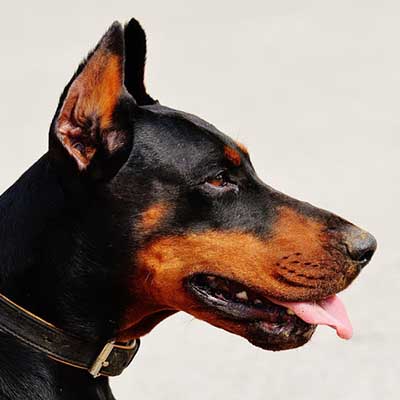
Doberman Pinscher
The Doberman Pinscher is a relatively recent breed, having been developed just over a hundred years ago. Founded by Karl Friedrich Louis Dobermann, this breed was designed to serve as a personal protection dog to aid him during tax collection. Dobermans are medium to large-sized dogs, known for their muscular physique and sleek, shiny coats, often exhibiting a watchful demeanor on their strong, wedge-shaped heads. While they require minimal grooming to keep their coats in good condition, they do need regular, vigorous exercise and mental stimulation due to their athletic nature and intelligence. These dogs are typically very trainable; however, without proper socialization, they may develop dominant or undesirable guarding behaviors that necessitate intervention. Renowned for their remarkable loyalty and alertness, Doberman Pinschers are not only excellent family companions but also excel in roles within the military, police work, and search and rescue operations.
Read more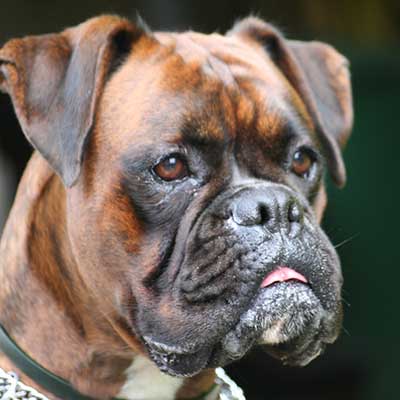
Boxer
The Boxer breed traces its roots back to Germany in the early 19th century, where it was originally developed for use as a bait and fighting dog, as well as a loyal guardian. Its strong, muscular, and agile build made it ideal for these roles until the prohibition of bull baiting and dog fighting. Since then, the Boxer has gained immense popularity around the globe, renowned for its loyalty, playful nature, and high energy, which make it an excellent family pet. Furthermore, Boxers are recognized for their self-grooming tendencies, resulting in relatively low grooming needs. However, it is crucial to provide them with sufficient mental and physical stimulation; without it, they may exhibit undesirable behaviors.
Read more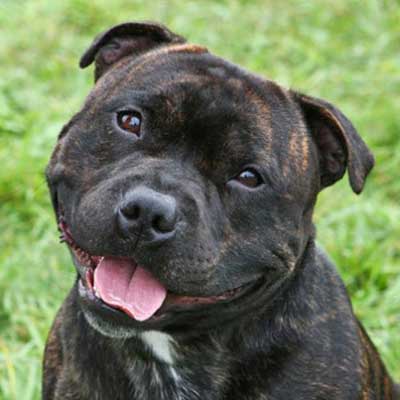
Staffordshire Bull Terrier
Often confused with its colonial counterpart, the American Staffordshire Bull Terrier, the Staffordshire Bull Terrier is somewhat shorter but equally strong and muscular. Commonly known as "Stafford," this breed is celebrated for its lively and playful demeanor. While it does not actively seek out conflict, it is steadfast when challenged. Initially bred for dog fighting and ratting, the Staffordshire Bull Terrier underwent a transformation in its role after such cruel practices were banned in England. Despite its tough image, early breeding focused on cultivating gentler characteristics, which enhanced its loyalty and protective instincts towards its family. Today, this loving breed is an excellent companion for energetic families, full of vitality and enthusiasm for play.
Read more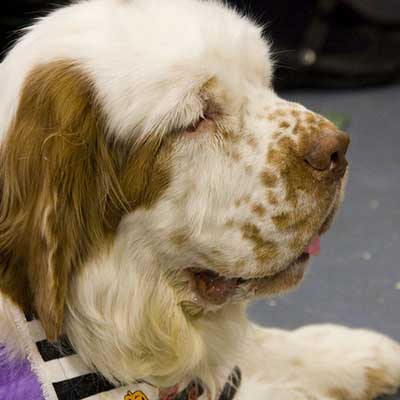
Clumber Spaniel
The Clumber Spaniel, which emerged in the 1700s, is celebrated as one of the oldest and sturdiest breeds within the Spaniel family. Its ancestry is believed to include the Alpine Spaniel, Basset Hound, and Saint Bernard. These dogs typically have a medium height but are characterized by their solid build. Renowned for their gentle and affectionate temperament, Clumber Spaniels often exhibit a playful and somewhat goofy personality. Although they may drool and shed, their intelligence and eagerness to learn make them delightful companions. Commonly known as the "retired gentleman’s Spaniel," they also excel as hunters. While they are generally easy to house train, it’s important not to leave them alone for long periods, as they can become bored and might chew on household items. With their short legs, large heads, and unique stature, Clumber Spaniels have a striking appearance.
Read more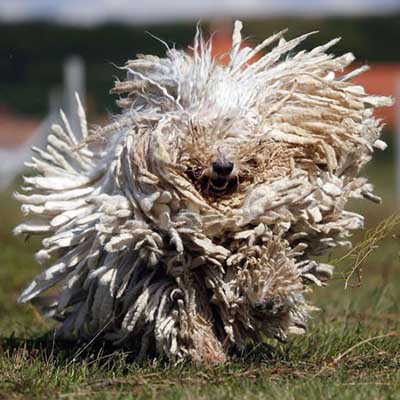
Komondor
This breed is known for its sharp awareness and steadfast loyalty to their human families. They are courageous dogs that thrive when entrusted with tasks, but without proper socialization during their puppy stage, they may display territorial and aggressive tendencies towards unfamiliar people and animals. Their unique coat, reminiscent of a mop, is perfectly designed for their original role of protecting livestock in frigid environments. Although they have a strong independent streak, they respond well to engaging and diverse training techniques, particularly when led by a confident handler. Despite their considerable size, they can adapt to living indoors as long as they receive sufficient exercise and regular outings. To deter them from asserting dominance over their territory—a typical trait of guard dogs—a tall fence is crucial around your property. However, beneath their rugged facade, they truly enjoy cozying up indoors with their loved ones.
Read more
Pomsky
The Pomsky, a popular designer dog breed, is created by crossing a Siberian Husky with a Pomeranian. These dogs are celebrated for their intelligence, playful nature, and occasional stubbornness, often displaying a strong instinct to chase. To prevent potential aggression as they mature, it is crucial to socialize them early on. Generally, Pomskies are small to medium-sized, weighing between 20 and 30 pounds and standing up to 15 inches tall. They are characterized by their beautiful, silky medium-length coats, which typically showcase a combination of two colors. Their eyes can come in various shades, including brown, hazel, blue, or green, and some may even exhibit heterochromia, where each eye is a different color.
Read more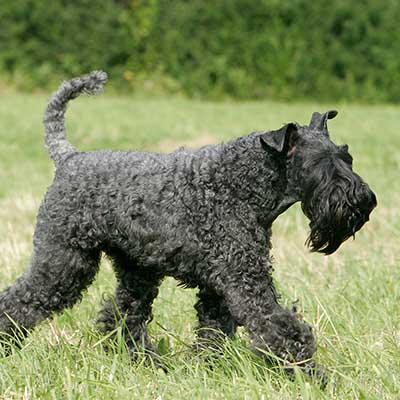
Kerry Blue Terrier
The Kerry Blue Terrier is renowned for its loyalty, intelligence, and sometimes entertaining behavior during play. This medium-sized breed has a robust and muscular physique, which means they require supervision while playing, especially around young children. If they are not properly socialized as puppies, they may become moody or reserved, making it essential for their owners to be strong yet fair and consistent in their training approach. These dogs respond best to positive reinforcement, thriving on praise and rewards rather than harsh discipline. They are particularly sensitive to any perceived unfairness, which can trigger aggressive tendencies if they feel mistreated. Although they are quite energetic, Kerry Blue Terriers can adjust well to living indoors, including in apartments, as long as they receive a good daily walk to help them burn off energy. When out for walks, it’s crucial to keep them on a leash due to their strong hunting instincts, as they may chase after small animals. They can also show aggression towards other dogs, often trying to establish their dominance. Their stunning, soft coat is advantageous for those with allergies, but it requires weekly grooming to keep it in good shape. Regular cleaning of their beards is also necessary to avoid odors from trapped food. Generally, these dogs need a bath once a week and a trim every six weeks. They are low-odor, do not drool, and are extremely loyal to their families. However, they may develop a habit of barking unless trained to limit it to a single bark, a lesson that should start during their puppy stage.
Read more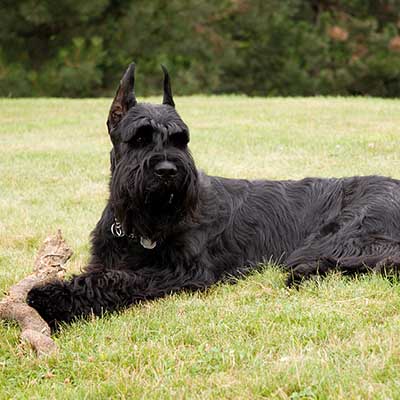
Giant Schnauzer
The Giant Schnauzer is the largest of the three recognized Schnauzer breeds. Initially bred as a working dog, its primary roles included herding cattle and protecting livestock. It is commonly thought that the Giant Schnauzer was developed by crossing the Standard Schnauzer with the Great Dane and the Bouvier des Flandres. Given its demanding temperament and the necessity for extensive training, this breed may not be the best fit for novice dog owners. Known for its intelligence and strong sense of independence, the Giant Schnauzer can be somewhat difficult to keep mentally stimulated. Furthermore, this breed requires considerable grooming, making it a high-maintenance pet.
Read more