Dog Breeds by Wanderlust Potential
Wanderlust Potential refers to how a dog typically behaves or responds in everyday situations. Individual dogs may vary based on training, environment, and genetics.
Some breeds are more free-spirited than others. Nordic dogs such as Siberian Huskies were bred to range long distances, and given the chance, they'll take off after anything that catches their interest. And many hounds simply must follow their noses, or that bunny that just ran across the path, even if it means leaving you behind.
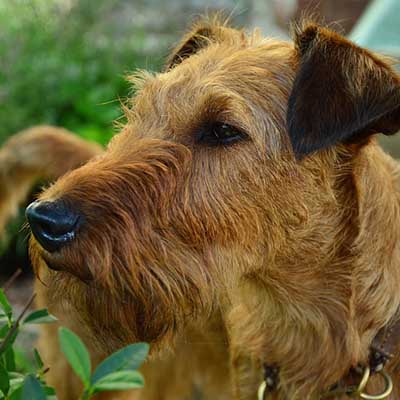
Irish Terrier
The Irish Terrier, celebrated for its spirited and adventurous nature, holds the distinction of being the oldest among all Terrier breeds, although its exact origins are somewhat ambiguous. Historical documentation suggests that by the 17th century, this breed was esteemed in Ireland for its prowess in hunting vermin and serving as a guard dog on rural farms. By the 18th century, the Irish Terrier had become popular in dog shows throughout Ireland, England, Scotland, and even the United States. Today, this medium-sized dog, known for its wiry coat, is treasured as a loyal, joyful, and energetic family companion. While it requires little grooming, this resolute breed demands plenty of daily exercise, along with early socialization and training to flourish.
Read more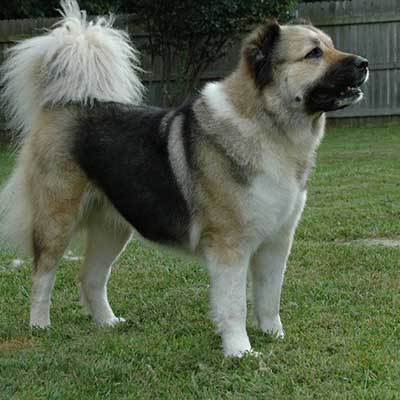
Caucasian Ovcharka
This ancient breed exudes a sense of strength and authority. Hailing from the rugged Caucasus Mountains, which lie between Europe and Asia, it is known by several names, the most common being the Caucasian Ovcharka or Caucasian Shepherd. These large dogs were originally bred to protect sheep from various threats, both human and animal. As a result, the temperament of the Caucasian Mountain Dog can vary widely. They can be affectionate and gentle with their families or, conversely, display aggressive and unruly behavior. The key to their demeanor often lies in the owner's approach to training, which should strike a balance between firmness and compassion. While their protective nature can be appealing, this breed may not be the best choice for inexperienced dog owners. Although these large, fluffy dogs were initially intended for guarding flocks, they are increasingly being kept as family pets. Nonetheless, their aggressive and protective instincts have historically hindered their popularity. As interest in the Caucasian Mountain Dog continues to rise, it is likely that selective breeding efforts will focus on moderating their overly protective traits.
Read more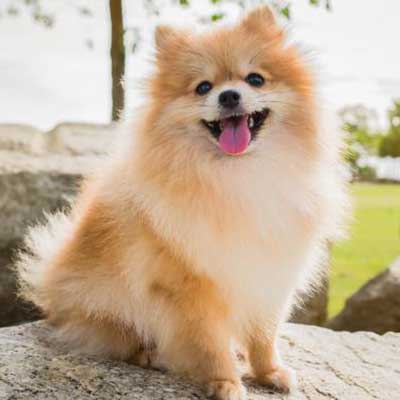
Pomeranian
The Pomeranian is an enchanting little dog known for its lively character. Despite their petite size, they possess a boundless heart and spirit. These feisty pups often display such self-assurance that they will confront much larger dogs, seemingly oblivious to their own smallness. In addition to their bold nature, Pomeranians typically get along well with children and other pets. Their frequent and boisterous barking makes them excellent watchdogs, though they do need proper training to keep this behavior in check. With a variety of nicknames and coat colors, they are sure to add happiness to your life. Historically, Pomeranians could weigh as much as 30 pounds and were used as sheepdogs. Nowadays, they are much smaller but continue to excel in activities like obedience, agility, therapy, flyball, and tracking, all while being loving companions.
Read more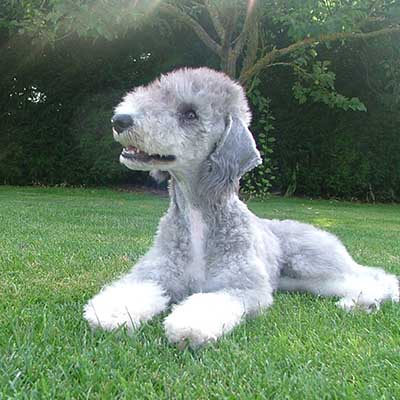
Bedlington Terrier
Bedlington Terriers stand out among Terrier breeds for their unique characteristics, typically weighing between 17 and 23 pounds. Females generally reach an average height of about 15.5 inches, while males are slightly taller at around 16.5 inches. These dogs are known for their graceful physique, which includes a slender build, lively personality, and distinctive coat. Their appearance is further enhanced by an arched back, ears adorned with tassels, and a narrow head. With gentle expressions, they exude a friendly nature, displaying neither shyness nor anxiety. Often regarded as delightful, entertaining, and loyal companions, Bedlington Terriers possess remarkable stamina, showcasing the energetic qualities of a Terrier along with the speed of a small coursing Hound. They respond well to training and typically interact positively with children and other dogs, especially when supervised. Although generally healthy, some may experience issues related to copper toxicosis. Their non-shedding single coat requires regular grooming, including scissor trimming and clipping, to maintain its appearance.
Read more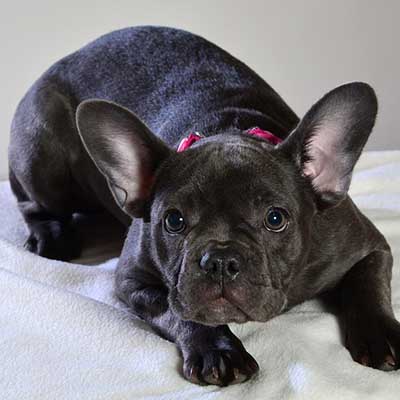
French Bulldog
The French Bulldog, often referred to as the Frenchie, is a small breed that originated in the 1800s, initially bred for companionship despite its lineage linked to bull-baiting and pit fighting. Hailing from Normandy, France, the French Bulldog remains a cherished pet in modern times. However, this breed is prone to several health concerns and requires a nurturing environment to flourish. Although the French Bulldog does not demand extensive exercise, it has a strong need for human interaction, stemming from its history as a companion animal. A lack of socialization can lead to undesirable behaviors in this breed.
Read more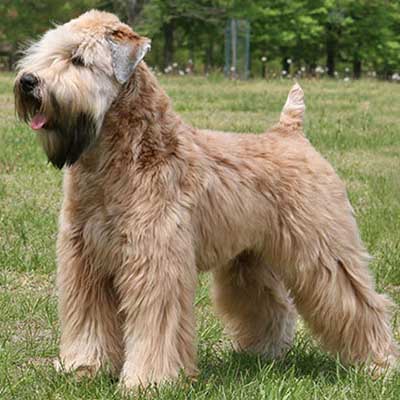
Soft-Coated Wheaten Terrier
The Soft Coated Wheaten Terrier, commonly known as the Wheaten, was historically seen as a dog for the working class in Ireland, as many ordinary families could not afford more expensive breeds. Initially bred as a farm dog, its primary roles included hunting pests and safeguarding agricultural land. Although the exact origins of the Wheaten are somewhat unclear due to limited historical documentation, it is widely believed that this breed was developed in the 1700s to meet the demand for a dependable working dog on farms. Over the years, the Wheaten has also played a role in the creation of several more refined breeds, such as the Kerry Blue, Irish, and Glen of Imaal Terriers. Despite its long-standing presence in Ireland, the Wheaten did not gain official breed recognition until 1973.
Read more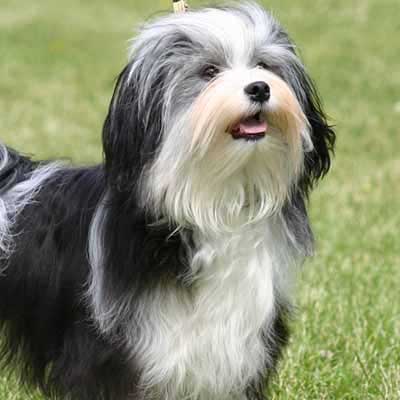
Lowchen
The Löwchen, affectionately referred to as the "little lion" in German, was a beloved pet among the European nobility during the 15th century, especially in regions such as Belgium, Germany, Spain, and France. This breed was intentionally bred for its small stature, opulent coat, and gentle nature, making it a favored companion for women who often brought them to court. Traditionally, their grooming involved a distinctive style where the fur on the legs, hindquarters, and part of the tail was closely trimmed to evoke a lion-like look. Even in modern times, the Löwchen remains treasured for its affectionate personality and continues to forge deep bonds with its human families.
Read more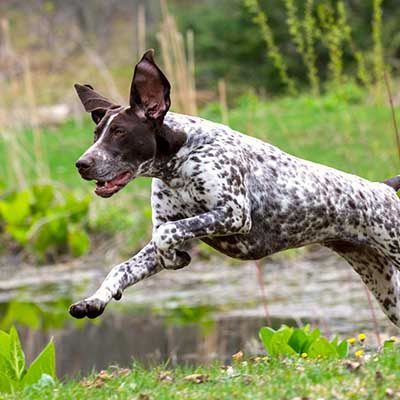
German Shorthaired Pointer
If you've ever seen a cartoon dog abruptly stop and dramatically point at something, you've caught a glimpse of what a Pointer embodies—albeit in a comically exaggerated way! The German Shorthaired Pointer, or GSP for short, is a dynamic hunting breed that hails from Germany and has been a reliable hunting partner for many years. The current version of this breed was developed in the early 1800s and is easily identifiable by its short, spotted coat, distinct head, and elongated body that narrows from the snout to the tail. Its ancestry dates back to the 1600s, with early breeds playing a significant role in the development of the dog we recognize today. This energetic and lively breed is not only exceptionally intelligent but also makes a fantastic family pet, thriving as both a hunter and a sporting dog. With roots that include pointers and bloodhounds, the German Shorthaired Pointer is both vocal and full of energy, necessitating plenty of exercise to keep its high energy in check. While it may bark at strangers, it does so in a friendly way, showcasing the breed's sociable disposition. Although it was initially bred for hunting, the German Shorthaired Pointer is now increasingly appreciated as a family companion and show dog in modern times.
Read more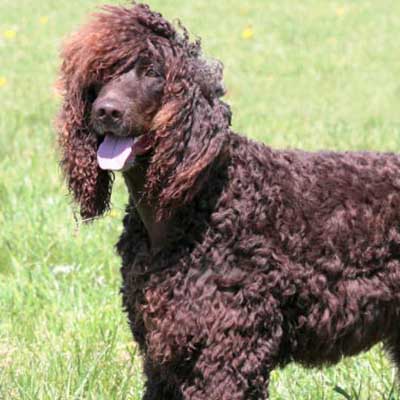
Irish Water Spaniel
The Irish Water Spaniel is an eye-catching water retriever known for its unique curly coat and exceptional hunting skills. This breed is lively and serves as a fantastic companion for families. As the largest of the Spaniel breeds, the Irish Water Spaniel commands attention. Its history dates back to the 1830s in Ireland, where a dog named Boatswain, owned by Justin McCarthy, is often considered the ancestor of the modern Irish Water Spaniel. McCarthy kept the details of Boatswain's lineage under wraps, leaving some uncertainty about the breed's background. Nevertheless, experts believe that the breed may be linked to the Barbet, various Poodle-like breeds, and Portuguese Water Dogs. The Irish Water Spaniel was introduced to the United States in the 1870s.
Read more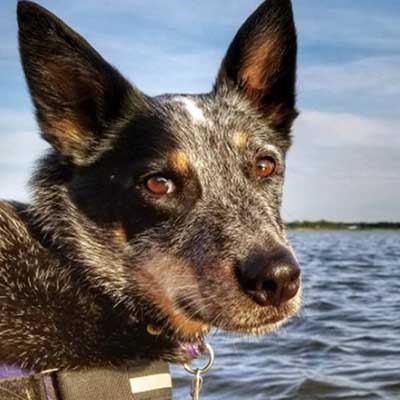
Australian Cattle Dog
The Australian Cattle Dog emerged in the early 1800s, a time when extensive areas of land in Australia became suitable for cattle ranching. The herding breeds available at the time were not equipped to handle the specific challenges associated with Australian cattle, which prompted the creation of a strong, intelligent, and highly active herding dog. Although it is relatively small, the Australian Cattle Dog demonstrates exceptional bravery in herding and is well-suited to the rugged terrain of the country. This medium-sized breed is characterized by its high energy and loyalty, making it a wonderful family companion, as long as its exercise requirements are met and it has activities to keep it stimulated.
Read more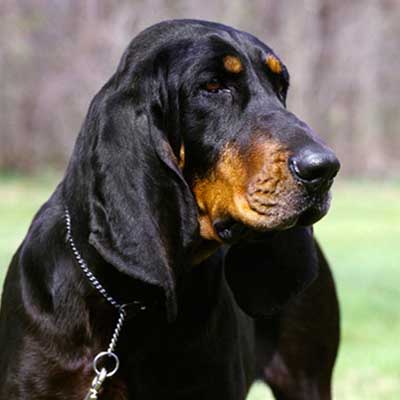
American Black & Tan Coonhound
The Black and Tan Coonhound is a loyal and friendly hunting partner, always eager to please its owner. This breed is marked by its intelligence and vigilance, showcasing a strong inclination to fulfill its duties. Renowned for their gentle and sociable demeanor, Black and Tan Coonhounds are quick to respond to their owners' commands. When raised with respect for children and taught their role within the family structure, they can be remarkably gentle and protective around youngsters. However, they thrive under the guidance of a strong, assertive leader, as consistent and patient training is crucial to manage any stubbornness. Without adequate training or enough physical activity, these dogs may develop anxiety when left alone, which can lead to destructive behaviors and excessive howling. If given the freedom to roam off-leash, they are likely to follow their instincts. Furthermore, they may show aggression towards other dogs if their human companions do not establish clear dominance. Prompt corrections for undesirable behavior are essential. With proper guidance, Black and Tan Coonhounds can become relaxed, devoted, and protective companions, making them an excellent choice for an active family. This breed was officially recognized by the American Kennel Club (AKC) in 1945.
Read more