Large Dog Breeds
Large dog breeds are generally classified based on average adult height and weight ranges.
Large breed dogs weigh 59–99 lbs. Their growth phase is longer, reaching maturity around 15 months. Their larger build makes them more susceptible to joint issues such as hip dysplasia.
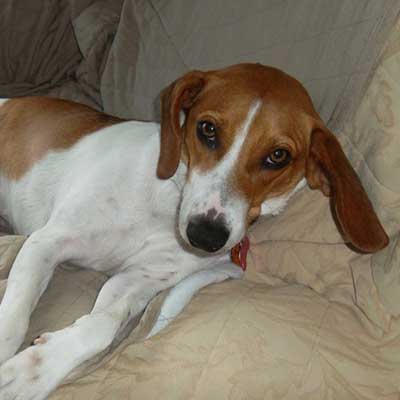
Running Walker Foxhound
The Running Walker Foxhound is a unique breed that developed from the American Foxhound lineage in the mid to late 19th century. These dogs are naturally skilled hunters, adept at pursuing game like foxes, rabbits, and coyotes, but they do not possess the treeing instinct characteristic of coonhounds. While they are intelligent, their tendency to have short attention spans can complicate training efforts. Known for their high energy, Running Walkers are typically friendly and well-behaved; however, without sufficient physical and mental stimulation, they may exhibit problems such as excessive barking, depression, and destructive tendencies.
Read more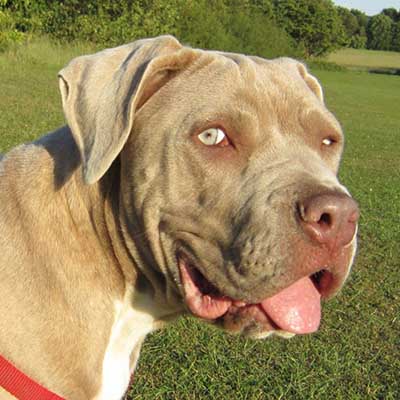
Presa Bulldog
The Presa Bulldog is a sturdy and well-built hybrid, resulting from the combination of the Perro de Presa Canario and the English Bulldog. It’s clear that merging a Mastiff with a Bulldog creates a powerful and resilient canine. This breed boasts an impressive physique and is recognized for its attentiveness, confidence, and obedience, often showing a healthy caution around unfamiliar people. However, the affectionate and playful nature inherited from the Bulldog means that the Presa Bulldog is not just an intimidating figure. Prospective owners must dedicate themselves to effective training and socialization to avoid the development of any negative traits. With its history as a working dog and a deep, commanding bark, the Presa Bulldog makes an excellent choice for those in search of a loyal and dependable protector. This breed is fiercely devoted to its family, a trait that reflects the strong loyalty found in its Presa Canario ancestry. While this loyalty is a valuable quality, it can pose challenges if not properly managed, as both parent breeds have a background that includes aggression suited to their original purposes. Thus, early socialization and consistent training are vital to keep these instincts in check, ensuring that this large dog remains calm and well-behaved.
Read more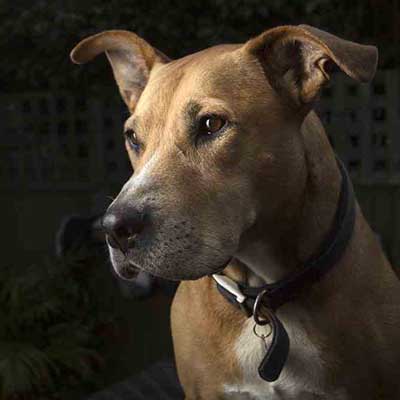
Great Danebull
When exploring the characteristics of Great Danebulls, it’s essential to look past their striking size. Although they may appear intimidating due to their large stature, these dogs are actually affectionate and gentle companions for families. They possess a moderate level of energy and flourish with love and attention from their owners. Generally, Great Danebulls can live up to 14 years, weighing between 60 and 90 pounds. Once they reach maturity, their height ranges from 24 to 28 inches. Their coat is short, dense, smooth, and shiny, available in solid shades or various combinations such as black, white, blue, fawn, bronze, liver, red, and brown, with possible patterns like harlequin, mantle, sable, merle, or brindle. While this breed is recognized as a prominent large designer dog, it has not yet achieved widespread popularity. Furthermore, Great Danebulls can display a diverse array of appearances and temperaments, which contributes to their lack of official recognition by the American Kennel Club (AKC).
Read more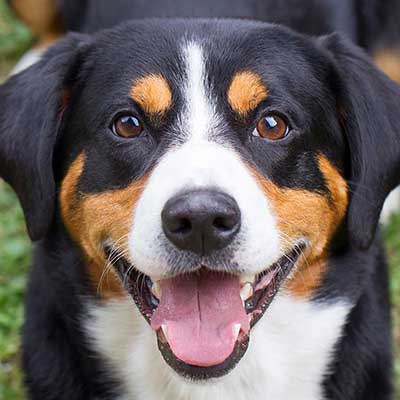
Appenzeller
The Appenzeller Mountain Dog is a sturdy and adaptable breed, although its precise origins are not entirely known. This breed excels in various roles, such as guarding farms, herding livestock, and pulling carts. Despite their strong and muscular physique, they do not fall into the giant breed category. Their dark, expressive eyes enhance the appeal of their short, double coat. Originating from Switzerland, Appenzellers usually sport a black or brown coat with unique symmetrical markings in white and rust. In general, the Appenzeller Mountain Dog is a hardy breed, typically not prone to specific health problems linked to its ancestry.
Read more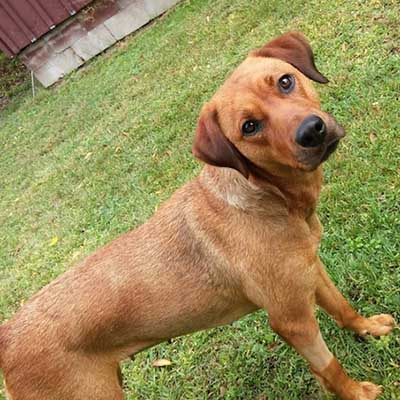
Rhodesian Labrador
The Rhodesian Labrador is a breed that stands out for its striking beauty, gentle demeanor, and affectionate nature, yet it also exhibits a determined and occasionally stubborn personality. These large, energetic dogs are incredibly loyal, forging deep bonds with their owners that result in a strong companionship. They revel in playtime and have a particular fondness for children, often outlasting even the most energetic youngsters in their games. Although they have a tall and slender build, Rhodesian Labradors are not suited for outdoor living; they prefer the comfort of being indoors, close to their families, sharing snacks, and engaging in playful antics. Their enthusiasm for food is well-known, so it's wise to be mindful of their clever begging strategies and those irresistible, pleading expressions. They can gain weight quickly and are prone to bloat, a serious health concern, making it essential to space their meals and limit treats. Training is crucial for this breed to help them realize their full potential. However, they can be quite stubborn; harsh discipline may lead them to become withdrawn and sulky. Positive reinforcement, through praise and encouragement, proves to be much more effective with these delightful dogs. While they are generally non-aggressive, they may show caution around unfamiliar people and can adopt a stance that seems threatening. In summary, the Rhodesian Labrador is a lively, playful, and affectionate breed with a hint of goofiness, making them a promising and devoted companion.
Read more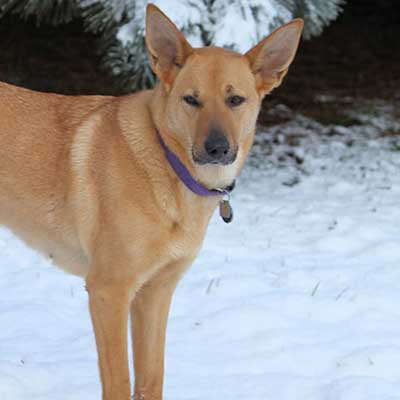
Chinook
The Chinook is a breed that is uniquely American in its heritage. Its beginnings can be traced to a female Northern Husky and a dog from the Arctic region. The father was of mixed lineage, and the resulting puppy, which was eventually named Chinook, did not closely resemble either of its parents; over time, this name became synonymous with the breed itself. Interestingly, the Chinook is believed to have been part of Admiral Byrd’s 1927 expedition to the South Pole, where it reportedly achieved remarkable records in terms of time, distance, and load capacity during the early 20th century. Today, thanks to the commitment of a small group of passionate breeders, the Chinook remains a rare breed.
Read more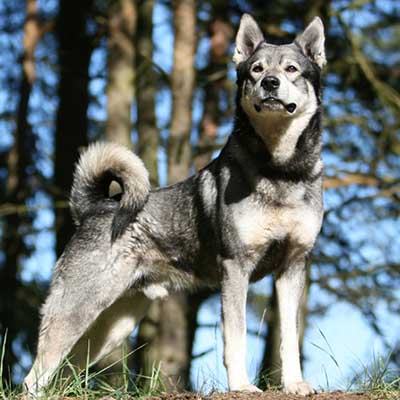
Swedish Elkhound
The Swedish Elkhound, often known as the Jämthund, is an ancient breed of Spitz-type dog with a lineage that dates back thousands of years. This breed is distinctive for its wolf-like appearance and is thought to share a genetic connection with wolves. Historically, Swedish Elkhounds have been utilized for various purposes, such as tracking elk and protecting against bears and wolves. Despite their remarkable skills as working dogs, they are also recognized for their serene nature at home, making them wonderful companions. They embody an impressive blend of being both dedicated hunters and charming pets—this is truly no exaggeration. Over time, Swedish Elkhounds have taken on a variety of roles, including hunters, trackers, guard dogs, herders, sled dogs, and even participants in military or rescue missions, highlighting their adaptability. They are generally loving and playful with their families, yet they possess a high energy level that demands sufficient engagement to avoid boredom or frustration. Consequently, they flourish in active households or those with large yards or access to open spaces for exercise. Furthermore, their longer coats require regular grooming. In summary, the Swedish Elkhound has very few downsides, making it one of the most adaptable and well-rounded dog breeds available.
Read more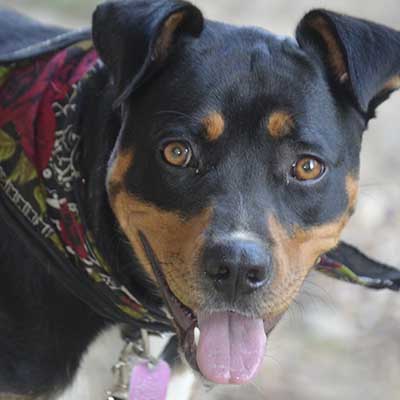
Rottbull
The Rottbull is a hybrid dog breed that results from crossing a Rottweiler with a Bull Terrier. Often mistakenly viewed as aggressive, this large dog actually embodies determination and resilience. He is affectionate and gentle with his family, yet remains alert and watchful around strangers. As a capable watchdog, the Rottbull boasts significant strength, making him an imposing figure for any would-be intruders. Furthermore, he is quite intelligent. With proper socialization, the Rottbull can live harmoniously with other dogs, but he is generally not suitable for homes with cats, even with socialization efforts. This breed is not recommended for novice dog owners; it is better suited for those who have experience with strong-willed dogs. While he flourishes in a secure yard, he can also adapt to a spacious apartment, provided he gets enough exercise.
Read more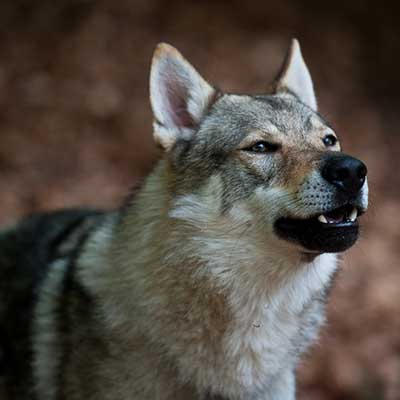
Czechoslovakian Vlcak (Czechoslovakian Wolfdog)
As their name suggests, this dog breed is a distinctive blend of wolf and dog, specifically a hybrid of the German Shepherd and the Carpathian wolf. Originally bred for military applications, these dogs showcase exceptional endurance, intelligence, and agility. However, they can pose training challenges, as they thrive on motivation to learn effectively. The Czechoslovakian Wolfdog is generally healthier than many other breeds, exhibiting a lower prevalence of health problems. Typically, they weigh between 44 and 54 pounds, stand around 24 to 26 inches tall, and have a lifespan of 12 to 16 years. While these dogs are incredibly loyal to their families, they often display caution towards strangers and unfamiliar animals. With strong hunting instincts, they require comprehensive training and should be monitored around smaller pets.
Read more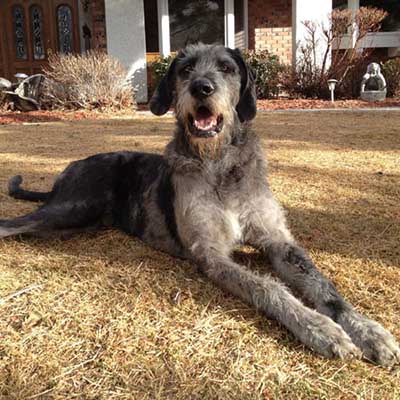
Great Danoodle
Great Danoodles are loving, devoted, and calm companions, making them ideal for families. They require moderate physical activity and appreciate the presence of both people and other animals. This hybrid breed generally lives for up to 13 years, weighs between 75 and 100 pounds, and reaches a height of 22 to 27 inches. Their coats are dense and wavy, available in a variety of lengths and colors. Great Danoodles can be found in solid hues or a combination of shades, such as black, white, blue, fawn, apricot, cream, gray, red, silver, and beige, and may also display harlequin and brindle patterns with distinctive black masks or markings. Although not widely recognized, the Great Danoodle is a prominent large hybrid breed, yet it has not yet received official acknowledgment from the American Kennel Club (AKC).
Read more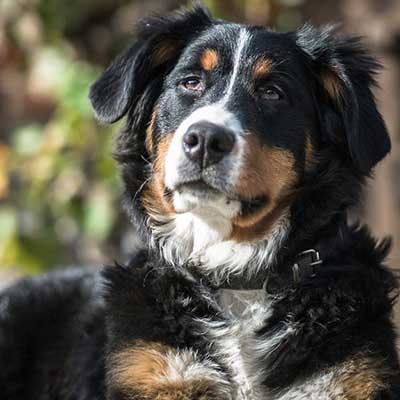
Bernese Mountain Dog
The Bernese Mountain Dog, commonly known as the Berner, is one of the four ancient breeds classified as Swiss Sennenhunds. What sets the Berner apart is its luxurious, flowing coat and exceptional temperament. Its ancestry likely stems from a combination of the farming dogs indigenous to the Swiss Alps and the Molosser, a type of Mastiff brought to the region by the Romans around the first century B.C. This rich heritage is reflected in the Berner's large head, gentle nature, remarkable strength, and strong work ethic. Traditionally, Bernese Mountain Dogs were invaluable farm assistants, responsible for herding livestock, pulling carts, and protecting homesteads. In contemporary times, they are primarily valued as beloved family pets. Known for their friendliness towards children and their ability to be trained, they do have a strong need for family interaction, which can pose challenges if they are left alone for extended periods. In terms of appearance, the Bernese Mountain Dog is a large breed characterized by its striking tri-colored coat. They possess prominent heads and substantial paws, which require regular grooming to control shedding. Bringing a Berner puppy into your home demands a considerable commitment and effort. However, with consistent training, patience, and dedication, you can nurture a loyal and hardworking companion that will greatly enhance your life.
Read more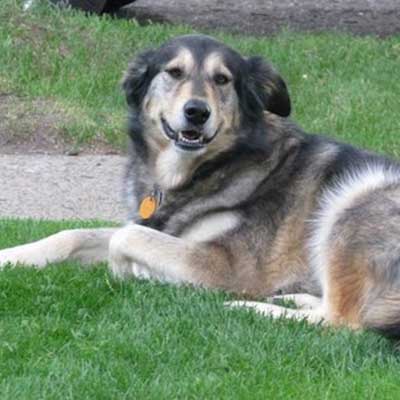
Alaskan Goldenmute
The Alaskan Goldenmute is a hybrid breed that originates from two well-known dog breeds: the Alaskan Malamute and the Labrador Retriever. This breed is thought to have developed in the mid-1800s, around the same time that both parent breeds gained popularity in North America. The Alaskan Goldenmute is not ideal for casual pet owners, as it requires considerable attention, consistent exercise, and careful grooming. Although they can be wonderful family companions, Alaskan Goldenmutes are quite rare on a global scale and do not have recognition as a purebred by the American Kennel Club. Nonetheless, this breed enchants dog lovers with its vibrant personality, affectionate demeanor, and adventurous spirit.
Read more