Large Dog Breeds
Large dog breeds are generally classified based on average adult height and weight ranges.
Large breed dogs weigh 59–99 lbs. Their growth phase is longer, reaching maturity around 15 months. Their larger build makes them more susceptible to joint issues such as hip dysplasia.
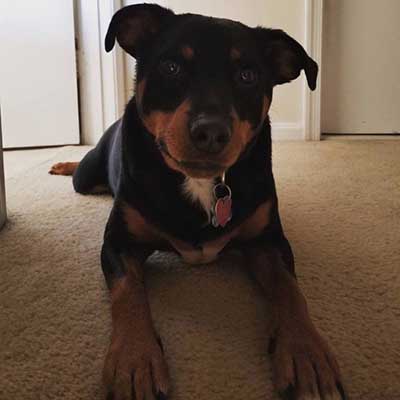
Jackweiler
The Jackweiler is a newly created designer breed that emerges from the combination of a Jack Russell Terrier and a Rottweiler. Renowned for their loyalty and intelligence, these dogs display a variety of looks and personalities. They are not well-suited for apartment living and may need less exercise in hot conditions, depending on their coat type. On average, Jackweilers live between 8 to 16 years and are typically healthy pets. This breed does not require special care and generally gets along well with other animals, as long as they are properly socialized during their early development.
Read more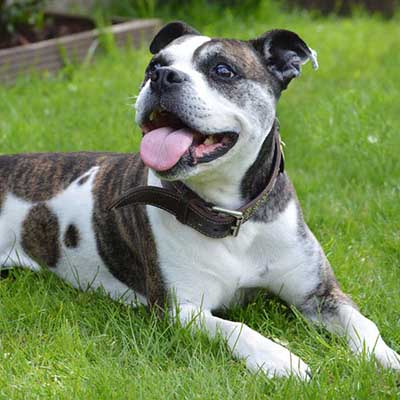
Olde Staff Bulldogge
While information on the Olde Staff Bulldogge is somewhat scarce, exploring its parent breeds can shed light on the traits this hybrid is likely to possess. The American Staffordshire Terrier, commonly known as the Am Staff, is celebrated for its affectionate and gentle demeanor, which makes training relatively straightforward. This breed not only offers companionship but also acts as a guardian for its family. Naturally energetic, the Am Staff thrives on ample physical and mental engagement to stay healthy and happy. In contrast, the Olde English Bulldog is known for its sociable nature and protective instincts towards its owners. This robust breed features a balanced temperament and a strong desire to please. Many owners describe the Olde Staff Bulldogge as a friendly, insightful, and compassionate companion.
Read more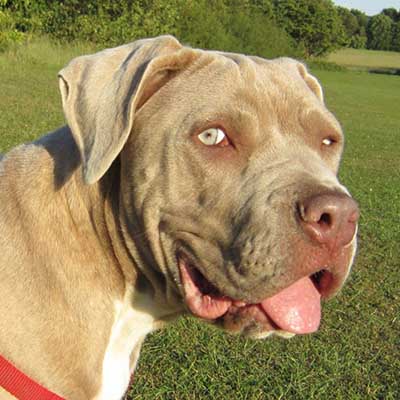
Presa Bulldog
The Presa Bulldog is a sturdy and well-built hybrid, resulting from the combination of the Perro de Presa Canario and the English Bulldog. It’s clear that merging a Mastiff with a Bulldog creates a powerful and resilient canine. This breed boasts an impressive physique and is recognized for its attentiveness, confidence, and obedience, often showing a healthy caution around unfamiliar people. However, the affectionate and playful nature inherited from the Bulldog means that the Presa Bulldog is not just an intimidating figure. Prospective owners must dedicate themselves to effective training and socialization to avoid the development of any negative traits. With its history as a working dog and a deep, commanding bark, the Presa Bulldog makes an excellent choice for those in search of a loyal and dependable protector. This breed is fiercely devoted to its family, a trait that reflects the strong loyalty found in its Presa Canario ancestry. While this loyalty is a valuable quality, it can pose challenges if not properly managed, as both parent breeds have a background that includes aggression suited to their original purposes. Thus, early socialization and consistent training are vital to keep these instincts in check, ensuring that this large dog remains calm and well-behaved.
Read more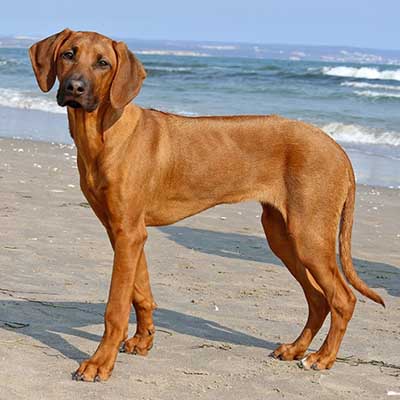
Rhodesian Ridgeback
In their quest for a hunting dog better suited to Africa's challenging climates, Dutch settlers crossbred their imported European breeds with a native tribal dog. This breeding produced a reddish-brown dog characterized by a unique ridge of fur along its back, adept at hunting large game and protecting families and homes. Originally employed for lion hunting, the Rhodesian Ridgeback's loyal and affectionate disposition soon endeared it to families, contributing to its rising popularity in other countries. Today, while it is still appreciated for its keen eyesight and scent-tracking skills, the Rhodesian Ridgeback is also celebrated as a low-maintenance, well-mannered, and energetic companion, thriving in dog shows, protection roles, and playful interactions with its human family.
Read more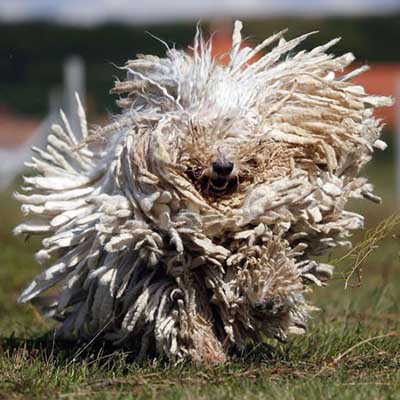
Komondor
This breed is known for its sharp awareness and steadfast loyalty to their human families. They are courageous dogs that thrive when entrusted with tasks, but without proper socialization during their puppy stage, they may display territorial and aggressive tendencies towards unfamiliar people and animals. Their unique coat, reminiscent of a mop, is perfectly designed for their original role of protecting livestock in frigid environments. Although they have a strong independent streak, they respond well to engaging and diverse training techniques, particularly when led by a confident handler. Despite their considerable size, they can adapt to living indoors as long as they receive sufficient exercise and regular outings. To deter them from asserting dominance over their territory—a typical trait of guard dogs—a tall fence is crucial around your property. However, beneath their rugged facade, they truly enjoy cozying up indoors with their loved ones.
Read more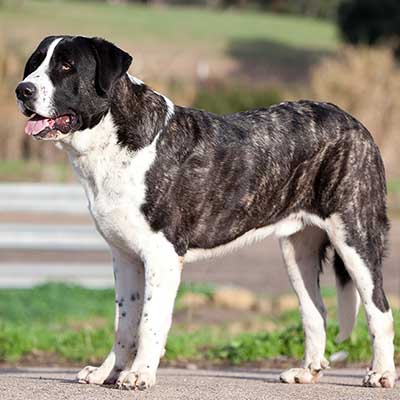
Alentejo Mastiff
The Rafeiro Do Alentejo is a large breed that bears a resemblance to a mastiff, distinguished by its strong, bear-like head. This breed is quite powerful and is not ideal for inexperienced dog owners. If not properly socialized, it may display aggressive tendencies and pose risks. Known for its independence and stubborn nature, the Rafeiro Do Alentejo requires consistent training throughout its life to grasp its place within the family dynamic. As a territorial breed, it will protect its home and loved ones when it senses a threat. Nevertheless, with appropriate training, socialization, and clear boundaries, it can flourish as a family companion, especially with children who show it respect and understanding.
Read more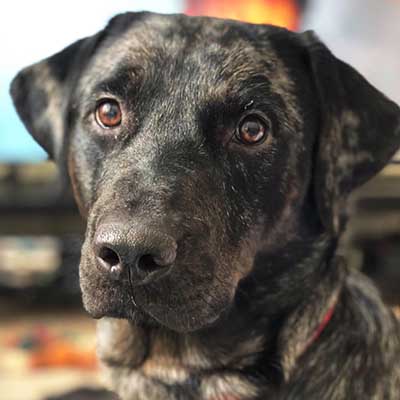
Labahoula
The Labahoula is a strong and tenacious hybrid breed, born from the union of the Labrador Retriever and the Louisiana Catahoula Leopard Dog. Both parent breeds are celebrated for their distinctive spotted fur and captivating eyes, which may occasionally exhibit heterochromia, where each eye showcases a different hue. Generally, the Labahoula inherits the Labrador's loving and gentle nature, combined with the Catahoula's bold and protective traits. However, this hybrid is not suited for individuals seeking a low-energy companion; they are lively and powerful dogs that require ongoing training throughout their lives. These dogs flourish in rural environments or suburban homes that offer plenty of outdoor space.
Read more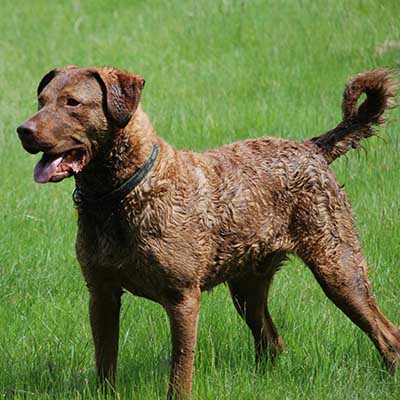
Chesapeake Bay Retriever
The Chesapeake Bay Retriever is a distinctive breed that sets itself apart from other Retrievers. This breed traces its roots back to two Lesser Newfoundland puppies, also referred to as St. John’s Water Dogs, which were saved by an American ship following a shipwreck near Maryland in 1807. These dogs were subsequently crossbred with local breeds, including Water Spaniels, Setters, and Hounds, in a somewhat haphazard manner. Although they share similar roles with other Retrievers, their genetic background is quite unique. Chesapeake Bay Retrievers are known for their striking looks, featuring a slightly oily, musky, waterproof wavy brown coat, captivating amber eyes, and a sturdy, muscular physique. While they are now mainly cherished as family pets and hunting companions, their initial role was to retrieve waterfowl. Renowned for their cheerful disposition, intelligence, and eagerness to please, these dogs excel in work, especially in water-related tasks. Their grooming requirements are relatively low, needing only a weekly brushing and a bath every three to four months. Due to their energetic and robust nature, they benefit from regular, vigorous exercise, whether through walking, running, or hunting geese. To ensure their proper development, consistent training combined with firm yet affectionate discipline is crucial.
Read more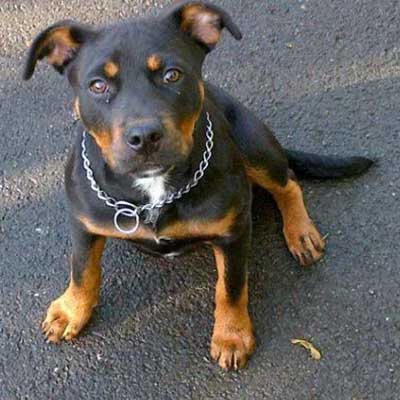
Staffie Bullweiler
The Staffweiler, a hybrid breed created by crossing a Rottweiler with a Staffordshire Bull Terrier, is known for its compact size compared to Rottweilers while still exhibiting a similar level of strength and protective instincts. With appropriate early socialization, these dogs can coexist harmoniously with children and other pets. They are recognized for their intelligence, loyalty, and playful nature. Their coat is short and coarse, typically appearing in black, brown, or brindle shades, often featuring the distinctive tan markings on their faces reminiscent of Rottweilers. This mixed breed is not recommended for novice dog owners, as it requires someone with experience to facilitate effective training. Ideally, a Staffweiler thrives in a home environment with indoor living and access to a secure, fenced yard for outdoor enjoyment.
Read more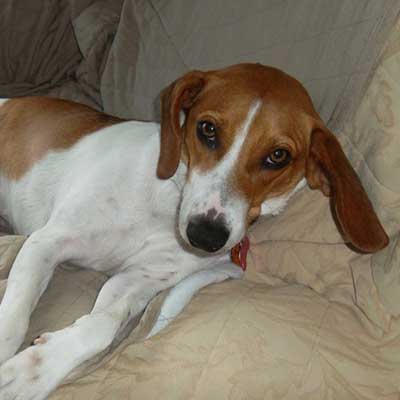
Running Walker Foxhound
The Running Walker Foxhound is a unique breed that developed from the American Foxhound lineage in the mid to late 19th century. These dogs are naturally skilled hunters, adept at pursuing game like foxes, rabbits, and coyotes, but they do not possess the treeing instinct characteristic of coonhounds. While they are intelligent, their tendency to have short attention spans can complicate training efforts. Known for their high energy, Running Walkers are typically friendly and well-behaved; however, without sufficient physical and mental stimulation, they may exhibit problems such as excessive barking, depression, and destructive tendencies.
Read more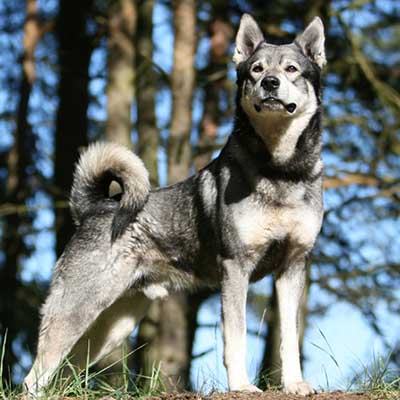
Swedish Elkhound
The Swedish Elkhound, often known as the Jämthund, is an ancient breed of Spitz-type dog with a lineage that dates back thousands of years. This breed is distinctive for its wolf-like appearance and is thought to share a genetic connection with wolves. Historically, Swedish Elkhounds have been utilized for various purposes, such as tracking elk and protecting against bears and wolves. Despite their remarkable skills as working dogs, they are also recognized for their serene nature at home, making them wonderful companions. They embody an impressive blend of being both dedicated hunters and charming pets—this is truly no exaggeration. Over time, Swedish Elkhounds have taken on a variety of roles, including hunters, trackers, guard dogs, herders, sled dogs, and even participants in military or rescue missions, highlighting their adaptability. They are generally loving and playful with their families, yet they possess a high energy level that demands sufficient engagement to avoid boredom or frustration. Consequently, they flourish in active households or those with large yards or access to open spaces for exercise. Furthermore, their longer coats require regular grooming. In summary, the Swedish Elkhound has very few downsides, making it one of the most adaptable and well-rounded dog breeds available.
Read more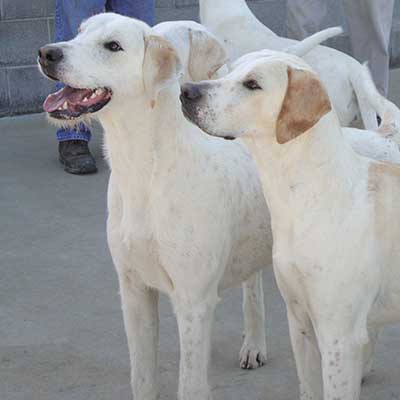
July Hound
The July Hound is a unique variety of American Foxhound, developed by integrating Irish Foxhounds recognized for their exceptional hunting skills, particularly in tracking the Red Fox, a robust and common species. Previous foxhound breeds in the United States were mainly designed for hunting the Grey Fox, which escapes danger by climbing trees. Colonel Miles G. Harris, a Georgian hunter, established the July Hound lineage to create a dog better suited for tracking the ground-dwelling Red Fox, in contrast to the tree-climbing Grey Fox that his earlier dogs had been trained to chase.
Read more