Large Dog Breeds
Large dog breeds are generally classified based on average adult height and weight ranges.
Large breed dogs weigh 59–99 lbs. Their growth phase is longer, reaching maturity around 15 months. Their larger build makes them more susceptible to joint issues such as hip dysplasia.
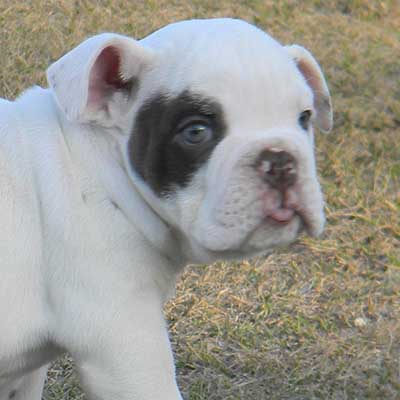
Altman White English Bulldog
The Altman White English Bulldog is a recently developed breed, named after its creator, Ray Altman. This breed seeks to bring back the Old English White Bulldog, which was prevalent in the southern United States in the 1800s. By crossing the traditional English Bulldog with White English Bulldogs, Altman and his team of breeders have crafted a sociable and loyal breed that features improved athleticism, increased stamina, better health, and an enhanced capacity to adapt to different environmental conditions.
Read more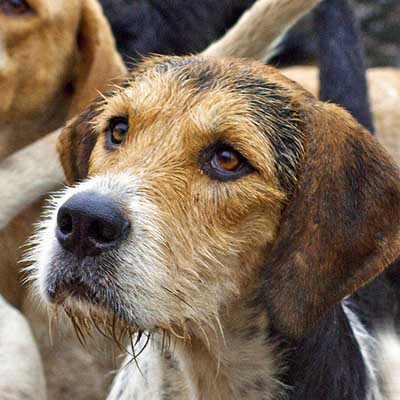
Welsh Hound
The Welsh Hound was specifically bred for fox hunting in Wales and is rarely kept just as a pet. With the ban on fox hunting in many parts of the world, this breed now lacks a clear purpose. Welsh Hounds are lively, intelligent, and playful, requiring a strong leader to manage their behavior. Originally designed to hunt in packs, they are very social and thrive on regular interaction with other dogs. Without sufficient engagement, they can become bored and may develop destructive habits, posing challenges for their owners. Although still considered a rare breed, the Welsh Hound is gradually gaining popularity, especially in the United States.
Read more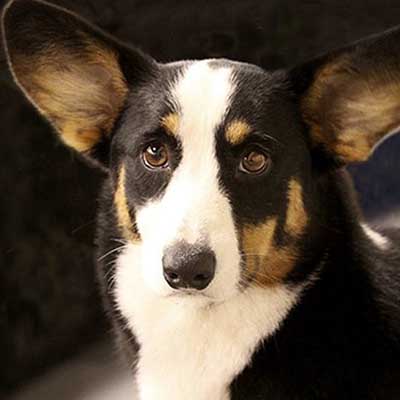
Pembroke Corswiss
The Pembroke Corswiss is a hybrid dog breed that emerges from the combination of the Pembroke Welsh Corgi and the Greater Swiss Mountain Dog. As a relatively recent addition to the canine world, detailed information about this breed is somewhat scarce, prompting us to look at its parent breeds for guidance. While the precise beginnings of the Pembroke Corswiss are not well-documented, we do know that the Corgi originates from the United Kingdom, whereas the Greater Swiss Mountain Dog comes from Switzerland. Both breeds have rich histories and were initially bred for herding and protection tasks. This unique blend of characteristics results in an intriguing mix within the Pembroke Corswiss. Owners report that this breed possesses a strong sense of independence while also being very affectionate and eager for human companionship.
Read more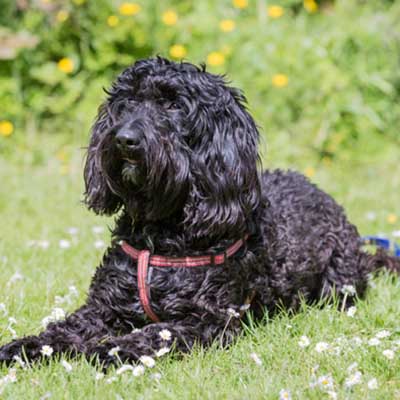
Rottle
The Rottle is a hybrid breed created by crossing a Poodle with a Rottweiler. The size of a Rottle can vary from medium to large, depending on whether the Poodle parent is a standard or miniature type. These dogs are celebrated for their friendly personalities, making them not only wonderful family pets but also dependable guardians. With their gentle and loving disposition, Rottles exhibit courage and loyalty, ensuring they are trustworthy protectors of your home and family. Their desire to learn and please makes training a straightforward process. Moreover, due to their Poodle lineage, Rottles typically have low shedding, making them a viable choice for individuals with allergies.
Read more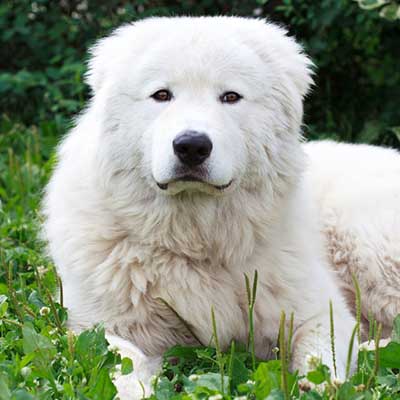
Maremma Sheepdog
The Maremma, akin to the Great Pyrenees from France and Spain and the Tatra from Poland, is part of a renowned lineage of sheepdogs recognized for their impressive stature and distinctive long white fur. Its name is derived from the Maremma and Abruzzo regions in Italy's Lazio and Tuscany, where this breed first emerged. For centuries, Maremmas have primarily served as guardians of sheep, and many of their characteristics stem from this enduring role. In a household environment, Maremmas are known for their affectionate and loyal nature, yet they possess a level of independence that distinguishes them from numerous other breeds. Having spent their lives alongside the flocks they protect, they require significant training and flourish under the leadership of a firm and consistent owner. However, their intelligence and independent tendencies can sometimes lead them to make their own decisions. These dogs are inherently watchful and often patrol their environment, thriving best in homes with large yards or open spaces, as long as the weather isn’t excessively hot. Regular physical activity and mentally engaging tasks are crucial for their overall health. Typically, Maremmas exhibit a calm temperament, barking only when necessary to alert their owners to potential threats or nearby predators. Their deep, resonant bark acts as a powerful deterrent. If not properly managed, they may become overly protective, but they generally avoid physical altercations unless absolutely required. Instead, they prefer to maintain a watchful presence and use their bark as a form of intimidation. With appropriate training and socialization, Maremmas can learn to be more at ease around unfamiliar people.
Read more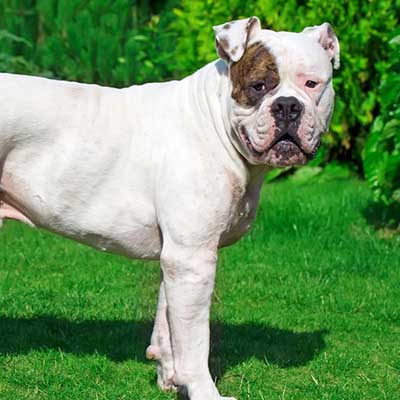
American Bulldog
The American Bulldog is a strong and athletic breed that, despite its imposing appearance, has a gentle disposition and a playful nature. This breed is divided into two main categories: the Johnson type, often called the Bully or Classic type, which has a stockier frame and a shorter muzzle similar to that of the English Bulldog; and the Scott type, known as the Standard or Performance type, which is more agile, featuring a longer muzzle and a squarer head. Many American Bulldogs today are hybrids of these two varieties. Frequently confused with the often-misunderstood American Pit Bull Terrier, the American Bulldog is a distinct breed with its own characteristics that make it not only an excellent working dog but also a loving family pet. Beneath their tough exterior lies a sensitive and emotional nature, which allows them to be highly aware of their surroundings. This sensitivity contributes to their success as family companions, particularly in households with children, as they relish playful interactions and can sense the mood of their environment. These dogs are celebrated for their affectionate personalities and strong self-assurance, which often translates into loyalty, obedience, and a protective instinct. However, because they can be reserved around unfamiliar people and other dogs, early socialization and training are crucial for their development in diverse social situations. As a high-energy breed, they thrive in homes with ample outdoor space and regular exercise, although they can adapt to apartment living if their owners lead an active lifestyle that includes them.
Read more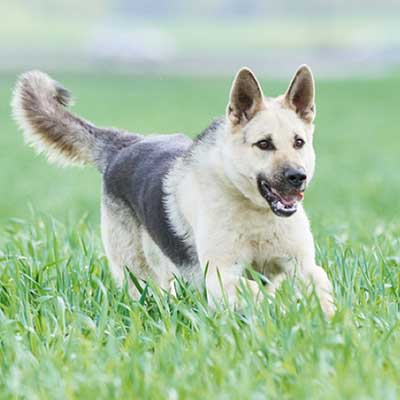
East European Shepherd
The East European Shepherd is an impressively large breed, recognized for its alert demeanor and strong protective nature. Developed in the 1930s, this breed was specifically bred to excel in colder environments and to mitigate the hip and joint problems often associated with its predecessor, the German Shepherd. These dogs are highly trainable, displaying obedience and a desire to please, which means they require little repetition during training. As attentive guardians, they are quick to notify their owners of any potential threats and are courageous in defending their loved ones. For East European Shepherds, growing up with children is crucial, as it helps forge a deep bond that can last a lifetime. However, they tend to be wary of unfamiliar people, including children, highlighting the necessity of early socialization. While they can adapt to living in apartments, they truly flourish in homes with yards that provide ample space for exercise and exploration. These intelligent dogs are well-suited for a variety of working roles, including law enforcement and search and rescue, but they also excel as devoted companions, always ready to assist their owners in any circumstance.
Read more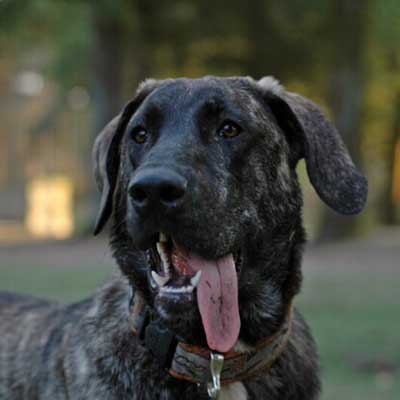
Cao de Castro Laboreiro
The Cão de Castro Laboreiro is considered one of the rarest dog breeds in the world, with a population estimated to be between 200 and 500 individuals. Historical records about this breed are limited, and even the Portuguese Kennel Club admits that many stories regarding its origins are largely conjectural. Although several theories have been proposed, there is a general agreement that this breed is indeed ancient. It is believed to have existed for thousands of years and is likely part of the Lupomolossoid group, which eventually led to the development of breeds like the Great Pyrenees, positioning it as one of the earliest descendants of the original herding and guarding dogs. Despite its mysterious past, the Cão de Castro Laboreiro has been a protector in Portugal for centuries. Its physical traits, including its facial structure and coat, bear a resemblance to that of a wolf, and its cautious attitude towards strangers enhances this likeness. This breed is known for its assertive and protective instincts, yet it is also sensitive, responding more favorably to positive reinforcement rather than harsh training methods. Within their family, they are affectionate and form strong bonds with familiar individuals, but they can be wary of strangers and other dogs, making them better suited as solo pets unless they undergo thorough socialization. Their high intelligence and strong-willed nature mean they flourish under the care of a knowledgeable and assertive owner who can provide effective training. Once properly trained, they tend to be obedient and exhibit deep loyalty to their families.
Read more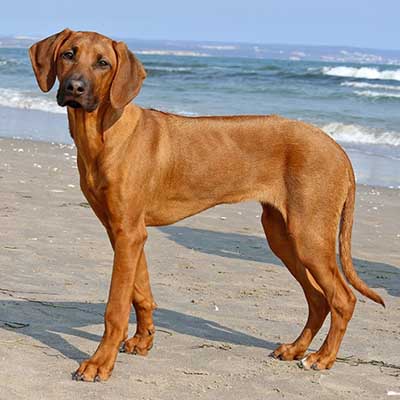
Rhodesian Ridgeback
In their quest for a hunting dog better suited to Africa's challenging climates, Dutch settlers crossbred their imported European breeds with a native tribal dog. This breeding produced a reddish-brown dog characterized by a unique ridge of fur along its back, adept at hunting large game and protecting families and homes. Originally employed for lion hunting, the Rhodesian Ridgeback's loyal and affectionate disposition soon endeared it to families, contributing to its rising popularity in other countries. Today, while it is still appreciated for its keen eyesight and scent-tracking skills, the Rhodesian Ridgeback is also celebrated as a low-maintenance, well-mannered, and energetic companion, thriving in dog shows, protection roles, and playful interactions with its human family.
Read more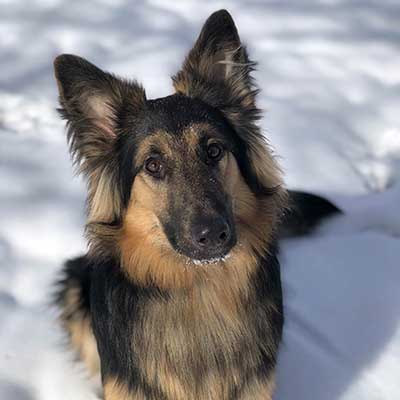
Shollie
The Shollie is a hybrid breed that emerges from the union of the purebred German Shepherd and the Border Collie, both of which are highly esteemed in the dog world. Despite the acclaim of its parent breeds, the Shollie remains relatively obscure. Currently, this crossbreed is officially recognized only by the Dog Registry of America and the American Canine Hybrid Club. As a family companion, the Shollie excels, demonstrating exceptional intelligence that ranks among the top in the canine realm. They are known for their fierce loyalty and protective nature towards their families, while also exhibiting a gentle demeanor with loved ones. Although many Shollies display the physical traits typical of a German Shepherd, subtle hints of the Border Collie's characteristics can also be seen.
Read more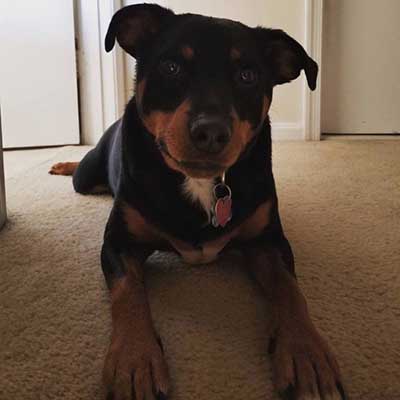
Jackweiler
The Jackweiler is a newly created designer breed that emerges from the combination of a Jack Russell Terrier and a Rottweiler. Renowned for their loyalty and intelligence, these dogs display a variety of looks and personalities. They are not well-suited for apartment living and may need less exercise in hot conditions, depending on their coat type. On average, Jackweilers live between 8 to 16 years and are typically healthy pets. This breed does not require special care and generally gets along well with other animals, as long as they are properly socialized during their early development.
Read more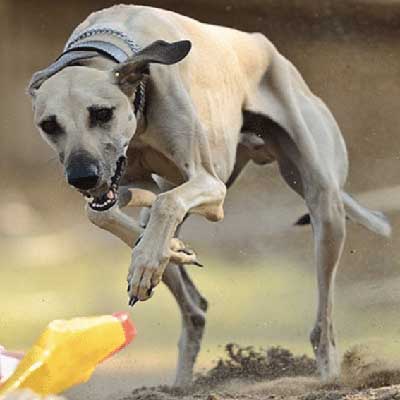
Rampur Greyhound
The Rampur Greyhound is a medium to large sighthound breed that traces its origins back to the 18th or 19th century, developed by Ahmad Ali Khan, the Nawab of Rampur. This breed was intentionally bred for the pursuit of challenging game such as boars, jackals, and even lions. While the population of Rampur Greyhounds has been slowly rising, they are still considered critically endangered and are quite uncommon outside of India. Most of the remaining dogs of this breed are utilized for hunting and guarding purposes within the country, and currently, none of the major kennel clubs have granted them official recognition.
Read more