Dog Breeds by Easy To Train
Easy To Train refers to how a dog typically behaves or responds in everyday situations. Individual dogs may vary based on training, environment, and genetics.
Easy to train dogs are more adept at forming an association between a prompt (such as the word "sit"), an action (sitting), and a consequence (getting a treat) very quickly. Other dogs need more time, patience, and repetition during training. Many breeds are intelligent but approach training with a "What's in it for me?" attitude, in which case you'll need to use rewards and games to teach them to want to comply with your requests.
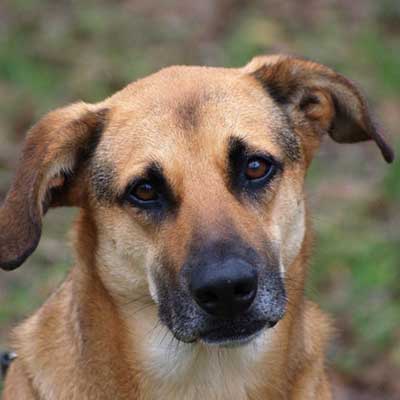
Black Mouth Cur
The Black Mouth Cur stands out as one of the most well-known breeds within the Cur group, which has its roots in the southern United States. This breed was created by blending characteristics from hounds, terriers, and feist breeds, resulting in adaptable dogs that excel in hunting, herding, and guarding tasks. Such versatility was crucial for farmers and settlers who often had limited means and could only keep a single dog, prioritizing practicality over aesthetics in their breeding choices. As a result, there is significant variation in size and color among these dogs. Regardless of their dimensions, Black Mouth Curs are highly active and possess a strong instinct to chase, requiring consistent physical and mental engagement to prevent behavioral problems.
Read more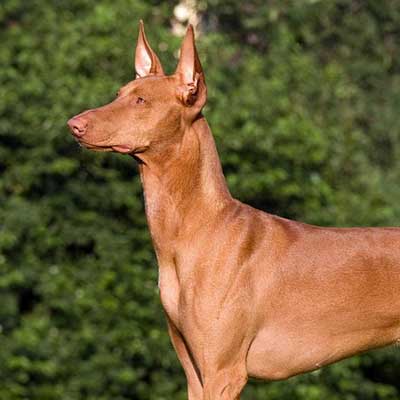
Pharaoh Hound
The Pharaoh Hound, recognized for its reserved yet spirited personality, has origins dating back to around 3000 B.C. While it has traditionally been thought to originate from Ancient Egypt, recent genetic research suggests that its true beginnings are in Malta. Ancient Egyptian hieroglyphics provide evidence of the Pharaoh Hound's long-standing presence, indicating that this breed has existed for millennia. With a strong and athletic physique, the Pharaoh Hound exhibits a graceful and elegant movement. Initially bred for hunting small game, it utilizes its sharp senses of sight, sound, and smell. This breed boasts an exotic and noble appearance, brimming with energy and a love for playful pursuits. The Pharaoh Hound shines in agility and lure coursing, demonstrating its remarkable athletic abilities. Grooming is simple due to its short, glossy coat, which only requires weekly brushing to manage shedding. For optimal well-being, the Pharaoh Hound thrives in an environment that meets its exercise needs.
Read more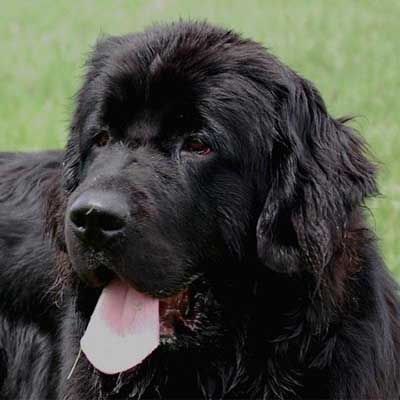
Newfoundland
The Newfoundland is a breed that originates from North America, specifically Newfoundland Island in Canada. While the exact beginnings of this breed are not entirely clear, it is thought that European fishermen introduced its ancestors to the island. Some theories propose that the Newfoundland may have descended from the white Great Pyrenees, while others suggest a connection to a French hound. Originally developed as a multi-purpose water dog and fishing aide, the Newfoundland has since become crucial in water rescue efforts. This sizable breed generally weighs between 130 and 150 pounds, with males reaching about 28 inches in height and having a body that is slightly longer than it is tall. With their sturdy build and strong bones, Newfoundlands have the power needed to rescue individuals from drowning, even in rough waters. Their webbed feet and water-resistant fur aid in swimming, while their strong, effortless gait enhances their ability to pull effectively.
Read more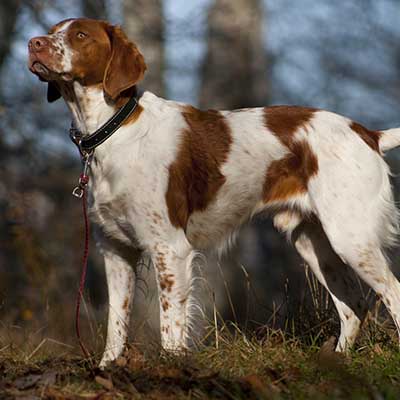
Brittany
The spirited Brittany is thought to have its roots in 18th century France. This breed emerged from a combination of French Spaniels and possibly English Pointers, and it quickly gained recognition for its remarkable versatility in hunting, often fulfilling the functions of several hunting dogs at once. With a strong physique and a nimble structure, the medium-sized Brittany embodies both grace and speed. Typically adorned with a white and orange coat, its short fur requires minimal upkeep, simplifying the grooming process. Renowned for its boundless energy, the Brittany not only thrives as a hunter but also makes a loving and loyal companion, always ready to engage in play, protect its family, or run for hours.
Read more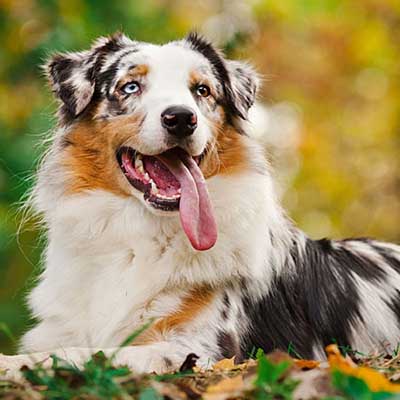
Australian Shepherd
The Australian Shepherd is a remarkably intelligent and loyal companion, yet it is also a breed brimming with energy that flourishes with active involvement. Renowned for its prowess in a variety of canine sports such as herding trials, tracking, agility, flyball, tricks, and obedience, the Aussie—its affectionate nickname—demands a household that can provide consistent training, structure, and plenty of physical exercise. This breed possesses a strong herding instinct, often leading it to nip at or bark at animals, people, and objects. If not given a specific task to engage with, the Australian Shepherd may exhibit disruptive and destructive behaviors. Interestingly, despite its name, the breed was actually developed in the United States for herding purposes.
Read more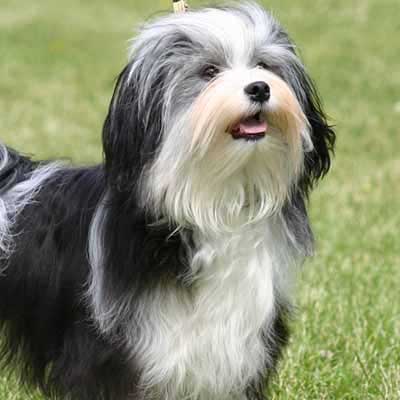
Lowchen
The Löwchen, affectionately referred to as the "little lion" in German, was a beloved pet among the European nobility during the 15th century, especially in regions such as Belgium, Germany, Spain, and France. This breed was intentionally bred for its small stature, opulent coat, and gentle nature, making it a favored companion for women who often brought them to court. Traditionally, their grooming involved a distinctive style where the fur on the legs, hindquarters, and part of the tail was closely trimmed to evoke a lion-like look. Even in modern times, the Löwchen remains treasured for its affectionate personality and continues to forge deep bonds with its human families.
Read more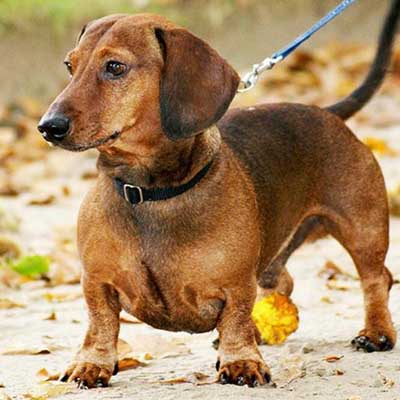
Dachshund
Since the 1950s, Dachshunds have consistently been among the most beloved dog breeds. With their distinctive long bodies and short legs, these dogs are not only charming but also exhibit a spirited and courageous personality. Although they possess intelligence, training can be challenging, especially if the techniques used become repetitive. Their inherent stubbornness often leads them to prefer their own methods. Originally developed in Germany for hunting small game, these characteristics are still apparent in their behavior today, which may manifest as a tendency to chase smaller animals or dig in the yard. Dachshunds are lively both indoors and outdoors, allowing them to adapt well to a variety of living environments.
Read more
Greater Swiss Mountain Dog
The Greater Swiss Mountain Dog, commonly known as the Swissy, is a gentle and affectionate breed that delights in making its owners happy. Although they are intelligent and can sometimes be a bit headstrong, their steadfast loyalty more than makes up for these tendencies. Generally, they are calm around children, other animals, and friendly guests, but they also make excellent watchdogs thanks to their sharp awareness. Originating from Switzerland, this breed has a rich history that dates back nearly 2,000 years, making it one of the oldest dog breeds in the country. Originally developed for herding, guarding, and draft work, the Greater Swiss Mountain Dog has transformed into a versatile companion, thriving in various activities such as competitive obedience, carting, tracking, and protection.
Read more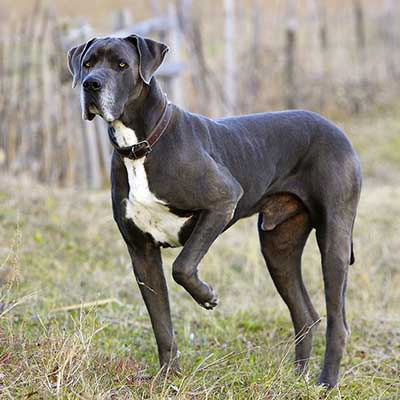
Great Dane
The Great Dane is commonly known as the "gentle giant" due to its calm and thoughtful demeanor. These dogs thrive on love and often try to snuggle in their owner's lap, resembling a smaller lapdog. They have a strong desire to please their families and are typically easy to train. However, it's crucial to keep in mind that their large size enables them to reach elevated surfaces, such as tables and kitchen counters. Moreover, their tails can be a hazard, as they might accidentally knock over objects within their reach, which makes them more suitable for homes with ample space. Unfortunately, like many larger breeds, they generally have shorter lifespans.
Read more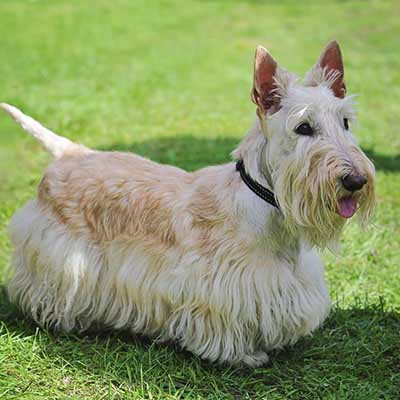
Scottish Terrier
The Scottish Terrier is a small yet spirited breed, celebrated for its lively character. In the 1700s, breeders started developing what we now know as the Scottish Terrier, originally calling it the Aberdeen Terrier after a town in Scotland. The breed was affectionately dubbed the “little diehard” by the fourth Earl of Dumbarton, a nickname that still resonates today. Though they are petite, these dogs are brimming with bravery and vitality. Initially bred to hunt rabbits, otters, foxes, and badgers, Scottish Terriers continue to excel as vigilant watchdogs and devoted companions.
Read more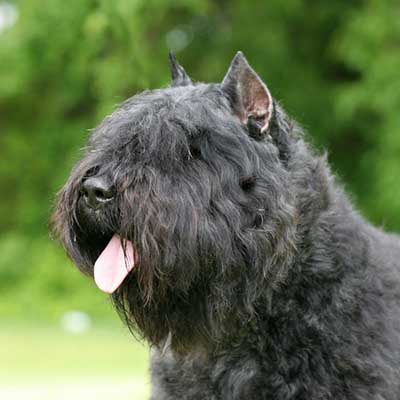
Bouvier des Flandres
The Bouvier des Flandres was initially developed as a hardworking dog, specifically designed for herding cattle and leveraging its strength on farms. Originating from Belgium and Northern France, these sturdy and intelligent dogs nearly faced extinction during World War I due to the destruction in their native regions. However, following the war, their population and popularity surged, leading them to become beloved family pets. Renowned for their loyalty, Bouviers thrive in various roles and require plenty of human interaction and physical exercise. Today, they can be found working as police, rescue, and guide dogs. Despite their energetic nature, Bouviers also appreciate relaxing with their dedicated families.
Read more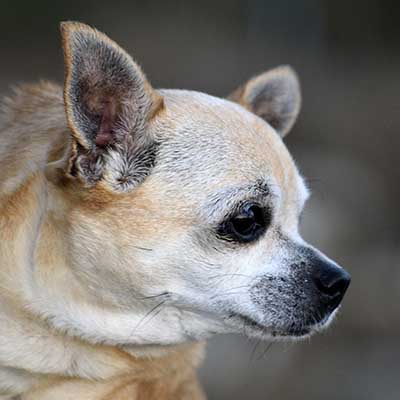
Chihuahua
The Chihuahua, celebrated as the tiniest dog breed in the world, takes its name from the Mexican state of Chihuahua. Both legends and archaeological findings indicate that these dogs originated in Mexico, with toy-like figures resembling Chihuahuas unearthed from Mexico to El Salvador, dating back to approximately 100 AD. Chihuahuas can have either long or short coats and are divided into two main head shapes: “apple heads,” which have rounder skulls, closely spaced eyes, and shorter legs, and “deer heads,” characterized by flatter skulls, wider-set eyes, larger ears, and longer legs. At present, apple-headed Chihuahuas are more popular among dog lovers. They come in a wide array of colors and patterns, but in this breed, the color does not influence the dog's personality. While Chihuahuas are primarily companions, they can take on a guarding role if not properly trained, exhibiting protective behaviors. Known for their spirited nature, loyalty, and protectiveness, Chihuahuas can be quick to react, making them less ideal for families with young children. They often form strong bonds with a single owner, showing a preference for that individual over others in the home, and they typically enjoy the company of fellow Chihuahuas more than that of other dog breeds.
Read more