Medium Dog Breeds
Medium dog breeds are generally classified based on average adult height and weight ranges.
Medium breed dogs weigh 25–59 lbs as adults. They grow slower than small breeds and reach adult weight around 12 months. They may be prone to weight gain and may have denser or longer coats.
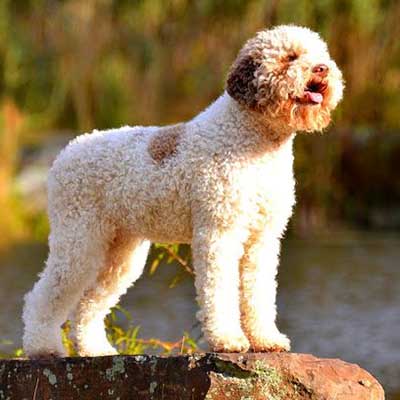
Lagotto Romagnolo
The Lagotto Romagnolo is a historic breed of Italian water dog that experienced extensive crossbreeding with various other breeds to improve its agility and scent-tracking abilities. This, coupled with a drop in its popularity, nearly drove the breed to extinction by the early 20th century. Fortunately, a passionate group of breeders and veterinarians committed themselves to its revival. Their efforts paid off, leading to the breed's recognition by the FCI in 1995 and subsequently by the AKC in 2015. The Lagotto Romagnolo is classified as a small to medium-sized dog, distinguished by its distinctive curly coat, which is made of hypoallergenic hair that repels water, complemented by a thick undercoat for added insulation.
Read more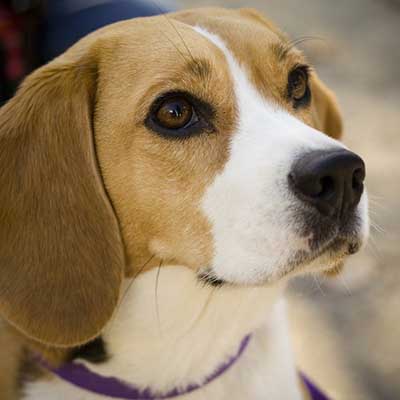
Beagle
The Beagle is frequently seen as one of the most laid-back and cheerful dog breeds. With a lively and amusing demeanor, this breed spreads happiness to those around it. Originating in England in the early 1800s, Beagles were originally developed for tracking and hunting rabbits. They flourish when allowed to explore their environment, utilizing their exceptional sense of smell, which can sometimes lead them into playful trouble. As scent hounds, Beagles have ancestry that includes the Talbot Hound, North Country Beagle, and Southern Hound. Their compact and muscular build makes them an ideal companion. Beagles are easily identifiable by their droopy ears and endearing expressions. Their short, smooth coats require little maintenance; a simple weekly brushing with a rubber curry brush is enough to keep them looking their finest.
Read more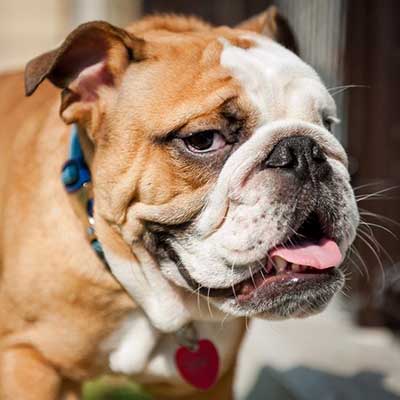
English Bulldog
The Bulldog often reveals a surprising contrast between its fierce, intimidating look and its true character. Beneath that tough facade lies a gentle and loving nature; these dogs are remarkably friendly and deeply value their human companions, all while exhibiting a playful streak of stubbornness. Above all, their loyalty to their families is steadfast. As puppies, Bulldogs are brimming with energy, but they gradually evolve into more laid-back adults. They have a special affinity for children, showcasing impressive patience; when they’ve had enough excitement, they simply relocate to a quieter area. Bulldogs also get along well with other pets, making them one of the most versatile breeds for households with multiple animals. As they age, Bulldogs tend to become a bit more sedentary, preferring to relax by your side and observe their surroundings. While they enjoy playtime with kids, it won’t be long before they seek out their favorite sunny spot for a nap. It’s essential to keep in mind that Bulldogs can easily overheat, so they need a cool retreat during the hot summer months. Additionally, they are known for their drooling and snoring, and their short snouts can lead to specific health concerns. Nonetheless, they are charming and devoted companions that bring joy and laughter to any household.
Read more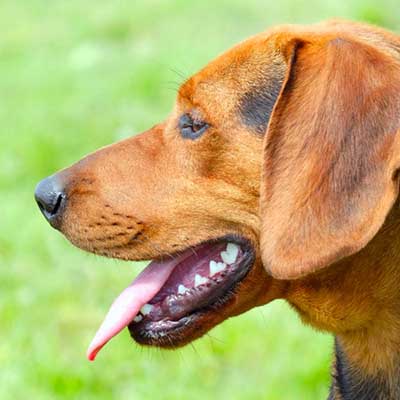
Serbian Hound
Vibrant in the field and affectionate at home, the Serbian Hound is renowned for its remarkable abilities as both a loyal companion and a skilled hunter. With a history that spans nearly a millennium, this breed has long been a favored choice among hunters in the Balkans, prized for its sharp sense of smell, endurance during hunts, and intelligence. While they are often employed in packs to track and capture larger game like deer and boar, they also thrive as solitary hunters, adept at pursuing smaller prey such as hares and foxes. Despite their strong hunting instincts, which ignite an almost limitless enthusiasm for the chase, Serbian Hounds exhibit a calm and loving demeanor in domestic settings. Their fierce loyalty, especially towards their trainers and families, can sometimes lead to challenges due to their high intelligence. Naturally sociable, they generally get along well with other dogs and are typically good with children; however, their strong prey drive may create difficulties in homes with non-canine pets. In summary, Serbian Hounds are exceptional companions, skillfully balancing their roles as hunters, protectors, and affectionate family members.
Read more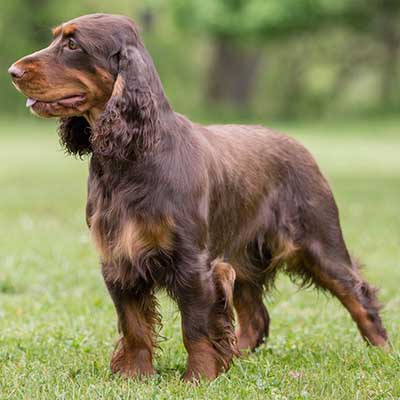
Field Spaniel
The Field Spaniel is a medium-sized dog recognized for its gentle nature and energetic spirit. Initially bred as a hunting companion, this breed gained traction in competitive dog shows during the 19th century. It descended from land Spaniels, diverging from breeds such as the Cocker Spaniel, English Water Spaniel, and Sussex Spaniel. Regrettably, early breeding efforts focused on specific traits nearly pushed the breed to the brink of extinction in the 20th century. Although Field Spaniels do not need specialized grooming, they thrive with weekly brushing to remove dead and loose fur. Additionally, like many Spaniels, they may experience issues with bad breath, which can be alleviated through regular brushing with dental products designed for dogs.
Read more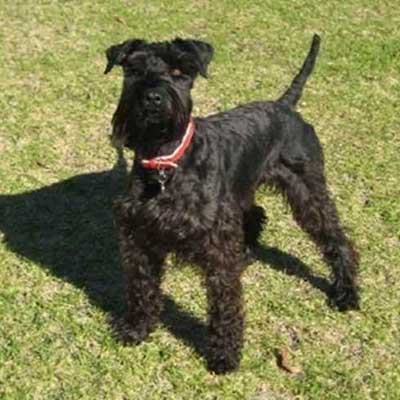
Mini Kerry Blue Schnauzer
The Mini Kerry Blue Schnauzer is a designer hybrid created by crossing the Kerry Blue Terrier with the Miniature Schnauzer. Given the shared physical traits and temperamental qualities of both parent breeds, one can generally predict the appearance and personality of this hybrid. Individual size and weight can vary significantly among these dogs. This hybrid is also known by several names, such as Kerryblueschnauz, and is acknowledged by organizations like the American Canine Club and the Designer Breed Registry.
Read more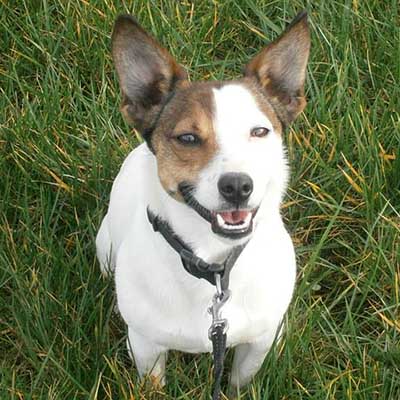
Husky Jack
The Husky Jack is an energetic hybrid breed created by crossing a Siberian Husky with a Jack Russell Terrier. Renowned for their spirited personalities, these dogs exhibit traits of boldness, loyalty, and affection. Generally, they are medium-sized, weighing between 30 and 40 pounds and standing 17 to 19 inches tall, with a lifespan of approximately 11 to 16 years. Their coats are short and smooth, showcasing a variety of colors, including white, black, gray, red, sable, and agouti, often highlighted by markings in shades of black, brown, tan, cream, or even tri-color combinations. While the Husky Jack has become increasingly popular since the late 20th century, it is not officially recognized as a breed by the American Kennel Club (AKC) due to its ongoing development and lack of standardization.
Read more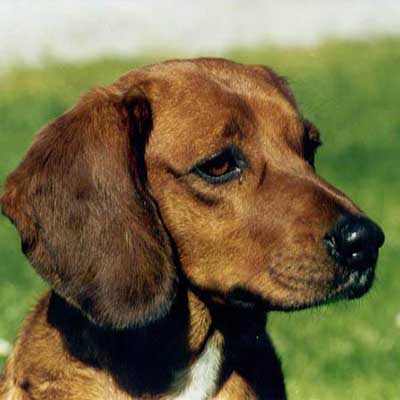
Tyrolean Hound
The Tyrolean Hound, believed to be a descendant of the mythical Celtic Hounds, has a fascinating history that stretches back centuries, even though it has only gained formal recognition in the last 160 years. Renowned for their outstanding hunting abilities, these dogs also make devoted companions. In a home environment, they are known for their calm and relaxed nature, which makes them a great fit for families with children. Unlike many other breeds used for hunting, Tyrolean Hounds tend to be more reserved around strangers, displaying aloofness rather than aggression. While they have a natural inclination to hunt independently, they thrive in family settings and benefit from early socialization to foster positive relationships with other dogs.
Read more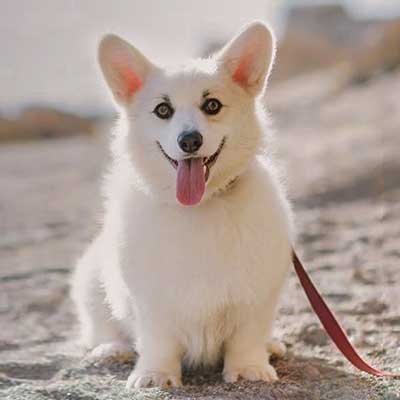
West Highland Corgi
West Highland Corgis are loving, easygoing, and spirited pets that adapt effortlessly to different environments. Although they are small in size, they have a solid build and a lively, alert personality. These dogs are intelligent and usually easy to train, though they can be a bit headstrong if they don’t perceive a clear incentive to follow commands. Their medium-length coat requires minimal upkeep, and they are generally a hearty breed. Renowned for their friendly disposition, they interact well with both humans and other dogs. Their adaptability makes them fantastic travel buddies, always ready to join you on your next adventure.
Read more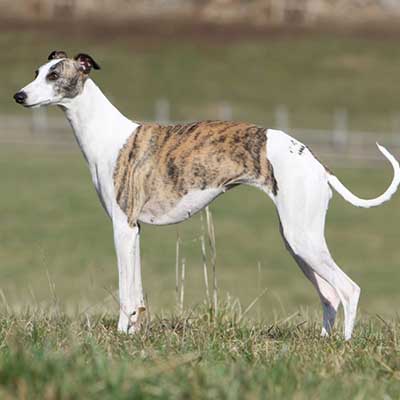
Whippet
The Whippet is a graceful breed that shares a close lineage with the Greyhound and hails from England. Originally developed for rabbit-luring competitions, these dogs later took part in rag races. With their slender build, Whippets are incredibly athletic and excel in a variety of canine sports, including agility, flyball, and lure coursing. They are known for their gentle nature, generally displaying good behavior around children and other dogs. However, it's important to exercise caution when they are around smaller pets, such as cats, as their instincts may lead them to see these animals as potential prey. Although they are vigilant and make good watchdogs, they do not possess the aggression needed to function as reliable guard dogs for your home.
Read more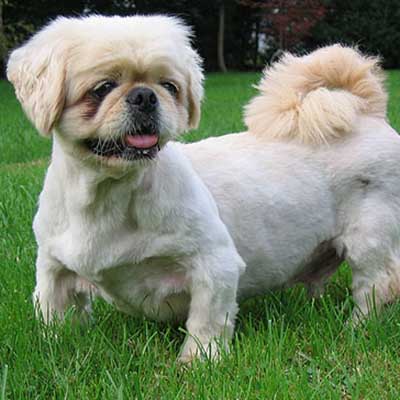
English Lhasa Bull
The English Lhasa Bull is a thoughtfully designed hybrid breed, created through the deliberate pairing of the Bulldog—historically bred for bull-baiting and recognized for its friendly nature—and the ancient Lhasa Apso, a small dog esteemed as a guardian of temples. This mix is anticipated to display a more relaxed temperament and be quieter than the Lhasa Apso. Unlike the typical English Bulldog, the English Lhasa Bull is likely to retain its playful and lively spirit well into its adult years. Generally, these dogs are gentle in nature, although they may feel apprehensive around strangers. In summary, they can make wonderful, enduring companions, fitting for households of any size.
Read more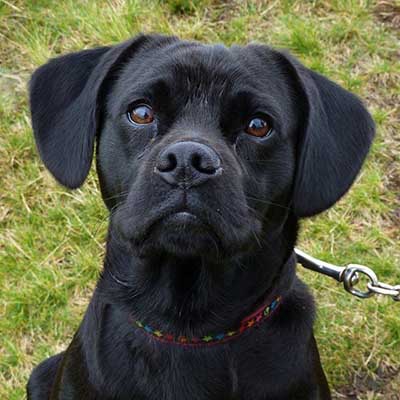
Cocker Pug
The Cocker Pug is a mixed breed created by deliberately crossing a Cocker Spaniel with a Pug. As a designer breed, it showcases traits from both of its parent breeds. The Cocker Spaniel is considered a medium-sized dog, while the Pug is smaller, resulting in the Cocker Pug typically being classified as small to medium in size. Its coat can range from smooth to wavy and is generally medium to long, requiring regular grooming to maintain its appearance. Cocker Pugs are known for their loving and sociable demeanor, making them adaptable companions who cherish time spent with their families. They are intelligent and tend to learn quickly, although their Pug heritage may bring a touch of stubbornness. This breed is especially good with children, making them wonderful family pets. Furthermore, Cocker Pugs can comfortably live in apartments, as long as they receive daily exercise to fulfill their activity requirements.
Read more