Medium Dog Breeds
Medium dog breeds are generally classified based on average adult height and weight ranges.
Medium breed dogs weigh 25–59 lbs as adults. They grow slower than small breeds and reach adult weight around 12 months. They may be prone to weight gain and may have denser or longer coats.
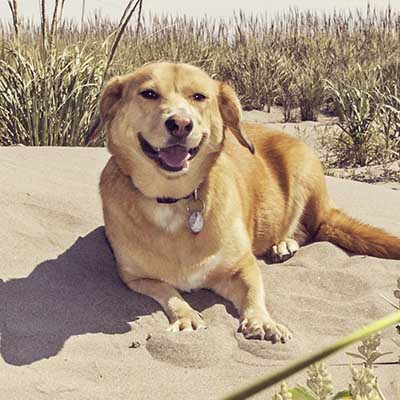
Corgidor
Although the Corgidor is not formally acknowledged as a separate breed, it is a beloved mix that combines the popular Welsh Corgi with the Labrador Retriever. This hybrid has likely been around for a considerable period, probably resulting from accidental crossbreeding between the two parent breeds. Unfortunately, a detailed history of the Corgidor is hard to come by. Breeders strive to capture the Welsh Corgi's loyalty and protective nature, alongside the Labrador's gentle temperament, intelligence, and even disposition in their Corgidor puppies.
Read more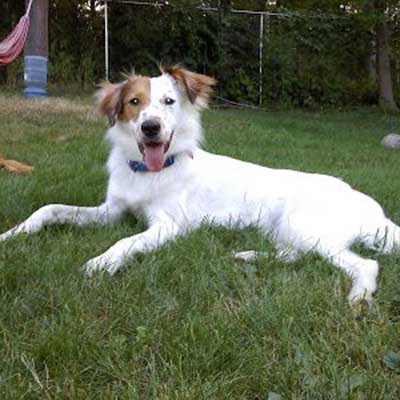
English Borsetter Collie
The English Borsetter Collie is a unique breed resulting from the combination of a Border Collie and an English Setter. Both parent breeds are recognized for their energetic nature and were initially bred for work-related tasks. Consequently, the English Borsetter Collie shares this high energy and demands significant physical activity, along with a secure, fenced area for play. Because of these requirements, they are not ideal for living in apartments. This breed is known for its gentle and calm personality, making it a fantastic option for families with children, as they are both affectionate and loving. However, they may also inherit the herding instincts from the Border Collie, which can result in behaviors like nipping or barking at kids and guests during energetic play. Thankfully, such tendencies can be managed with proper training, as these dogs typically respond well to commands. Inherently sensitive, the English Borsetter Collie is highly perceptive to its owner's signals and emotions. Early socialization is essential for fostering their confidence and promoting suitable behavior. With their striking looks, intelligence, and affectionate nature, the English Borsetter Collie is truly a delightful companion.
Read more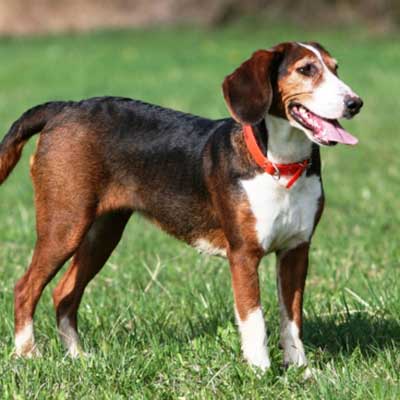
Deutsche Bracke
The Deutsche Bracke is an eye-catching and endearing breed, generally falling within the small to medium size range. While they enjoy popularity in Germany, they are still relatively unknown in many other regions. Bred initially for hunting purposes, these dogs need plenty of exercise, ideally engaging in physical activities twice daily. They thrive on companionship and can experience anxiety if left alone for long stretches, which may result in unwanted behaviors. Their gentle nature makes them excellent companions for families, especially around children. Sociable with other dogs, the Deutsche Bracke has been trained to hunt both in packs and individually. However, their strong hunting instincts can pose a threat to smaller pets like cats or rabbits, so supervision is crucial. Despite their calm demeanor, their independent streak can make training a bit challenging. This breed does not respond well to harsh training methods; instead, positive reinforcement is essential. Training sessions should be fun, varied, and brief to keep their attention. When taking the Deutsche Bracke for walks, it’s important to keep them on a leash, as they can quickly take off in pursuit of an intriguing scent. Once they catch a whiff of something interesting, redirecting their focus can be quite difficult. Overall, this breed is eager to please, affectionate, intelligent, and a devoted companion.
Read more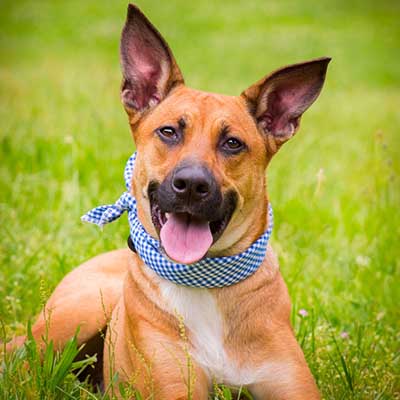
Arubian Cunucu
The Arubian Cunucu is a breed of pariah dog indigenous to Aruba, a Caribbean island. While it is not officially recognized as a separate breed by any kennel club or organization, it is cherished by the local community. These dogs are lively and nimble sighthounds, thought to have historically hunted alongside the Arawak people. Individuals who choose to bring a Cunucu into their homes often discover that they are loyal, trainable, and tolerant companions, although they may exhibit some neediness. This trait is evident in both puppies adopted from shelters and adult dogs rescued from the streets.
Read more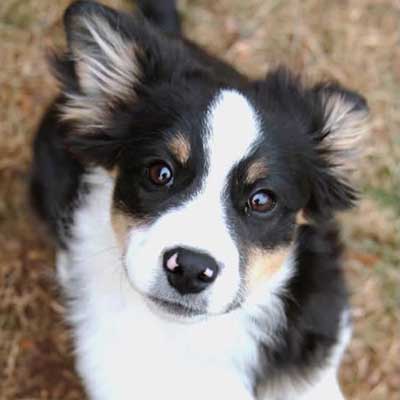
Cosheltie
The Cosheltie is an impressive medium to large breed that emerges from the crossbreeding of a Collie and a Shetland Sheepdog. This breed is distinguished by its long, dense, and coarse coat, which can appear in a variety of colors, though it often features a mix of black, brown, white, red, tan, or merle. With a notable pointed muzzle, erect ears, well-structured legs, and a long, fluffy tail, the Cosheltie also displays a curious demeanor. Renowned for their intelligence and desire to please, these dogs are relatively straightforward to train and thrive in agility and obedience activities. They make wonderful family pets and typically coexist harmoniously with other animals. However, their strong herding instincts may prompt them to try to herd other pets or even small children.
Read more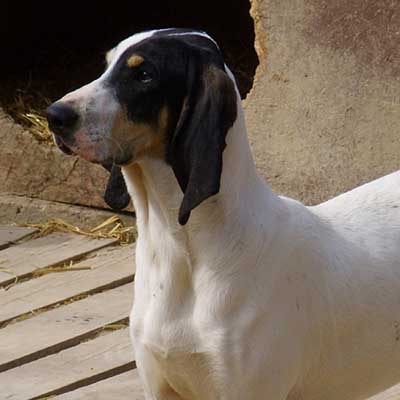
Ariegeois
The Ariegeois is a large scent hound renowned for its exceptionally friendly temperament. While not widely known beyond France, these dogs are appreciated for their easygoing nature, particularly in social situations, except when it comes to hunting. With a strong history as pack animals, they generally show little aggression towards other dogs and are often welcoming, even to strangers, which unfortunately diminishes their effectiveness as guard dogs. This breed is affectionate and loyal, thriving in a family environment. Although they possess a high energy level, they are adaptable and will join in on whatever activities the group is involved in, even if it means simply lounging together. However, it’s crucial to ensure they get regular exercise. As larger, athletic dogs, their well-being relies on sufficient physical activity. When not engaged in coursing or driving, they delight in running or having access to open spaces where they can sprint freely, reminiscent of their ancestral roles in chasing. They are relatively easy to train, particularly when a strong bond exists with their owner, and once trained, they respond effectively to commands.
Read more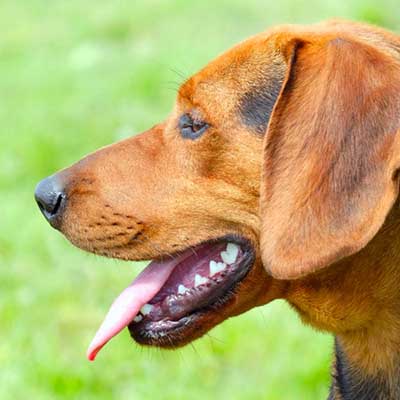
Serbian Hound
Vibrant in the field and affectionate at home, the Serbian Hound is renowned for its remarkable abilities as both a loyal companion and a skilled hunter. With a history that spans nearly a millennium, this breed has long been a favored choice among hunters in the Balkans, prized for its sharp sense of smell, endurance during hunts, and intelligence. While they are often employed in packs to track and capture larger game like deer and boar, they also thrive as solitary hunters, adept at pursuing smaller prey such as hares and foxes. Despite their strong hunting instincts, which ignite an almost limitless enthusiasm for the chase, Serbian Hounds exhibit a calm and loving demeanor in domestic settings. Their fierce loyalty, especially towards their trainers and families, can sometimes lead to challenges due to their high intelligence. Naturally sociable, they generally get along well with other dogs and are typically good with children; however, their strong prey drive may create difficulties in homes with non-canine pets. In summary, Serbian Hounds are exceptional companions, skillfully balancing their roles as hunters, protectors, and affectionate family members.
Read more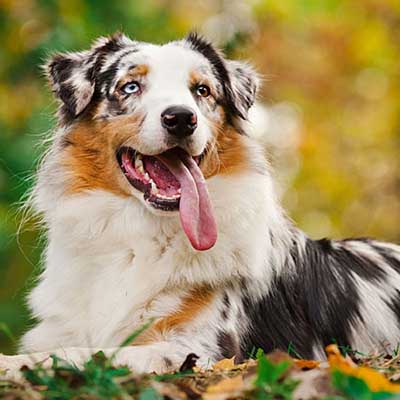
Australian Shepherd
The Australian Shepherd is a remarkably intelligent and loyal companion, yet it is also a breed brimming with energy that flourishes with active involvement. Renowned for its prowess in a variety of canine sports such as herding trials, tracking, agility, flyball, tricks, and obedience, the Aussie—its affectionate nickname—demands a household that can provide consistent training, structure, and plenty of physical exercise. This breed possesses a strong herding instinct, often leading it to nip at or bark at animals, people, and objects. If not given a specific task to engage with, the Australian Shepherd may exhibit disruptive and destructive behaviors. Interestingly, despite its name, the breed was actually developed in the United States for herding purposes.
Read more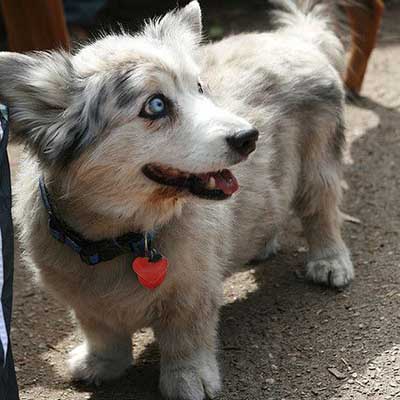
Dusky
A Dusky is a hybrid dog that results from crossing a Dachshund with a Siberian Husky. The specific traits of a Dusky can differ significantly, depending on which parent breed's characteristics are more dominant. Dachshunds are small, typically weighing between 16 and 33 pounds, while Siberian Huskies are medium-sized, with weights ranging from 35 to 60 pounds. The coat colors of a Dusky can be quite diverse, including options like black, black and tan, chocolate, cream, blue, white, silver, copper, brown, agouti, sable, and grey. Siberian Huskies are recognized for their thick fur, which consists of a dense undercoat and a longer layer of straight guard hairs. In contrast, Dachshunds can have either smooth or wiry coats. Both breeds are known for their intelligence and loving disposition. For families with young children, it’s important to prioritize socialization and training for the Dusky during its puppy stage. Since both parent breeds are generally easy to train and require moderate care, it’s likely that a Dusky will inherit these qualities as well.
Read more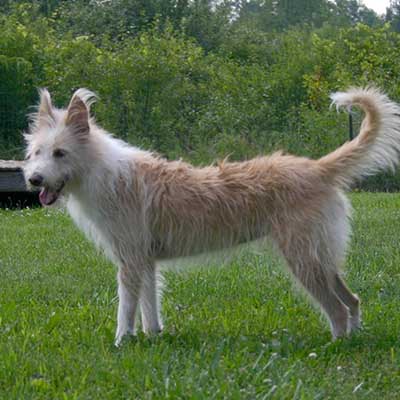
Podengo Portugueso
The Portuguese Podengo is a rare breed that closely resembles its relatives, such as the Pharaoh Hound, Cirneco dell'Etna, and Ibizan Hound. This energetic and joyful dog flourishes in social settings, ideally in a group or with at least one other dog. Renowned for its friendly nature, the Portuguese Podengo is also great with children. However, it's essential to have a high fence, as this breed is known for its remarkable jumping ability. The breed comes in three distinct sizes, with the Grande and Medio being quite similar; many registries do not differentiate between the two. In contrast, most organizations clearly distinguish the Portuguese Podengo from the smaller Portuguese Podengo Pequeno.
Read more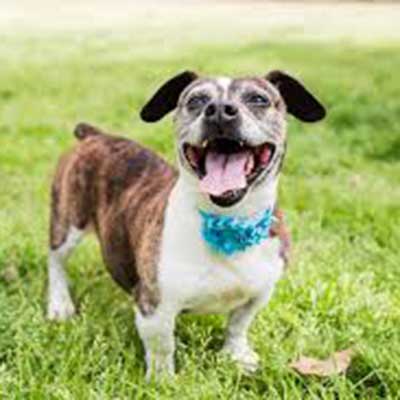
Miniature English Bulldach
The Miniature English Bulldach is a thoughtfully designed hybrid breed, created by combining the English Bulldog—originally developed as a companion for bull baiting—with the Dachshund, a tenacious hunting dog known for pursuing badgers and foxes in their dens. Like many mixed breeds, the Miniature English Bulldach can inherit various characteristics from both parent breeds. Typically, this breed is more robust and relaxed than the Dachshund, showcasing a longer muzzle, back, and tail than the English Bulldog, along with a bit more vitality. They are generally friendly with individuals of all ages, but it’s crucial to monitor their interactions with other dogs and children. While they usually coexist peacefully with other pets, some male Miniature English Bulldachs may display aggression towards other dogs, and their Dachshund heritage may lead them to chase small or fast-moving animals.
Read more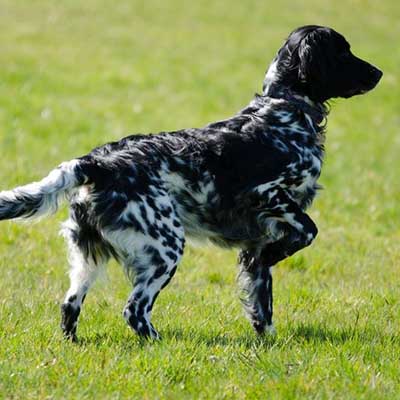
Large Munsterlander
The Munsterlander is a dynamic sporting breed that comes in two sizes: small and large. Although it is relatively new to the United States, it has long been favored for hunting in Europe. Both size variations require considerable attention and training to develop into well-adjusted family companions. With a strong hunting drive, the Munsterlander thrives when involved in meaningful activities. It is crucial for this breed to reside indoors, allowing for plenty of interaction with family members. If left unsupervised in the backyard, a Munsterlander may engage in mischief and potentially cause damage to your landscaping, as they are adept at finding ways to entertain themselves.
Read more