Medium Dog Breeds
Medium dog breeds are generally classified based on average adult height and weight ranges.
Medium breed dogs weigh 25–59 lbs as adults. They grow slower than small breeds and reach adult weight around 12 months. They may be prone to weight gain and may have denser or longer coats.
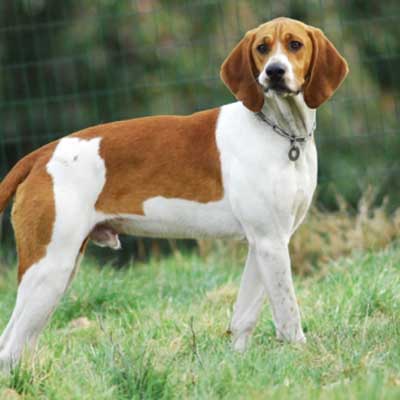
Anglo-Francais de Petite Venerie
The Anglo-Français de Petite Vénerie, much like various other French scent hounds, has a storied past that stretches back several centuries. This breed originated from the interbreeding of older Anglo-French hounds with the Poitevin, Beagle, Petite Gascon-Saintongeois, and Petite blue de Gascogne. The result is a dog that resembles English foxhounds in build while showcasing the unique head characteristics typical of French scent hounds. For centuries, these dogs have been primarily employed in hunting, often working in packs to flush out small game, and many of their behavioral traits are rooted in this historical function. Although they have long been recognized as hunting dogs in France, their appeal is now on the rise as show and companion animals in countries such as the United Kingdom, the United States, and Italy. Even when kept as individual pets, they maintain their pack-oriented instincts, displaying sociable, friendly, and non-aggressive behavior towards people, including strangers, and are particularly gentle with children. These dogs are known for their loyalty and affection, forming deep bonds with their families, especially with the owner who trains and socializes them. Like other scent hounds, they possess intelligence and a strong-willed nature, which can sometimes lead to stubbornness. This makes early training more effective when conducted by an experienced handler. They also have a tendency to bay, a behavior developed to alert their owners, which can create challenges in smaller living spaces like apartments. Furthermore, their hunting instincts may complicate living with small non-canine pets, as their prey drive can emerge unexpectedly. Despite these minor hurdles, the Anglo-Français de Petite Vénerie is a well-mannered breed that is gradually evolving from a traditional hunting dog into a beloved family companion.
Read more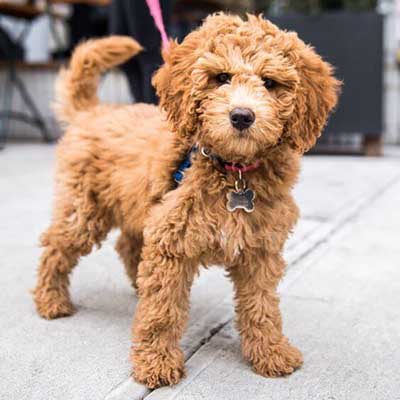
Miniature Goldendoodle
The Miniature Goldendoodle is an endearing small to medium-sized dog celebrated for its loving and attentive personality. This breed is a delightful combination of a Golden Retriever and a Miniature or Toy Poodle, creating a friendly and gentle companion that resembles a small, fluffy teddy bear. Their charming traits have made them a popular choice among families, particularly those with children, as they are loyal and affectionate pets. With the spirited nature of a Miniature Poodle and the gentle temperament of a Golden Retriever, Mini Goldendoodles thrive on human interaction. They often shadow their owners from room to room, seeking companionship and affection, and they love to cuddle. Their playful and silly antics can provide endless amusement through tricks and energetic behavior. However, it’s crucial to recognize that these intelligent dogs do not handle long periods of solitude well, as they may experience anxiety when left alone for too long.
Read more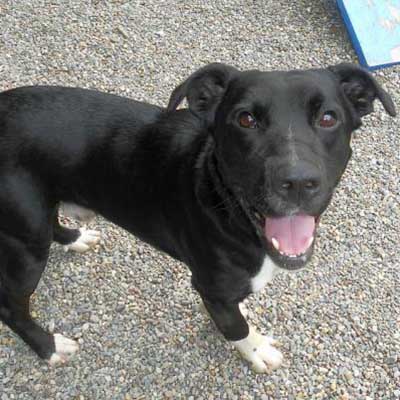
Boston Lab
The Boston Lab is a charming mix of the Labrador Retriever and the Boston Terrier, embodying the finest traits of both breeds. This medium-sized dog falls between the size of a Labrador and a Boston Terrier. Renowned for their playful and joyful nature, Boston Labs are loving and devoted companions. While they are attentive listeners, they may not always adhere to commands! Eager to please, these dogs respond well to training, enjoying the attention and the chance to bring joy to their owners. In their younger years, they are quite lively, enthusiastically joining in games and often being the first to greet you at the door, ready for a walk. Boston Labs are excellent with children, actively participating in their play and demonstrating impressive patience. They thrive on family interaction and can experience loneliness if left alone for too long. Furthermore, Boston Labs are very active and easily socialized, making them exceptional family pets.
Read more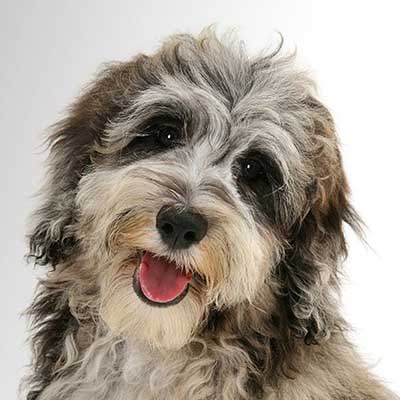
Beardoodle
The Beardoodle is a medium-sized dog breed that emerges from the combination of a Bearded Collie and a Poodle. Adult Beardoodles typically weigh around 50 pounds and stand approximately 21 inches tall. Their coats are long and thick, often appearing in various shades such as black, brown, or blue. Renowned for their friendly disposition, Beardoodles are wonderful family companions and usually get along well with both children and other pets. To foster positive interactions with other animals and visitors, early socialization is crucial. These dogs are known for their intelligence, bravery, and ease of training, making them relatively straightforward to teach. However, they do need plenty of exercise to keep them engaged and prevent boredom.
Read more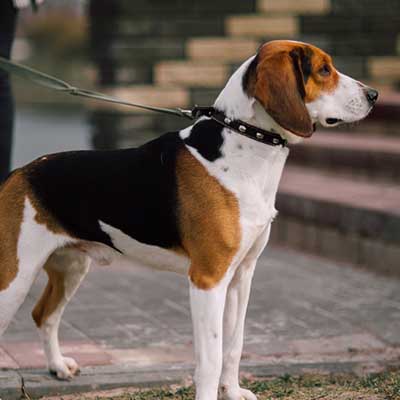
Estonian Hound
The Estonian Hound is celebrated for its impressive endurance and lively spirit, along with a keen sense of smell and a strong instinct to chase prey. This breed is sturdy and well-equipped to handle frigid temperatures. With a joyful and playful nature, the Estonian Hound usually demonstrates a gentle personality and a calm presence when properly socialized. Although they may seem somewhat aloof around unfamiliar faces, they convey their emotions in a polite way. This breed is quite vocal, often engaging in barking, howling, and baying, which can be moderated through training, though it may not be completely eradicated. An expansive rural property or a spacious home with a yard is ideal for this dog, along with considerate neighbors. The Estonian Hound tends to form strong bonds with children, particularly if they are socialized early on. They are surprisingly tolerant of rough play and exhibit a loving and gentle demeanor. Furthermore, they generally coexist well with other dogs, as they have been bred to hunt in groups. However, caution is warranted when introducing them to other pets, as their instinct to hunt may be triggered by smaller animals like rabbits.
Read more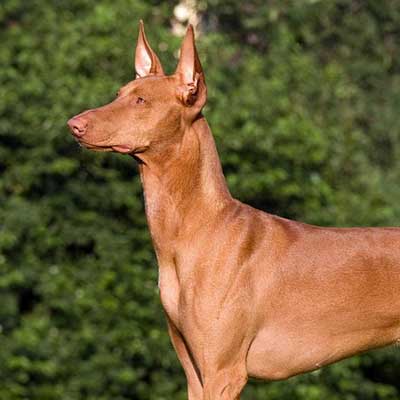
Pharaoh Hound
The Pharaoh Hound, recognized for its reserved yet spirited personality, has origins dating back to around 3000 B.C. While it has traditionally been thought to originate from Ancient Egypt, recent genetic research suggests that its true beginnings are in Malta. Ancient Egyptian hieroglyphics provide evidence of the Pharaoh Hound's long-standing presence, indicating that this breed has existed for millennia. With a strong and athletic physique, the Pharaoh Hound exhibits a graceful and elegant movement. Initially bred for hunting small game, it utilizes its sharp senses of sight, sound, and smell. This breed boasts an exotic and noble appearance, brimming with energy and a love for playful pursuits. The Pharaoh Hound shines in agility and lure coursing, demonstrating its remarkable athletic abilities. Grooming is simple due to its short, glossy coat, which only requires weekly brushing to manage shedding. For optimal well-being, the Pharaoh Hound thrives in an environment that meets its exercise needs.
Read more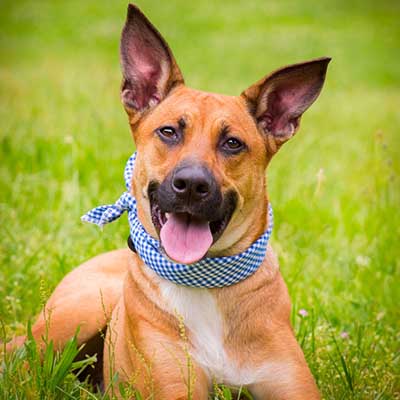
Arubian Cunucu
The Arubian Cunucu is a breed of pariah dog indigenous to Aruba, a Caribbean island. While it is not officially recognized as a separate breed by any kennel club or organization, it is cherished by the local community. These dogs are lively and nimble sighthounds, thought to have historically hunted alongside the Arawak people. Individuals who choose to bring a Cunucu into their homes often discover that they are loyal, trainable, and tolerant companions, although they may exhibit some neediness. This trait is evident in both puppies adopted from shelters and adult dogs rescued from the streets.
Read more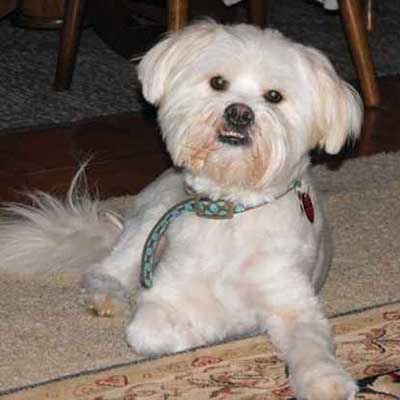
Kimola
The Kimola is a hybrid breed that merges the fox-like characteristics of the American Eskimo with the unique beard of the Lhasa Apso. This fascinating combination creates an intelligent dog known for its bravery and protective nature towards its family, while also being cheerful, playful, and sociable. As an engaging companion, the Kimola flourishes through interaction with other pets, children, and new acquaintances, contributing to its development as a well-rounded dog. Expect a grooming routine that can be moderate to high; starting this early in your puppy's life will aid in their adjustment. Building a connection with your Kimola is a breeze, as they are affectionate and eager to please.
Read more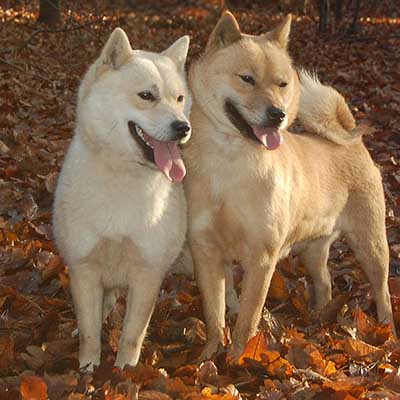
Hokkaido
The Hokkaido is a medium-sized spitz breed recognized for its sturdy physique and remarkable stamina. This dog forms a deep connection with its owner, showcasing unwavering loyalty throughout its life. Bringing an older Hokkaido into your home can be difficult, as they often have strong attachments to their families. They excel in very cold conditions but may struggle in warmer climates unless they have air conditioning. This breed may not be suitable for novice dog owners or families with young kids. Nevertheless, a Hokkaido can make a fantastic companion for children if it is raised with them, properly socialized, and taught to respect their space.
Read more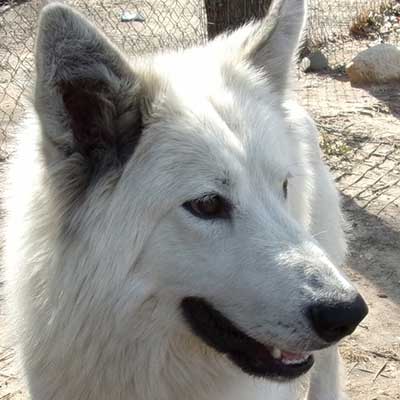
Sibercaan
The Sibercaan is a hybrid dog breed, though there is some disagreement about its parentage. All breed registries acknowledge that one of its progenitors is the Canaan dog, which has been domesticated since approximately 2200 to 2000 BC. This breed made its way back to the Negev Desert around 2000 years ago after the Romans displaced the Israelites. However, opinions vary regarding the second parent breed. The American Canine Hybrid Club and the International Designer Canine Registry recognize the Siberian Husky as the other parent, while the Designer Breed Registry asserts that it is the Native American Indian Dog. This latter breed is noted for its intelligence and energetic nature, making it highly trainable when the right techniques are employed. Conversely, if subjected to harsh or repetitive training, it may become stubborn and manipulative. Overall, the Sibercaan is a loyal and devoted companion, making it a good fit for families with members of all ages, although it may be cautious around strangers. This hybrid does not do well in confined spaces and requires plenty of daily exercise and attention, rendering it unsuitable for small living conditions.
Read more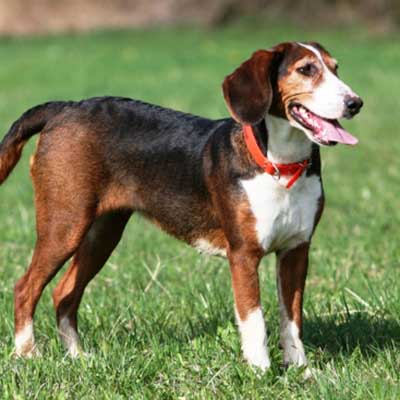
Deutsche Bracke
The Deutsche Bracke is an eye-catching and endearing breed, generally falling within the small to medium size range. While they enjoy popularity in Germany, they are still relatively unknown in many other regions. Bred initially for hunting purposes, these dogs need plenty of exercise, ideally engaging in physical activities twice daily. They thrive on companionship and can experience anxiety if left alone for long stretches, which may result in unwanted behaviors. Their gentle nature makes them excellent companions for families, especially around children. Sociable with other dogs, the Deutsche Bracke has been trained to hunt both in packs and individually. However, their strong hunting instincts can pose a threat to smaller pets like cats or rabbits, so supervision is crucial. Despite their calm demeanor, their independent streak can make training a bit challenging. This breed does not respond well to harsh training methods; instead, positive reinforcement is essential. Training sessions should be fun, varied, and brief to keep their attention. When taking the Deutsche Bracke for walks, it’s important to keep them on a leash, as they can quickly take off in pursuit of an intriguing scent. Once they catch a whiff of something interesting, redirecting their focus can be quite difficult. Overall, this breed is eager to please, affectionate, intelligent, and a devoted companion.
Read more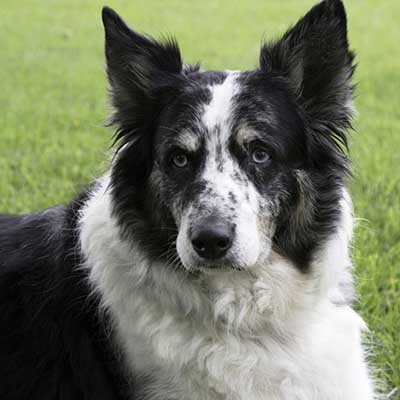
Welsh Sheepdog
The Welsh Sheepdog is a hardworking breed recognized for its proactive nature and decision-making skills while herding, yet it remains open to direction from its owner. This breed thrives on physical activity and seeks out purposeful tasks. If you're considering adding a Welsh Sheepdog to your family, it's crucial to understand that they flourish in an active environment; without sufficient stimulation, they may become bored and difficult to handle, particularly in smaller spaces like apartments, especially if left alone for long periods. They are known to be quite vocal, often expressing their dissatisfaction loudly. A large yard or a rural environment is much more suited to their natural instincts. While their herding abilities and strong work ethic are highly valued, their physical appearance is less important, resulting in a wide range of sizes and colors among individuals. Unlike some herding breeds that merely oversee livestock, the Welsh Sheepdog adeptly guides them by moving back and forth and maintains a taller posture than the Border Collie during herding. This breed is loyal, intelligent, and gentle with children, while also being protective, making it an ideal companion for active families or a valuable addition to a farm.
Read more