Medium Dog Breeds
Medium dog breeds are generally classified based on average adult height and weight ranges.
Medium breed dogs weigh 25–59 lbs as adults. They grow slower than small breeds and reach adult weight around 12 months. They may be prone to weight gain and may have denser or longer coats.
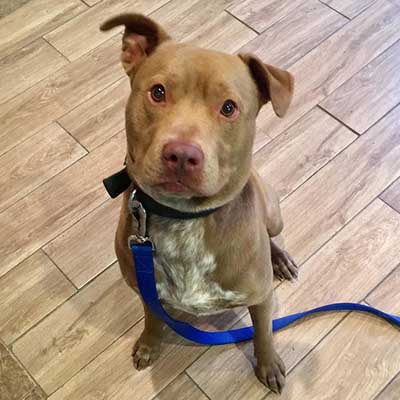
Pit Pei
Pit Peis are a newly emerging designer dog breed, created by crossing a Shar-Pei with an American Pitbull Terrier. While these parent breeds share some common traits, they also have notable differences, especially in their physical characteristics. Both breeds can be quite stubborn, which means they are generally better suited for experienced dog owners. Consequently, we can expect certain traits in the Pit Pei, although some may still be unpredictable. These dogs have a dense coat, making them more comfortable in cooler temperatures and less ideal for vigorous activity in hot weather. As a medium-sized breed, they do best in homes with ample space and yards, but they can adapt to apartment living as long as they receive sufficient exercise each day.
Read more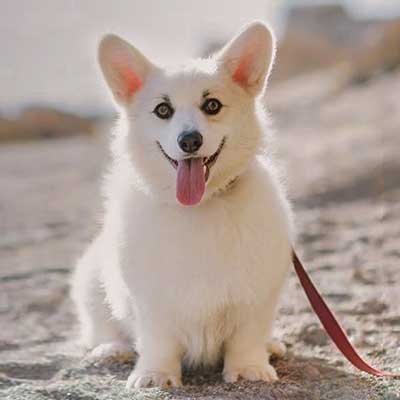
West Highland Corgi
West Highland Corgis are loving, easygoing, and spirited pets that adapt effortlessly to different environments. Although they are small in size, they have a solid build and a lively, alert personality. These dogs are intelligent and usually easy to train, though they can be a bit headstrong if they don’t perceive a clear incentive to follow commands. Their medium-length coat requires minimal upkeep, and they are generally a hearty breed. Renowned for their friendly disposition, they interact well with both humans and other dogs. Their adaptability makes them fantastic travel buddies, always ready to join you on your next adventure.
Read more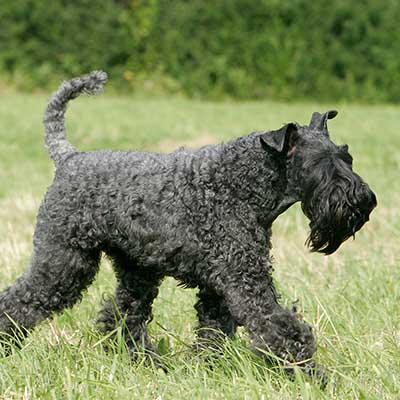
Kerry Blue Terrier
The Kerry Blue Terrier is renowned for its loyalty, intelligence, and sometimes entertaining behavior during play. This medium-sized breed has a robust and muscular physique, which means they require supervision while playing, especially around young children. If they are not properly socialized as puppies, they may become moody or reserved, making it essential for their owners to be strong yet fair and consistent in their training approach. These dogs respond best to positive reinforcement, thriving on praise and rewards rather than harsh discipline. They are particularly sensitive to any perceived unfairness, which can trigger aggressive tendencies if they feel mistreated. Although they are quite energetic, Kerry Blue Terriers can adjust well to living indoors, including in apartments, as long as they receive a good daily walk to help them burn off energy. When out for walks, it’s crucial to keep them on a leash due to their strong hunting instincts, as they may chase after small animals. They can also show aggression towards other dogs, often trying to establish their dominance. Their stunning, soft coat is advantageous for those with allergies, but it requires weekly grooming to keep it in good shape. Regular cleaning of their beards is also necessary to avoid odors from trapped food. Generally, these dogs need a bath once a week and a trim every six weeks. They are low-odor, do not drool, and are extremely loyal to their families. However, they may develop a habit of barking unless trained to limit it to a single bark, a lesson that should start during their puppy stage.
Read more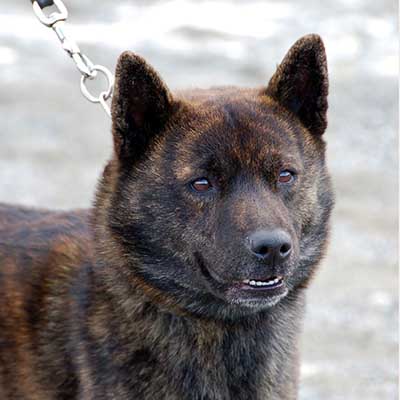
Kai
The Kai Ken was largely isolated from the outside world for a significant time, mainly due to the geographical features of its homeland—an island surrounded by mountains. Its reputation began to grow with the introduction of firearms and the rise in popularity of big game hunting. Known for its remarkable hunting skills, this breed is adept at climbing trees to pursue its prey. Although it was not initially bred as a companion animal, the Kai Ken became a beloved pet in many American homes following its introduction to the United States. The breed did not gain official recognition in Japan until 1934 and is still regarded as rare today. While the United Kennel Club recognized the Kai Ken in 1997, it has not yet been acknowledged by the American Kennel Club.
Read more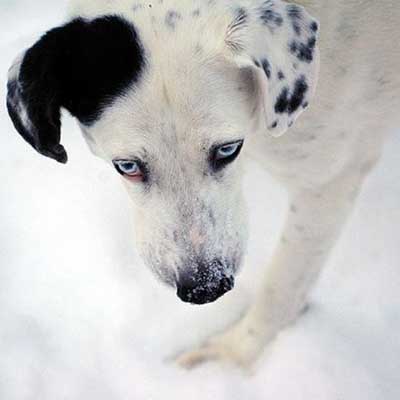
Dalmatian Husky
The Dalmatian Husky is a mixed breed that emerges from the combination of a Dalmatian and a Siberian Husky. Renowned for their energetic and playful demeanor, these dogs often require extra patience during training. They are affectionate and spirited, making them excellent companions for children. Their grooming requirements are moderate, especially if they take after the thick coat of their Husky ancestry. Regular exercise is crucial for this breed, as a lack of physical activity can result in weight gain. While many Dalmatian Huskies tend to resemble their Siberian Husky parent, some may also exhibit the unique spots typical of Dalmatians.
Read more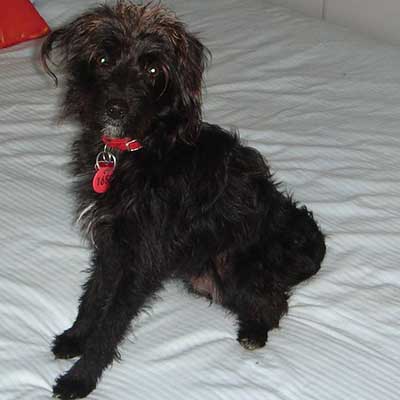
Wire Foodle
To breed a Wire Foodle, you must combine a Wire Fox Terrier with a Poodle. The Poodle can be of any type—Standard, Miniature, or Toy—which will affect the dog's final size. This hybrid is ideal for seniors, families with children, and homes with other pets, but it is vital to ensure early socialization. Additionally, consistent and effective training is important to establish a sense of leadership. Wire Foodles have dense, curly, and wiry coats, necessitating regular grooming and daily exercise to keep them healthy and to avoid behavioral problems. Generally, they are a sturdy breed, often living into their mid-teens, although it is important to keep an eye on potential congenital health issues.
Read more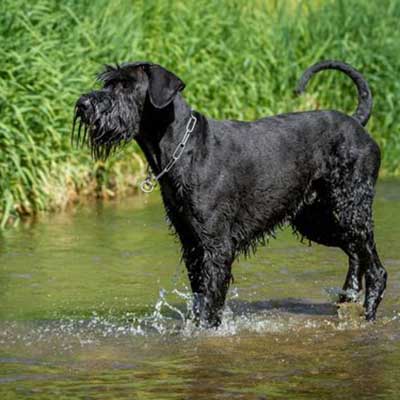
Giant Kerry Blue Schnauzer
The Giant Kerry Blue Schnauzer is a mixed breed that emerges from the combination of a Kerry Blue Terrier and a Giant Schnauzer. The parent breeds typically showcase a variety of colors, including black, salt and pepper, silver, blue, slate blue, and grey. The Giant Schnauzer is characterized by its wiry, robust, and dense coat, which is relatively low-maintenance, while the Kerry Blue Terrier is known for its soft, thick, and wavy fur. Since both parent breeds are recognized for their minimal shedding, it is likely that the Giant Kerry Blue Schnauzer will also exhibit low shedding tendencies. This breed is expected to inherit the lively and playful characteristics of its lineage, making it an excellent choice for families. Furthermore, it has the potential to excel as a working dog in various capacities, including police and military roles.
Read more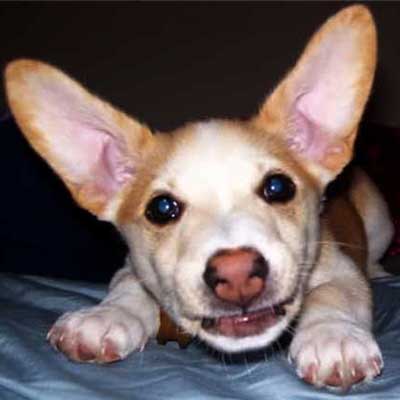
Bullhuahua Terrier
The Bullhuahua Terrier is a mixed breed that emerges from the combination of a purebred Chihuahua and a Bull Terrier. These dogs are celebrated for their loving disposition and small stature, making them beloved companions. They are characterized by their courage, lively energy, and a strong protective instinct. Bullhuahua Terriers thrive on companionship and often struggle with being left alone for long stretches. While they need regular exercise to maintain their health, they generally prefer to lounge indoors alongside their owners. This breed typically has a lifespan of 13 to 16 years, weighs between 20 to 30 pounds, and stands 10 to 14 inches tall. Their coat is short and smooth, coming in a range of colors that are commonly found in both Chihuahuas and Bull Terriers. As a relatively recent hybrid, the Bullhuahua Terrier does not have established breed standards and is not recognized as a purebred by the American Kennel Club.
Read more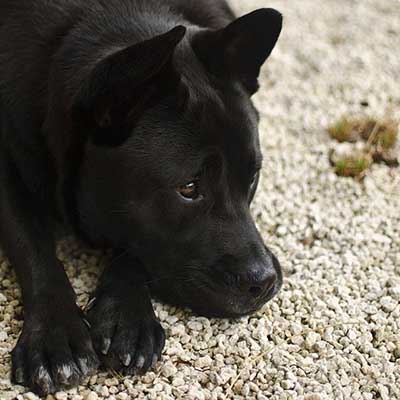
Pitchow
Pitchows, often referred to as Chowpits, are a hybrid breed created by crossing American Pitbull Terriers with Chow Chows. These unique dogs generally have a lifespan of 10 to 15 years and are celebrated for their companionship. Their physical traits can vary greatly, reflecting the characteristics of either parent breed. Furthermore, their personalities can range widely; due to the differing temperaments of the Chow Chow and American Pitbull Terrier, the resulting puppies may display a mix of traits from both sides. Typically, Pitchows are loving and loyal, although they might be apprehensive around strangers.
Read more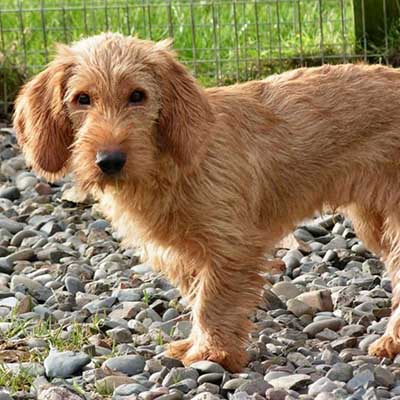
Basset Fauve De Bretagne
The Basset Fauve de Bretagne is a sturdy and compact breed celebrated for its energetic personality. Often called the Fawn Colored Brittany Basset, this dog boasts a rough coat and demonstrates sharp intelligence, although he can sometimes be quite headstrong. As a loyal companion, he is eager to make his family happy. This breed is remarkably versatile, thriving in a variety of environments and excelling in hunting different types of game. Generally, he is friendly with other dogs and children, but it's wise to exercise caution around smaller pets like ferrets and guinea pigs, as he should not be left alone with them. With a playful demeanor, the Basset Fauve de Bretagne loves to partake in games and can be quite mischievous.
Read more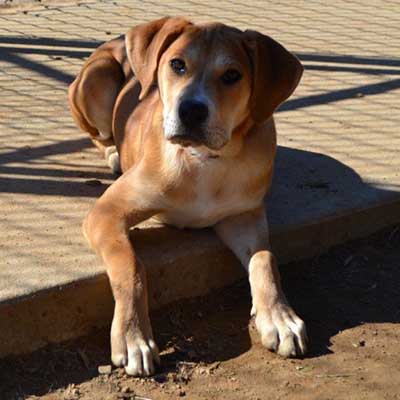
BT Walker
The BT Walker is a hybrid dog resulting from the crossbreeding of the Treeing Walker Coonhound and the Boxer. This robust breed boasts short, coarse fur that adapts well to different weather conditions. Both of its parent breeds are celebrated for their hunting and working skills, which contribute to the BT Walker's energetic disposition and desire for activity. Due to its heritage, this breed is likely to be quite vocal, reflecting the Treeing Walker Coonhound's propensity to bark often. If you're in search of a companion that not only excels in hunting but also serves as a vigilant guardian against unusual occurrences around your home, the impressive BT Walker may be the perfect fit. This breed is known for its friendly, loyal, playful, and protective characteristics. While it can make a formidable guard dog, the BT Walker may also display territorial and stubborn behaviors, highlighting the importance of early socialization.
Read more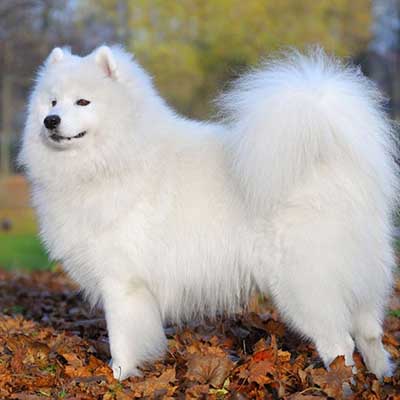
Samoyed
The Samoyed is a breed characterized by its gentle temperament, intelligence, and unwavering loyalty, thriving on close bonds with its family. Renowned for their affectionate nature, especially towards children, these dogs eagerly engage in family activities. With their distinctive ‘Sammy smile’ and a penchant for human interaction, they are charming companions full of personality. However, their stunning coat demands considerable maintenance, particularly during shedding periods, when you can expect fur to be found on your clothes, furniture, and bedding. While their friendly disposition is endearing, it’s important to remember that Samoyeds were initially bred for hunting, and this instinct is still very much alive. They may chase after small animals, including the neighbor’s cat. If you have a cat, it’s essential to introduce them to the Samoyed while the dog is still a puppy, and even then, close supervision is advisable. When taking them for walks, these spirited dogs should always be kept on a leash due to their strong chasing instincts. Samoyeds are also quite vocal, often communicating through howls, barks, or grumbles. They respond best to varied training techniques, as they can quickly lose interest in repetitive tasks, which can make training a bit more challenging. Activities that engage their minds, such as agility and tracking, are particularly beneficial. This breed is full of energy and always eager for adventure, requiring plenty of space to run and play, making them less suitable for small living environments. Although they may not be the simplest breed to care for, their delightful personalities more than make up for the grooming they require.
Read more