Medium Dog Breeds
Medium dog breeds are generally classified based on average adult height and weight ranges.
Medium breed dogs weigh 25–59 lbs as adults. They grow slower than small breeds and reach adult weight around 12 months. They may be prone to weight gain and may have denser or longer coats.
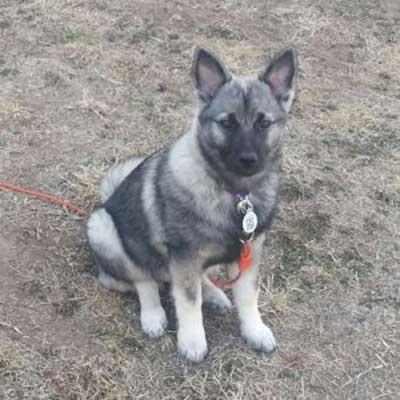
Elk-Kee
The Elk-Kee is a hybrid dog breed that results from crossing a Norwegian Elkhound with a Keeshond. Typically, these dogs weigh around 45 pounds, placing them in the medium size category. Their coats are generally short, thick, and smooth, with common hues such as black, silver, gray, and cream. Renowned for being excellent family pets, Elk-Kees are particularly affectionate with children and are usually quite trainable. Although the Keeshond is often regarded as the more trainable of the two parent breeds, both are suitable for first-time dog owners, indicating that the Elk-Kee would likely share this trait. Regular physical activity is crucial for this breed, and due to the shedding characteristics of both parent breeds, consistent grooming is important to keep their coat in good condition.
Read more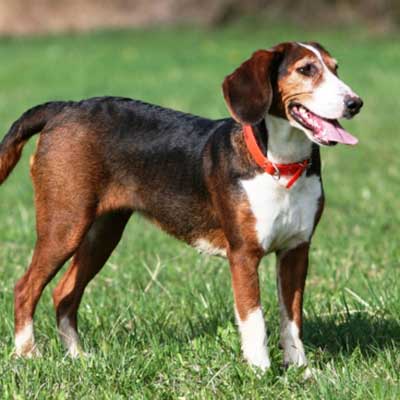
Deutsche Bracke
The Deutsche Bracke is an eye-catching and endearing breed, generally falling within the small to medium size range. While they enjoy popularity in Germany, they are still relatively unknown in many other regions. Bred initially for hunting purposes, these dogs need plenty of exercise, ideally engaging in physical activities twice daily. They thrive on companionship and can experience anxiety if left alone for long stretches, which may result in unwanted behaviors. Their gentle nature makes them excellent companions for families, especially around children. Sociable with other dogs, the Deutsche Bracke has been trained to hunt both in packs and individually. However, their strong hunting instincts can pose a threat to smaller pets like cats or rabbits, so supervision is crucial. Despite their calm demeanor, their independent streak can make training a bit challenging. This breed does not respond well to harsh training methods; instead, positive reinforcement is essential. Training sessions should be fun, varied, and brief to keep their attention. When taking the Deutsche Bracke for walks, it’s important to keep them on a leash, as they can quickly take off in pursuit of an intriguing scent. Once they catch a whiff of something interesting, redirecting their focus can be quite difficult. Overall, this breed is eager to please, affectionate, intelligent, and a devoted companion.
Read more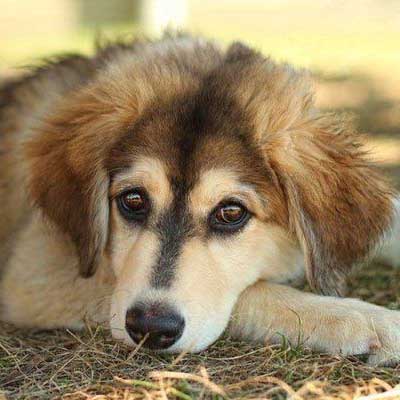
Siberian Cocker
The Siberian Cocker is a designer breed created by crossing the American Cocker Spaniel with the Siberian Husky. This medium-sized dog showcases the delightful characteristics of both parent breeds. Males usually stand between 13 and 20 inches tall, while females are typically 14 to 16 inches. In terms of weight, Siberian Cockers range from 26 to 40 pounds, with females generally being slightly lighter than males. Their coat is soft and dense, though it is not overly long. With moderate energy levels, Siberian Cockers are wonderful companions, especially for families, as they are particularly fond of children. They can thrive in apartment settings as long as they receive sufficient exercise.
Read more
English Sprointer
The English Sprointer is a newly established dog breed, created by crossing an English Pointer with an English Springer Spaniel. Known for their affectionate demeanor, these dogs are ideal for family environments. Although detailed information about the English Sprointer is scarce due to its recent introduction, we can draw conclusions about its characteristics based on its parent breeds, suggesting that it is likely to be a remarkably friendly and intelligent companion. While they may not be the best choice for guard duties because of their gentle and sociable temperament, and might face challenges with focus during training, they certainly make delightful pets that can enhance the happiness of any home.
Read more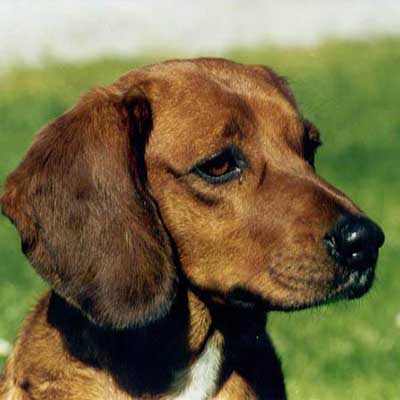
Tyrolean Hound
The Tyrolean Hound, believed to be a descendant of the mythical Celtic Hounds, has a fascinating history that stretches back centuries, even though it has only gained formal recognition in the last 160 years. Renowned for their outstanding hunting abilities, these dogs also make devoted companions. In a home environment, they are known for their calm and relaxed nature, which makes them a great fit for families with children. Unlike many other breeds used for hunting, Tyrolean Hounds tend to be more reserved around strangers, displaying aloofness rather than aggression. While they have a natural inclination to hunt independently, they thrive in family settings and benefit from early socialization to foster positive relationships with other dogs.
Read more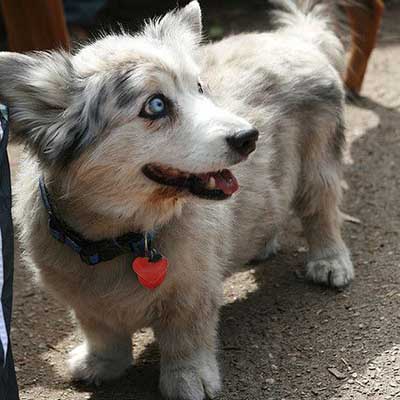
Dusky
A Dusky is a hybrid dog that results from crossing a Dachshund with a Siberian Husky. The specific traits of a Dusky can differ significantly, depending on which parent breed's characteristics are more dominant. Dachshunds are small, typically weighing between 16 and 33 pounds, while Siberian Huskies are medium-sized, with weights ranging from 35 to 60 pounds. The coat colors of a Dusky can be quite diverse, including options like black, black and tan, chocolate, cream, blue, white, silver, copper, brown, agouti, sable, and grey. Siberian Huskies are recognized for their thick fur, which consists of a dense undercoat and a longer layer of straight guard hairs. In contrast, Dachshunds can have either smooth or wiry coats. Both breeds are known for their intelligence and loving disposition. For families with young children, it’s important to prioritize socialization and training for the Dusky during its puppy stage. Since both parent breeds are generally easy to train and require moderate care, it’s likely that a Dusky will inherit these qualities as well.
Read more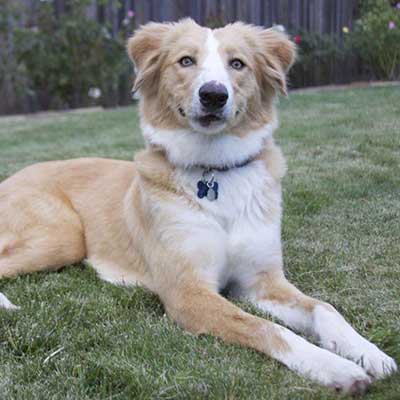
Shockerd
The Shockerd is a hybrid breed that emerges from the union of the purebred English Shepherd and the Cocker Spaniel. While the Cocker Spaniel enjoys considerable popularity, the English Shepherd remains relatively obscure and is not recognized by the American Kennel Club in the United States. Both parent breeds are celebrated for their affectionate demeanor, loyalty, and ease of training. Typically, the Shockerd displays a gentle nature, leaning more towards sensitivity than aggression. Although some may exhibit shyness, with appropriate socialization and attentive care, they can overcome any initial reluctance. This hybrid is not in high demand, likely due to the limited acknowledgment of the English Shepherd in the U.S. Currently, the breed is officially recognized by only two organizations: the Dog Registry of America and the International Designer Canine Registry.
Read more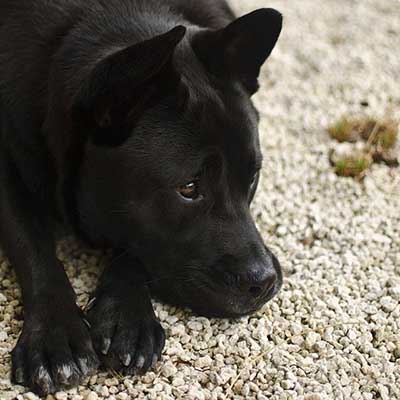
Pitchow
Pitchows, often referred to as Chowpits, are a hybrid breed created by crossing American Pitbull Terriers with Chow Chows. These unique dogs generally have a lifespan of 10 to 15 years and are celebrated for their companionship. Their physical traits can vary greatly, reflecting the characteristics of either parent breed. Furthermore, their personalities can range widely; due to the differing temperaments of the Chow Chow and American Pitbull Terrier, the resulting puppies may display a mix of traits from both sides. Typically, Pitchows are loving and loyal, although they might be apprehensive around strangers.
Read more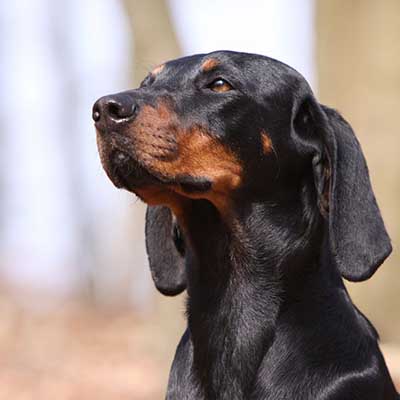
Austrian Black and Tan Hound
The Austrian Black and Tan Hound is a classic scent hound, celebrated for its exceptional sense of smell. This breed is full of energy and can travel long distances if not adequately exercised. Because of its high activity requirements, it is not ideal for apartment living and needs plenty of daily physical activity to flourish. Expect a lively and talkative personality from this dog. While it is typically sociable, it may be somewhat cautious around strangers. Notably, the Austrian Black and Tan Hound should never exhibit aggression and is a wonderful companion for children.
Read more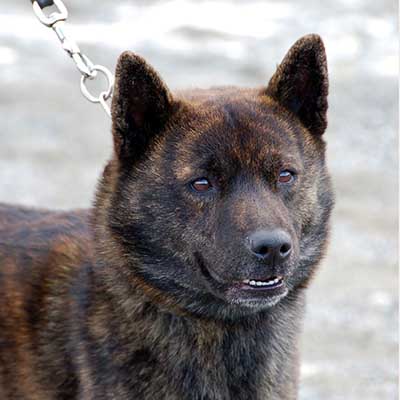
Kai
The Kai Ken was largely isolated from the outside world for a significant time, mainly due to the geographical features of its homeland—an island surrounded by mountains. Its reputation began to grow with the introduction of firearms and the rise in popularity of big game hunting. Known for its remarkable hunting skills, this breed is adept at climbing trees to pursue its prey. Although it was not initially bred as a companion animal, the Kai Ken became a beloved pet in many American homes following its introduction to the United States. The breed did not gain official recognition in Japan until 1934 and is still regarded as rare today. While the United Kennel Club recognized the Kai Ken in 1997, it has not yet been acknowledged by the American Kennel Club.
Read more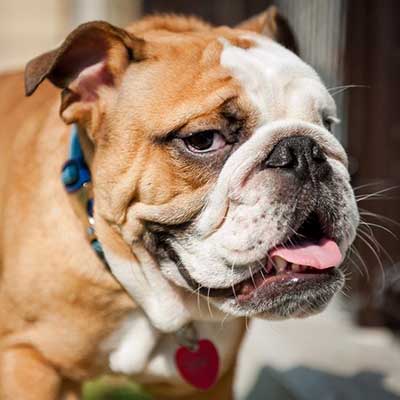
English Bulldog
The Bulldog often reveals a surprising contrast between its fierce, intimidating look and its true character. Beneath that tough facade lies a gentle and loving nature; these dogs are remarkably friendly and deeply value their human companions, all while exhibiting a playful streak of stubbornness. Above all, their loyalty to their families is steadfast. As puppies, Bulldogs are brimming with energy, but they gradually evolve into more laid-back adults. They have a special affinity for children, showcasing impressive patience; when they’ve had enough excitement, they simply relocate to a quieter area. Bulldogs also get along well with other pets, making them one of the most versatile breeds for households with multiple animals. As they age, Bulldogs tend to become a bit more sedentary, preferring to relax by your side and observe their surroundings. While they enjoy playtime with kids, it won’t be long before they seek out their favorite sunny spot for a nap. It’s essential to keep in mind that Bulldogs can easily overheat, so they need a cool retreat during the hot summer months. Additionally, they are known for their drooling and snoring, and their short snouts can lead to specific health concerns. Nonetheless, they are charming and devoted companions that bring joy and laughter to any household.
Read more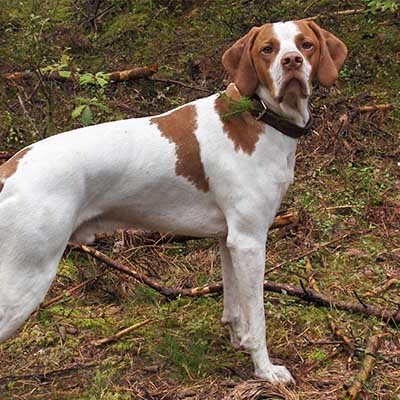
Braque Saint Germain
The Braque Saint Germain, originally developed as a sporting dog from a blend of English and French pointers, has become increasingly popular in the show ring thanks to its graceful appearance and well-rounded personality. Beyond its show dog status, this breed excels as a hunting partner, showcasing exceptional awareness, strong tracking skills, and a gentle mouth for retrieving game, which contributes to their ease of training. In a home environment, Braque Saint Germains are characterized by their relaxed, friendly, and affectionate demeanor, often expressing their affection through enthusiastic face-licking. Bred to hunt in groups, they are naturally sociable and typically get along well with strangers, other dogs, and children. However, without proper training and socialization, their instinct to chase may be triggered by non-canine animals. Moreover, they can function as decent watchdogs, promptly notifying their owners of new arrivals. However, they are not considered effective protectors, as they tend to bark without displaying aggression. Their energetic puppies can be quite a handful, particularly in homes with infants or toddlers due to their lively antics. Overall, the Braque Saint Germain's balanced temperament and impressive abilities make it an excellent choice for hunting, companionship, or competition in the show ring.
Read more