Medium Dog Breeds
Medium dog breeds are generally classified based on average adult height and weight ranges.
Medium breed dogs weigh 25–59 lbs as adults. They grow slower than small breeds and reach adult weight around 12 months. They may be prone to weight gain and may have denser or longer coats.
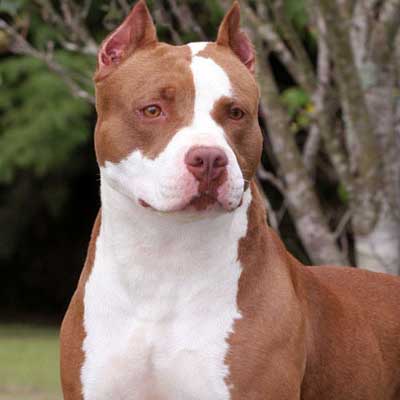
American Pit Bull Terrier
The term "Pit Bull" or "Pit Bull Terrier" refers to a group of sturdy, short-haired dogs that generally have a mixed heritage of Bulldogs and Terriers. Among them, the American Pit Bull Terrier is officially recognized as a separate breed by the United Kennel Club in England, although it does not have the same status with the American Kennel Club or the Fédération Cynologique Internationale. While Pit Bulls can sometimes display unpredictable behaviors due to their varied genetic backgrounds, this is less frequent in well-bred American Pit Bull Terriers, as responsible breeders focus on fostering a more stable temperament. To address potential issues like fearfulness, overly excited greetings, and aggression towards other dogs, it is essential to prioritize obedience training and socialization for this powerful breed.
Read more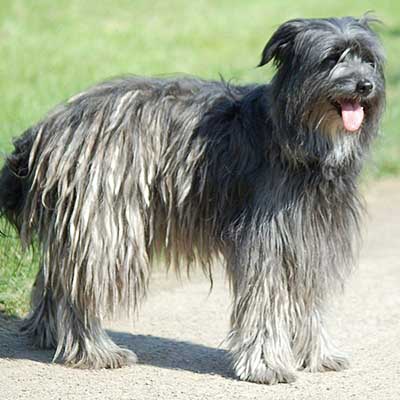
Berger des Pyrenees
The Berger des Pyrénées holds the title of the smallest herding breed in France, typically reaching full maturity by the age of three. This breed showcases two distinct facial types: one with a smooth face and the other with a rough texture. Their coats also vary in length, with options for demi-long or long fur. Renowned for their energetic nature, these dogs thrive on interaction and stimulation from their owners. While they are highly intelligent, a lack of physical activity and mental engagement can lead to behavioral issues. As a result, the Berger des Pyrénées is not ideal for first-time dog owners; they need thorough training and plenty of exercise to truly thrive.
Read more
Chonzer
The Chonzer is a delightful hybrid breed created by crossing a Bichon Frise with a Miniature Schnauzer. As a result, this dog may exhibit a blend of physical features, personality traits, and temperamental qualities from one or both of its parent breeds. The Bichon Frise has a rich history, originating in France, Spain, and Belgium, and is believed to be linked to the Water Spaniel, with records of its presence in Spain dating back to the 1300s. By that time, it had already become popular in Italy and was cherished in France by the 1500s. In contrast, the Miniature Schnauzer comes from Germany, where it was initially bred for its skills as a ratter. This breed is thought to have evolved from a combination of the Affenpinscher, Poodle, Miniature Pinscher, Wire Fox Terriers, and Zwergspitz, with its roots extending back to before the 1400s. If you choose to welcome a Chonzer into your home, you can look forward to a loyal, loving, and lively companion that will likely stay by your side. Additionally, this hybrid is recognized for its low-maintenance needs, featuring minimal shedding and hypoallergenic properties.
Read more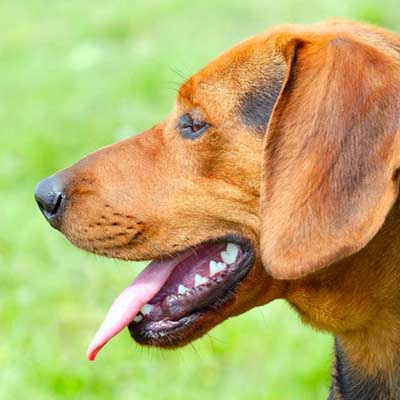
Serbian Hound
Vibrant in the field and affectionate at home, the Serbian Hound is renowned for its remarkable abilities as both a loyal companion and a skilled hunter. With a history that spans nearly a millennium, this breed has long been a favored choice among hunters in the Balkans, prized for its sharp sense of smell, endurance during hunts, and intelligence. While they are often employed in packs to track and capture larger game like deer and boar, they also thrive as solitary hunters, adept at pursuing smaller prey such as hares and foxes. Despite their strong hunting instincts, which ignite an almost limitless enthusiasm for the chase, Serbian Hounds exhibit a calm and loving demeanor in domestic settings. Their fierce loyalty, especially towards their trainers and families, can sometimes lead to challenges due to their high intelligence. Naturally sociable, they generally get along well with other dogs and are typically good with children; however, their strong prey drive may create difficulties in homes with non-canine pets. In summary, Serbian Hounds are exceptional companions, skillfully balancing their roles as hunters, protectors, and affectionate family members.
Read more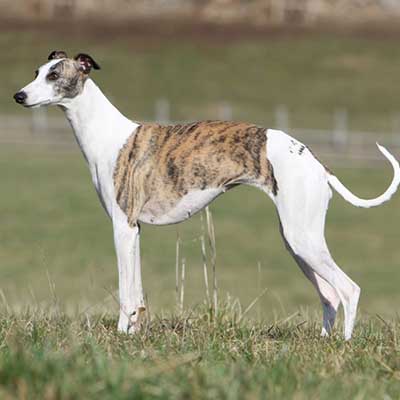
Whippet
The Whippet is a graceful breed that shares a close lineage with the Greyhound and hails from England. Originally developed for rabbit-luring competitions, these dogs later took part in rag races. With their slender build, Whippets are incredibly athletic and excel in a variety of canine sports, including agility, flyball, and lure coursing. They are known for their gentle nature, generally displaying good behavior around children and other dogs. However, it's important to exercise caution when they are around smaller pets, such as cats, as their instincts may lead them to see these animals as potential prey. Although they are vigilant and make good watchdogs, they do not possess the aggression needed to function as reliable guard dogs for your home.
Read more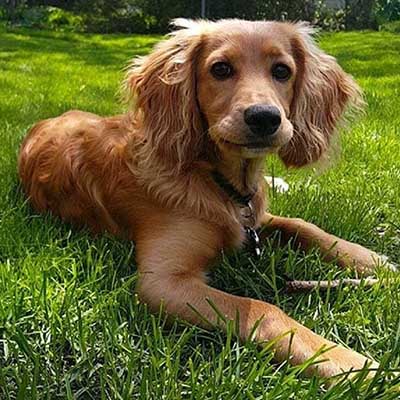
Golden Cocker Retriever
The Golden Cocker Retriever is a charming mix of the Golden Retriever and Cocker Spaniel, celebrated for its loving, friendly, and sociable nature. This hybrid breed is characterized by its high energy, allowing it to play energetically without showing signs of fatigue. Always ready for new adventures, this gentle yet lively dog makes a wonderful family pet due to its sensitive temperament. Typically, they weigh between 30 and 45 pounds and stand 20 to 24 inches tall, featuring a medium-length coat that is usually soft to the touch. To keep its coat looking shiny and free of tangles, regular grooming is essential.
Read more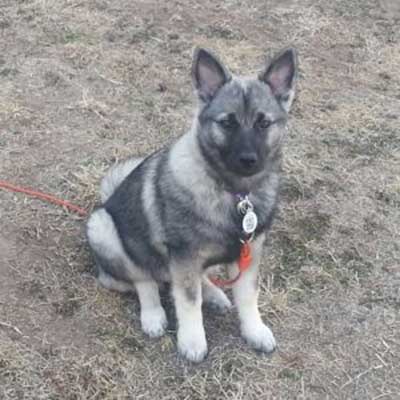
Elk-Kee
The Elk-Kee is a hybrid dog breed that results from crossing a Norwegian Elkhound with a Keeshond. Typically, these dogs weigh around 45 pounds, placing them in the medium size category. Their coats are generally short, thick, and smooth, with common hues such as black, silver, gray, and cream. Renowned for being excellent family pets, Elk-Kees are particularly affectionate with children and are usually quite trainable. Although the Keeshond is often regarded as the more trainable of the two parent breeds, both are suitable for first-time dog owners, indicating that the Elk-Kee would likely share this trait. Regular physical activity is crucial for this breed, and due to the shedding characteristics of both parent breeds, consistent grooming is important to keep their coat in good condition.
Read more
Box Heeler
The Box Heeler is a hybrid breed that emerges from the combination of a Boxer and a Blue Heeler. As a relatively new addition to the dog world, there is not much information available about this mix. To better understand what to expect from a Box Heeler puppy, it’s essential to look at the characteristics of its parent breeds. The Boxer, which typically weighs between 50 and 80 pounds, is a large dog celebrated for its playful and inquisitive demeanor. On the other hand, the Blue Heeler, also known as the Australian Cattle Dog, is a medium-sized breed known for its high energy levels. This breed is characterized by its independence and occasional stubbornness, thriving when given specific tasks. Consequently, a Box Heeler is likely to inherit a combination of these traits, resulting in a lively and agile dog full of vigor.
Read more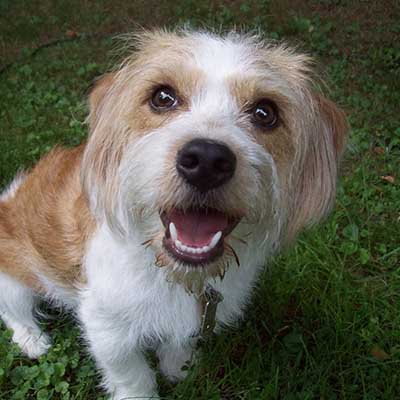
Glechon
The Glechon is a hybrid breed that emerges from the union of the keen Beagle and the loving Bichon Frise. Typically, these dogs weigh between 26 and 40 pounds and are distinguished by their wiry fur, droopy ears, and compact snouts. Renowned for their vibrant personalities, Glechons flourish with attention and relish the companionship of both people and fellow canines. They tend to be energetic and smart, necessitating consistent physical activity and mental stimulation to maintain their happiness. Many owners find their Glechons to be a wonderful source of joy and amusement.
Read more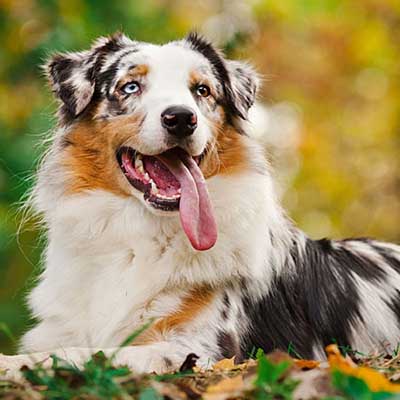
Australian Shepherd
The Australian Shepherd is a remarkably intelligent and loyal companion, yet it is also a breed brimming with energy that flourishes with active involvement. Renowned for its prowess in a variety of canine sports such as herding trials, tracking, agility, flyball, tricks, and obedience, the Aussie—its affectionate nickname—demands a household that can provide consistent training, structure, and plenty of physical exercise. This breed possesses a strong herding instinct, often leading it to nip at or bark at animals, people, and objects. If not given a specific task to engage with, the Australian Shepherd may exhibit disruptive and destructive behaviors. Interestingly, despite its name, the breed was actually developed in the United States for herding purposes.
Read more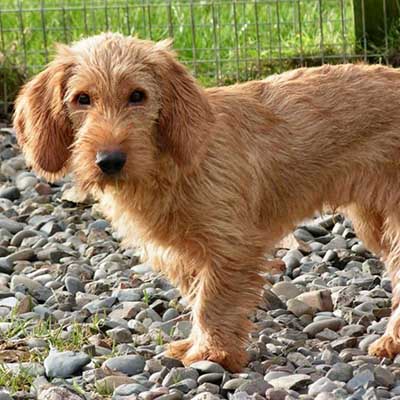
Basset Fauve De Bretagne
The Basset Fauve de Bretagne is a sturdy and compact breed celebrated for its energetic personality. Often called the Fawn Colored Brittany Basset, this dog boasts a rough coat and demonstrates sharp intelligence, although he can sometimes be quite headstrong. As a loyal companion, he is eager to make his family happy. This breed is remarkably versatile, thriving in a variety of environments and excelling in hunting different types of game. Generally, he is friendly with other dogs and children, but it's wise to exercise caution around smaller pets like ferrets and guinea pigs, as he should not be left alone with them. With a playful demeanor, the Basset Fauve de Bretagne loves to partake in games and can be quite mischievous.
Read more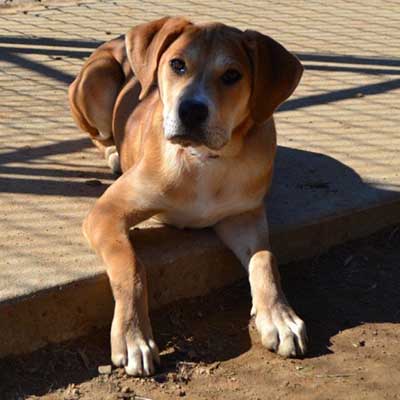
BT Walker
The BT Walker is a hybrid dog resulting from the crossbreeding of the Treeing Walker Coonhound and the Boxer. This robust breed boasts short, coarse fur that adapts well to different weather conditions. Both of its parent breeds are celebrated for their hunting and working skills, which contribute to the BT Walker's energetic disposition and desire for activity. Due to its heritage, this breed is likely to be quite vocal, reflecting the Treeing Walker Coonhound's propensity to bark often. If you're in search of a companion that not only excels in hunting but also serves as a vigilant guardian against unusual occurrences around your home, the impressive BT Walker may be the perfect fit. This breed is known for its friendly, loyal, playful, and protective characteristics. While it can make a formidable guard dog, the BT Walker may also display territorial and stubborn behaviors, highlighting the importance of early socialization.
Read more