Medium Dog Breeds
Medium dog breeds are generally classified based on average adult height and weight ranges.
Medium breed dogs weigh 25–59 lbs as adults. They grow slower than small breeds and reach adult weight around 12 months. They may be prone to weight gain and may have denser or longer coats.
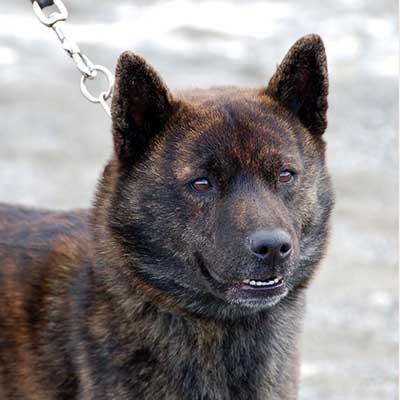
Kai
The Kai Ken was largely isolated from the outside world for a significant time, mainly due to the geographical features of its homeland—an island surrounded by mountains. Its reputation began to grow with the introduction of firearms and the rise in popularity of big game hunting. Known for its remarkable hunting skills, this breed is adept at climbing trees to pursue its prey. Although it was not initially bred as a companion animal, the Kai Ken became a beloved pet in many American homes following its introduction to the United States. The breed did not gain official recognition in Japan until 1934 and is still regarded as rare today. While the United Kennel Club recognized the Kai Ken in 1997, it has not yet been acknowledged by the American Kennel Club.
Read more
Borgi
The Borgi is a hybrid breed that results from the combination of a Border Collie and a Poodle. The Border Collie, which became well-known in the early 19th century, has its roots in the British Isles. This breed was created from various sheepdog types to perform exceptionally as a herding dog. In a similar vein, the Pembroke Welsh Corgi is also classified as a herding dog and has a deep-seated history that is closely linked to Welsh folklore. Although the exact ancestry of the Corgi is somewhat ambiguous, it is understood that farmers selectively bred these dogs for particular roles, often without keeping detailed records. Today, the Corgi is celebrated as one of the top fifty breeds preferred by families as pets.
Read more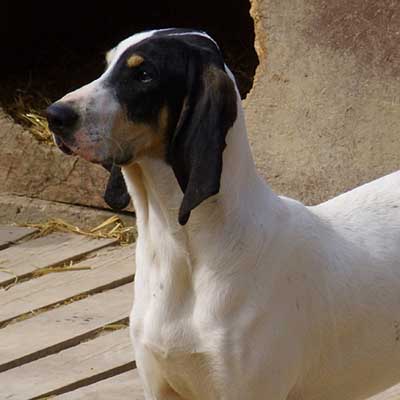
Ariegeois
The Ariegeois is a large scent hound renowned for its exceptionally friendly temperament. While not widely known beyond France, these dogs are appreciated for their easygoing nature, particularly in social situations, except when it comes to hunting. With a strong history as pack animals, they generally show little aggression towards other dogs and are often welcoming, even to strangers, which unfortunately diminishes their effectiveness as guard dogs. This breed is affectionate and loyal, thriving in a family environment. Although they possess a high energy level, they are adaptable and will join in on whatever activities the group is involved in, even if it means simply lounging together. However, it’s crucial to ensure they get regular exercise. As larger, athletic dogs, their well-being relies on sufficient physical activity. When not engaged in coursing or driving, they delight in running or having access to open spaces where they can sprint freely, reminiscent of their ancestral roles in chasing. They are relatively easy to train, particularly when a strong bond exists with their owner, and once trained, they respond effectively to commands.
Read more
Griffon-Pei
The Griffon-Pei is an endearing crossbreed that combines the traits of the Brussels Griffon and the Chinese Shar Pei. This hybrid typically falls within the small to medium size category, reflecting the toy nature of the Brussels Griffon and the larger stature of the Shar Pei. Renowned for their companionship, Griffon-Peis also make reliable watchdogs; however, they may not be the best fit for families with young children. Conversely, they usually get along well with other animals, including cats, and can interact positively with fellow dogs at the park when introduced properly. Their coats vary from short to medium length, are dense, and can sometimes be wiry, depending on whether the Brussels Griffon parent had a smooth or rough coat.
Read more
Kimola
The Kimola is a hybrid breed that merges the fox-like characteristics of the American Eskimo with the unique beard of the Lhasa Apso. This fascinating combination creates an intelligent dog known for its bravery and protective nature towards its family, while also being cheerful, playful, and sociable. As an engaging companion, the Kimola flourishes through interaction with other pets, children, and new acquaintances, contributing to its development as a well-rounded dog. Expect a grooming routine that can be moderate to high; starting this early in your puppy's life will aid in their adjustment. Building a connection with your Kimola is a breeze, as they are affectionate and eager to please.
Read more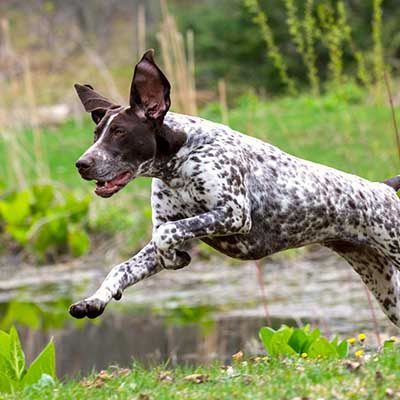
German Shorthaired Pointer
If you've ever seen a cartoon dog abruptly stop and dramatically point at something, you've caught a glimpse of what a Pointer embodies—albeit in a comically exaggerated way! The German Shorthaired Pointer, or GSP for short, is a dynamic hunting breed that hails from Germany and has been a reliable hunting partner for many years. The current version of this breed was developed in the early 1800s and is easily identifiable by its short, spotted coat, distinct head, and elongated body that narrows from the snout to the tail. Its ancestry dates back to the 1600s, with early breeds playing a significant role in the development of the dog we recognize today. This energetic and lively breed is not only exceptionally intelligent but also makes a fantastic family pet, thriving as both a hunter and a sporting dog. With roots that include pointers and bloodhounds, the German Shorthaired Pointer is both vocal and full of energy, necessitating plenty of exercise to keep its high energy in check. While it may bark at strangers, it does so in a friendly way, showcasing the breed's sociable disposition. Although it was initially bred for hunting, the German Shorthaired Pointer is now increasingly appreciated as a family companion and show dog in modern times.
Read more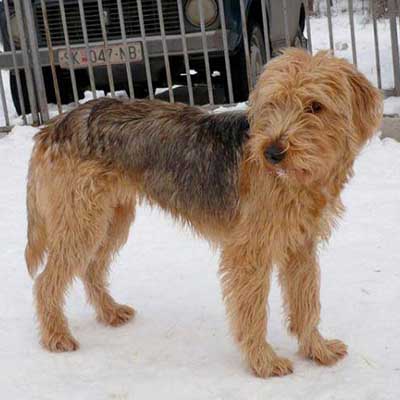
Barak
The Barak, often known as the Bosnian Coarse-Haired Hound, is a medium-sized dog distinguished by its distinctive shaggy coat. This breed hails from Bosnia and Herzegovina and holds the unique status of being the only dog breed from this region that is recognized internationally. Developed as a scent hound, the Barak's ancestry includes local native dogs as well as Italian hunting breeds that migrated eastward over the years. Primarily bred for hunting game such as hares, foxes, and wild boars, Baraks are celebrated for their exceptional hunting and tracking abilities, thanks to their acute sense of smell, endurance, and strong work ethic. Like many European scent hounds, Baraks tend to be relaxed at home but display intense focus and commitment when it comes to hunting. They generally get along well with people and other dogs, especially when they receive proper training and socialization. However, their strong prey drive can create challenges, making them less ideal for homes with non-canine pets unless they are raised together from an early age. While Baraks are intelligent, they can also exhibit a degree of stubbornness, which may complicate training and requires an experienced owner to ensure consistency. Although they enjoy a certain level of popularity as hunting dogs in their homeland, they have not yet adapted to the role of companion animals and remain relatively rare outside their region of origin.
Read more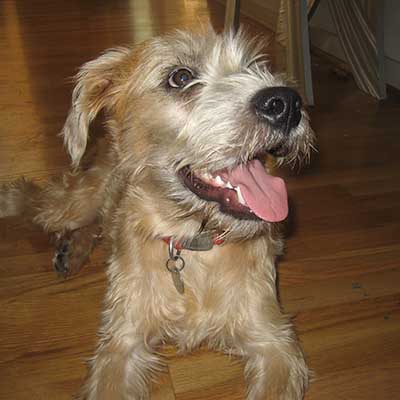
Soft Coated Woxer
When you think of the Soft Coated Woxer, terms like endearing and loving immediately come to mind. This breed is not only clever but also full of playfulness, making them wonderful companions. They thrive on human companionship and can become anxious if left alone for long stretches. With their plush, huggable look, they often maintain a youthful spirit, overflowing with energy and a hint of mischief reflected in their dark, expressive eyes. While they need a moderate amount of exercise, a spacious yard isn’t a requirement; a daily walk paired with some playtime at home is enough to keep them content. The Soft Coated Woxer can exhibit a strong-willed nature, so it’s crucial for their owner to be both assertive and fair. They require a leader they can respect; without proper training, they may become noisy and disruptive, and could resort to digging or chewing on anything they can find. These dogs are quick to learn and respond well to training, although their independent streak can lead to resistance against harsh commands or tones. As a hybrid breed, their appearance can vary widely due to their mixed heritage, typically displaying the muscular physique of a Boxer along with the softer, longer coat of the Soft Coated Wheaten Terrier. Their gentle nature, loyalty, and affectionate disposition make these big softies truly exceptional and cherished companions.
Read more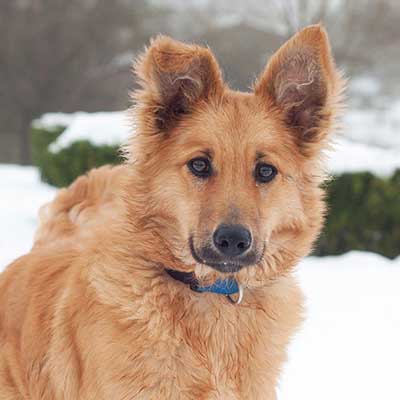
Basque Shepherd
The Basque Shepherd is a traditional dog breed hailing from Spain, categorized as a landrace breed, indicating that it has developed organically without formal registration. In contrast to more regulated breeds, landrace breeds such as the Basque Shepherd showcase a broader spectrum of physical characteristics and temperamental variations. This breed is distinguished by two primary varieties: the Gorbeiakoa and the Iletsua. Typically, these dogs are lively and intelligent, exhibiting a friendly demeanor towards people of all ages, although they may show some reserve around other animals. Despite its long-standing history, the breed is officially recognized solely by the Royal Canine Society of Spain.
Read more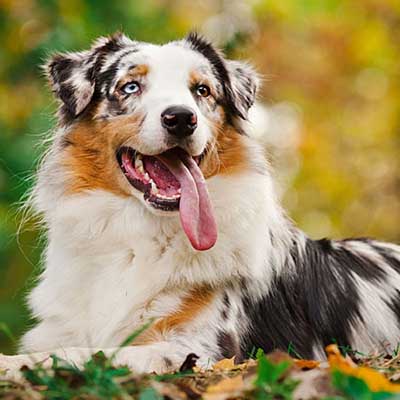
Australian Shepherd
The Australian Shepherd is a remarkably intelligent and loyal companion, yet it is also a breed brimming with energy that flourishes with active involvement. Renowned for its prowess in a variety of canine sports such as herding trials, tracking, agility, flyball, tricks, and obedience, the Aussie—its affectionate nickname—demands a household that can provide consistent training, structure, and plenty of physical exercise. This breed possesses a strong herding instinct, often leading it to nip at or bark at animals, people, and objects. If not given a specific task to engage with, the Australian Shepherd may exhibit disruptive and destructive behaviors. Interestingly, despite its name, the breed was actually developed in the United States for herding purposes.
Read more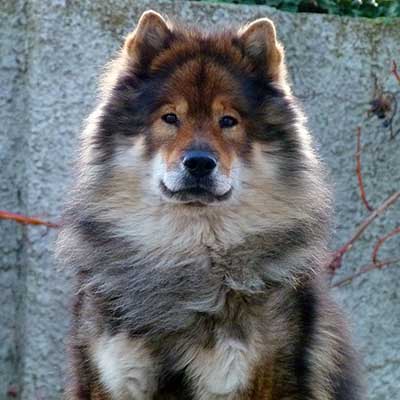
Eurasian
Hailing from Germany, the Eurasier is a devoted family companion. While he may take a little time to warm up to new people, he is neither aggressive nor shy; he simply prefers to avoid being petted by strangers. This breed is a great fit for families with children, though it's wise to supervise interactions with very young kids who might pull at him. When raised with other pets from an early age, the Eurasier generally coexists harmoniously with them. Although he isn't prone to excessive barking, he will notify his family if unfamiliar individuals approach their home. The Eurasier does not adapt well to kennel settings or being left alone in a yard; as a social breed, he flourishes with daily interaction and needs to be integrated into family life.
Read more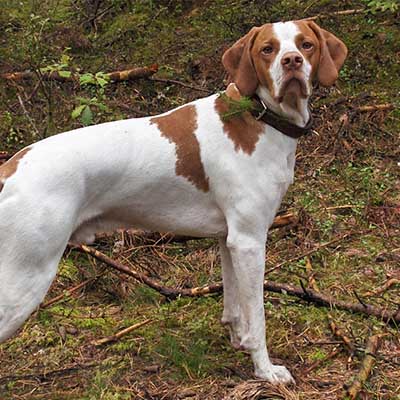
Braque Saint Germain
The Braque Saint Germain, originally developed as a sporting dog from a blend of English and French pointers, has become increasingly popular in the show ring thanks to its graceful appearance and well-rounded personality. Beyond its show dog status, this breed excels as a hunting partner, showcasing exceptional awareness, strong tracking skills, and a gentle mouth for retrieving game, which contributes to their ease of training. In a home environment, Braque Saint Germains are characterized by their relaxed, friendly, and affectionate demeanor, often expressing their affection through enthusiastic face-licking. Bred to hunt in groups, they are naturally sociable and typically get along well with strangers, other dogs, and children. However, without proper training and socialization, their instinct to chase may be triggered by non-canine animals. Moreover, they can function as decent watchdogs, promptly notifying their owners of new arrivals. However, they are not considered effective protectors, as they tend to bark without displaying aggression. Their energetic puppies can be quite a handful, particularly in homes with infants or toddlers due to their lively antics. Overall, the Braque Saint Germain's balanced temperament and impressive abilities make it an excellent choice for hunting, companionship, or competition in the show ring.
Read more