Dog Breeds by Amount Of Shedding
Amount Of Shedding refers to how a dog typically behaves or responds in everyday situations. Individual dogs may vary based on training, environment, and genetics.
If you're going to share your home with a dog, you'll need to deal with some level of dog hair on your clothes and in your house. However, shedding does vary greatly among the breeds: Some dogs shed year-round, some "blow" seasonally -- produce a snowstorm of loose hair -- some do both, and some shed hardly at all. If you're a neatnik you'll need to either pick a low-shedding breed, or relax your standards.
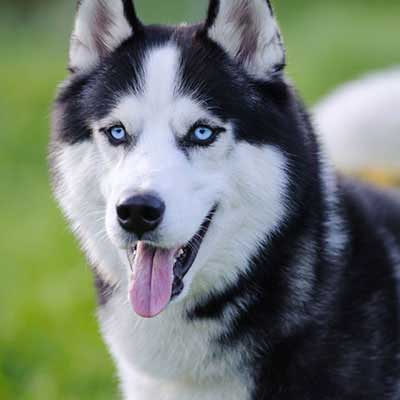
Siberian Husky
The Siberian Husky is a venerable breed that has likely developed alongside humans for thousands of years. Hailing from Russia, these dogs were cultivated by the Chukchi people, who depended on them for hauling supplies, which enabled their community to thrive in challenging environments. In addition to their transportation duties, Huskies were also bred to live harmoniously with Chukchi families. This selective breeding has resulted in a friendly and energetic breed renowned for its impressive stamina. Their dense double coat, which provides insulation against severe cold, requires regular grooming, although they do not need frequent baths. Despite their wolf-like appearance, which may intimidate some, Siberian Huskies are generally too friendly to be effective as guard dogs.
Read more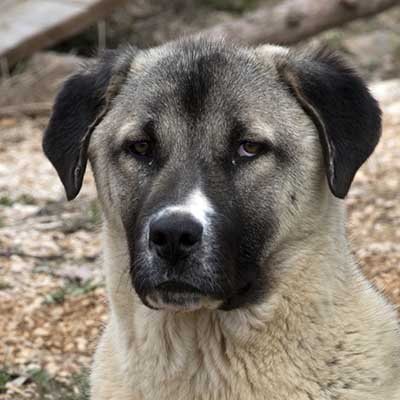
Anatolian Shepherd
The Anatolian Shepherd Dog serves primarily as a guardian for livestock rather than a herding breed, specifically created to shield animals from predators. This breed hails from Turkey, with its lineage believed to date back to approximately 2000 BC. Historical evidence of these dogs is depicted in ancient bas-reliefs located in the Assyrian Rooms of the British Museum in London. Furthermore, the Anatolian Shepherd is thought to be alluded to in the Bible, particularly in the Book of Job, which discusses these dogs in the context of flocks and is set in the Turkish region. Although they can display affection, Anatolian Shepherds are generally not ideal as family pets, especially in homes with young children. Their independent and assertive temperament often leads them to view children as peers rather than authority figures, which can result in a lack of respect.
Read more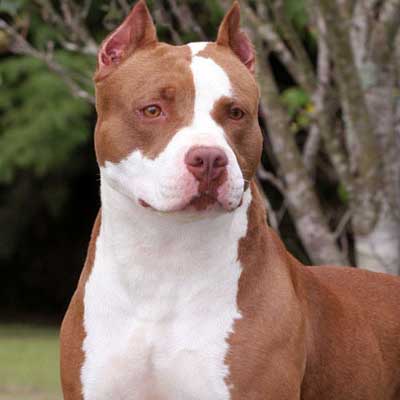
American Pit Bull Terrier
The term "Pit Bull" or "Pit Bull Terrier" refers to a group of sturdy, short-haired dogs that generally have a mixed heritage of Bulldogs and Terriers. Among them, the American Pit Bull Terrier is officially recognized as a separate breed by the United Kennel Club in England, although it does not have the same status with the American Kennel Club or the Fédération Cynologique Internationale. While Pit Bulls can sometimes display unpredictable behaviors due to their varied genetic backgrounds, this is less frequent in well-bred American Pit Bull Terriers, as responsible breeders focus on fostering a more stable temperament. To address potential issues like fearfulness, overly excited greetings, and aggression towards other dogs, it is essential to prioritize obedience training and socialization for this powerful breed.
Read more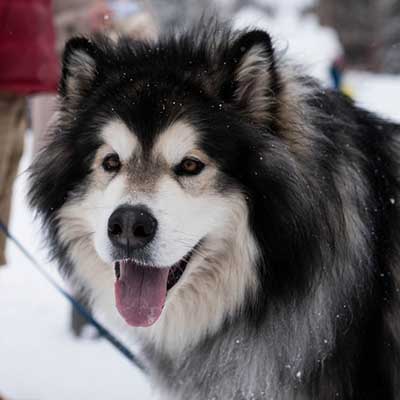
Alaskan Malamute
The Alaskan Malamute, known as the largest sled dog in the Arctic, gets its name from both its geographical roots and the Mahlemut tribe it is linked to. This ancient breed has a history that dates back around 4,000 years, originating with the Inuit people of Alaska. Originally bred to hunt large game such as polar bears and seals, Malamutes are now mainly used for sled pulling and as cherished pets. They generally maintain good health, with an average lifespan of about 12 years, although they may be susceptible to certain genetic conditions like hip dysplasia and cataracts. Their unique double coat allows them to thrive in cold and wet conditions, and they actually prefer cooler climates. Alaskan Malamutes are typically striking in appearance, often showcasing a white base adorned with shades of gray, red, or black. While they bear a resemblance to wolves, their expressions are characteristically softer.
Read more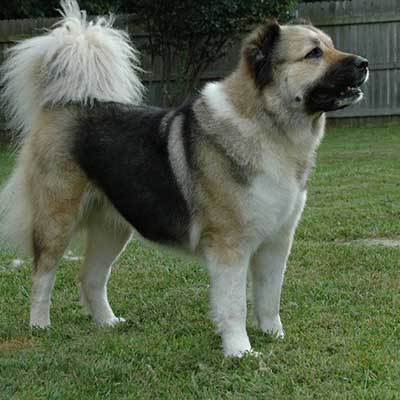
Caucasian Ovcharka
This ancient breed exudes a sense of strength and authority. Hailing from the rugged Caucasus Mountains, which lie between Europe and Asia, it is known by several names, the most common being the Caucasian Ovcharka or Caucasian Shepherd. These large dogs were originally bred to protect sheep from various threats, both human and animal. As a result, the temperament of the Caucasian Mountain Dog can vary widely. They can be affectionate and gentle with their families or, conversely, display aggressive and unruly behavior. The key to their demeanor often lies in the owner's approach to training, which should strike a balance between firmness and compassion. While their protective nature can be appealing, this breed may not be the best choice for inexperienced dog owners. Although these large, fluffy dogs were initially intended for guarding flocks, they are increasingly being kept as family pets. Nonetheless, their aggressive and protective instincts have historically hindered their popularity. As interest in the Caucasian Mountain Dog continues to rise, it is likely that selective breeding efforts will focus on moderating their overly protective traits.
Read more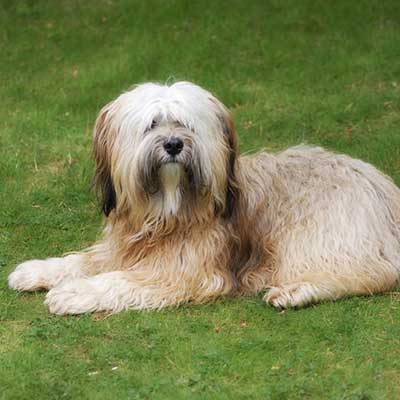
Tibetan Terrier
This breed originates from Tibet, with a history spanning over 2,000 years. Tibetan Terriers were intentionally bred to be companions for monks residing in Tibetan monasteries. Furthermore, nomadic herders in the area employed them for sheep herding. These dogs were believed to bring good luck to their owners, which is why they were often gifted rather than sold. Tibetan Terriers are medium-sized dogs known for their playful disposition and charming temperament. They make excellent companions and are particularly suited for therapy work. With a moderate to high energy level, they enjoy daily walks and excel in agility training. This breed is recognized for its strong health and durability, featuring a soft double coat that necessitates daily brushing to avoid tangles. Regular grooming of their long fur is crucial, and it is recommended to bathe them once a month.
Read more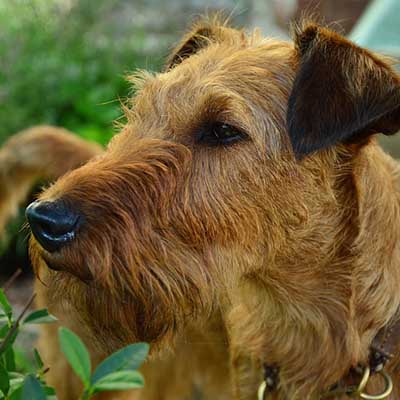
Irish Terrier
The Irish Terrier, celebrated for its spirited and adventurous nature, holds the distinction of being the oldest among all Terrier breeds, although its exact origins are somewhat ambiguous. Historical documentation suggests that by the 17th century, this breed was esteemed in Ireland for its prowess in hunting vermin and serving as a guard dog on rural farms. By the 18th century, the Irish Terrier had become popular in dog shows throughout Ireland, England, Scotland, and even the United States. Today, this medium-sized dog, known for its wiry coat, is treasured as a loyal, joyful, and energetic family companion. While it requires little grooming, this resolute breed demands plenty of daily exercise, along with early socialization and training to flourish.
Read more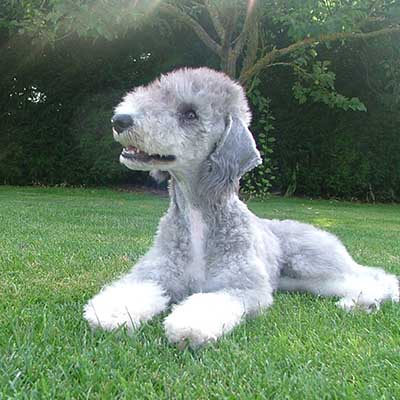
Bedlington Terrier
Bedlington Terriers stand out among Terrier breeds for their unique characteristics, typically weighing between 17 and 23 pounds. Females generally reach an average height of about 15.5 inches, while males are slightly taller at around 16.5 inches. These dogs are known for their graceful physique, which includes a slender build, lively personality, and distinctive coat. Their appearance is further enhanced by an arched back, ears adorned with tassels, and a narrow head. With gentle expressions, they exude a friendly nature, displaying neither shyness nor anxiety. Often regarded as delightful, entertaining, and loyal companions, Bedlington Terriers possess remarkable stamina, showcasing the energetic qualities of a Terrier along with the speed of a small coursing Hound. They respond well to training and typically interact positively with children and other dogs, especially when supervised. Although generally healthy, some may experience issues related to copper toxicosis. Their non-shedding single coat requires regular grooming, including scissor trimming and clipping, to maintain its appearance.
Read more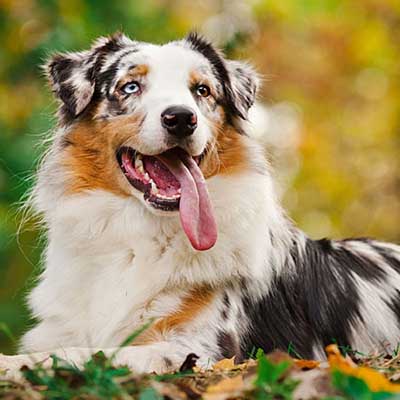
Australian Shepherd
The Australian Shepherd is a remarkably intelligent and loyal companion, yet it is also a breed brimming with energy that flourishes with active involvement. Renowned for its prowess in a variety of canine sports such as herding trials, tracking, agility, flyball, tricks, and obedience, the Aussie—its affectionate nickname—demands a household that can provide consistent training, structure, and plenty of physical exercise. This breed possesses a strong herding instinct, often leading it to nip at or bark at animals, people, and objects. If not given a specific task to engage with, the Australian Shepherd may exhibit disruptive and destructive behaviors. Interestingly, despite its name, the breed was actually developed in the United States for herding purposes.
Read more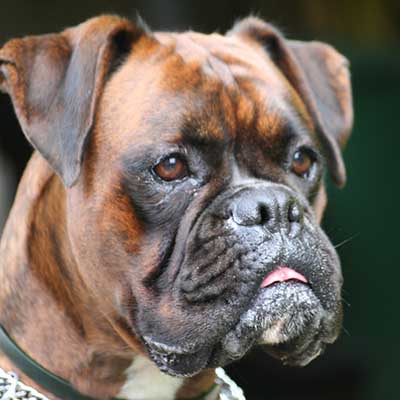
Boxer
The Boxer breed traces its roots back to Germany in the early 19th century, where it was originally developed for use as a bait and fighting dog, as well as a loyal guardian. Its strong, muscular, and agile build made it ideal for these roles until the prohibition of bull baiting and dog fighting. Since then, the Boxer has gained immense popularity around the globe, renowned for its loyalty, playful nature, and high energy, which make it an excellent family pet. Furthermore, Boxers are recognized for their self-grooming tendencies, resulting in relatively low grooming needs. However, it is crucial to provide them with sufficient mental and physical stimulation; without it, they may exhibit undesirable behaviors.
Read more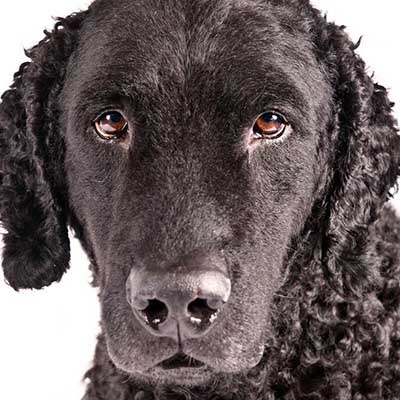
Curly-Coated Retriever
These affectionate and intelligent dogs have vibrant minds that require an active lifestyle to keep them content. They thrive best with owners who can involve them in various activities such as swimming, running, or hiking, along with other forms of physical exercise. Unlike some other Retrievers, they require more social interaction due to their inherent cautiousness around strangers. However, they are generally friendly and playful with other animals. Their cleverness can sometimes lead to playful antics, highlighting the necessity of effective obedience training. The Curly Coated Retriever, commonly known as the Curly or CCR, originated in the United Kingdom and has a history that spans roughly 300 years.
Read more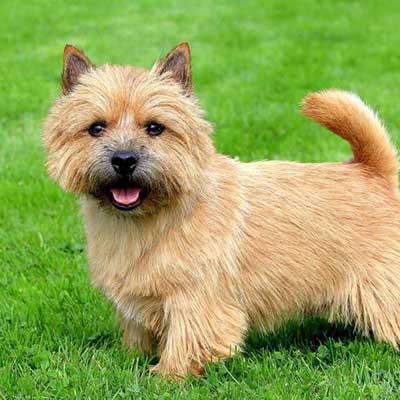
Norwich Terrier
The Norwich Terrier breed originated in England during the 1800s, initially developed as a working dog to control rat populations and other vermin in stables. This breed is the smallest among working terriers, typically standing about 10 inches tall and weighing around 11 pounds. Their coat can come in various colors, including black and tan, grizzle, wheaten, tan, and red. Although these lively dogs were once celebrated for their hunting abilities, they are now mainly cherished as companion animals and show dogs. According to the American Kennel Club, the Norwich Terrier ranks as the 104th most popular breed in the United States, with its registration beginning in 1936. Despite their petite size, they are recognized for their spirited, energetic, and determined personalities, making them endearing and loving pets.
Read more