Dog Breeds by Friendly Toward Strangers
Friendly Toward Strangers refers to how a dog typically behaves or responds in everyday situations. Individual dogs may vary based on training, environment, and genetics.
Stranger-friendly dogs will greet guests with a wagging tail and a nuzzle; others are shy, indifferent, or even aggressive. However, no matter what the breed, a dog who was exposed to lots of different types, ages, sizes, and shapes of people as a puppy will respond better to strangers as an adult.

Pomsky
The Pomsky, a popular designer dog breed, is created by crossing a Siberian Husky with a Pomeranian. These dogs are celebrated for their intelligence, playful nature, and occasional stubbornness, often displaying a strong instinct to chase. To prevent potential aggression as they mature, it is crucial to socialize them early on. Generally, Pomskies are small to medium-sized, weighing between 20 and 30 pounds and standing up to 15 inches tall. They are characterized by their beautiful, silky medium-length coats, which typically showcase a combination of two colors. Their eyes can come in various shades, including brown, hazel, blue, or green, and some may even exhibit heterochromia, where each eye is a different color.
Read more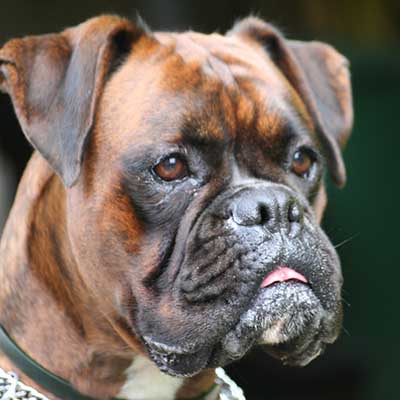
Boxer
The Boxer breed traces its roots back to Germany in the early 19th century, where it was originally developed for use as a bait and fighting dog, as well as a loyal guardian. Its strong, muscular, and agile build made it ideal for these roles until the prohibition of bull baiting and dog fighting. Since then, the Boxer has gained immense popularity around the globe, renowned for its loyalty, playful nature, and high energy, which make it an excellent family pet. Furthermore, Boxers are recognized for their self-grooming tendencies, resulting in relatively low grooming needs. However, it is crucial to provide them with sufficient mental and physical stimulation; without it, they may exhibit undesirable behaviors.
Read more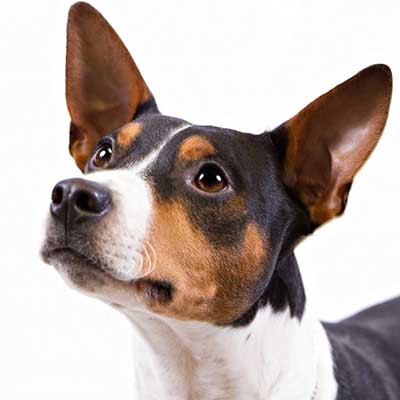
Rat Terrier
During the 19th century, American farmers were in search of an adept rodent hunter, which prompted them to crossbreed several Terrier varieties with Whippets, Greyhounds, and Beagles. This endeavor led to the creation of the delightful Rat Terrier. Known for its agility, this breed excelled at locating rodents and other pests, whether they were hiding above or below ground. In addition to its hunting skills, the Rat Terrier became a dependable watchdog and a beloved companion, establishing itself as a familiar sight on farms throughout the nation. Today, this small to miniature breed is often seen happily engaging with families in both rural and urban environments. With low grooming needs and a high energy level, the Rat Terrier thrives in canine sports, remains vigilant over its loved ones, and adds a lively spirit to any household.
Read more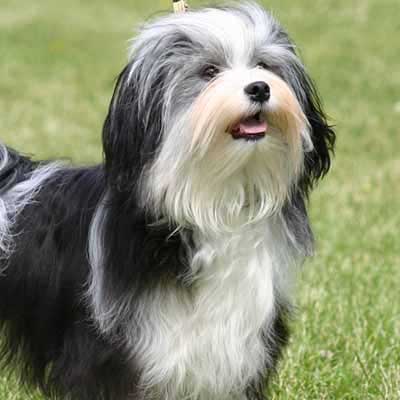
Lowchen
The Löwchen, affectionately referred to as the "little lion" in German, was a beloved pet among the European nobility during the 15th century, especially in regions such as Belgium, Germany, Spain, and France. This breed was intentionally bred for its small stature, opulent coat, and gentle nature, making it a favored companion for women who often brought them to court. Traditionally, their grooming involved a distinctive style where the fur on the legs, hindquarters, and part of the tail was closely trimmed to evoke a lion-like look. Even in modern times, the Löwchen remains treasured for its affectionate personality and continues to forge deep bonds with its human families.
Read more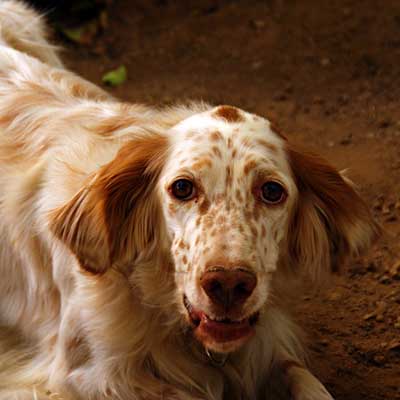
English Setter
The English Setter has its origins in England, dating back to the 1300s, and has been employed in the pursuit of game birds since the 1500s. Typically, these dogs reach a height of about 25 inches and weigh around 60 pounds, categorizing them as small to medium-sized. As part of the Setter family, which also includes the Irish and Gordon Setters, they are celebrated for their athletic build and elegant demeanor, featuring long legs and a slender body that make them excellent runners. Their medium-length coat is adorned with feathering on the tail, legs, abdomen, chest, and ears, and is available in five distinct color variations: blue belton, blue belton with tan, lemon belton, orange belton, and liver belton. Although they were initially bred for hunting, the English Setter has become increasingly popular as a family companion, thanks to its amiable disposition and eagerness to please. The breed received official recognition from the American Kennel Club in 1884 and is currently ranked as the 102nd most popular dog breed.
Read more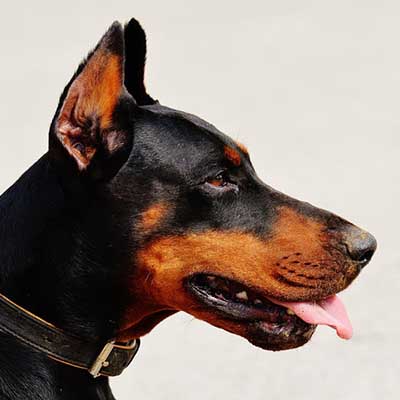
Doberman Pinscher
The Doberman Pinscher is a relatively recent breed, having been developed just over a hundred years ago. Founded by Karl Friedrich Louis Dobermann, this breed was designed to serve as a personal protection dog to aid him during tax collection. Dobermans are medium to large-sized dogs, known for their muscular physique and sleek, shiny coats, often exhibiting a watchful demeanor on their strong, wedge-shaped heads. While they require minimal grooming to keep their coats in good condition, they do need regular, vigorous exercise and mental stimulation due to their athletic nature and intelligence. These dogs are typically very trainable; however, without proper socialization, they may develop dominant or undesirable guarding behaviors that necessitate intervention. Renowned for their remarkable loyalty and alertness, Doberman Pinschers are not only excellent family companions but also excel in roles within the military, police work, and search and rescue operations.
Read more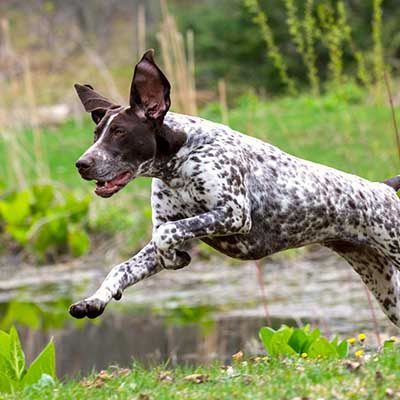
German Shorthaired Pointer
If you've ever seen a cartoon dog abruptly stop and dramatically point at something, you've caught a glimpse of what a Pointer embodies—albeit in a comically exaggerated way! The German Shorthaired Pointer, or GSP for short, is a dynamic hunting breed that hails from Germany and has been a reliable hunting partner for many years. The current version of this breed was developed in the early 1800s and is easily identifiable by its short, spotted coat, distinct head, and elongated body that narrows from the snout to the tail. Its ancestry dates back to the 1600s, with early breeds playing a significant role in the development of the dog we recognize today. This energetic and lively breed is not only exceptionally intelligent but also makes a fantastic family pet, thriving as both a hunter and a sporting dog. With roots that include pointers and bloodhounds, the German Shorthaired Pointer is both vocal and full of energy, necessitating plenty of exercise to keep its high energy in check. While it may bark at strangers, it does so in a friendly way, showcasing the breed's sociable disposition. Although it was initially bred for hunting, the German Shorthaired Pointer is now increasingly appreciated as a family companion and show dog in modern times.
Read more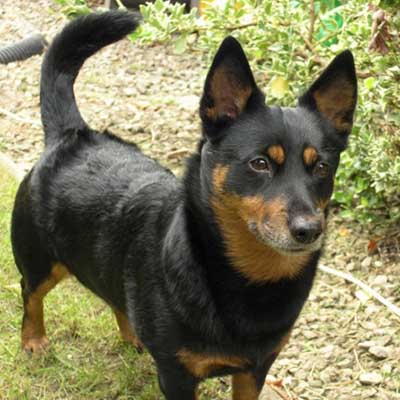
Lancashire Heeler
The Lancashire Heeler is a distinctive and rare small dog breed that hails from Great Britain. Initially bred for herding cattle, these compact dogs are nimble enough to nip at the hooves of cows while skillfully dodging any kicks. Beyond their herding responsibilities, they also served an important function in managing pests on farms, particularly rats. Generally, this breed enjoys good health and demands minimal daily grooming, although they are not hypoallergenic. While they tend to be affectionate and friendly with their families, they may exhibit wariness towards strangers, highlighting the importance of early socialization and training for their proper development.
Read more
Greater Swiss Mountain Dog
The Greater Swiss Mountain Dog, commonly known as the Swissy, is a gentle and affectionate breed that delights in making its owners happy. Although they are intelligent and can sometimes be a bit headstrong, their steadfast loyalty more than makes up for these tendencies. Generally, they are calm around children, other animals, and friendly guests, but they also make excellent watchdogs thanks to their sharp awareness. Originating from Switzerland, this breed has a rich history that dates back nearly 2,000 years, making it one of the oldest dog breeds in the country. Originally developed for herding, guarding, and draft work, the Greater Swiss Mountain Dog has transformed into a versatile companion, thriving in various activities such as competitive obedience, carting, tracking, and protection.
Read more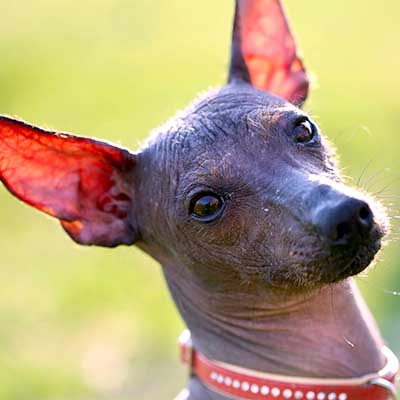
Xoloitzcuintli
The Xoloitzcuintli, commonly known as the Mexican Hairless Dog, boasts a rich history that dates back long before Christopher Columbus arrived in the Americas. This adaptable breed has fulfilled various roles throughout its existence, serving not only as a food source and in sacrificial ceremonies but also as a companion, hunting aide, guard dog, and even a provider of medicinal properties. Hailing from Central America, especially Mexico, the Xoloitzcuintli is represented in artifacts discovered in the burial sites of the Aztec, Maya, and Colima cultures. This breed is available in three distinct sizes: standard, miniature, and toy. Notably, despite its prevalent name, there are also coated versions of this breed, which are simply called "Xolos."
Read more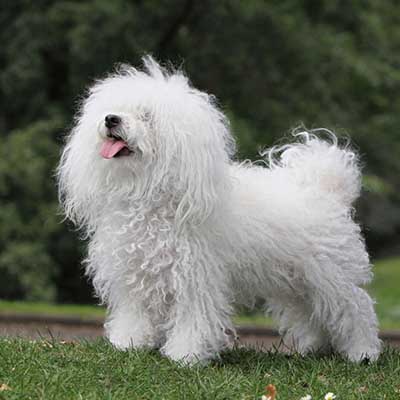
Bolognese
The Bolognese, a breed that hails from northern Italy, is celebrated as a companion dog and is one of the oldest breeds in Europe, with origins dating back to the 12th century. In the United States, however, this breed remains relatively rare. Bolognese dogs are known for their intelligence and ability to learn quickly, making them generally easy to train, although they may show a hint of stubbornness at times. Their unique, thick, curly white coat necessitates daily brushing and occasional professional grooming to keep it in good shape. Affectionately called Bolos, these dogs are low-energy and adapt well to living in apartments. Since they were specifically bred for companionship, they struggle with being left alone, which can lead to separation anxiety and result in unwanted behaviors like barking, chewing on furniture, or urinating indoors. Furthermore, due to their small size and potential delicacy, Bolognese dogs may not be the best fit for families with young children.
Read more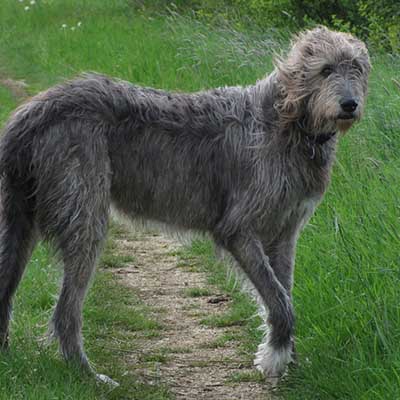
Irish Wolfhound
The Irish Wolfhound is a striking breed that was initially developed to assist in pulling men from their horses and chariots. Beyond its historical significance as a powerful hunting partner, the breed nearly faced extinction due to the dwindling populations of boars and wolves in Ireland. Captain George Graham was instrumental in the breed's revival, incorporating Great Danes and Deerhounds into its genetic line. Once referred to as the "Great Hound of Ireland," these dogs were highly esteemed by the aristocracy, often exchanged as gifts and even becoming the subject of ownership disputes. The American Kennel Club granted official recognition to the Irish Wolfhound in 1897.
Read more