Dog Breeds by Health Grooming
Health Grooming refers to how a dog typically behaves or responds in everyday situations. Individual dogs may vary based on training, environment, and genetics.
Health Grooming
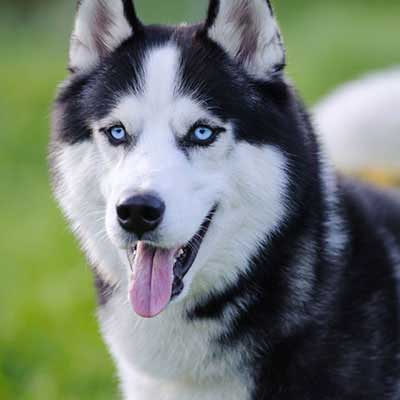
Siberian Husky
The Siberian Husky is a venerable breed that has likely developed alongside humans for thousands of years. Hailing from Russia, these dogs were cultivated by the Chukchi people, who depended on them for hauling supplies, which enabled their community to thrive in challenging environments. In addition to their transportation duties, Huskies were also bred to live harmoniously with Chukchi families. This selective breeding has resulted in a friendly and energetic breed renowned for its impressive stamina. Their dense double coat, which provides insulation against severe cold, requires regular grooming, although they do not need frequent baths. Despite their wolf-like appearance, which may intimidate some, Siberian Huskies are generally too friendly to be effective as guard dogs.
Read more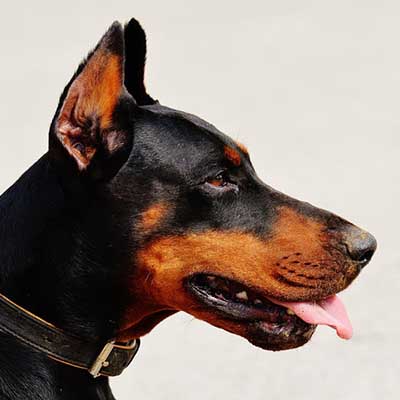
Doberman Pinscher
The Doberman Pinscher is a relatively recent breed, having been developed just over a hundred years ago. Founded by Karl Friedrich Louis Dobermann, this breed was designed to serve as a personal protection dog to aid him during tax collection. Dobermans are medium to large-sized dogs, known for their muscular physique and sleek, shiny coats, often exhibiting a watchful demeanor on their strong, wedge-shaped heads. While they require minimal grooming to keep their coats in good condition, they do need regular, vigorous exercise and mental stimulation due to their athletic nature and intelligence. These dogs are typically very trainable; however, without proper socialization, they may develop dominant or undesirable guarding behaviors that necessitate intervention. Renowned for their remarkable loyalty and alertness, Doberman Pinschers are not only excellent family companions but also excel in roles within the military, police work, and search and rescue operations.
Read more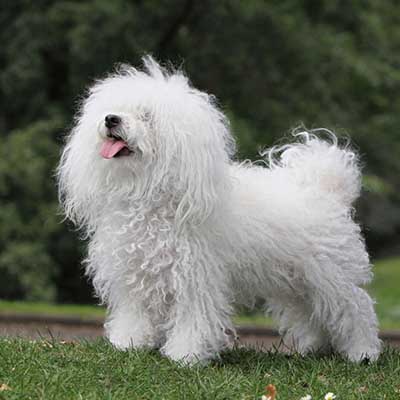
Bolognese
The Bolognese, a breed that hails from northern Italy, is celebrated as a companion dog and is one of the oldest breeds in Europe, with origins dating back to the 12th century. In the United States, however, this breed remains relatively rare. Bolognese dogs are known for their intelligence and ability to learn quickly, making them generally easy to train, although they may show a hint of stubbornness at times. Their unique, thick, curly white coat necessitates daily brushing and occasional professional grooming to keep it in good shape. Affectionately called Bolos, these dogs are low-energy and adapt well to living in apartments. Since they were specifically bred for companionship, they struggle with being left alone, which can lead to separation anxiety and result in unwanted behaviors like barking, chewing on furniture, or urinating indoors. Furthermore, due to their small size and potential delicacy, Bolognese dogs may not be the best fit for families with young children.
Read more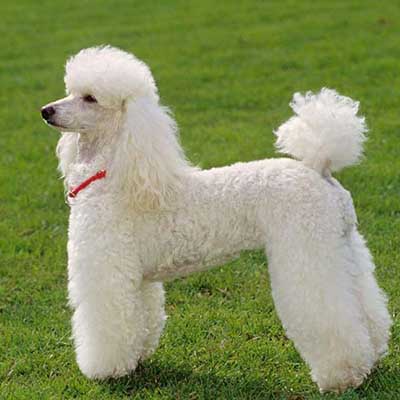
Poodle
Poodles, one of the most ancient dog breeds, are celebrated for their remarkable intelligence and ease of training, which makes them a popular choice among dog enthusiasts. They generally interact well with children and other pets, especially if they are socialized early on. Currently, Poodles are available in several sizes, including Toy, Miniature, and Standard. Each Poodle boasts a dense, curly coat that can range in texture from coarse to wiry and comes in nearly every color imaginable. Although they have charming personalities, they do require significant grooming and are susceptible to various serious health concerns. However, their loving and loyal disposition makes the extra care and attention well worth it!
Read more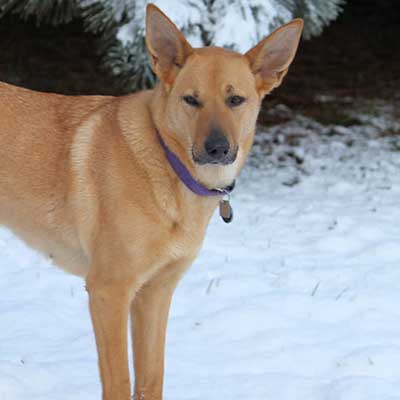
Chinook
The Chinook is a breed that is uniquely American in its heritage. Its beginnings can be traced to a female Northern Husky and a dog from the Arctic region. The father was of mixed lineage, and the resulting puppy, which was eventually named Chinook, did not closely resemble either of its parents; over time, this name became synonymous with the breed itself. Interestingly, the Chinook is believed to have been part of Admiral Byrd’s 1927 expedition to the South Pole, where it reportedly achieved remarkable records in terms of time, distance, and load capacity during the early 20th century. Today, thanks to the commitment of a small group of passionate breeders, the Chinook remains a rare breed.
Read more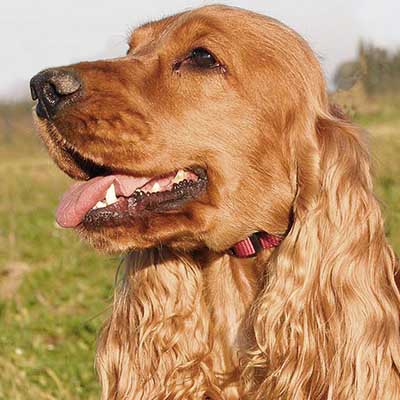
English Cocker Spaniel
English Cocker Spaniels are often described as joyful, a portrayal that truly captures their essence. Initially bred to retrieve game from thick underbrush during hunting expeditions, these dogs are energetic and devoted companions. Their coats, which are soft and silky, are prone to matting and tangling, making regular grooming essential due to their considerable shedding. The English Cocker Spaniel is the ancestor of the American Cocker Spaniel, which has been selectively bred to be somewhat smaller, with a rounder skull and a diminished prey drive. Although English Cocker Spaniels need more exercise than their American counterparts, they tend to be sturdier and less prone to anxiety or nervousness.
Read more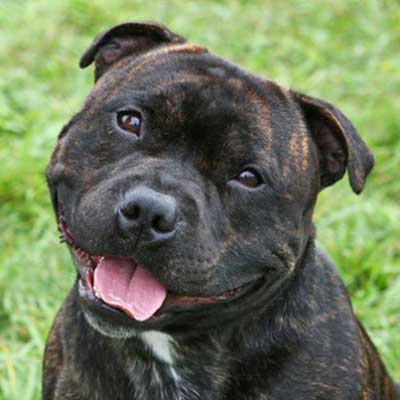
Staffordshire Bull Terrier
Often confused with its colonial counterpart, the American Staffordshire Bull Terrier, the Staffordshire Bull Terrier is somewhat shorter but equally strong and muscular. Commonly known as "Stafford," this breed is celebrated for its lively and playful demeanor. While it does not actively seek out conflict, it is steadfast when challenged. Initially bred for dog fighting and ratting, the Staffordshire Bull Terrier underwent a transformation in its role after such cruel practices were banned in England. Despite its tough image, early breeding focused on cultivating gentler characteristics, which enhanced its loyalty and protective instincts towards its family. Today, this loving breed is an excellent companion for energetic families, full of vitality and enthusiasm for play.
Read more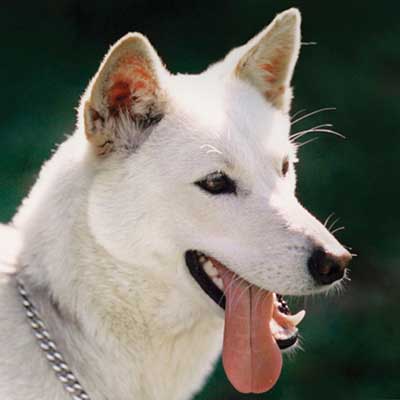
Jindo
The Jindo is a strong and muscular dog belonging to the Spitz family, originating from South Korea. This breed is characterized by its joyful personality and flourishes when engaged in activities. Initially developed as a versatile hunting dog, these instincts remain strong today. Jindos are incredibly loyal, often forming a profound bond with one person while still being friendly with other family members. Adult Jindos may find it challenging to adjust to new environments and have been known to travel great distances to return to their original homes and owners. They are inherently clean and adapt easily to house training. However, without proper socialization with other dogs during their early years, Jindos can display territorial tendencies and may react aggressively towards unfamiliar dogs that enter their space.
Read more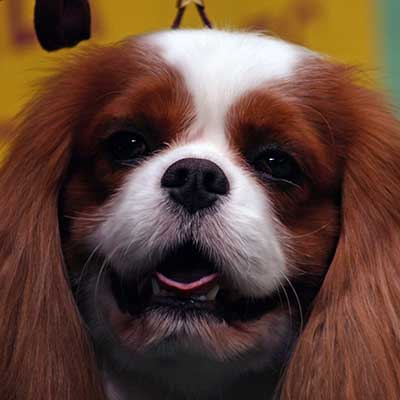
English Toy Spaniel
The English Toy Spaniel made its way to the United States from England in 1886, the same year it was officially recognized by the American Kennel Club (AKC) under the ownership of Susannah Roberts (Mrs. B. F. Wilson) in Pittsburgh, Pennsylvania. This breed became the AKC's third toy breed, following the Yorkshire Terrier and the Pug. The English Toy Spaniel is available in four distinct color patterns: tan and black (previously referred to as the King Charles), white, tan, and black (known as the Prince Charles), red and white (Blenheim), and solid red (Ruby). With its long, lustrous coat, square head, and short legs, this breed has a compact physique, typically standing about 10 inches tall and weighing around 12 pounds.
Read more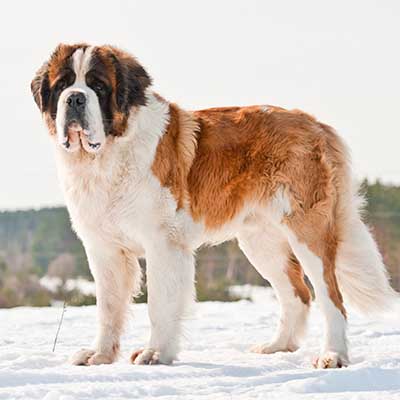
Saint Bernard
The Saint Bernard is a friendly and loving breed, especially known for their gentle nature with children, showcasing impressive patience and tolerance. Due to their large size, they are not well-suited for small living spaces, even though they typically have a calm disposition. Bred to withstand the severe cold of the Alps, they do not cope well in hot weather. These dogs thrive on companionship and prefer to stay indoors with their families. With a stable temperament, Saint Bernards may take longer to mature mentally and often maintain a playful, puppy-like spirit well into adulthood, making them charming companions. However, for those who prioritize cleanliness, their biannual shedding, drooling, and tendency to bring in dirt can pose challenges. They need plenty of room to move around comfortably but are not overly energetic. Training is generally easy, although they can be a bit stubborn at times. A well-adjusted Saint Bernard benefits greatly from early socialization with a variety of people and experiences.
Read more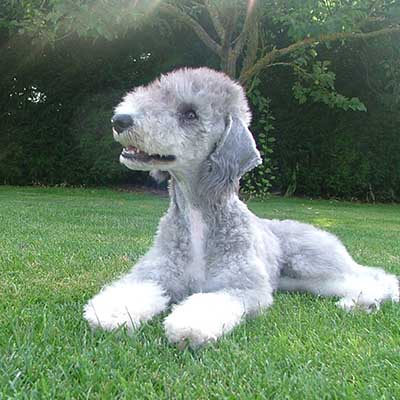
Bedlington Terrier
Bedlington Terriers stand out among Terrier breeds for their unique characteristics, typically weighing between 17 and 23 pounds. Females generally reach an average height of about 15.5 inches, while males are slightly taller at around 16.5 inches. These dogs are known for their graceful physique, which includes a slender build, lively personality, and distinctive coat. Their appearance is further enhanced by an arched back, ears adorned with tassels, and a narrow head. With gentle expressions, they exude a friendly nature, displaying neither shyness nor anxiety. Often regarded as delightful, entertaining, and loyal companions, Bedlington Terriers possess remarkable stamina, showcasing the energetic qualities of a Terrier along with the speed of a small coursing Hound. They respond well to training and typically interact positively with children and other dogs, especially when supervised. Although generally healthy, some may experience issues related to copper toxicosis. Their non-shedding single coat requires regular grooming, including scissor trimming and clipping, to maintain its appearance.
Read more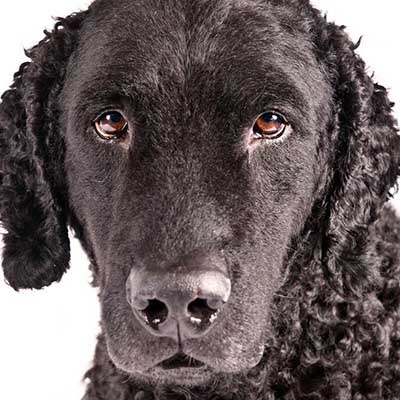
Curly-Coated Retriever
These affectionate and intelligent dogs have vibrant minds that require an active lifestyle to keep them content. They thrive best with owners who can involve them in various activities such as swimming, running, or hiking, along with other forms of physical exercise. Unlike some other Retrievers, they require more social interaction due to their inherent cautiousness around strangers. However, they are generally friendly and playful with other animals. Their cleverness can sometimes lead to playful antics, highlighting the necessity of effective obedience training. The Curly Coated Retriever, commonly known as the Curly or CCR, originated in the United Kingdom and has a history that spans roughly 300 years.
Read more