Dog Breeds by Tolerates Being Alone
Tolerates Being Alone refers to how a dog typically behaves or responds in everyday situations. Individual dogs may vary based on training, environment, and genetics.
Some breeds bond very closely with their family and are more prone to worry or even panic when left alone by their owner. An anxious dog can be very destructive, barking, whining, chewing, and otherwise causing mayhem. These breeds do best when a family member is home during the day or if you can take the dog to work.
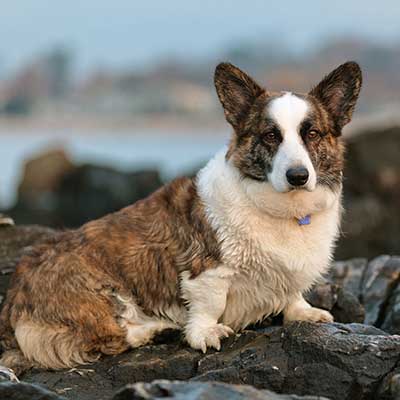
Cardigan Welsh Corgi
These delightful dogs are full of vitality and smarts, always ready to share their love. The Cardigan Welsh Corgi is related to the Dachshund, which likely explains their unique combination of long and short body features. Originally, they had floppy ears, but through selective breeding, they now typically have the upright ears that define the breed. While their initial purpose was to herd cattle, they have also become wonderful companions. With a vibrant personality packed into a compact size, the Cardigan is a playful and engaging pet. He thrives on interaction with his family and radiates happiness, making him a fantastic choice for homes with children. Originating from Wales, the Cardigan Welsh Corgi is endearingly known as the “yard-long dog” and was historically used for herding cattle, safeguarding farms, and controlling pests. Although he may occasionally exhibit herding behaviors, the Cardigan is now primarily recognized in dog shows and cherished as a family pet.
Read more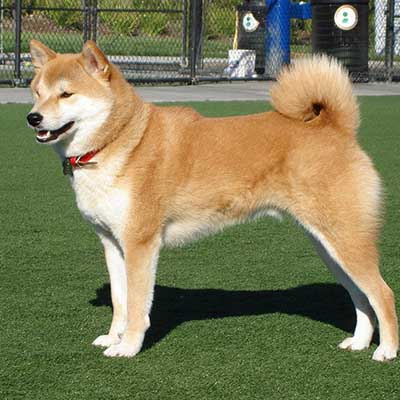
Shiba
The Shiba Inu is a compact breed that, despite its size, embodies a boldness reminiscent of a lion. In Japan, it is officially recognized as a treasured natural asset. Initially bred for hunting in Japan's rugged terrains, the Shiba Inu is renowned for its agility in navigating difficult landscapes, its sharp instincts as a guardian, and its vibrant, energetic personality. As one of Japan's oldest native dog breeds, the Shiba Inu is cherished as the nation's most adored companion. Its distinctive reddish-brown fur often causes it to be mistaken for a fox.
Read more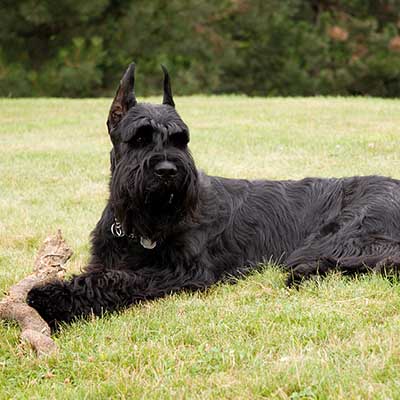
Giant Schnauzer
The Giant Schnauzer is the largest of the three recognized Schnauzer breeds. Initially bred as a working dog, its primary roles included herding cattle and protecting livestock. It is commonly thought that the Giant Schnauzer was developed by crossing the Standard Schnauzer with the Great Dane and the Bouvier des Flandres. Given its demanding temperament and the necessity for extensive training, this breed may not be the best fit for novice dog owners. Known for its intelligence and strong sense of independence, the Giant Schnauzer can be somewhat difficult to keep mentally stimulated. Furthermore, this breed requires considerable grooming, making it a high-maintenance pet.
Read more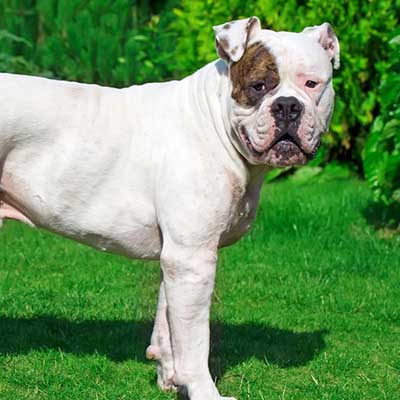
American Bulldog
The American Bulldog is a strong and athletic breed that, despite its imposing appearance, has a gentle disposition and a playful nature. This breed is divided into two main categories: the Johnson type, often called the Bully or Classic type, which has a stockier frame and a shorter muzzle similar to that of the English Bulldog; and the Scott type, known as the Standard or Performance type, which is more agile, featuring a longer muzzle and a squarer head. Many American Bulldogs today are hybrids of these two varieties. Frequently confused with the often-misunderstood American Pit Bull Terrier, the American Bulldog is a distinct breed with its own characteristics that make it not only an excellent working dog but also a loving family pet. Beneath their tough exterior lies a sensitive and emotional nature, which allows them to be highly aware of their surroundings. This sensitivity contributes to their success as family companions, particularly in households with children, as they relish playful interactions and can sense the mood of their environment. These dogs are celebrated for their affectionate personalities and strong self-assurance, which often translates into loyalty, obedience, and a protective instinct. However, because they can be reserved around unfamiliar people and other dogs, early socialization and training are crucial for their development in diverse social situations. As a high-energy breed, they thrive in homes with ample outdoor space and regular exercise, although they can adapt to apartment living if their owners lead an active lifestyle that includes them.
Read more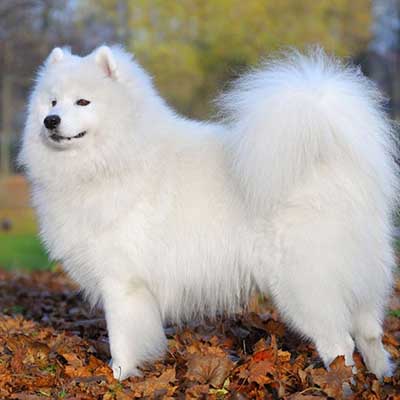
Samoyed
The Samoyed is a breed characterized by its gentle temperament, intelligence, and unwavering loyalty, thriving on close bonds with its family. Renowned for their affectionate nature, especially towards children, these dogs eagerly engage in family activities. With their distinctive ‘Sammy smile’ and a penchant for human interaction, they are charming companions full of personality. However, their stunning coat demands considerable maintenance, particularly during shedding periods, when you can expect fur to be found on your clothes, furniture, and bedding. While their friendly disposition is endearing, it’s important to remember that Samoyeds were initially bred for hunting, and this instinct is still very much alive. They may chase after small animals, including the neighbor’s cat. If you have a cat, it’s essential to introduce them to the Samoyed while the dog is still a puppy, and even then, close supervision is advisable. When taking them for walks, these spirited dogs should always be kept on a leash due to their strong chasing instincts. Samoyeds are also quite vocal, often communicating through howls, barks, or grumbles. They respond best to varied training techniques, as they can quickly lose interest in repetitive tasks, which can make training a bit more challenging. Activities that engage their minds, such as agility and tracking, are particularly beneficial. This breed is full of energy and always eager for adventure, requiring plenty of space to run and play, making them less suitable for small living environments. Although they may not be the simplest breed to care for, their delightful personalities more than make up for the grooming they require.
Read more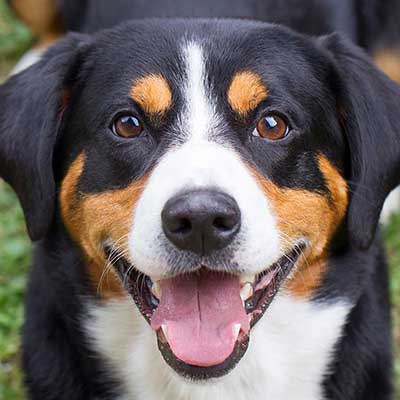
Appenzeller
The Appenzeller Mountain Dog is a sturdy and adaptable breed, although its precise origins are not entirely known. This breed excels in various roles, such as guarding farms, herding livestock, and pulling carts. Despite their strong and muscular physique, they do not fall into the giant breed category. Their dark, expressive eyes enhance the appeal of their short, double coat. Originating from Switzerland, Appenzellers usually sport a black or brown coat with unique symmetrical markings in white and rust. In general, the Appenzeller Mountain Dog is a hardy breed, typically not prone to specific health problems linked to its ancestry.
Read more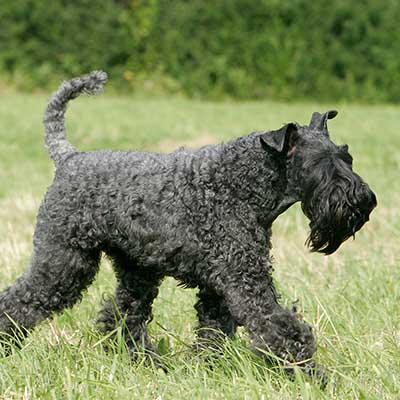
Kerry Blue Terrier
The Kerry Blue Terrier is renowned for its loyalty, intelligence, and sometimes entertaining behavior during play. This medium-sized breed has a robust and muscular physique, which means they require supervision while playing, especially around young children. If they are not properly socialized as puppies, they may become moody or reserved, making it essential for their owners to be strong yet fair and consistent in their training approach. These dogs respond best to positive reinforcement, thriving on praise and rewards rather than harsh discipline. They are particularly sensitive to any perceived unfairness, which can trigger aggressive tendencies if they feel mistreated. Although they are quite energetic, Kerry Blue Terriers can adjust well to living indoors, including in apartments, as long as they receive a good daily walk to help them burn off energy. When out for walks, it’s crucial to keep them on a leash due to their strong hunting instincts, as they may chase after small animals. They can also show aggression towards other dogs, often trying to establish their dominance. Their stunning, soft coat is advantageous for those with allergies, but it requires weekly grooming to keep it in good shape. Regular cleaning of their beards is also necessary to avoid odors from trapped food. Generally, these dogs need a bath once a week and a trim every six weeks. They are low-odor, do not drool, and are extremely loyal to their families. However, they may develop a habit of barking unless trained to limit it to a single bark, a lesson that should start during their puppy stage.
Read more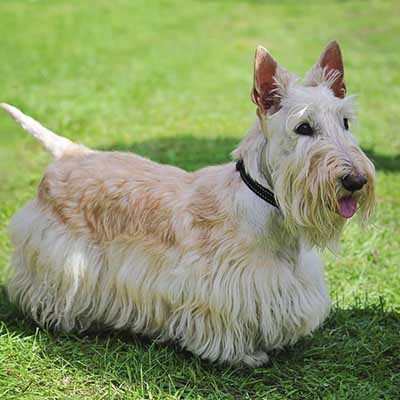
Scottish Terrier
The Scottish Terrier is a small yet spirited breed, celebrated for its lively character. In the 1700s, breeders started developing what we now know as the Scottish Terrier, originally calling it the Aberdeen Terrier after a town in Scotland. The breed was affectionately dubbed the “little diehard” by the fourth Earl of Dumbarton, a nickname that still resonates today. Though they are petite, these dogs are brimming with bravery and vitality. Initially bred to hunt rabbits, otters, foxes, and badgers, Scottish Terriers continue to excel as vigilant watchdogs and devoted companions.
Read more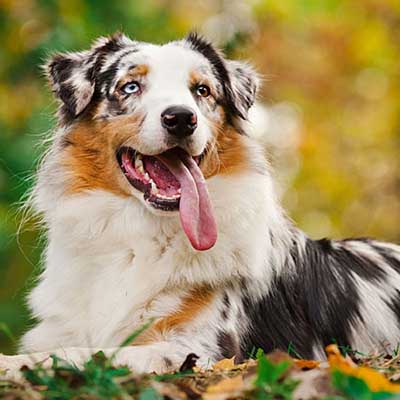
Australian Shepherd
The Australian Shepherd is a remarkably intelligent and loyal companion, yet it is also a breed brimming with energy that flourishes with active involvement. Renowned for its prowess in a variety of canine sports such as herding trials, tracking, agility, flyball, tricks, and obedience, the Aussie—its affectionate nickname—demands a household that can provide consistent training, structure, and plenty of physical exercise. This breed possesses a strong herding instinct, often leading it to nip at or bark at animals, people, and objects. If not given a specific task to engage with, the Australian Shepherd may exhibit disruptive and destructive behaviors. Interestingly, despite its name, the breed was actually developed in the United States for herding purposes.
Read more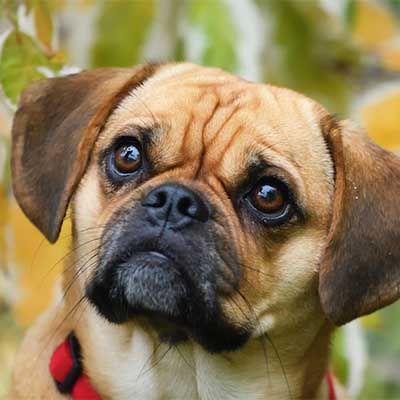
Puggle
The Puggle is a mixed breed that emerges from the crossbreeding of a Pug and a Beagle, first appearing in the United States in the 1980s. This breed beautifully combines the Pug's delightful wrinkles and loving nature with the Beagle's longer tail and snout, which can help alleviate some of the breathing difficulties often seen in brachycephalic breeds. However, Puggles are still known to snore and snort, but their charming personalities and friendly demeanor often cause owners to overlook these traits. They make wonderful family pets, although they can sometimes be headstrong and uncooperative. Puggles also have a propensity to wander and howl, yet their playful and affectionate nature typically endears them to those around them. Regular grooming is important, as they tend to shed quite a bit, helping them maintain a polished appearance.
Read more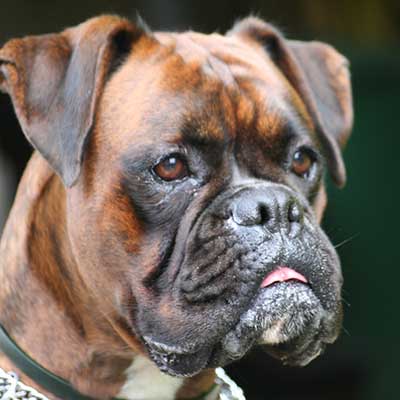
Boxer
The Boxer breed traces its roots back to Germany in the early 19th century, where it was originally developed for use as a bait and fighting dog, as well as a loyal guardian. Its strong, muscular, and agile build made it ideal for these roles until the prohibition of bull baiting and dog fighting. Since then, the Boxer has gained immense popularity around the globe, renowned for its loyalty, playful nature, and high energy, which make it an excellent family pet. Furthermore, Boxers are recognized for their self-grooming tendencies, resulting in relatively low grooming needs. However, it is crucial to provide them with sufficient mental and physical stimulation; without it, they may exhibit undesirable behaviors.
Read more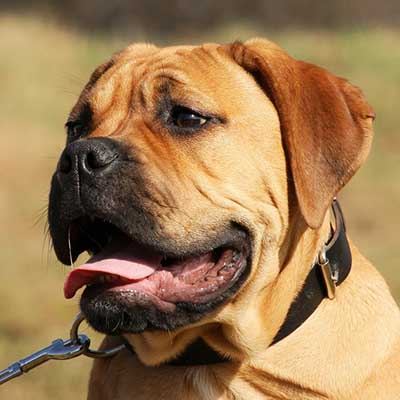
Bullmastiff
In 1795, historical accounts reveal that the Bullmastiff was created by crossing the Mastiff with the Bulldog, resulting in a genetic makeup of approximately 60% Mastiff and 40% Bulldog. To achieve purebred status, these dogs underwent three generations of selective breeding. Originally, their primary function was to track and capture poachers, but their roles later evolved to include service in military and law enforcement, as well as acting as guardians for the Diamond Society of South Africa. Today, the Bullmastiff is celebrated for its loyalty and gentle nature. While they may seem formidable and can show aggression if provoked, their usual temperament is calm and affectionate. They are known for their gentle disposition, patience with children, and a strong desire for human leadership. This breed thrives under the guidance of a strong, fair, and consistent owner who can earn their respect and provide clear direction. Bullmastiffs are receptive to training, but they are also sensitive to the tone of voice, which means that assertive yet gentle communication is essential. They make excellent family pets, offering protection without unnecessary aggression unless they perceive a threat. With appropriate socialization during their early years and consistent guidance, they can develop into devoted and loyal companions.
Read more