Guardian Dog Group Breeds
This page features Guardian Dog group breeds, offering detailed information for anyone interested in learning about these dogs. Each breed profile includes key traits such as temperament, size, energy level, and general care needs.
This group is divided into two types: Flock Guards and Mastiffs. FLOCK GUARDS One of the earliest tasks performed by domestic dogs was guarding the flocks for nomadic shepherds. The Flock Guards were selectively bred for natural protectiveness, hardiness, courage, and large size. As Neolithic tribes migrated from the high plateaus of Turkey and Iran to Africa, Europe and eastern Asia, their Flock Guards traveled with them. The Flock Guard dogs are characterized by heavy bone, a muscular build, ample and weather-resistant coat, and large size. MASTIFFS The Mastiff breeds were probably developed by selectively breeding the largest of the Flock Guard dogs for use as personal guard dogs and war dogs. Unlike the Flock Guards, most Mastiffs have smooth coats. Mastiffs are characterized by substantial bone growth and an overgrowth and thickening of the skin, resulting in wrinkled faces, dewlaps, and drop ears.
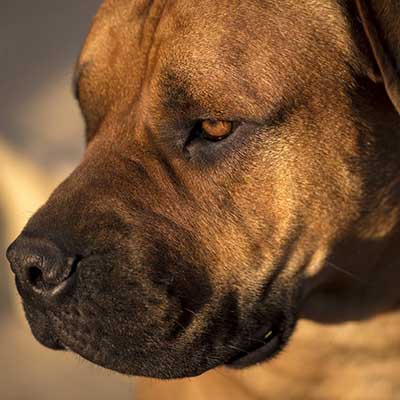
South African Boerboel
The Boerboel is a reliable breed recognized for its robust protective nature. This dog is fiercely loyal, ready to defend its family and home when its owners are away, and will not allow strangers to enter. Energetic and playful, Boerboels enjoy spending time with children, engaging in games of chase and running around for long stretches. They show impressive patience with kids, welcoming their playful antics and relishing the attention they receive. While they are devoted and affectionate towards their owners, it is crucial for them to have a strong, authoritative figure to set boundaries and ensure they obey commands. Due to their strength and powerful jaws, having a capable leader during their developmental stages is vital to prevent any potential risks to others. When it comes to guests, Boerboels require a proper introduction before they will accept them.
Read more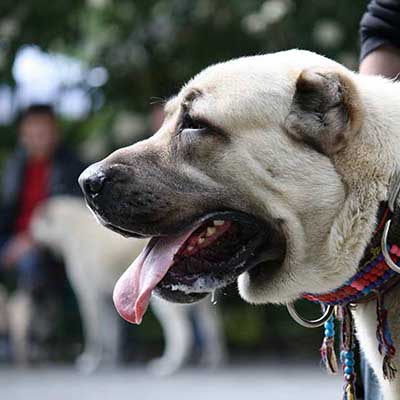
Kangal Dog
The Kangal Dog, a large breed that resembles a Mastiff, originates from Turkey. This breed has traditionally served as a protector of livestock, safeguarding them from various predators. As a true livestock guardian, the Kangal is equipped with a natural protective instinct and thrives with early socialization. Unlike many other breeds in this category, Kangals are generally more friendly towards people and particularly enjoy being around children. It is crucial to have a strong fence, as these dogs do not recognize property boundaries and can cause considerable disruptions in the neighborhood if not properly contained. Furthermore, the Kangal may show aggression towards other dogs and can be defensive when unfamiliar individuals approach their territory.
Read more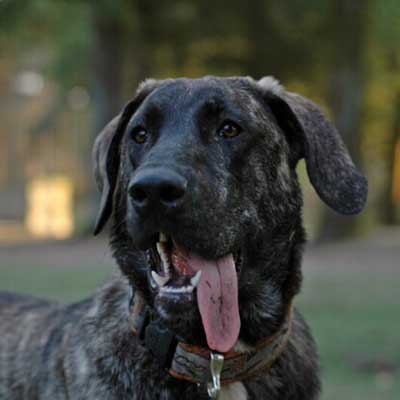
Cao de Castro Laboreiro
The Cão de Castro Laboreiro is considered one of the rarest dog breeds in the world, with a population estimated to be between 200 and 500 individuals. Historical records about this breed are limited, and even the Portuguese Kennel Club admits that many stories regarding its origins are largely conjectural. Although several theories have been proposed, there is a general agreement that this breed is indeed ancient. It is believed to have existed for thousands of years and is likely part of the Lupomolossoid group, which eventually led to the development of breeds like the Great Pyrenees, positioning it as one of the earliest descendants of the original herding and guarding dogs. Despite its mysterious past, the Cão de Castro Laboreiro has been a protector in Portugal for centuries. Its physical traits, including its facial structure and coat, bear a resemblance to that of a wolf, and its cautious attitude towards strangers enhances this likeness. This breed is known for its assertive and protective instincts, yet it is also sensitive, responding more favorably to positive reinforcement rather than harsh training methods. Within their family, they are affectionate and form strong bonds with familiar individuals, but they can be wary of strangers and other dogs, making them better suited as solo pets unless they undergo thorough socialization. Their high intelligence and strong-willed nature mean they flourish under the care of a knowledgeable and assertive owner who can provide effective training. Once properly trained, they tend to be obedient and exhibit deep loyalty to their families.
Read more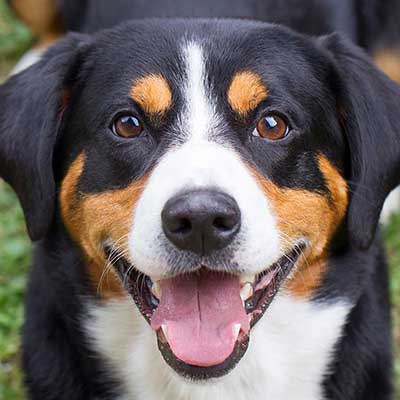
Appenzeller
The Appenzeller Mountain Dog is a sturdy and adaptable breed, although its precise origins are not entirely known. This breed excels in various roles, such as guarding farms, herding livestock, and pulling carts. Despite their strong and muscular physique, they do not fall into the giant breed category. Their dark, expressive eyes enhance the appeal of their short, double coat. Originating from Switzerland, Appenzellers usually sport a black or brown coat with unique symmetrical markings in white and rust. In general, the Appenzeller Mountain Dog is a hardy breed, typically not prone to specific health problems linked to its ancestry.
Read more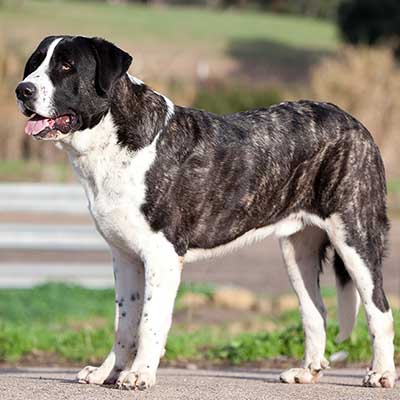
Alentejo Mastiff
The Rafeiro Do Alentejo is a large breed that bears a resemblance to a mastiff, distinguished by its strong, bear-like head. This breed is quite powerful and is not ideal for inexperienced dog owners. If not properly socialized, it may display aggressive tendencies and pose risks. Known for its independence and stubborn nature, the Rafeiro Do Alentejo requires consistent training throughout its life to grasp its place within the family dynamic. As a territorial breed, it will protect its home and loved ones when it senses a threat. Nevertheless, with appropriate training, socialization, and clear boundaries, it can flourish as a family companion, especially with children who show it respect and understanding.
Read more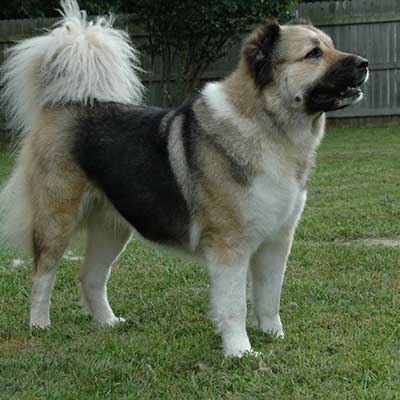
Caucasian Ovcharka
This ancient breed exudes a sense of strength and authority. Hailing from the rugged Caucasus Mountains, which lie between Europe and Asia, it is known by several names, the most common being the Caucasian Ovcharka or Caucasian Shepherd. These large dogs were originally bred to protect sheep from various threats, both human and animal. As a result, the temperament of the Caucasian Mountain Dog can vary widely. They can be affectionate and gentle with their families or, conversely, display aggressive and unruly behavior. The key to their demeanor often lies in the owner's approach to training, which should strike a balance between firmness and compassion. While their protective nature can be appealing, this breed may not be the best choice for inexperienced dog owners. Although these large, fluffy dogs were initially intended for guarding flocks, they are increasingly being kept as family pets. Nonetheless, their aggressive and protective instincts have historically hindered their popularity. As interest in the Caucasian Mountain Dog continues to rise, it is likely that selective breeding efforts will focus on moderating their overly protective traits.
Read more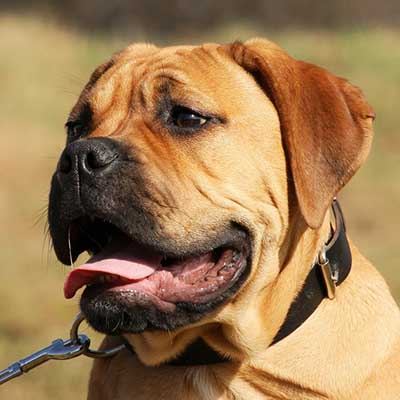
Bullmastiff
In 1795, historical accounts reveal that the Bullmastiff was created by crossing the Mastiff with the Bulldog, resulting in a genetic makeup of approximately 60% Mastiff and 40% Bulldog. To achieve purebred status, these dogs underwent three generations of selective breeding. Originally, their primary function was to track and capture poachers, but their roles later evolved to include service in military and law enforcement, as well as acting as guardians for the Diamond Society of South Africa. Today, the Bullmastiff is celebrated for its loyalty and gentle nature. While they may seem formidable and can show aggression if provoked, their usual temperament is calm and affectionate. They are known for their gentle disposition, patience with children, and a strong desire for human leadership. This breed thrives under the guidance of a strong, fair, and consistent owner who can earn their respect and provide clear direction. Bullmastiffs are receptive to training, but they are also sensitive to the tone of voice, which means that assertive yet gentle communication is essential. They make excellent family pets, offering protection without unnecessary aggression unless they perceive a threat. With appropriate socialization during their early years and consistent guidance, they can develop into devoted and loyal companions.
Read more