Dog Breeds by Friendly Toward Strangers
Friendly Toward Strangers refers to how a dog typically behaves or responds in everyday situations. Individual dogs may vary based on training, environment, and genetics.
Stranger-friendly dogs will greet guests with a wagging tail and a nuzzle; others are shy, indifferent, or even aggressive. However, no matter what the breed, a dog who was exposed to lots of different types, ages, sizes, and shapes of people as a puppy will respond better to strangers as an adult.
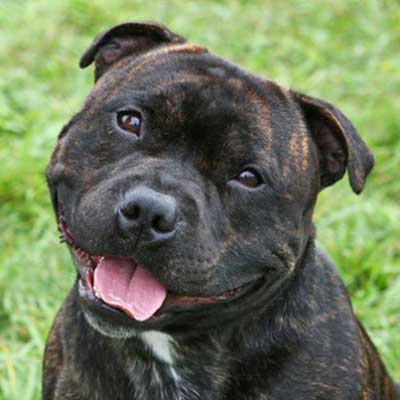
Staffordshire Bull Terrier
Often confused with its colonial counterpart, the American Staffordshire Bull Terrier, the Staffordshire Bull Terrier is somewhat shorter but equally strong and muscular. Commonly known as "Stafford," this breed is celebrated for its lively and playful demeanor. While it does not actively seek out conflict, it is steadfast when challenged. Initially bred for dog fighting and ratting, the Staffordshire Bull Terrier underwent a transformation in its role after such cruel practices were banned in England. Despite its tough image, early breeding focused on cultivating gentler characteristics, which enhanced its loyalty and protective instincts towards its family. Today, this loving breed is an excellent companion for energetic families, full of vitality and enthusiasm for play.
Read more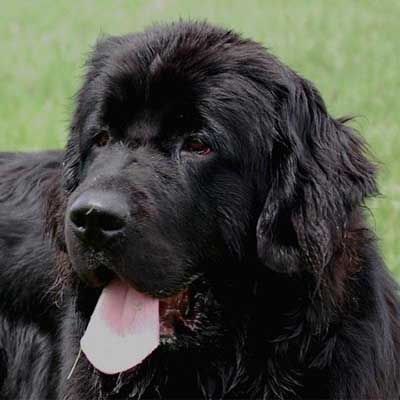
Newfoundland
The Newfoundland is a breed that originates from North America, specifically Newfoundland Island in Canada. While the exact beginnings of this breed are not entirely clear, it is thought that European fishermen introduced its ancestors to the island. Some theories propose that the Newfoundland may have descended from the white Great Pyrenees, while others suggest a connection to a French hound. Originally developed as a multi-purpose water dog and fishing aide, the Newfoundland has since become crucial in water rescue efforts. This sizable breed generally weighs between 130 and 150 pounds, with males reaching about 28 inches in height and having a body that is slightly longer than it is tall. With their sturdy build and strong bones, Newfoundlands have the power needed to rescue individuals from drowning, even in rough waters. Their webbed feet and water-resistant fur aid in swimming, while their strong, effortless gait enhances their ability to pull effectively.
Read more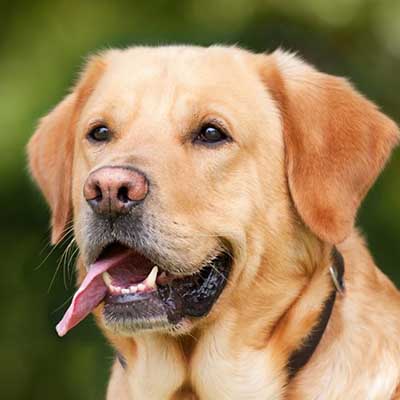
Labrador Retriever
The Labrador Retriever, originally referred to as the St. John’s Water Dog, derives its name from the capital of Newfoundland, situated on Canada’s northeastern Atlantic coast. In this area, these reliable dogs played a crucial role for local fishermen, helping to haul in their nets from the icy waters and retrieving any fish that escaped. Their gentle nature quickly endeared them to families, making Labradors popular household pets. Although many contemporary Labradors enjoy a relaxed home life rather than engaging in labor, they excel as therapy dogs, bringing happiness to the elderly and patients in medical facilities. Furthermore, they are outstanding guide dogs for those with visual impairments and serve as assistance dogs for individuals with disabilities. This breed remains active in various professional capacities, including search and rescue missions and supporting hunters in retrieving game. With their keen sense of smell, Labradors can be trained for numerous tasks, though this training demands significant patience. However, they are not ideal for guarding roles; their friendly demeanor often leads them to welcome intruders rather than deter them, sometimes guiding them to the household’s valuables. Ultimately, Labradors are celebrated for their loyalty and are known for their calm and patient temperament.
Read more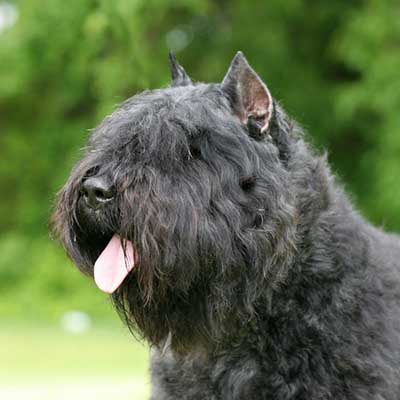
Bouvier des Flandres
The Bouvier des Flandres was initially developed as a hardworking dog, specifically designed for herding cattle and leveraging its strength on farms. Originating from Belgium and Northern France, these sturdy and intelligent dogs nearly faced extinction during World War I due to the destruction in their native regions. However, following the war, their population and popularity surged, leading them to become beloved family pets. Renowned for their loyalty, Bouviers thrive in various roles and require plenty of human interaction and physical exercise. Today, they can be found working as police, rescue, and guide dogs. Despite their energetic nature, Bouviers also appreciate relaxing with their dedicated families.
Read more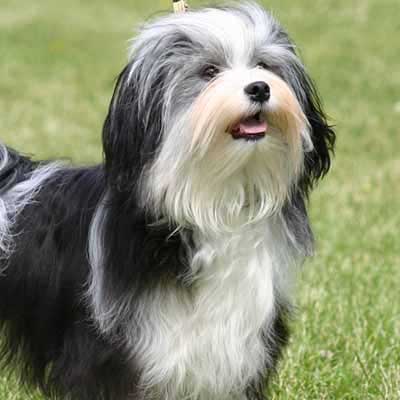
Lowchen
The Löwchen, affectionately referred to as the "little lion" in German, was a beloved pet among the European nobility during the 15th century, especially in regions such as Belgium, Germany, Spain, and France. This breed was intentionally bred for its small stature, opulent coat, and gentle nature, making it a favored companion for women who often brought them to court. Traditionally, their grooming involved a distinctive style where the fur on the legs, hindquarters, and part of the tail was closely trimmed to evoke a lion-like look. Even in modern times, the Löwchen remains treasured for its affectionate personality and continues to forge deep bonds with its human families.
Read more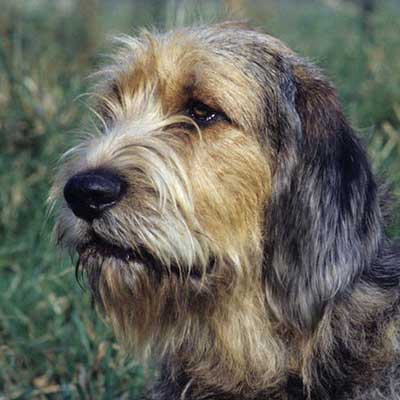
Otterhound
In 1360, fishermen started employing Otterhounds to hunt otters, as these creatures were notorious for stealing their fish. The breed was carefully crafted to combine characteristics from various dog breeds: the intelligence of a Collie, the patience of a Beagle, the endurance of a Foxhound, the wisdom of a Retriever, the acute sense of smell of a Pointer, the swimming ability of a Newfoundland, and the courage of a Bulldog. Otterhounds are large dogs, weighing up to 115 pounds and standing approximately two and a half feet tall. They are equipped with long, waterproof fur, prominent noses ideal for scent tracking, and strong legs designed for swimming. This breed comes in seven different colors and showcases six unique markings, with shades that include lemon, white, black, and tan, while the markings may feature silver, grizzle, badger, and various other combinations.
Read more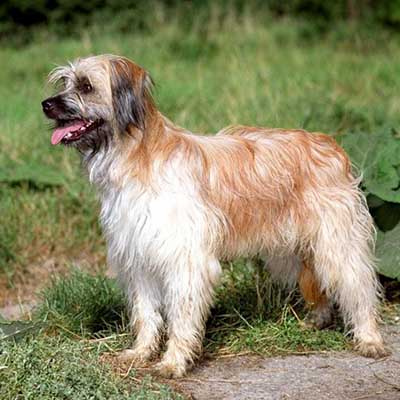
Berger Des Pyrenees
The Pyrenean Shepherd, originating from the Pyrenees Mountains in France around 6000 BC, boasts a rich history of herding and protecting sheep and goats. During World War I, these dogs played crucial roles as messengers, sentinels, and rescue animals. After the war, the energetic Pyr Shep continued its herding and guarding responsibilities while also gaining recognition in competitions and exhibitions. This cheerful breed comes in two distinct types: the rough-faced variety, known for its thick, coarse coat, and the smooth-faced type, which has a softer, finer fur. The Pyrenean Shepherd thrives in an active home environment.
Read more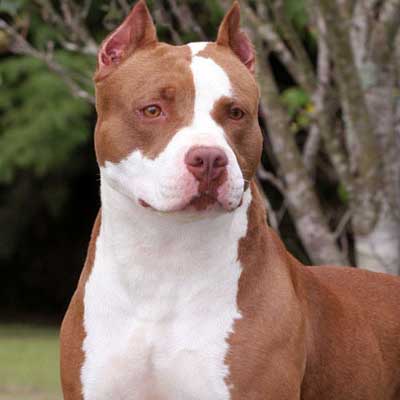
American Pit Bull Terrier
The term "Pit Bull" or "Pit Bull Terrier" refers to a group of sturdy, short-haired dogs that generally have a mixed heritage of Bulldogs and Terriers. Among them, the American Pit Bull Terrier is officially recognized as a separate breed by the United Kennel Club in England, although it does not have the same status with the American Kennel Club or the Fédération Cynologique Internationale. While Pit Bulls can sometimes display unpredictable behaviors due to their varied genetic backgrounds, this is less frequent in well-bred American Pit Bull Terriers, as responsible breeders focus on fostering a more stable temperament. To address potential issues like fearfulness, overly excited greetings, and aggression towards other dogs, it is essential to prioritize obedience training and socialization for this powerful breed.
Read more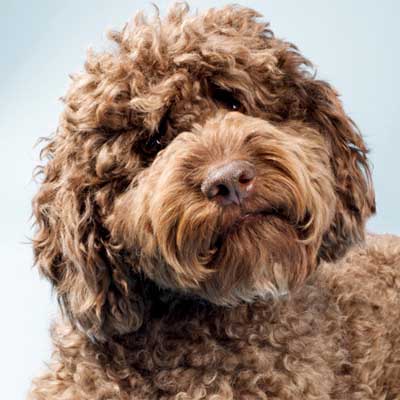
Labradoodle
The Labradoodle is a hybrid breed created by crossing a Labrador Retriever with a Poodle. This designer dog has become increasingly popular, prompting focused breeding initiatives for this specific mix. Labradoodles are known for their loving and playful demeanor, making them excellent companions for older children. However, their energetic nature might not be ideal for families with younger kids. One of their attractive features is their low shedding, which makes them hypoallergenic. They generally interact well with other dogs, but it’s crucial for them to have a safe, enclosed yard to burn off their excess energy.
Read more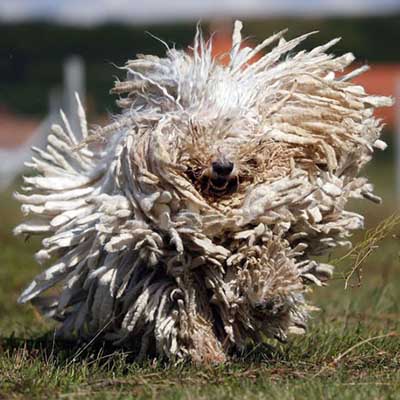
Komondor
This breed is known for its sharp awareness and steadfast loyalty to their human families. They are courageous dogs that thrive when entrusted with tasks, but without proper socialization during their puppy stage, they may display territorial and aggressive tendencies towards unfamiliar people and animals. Their unique coat, reminiscent of a mop, is perfectly designed for their original role of protecting livestock in frigid environments. Although they have a strong independent streak, they respond well to engaging and diverse training techniques, particularly when led by a confident handler. Despite their considerable size, they can adapt to living indoors as long as they receive sufficient exercise and regular outings. To deter them from asserting dominance over their territory—a typical trait of guard dogs—a tall fence is crucial around your property. However, beneath their rugged facade, they truly enjoy cozying up indoors with their loved ones.
Read more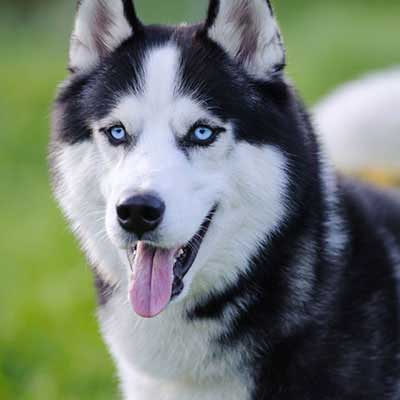
Siberian Husky
The Siberian Husky is a venerable breed that has likely developed alongside humans for thousands of years. Hailing from Russia, these dogs were cultivated by the Chukchi people, who depended on them for hauling supplies, which enabled their community to thrive in challenging environments. In addition to their transportation duties, Huskies were also bred to live harmoniously with Chukchi families. This selective breeding has resulted in a friendly and energetic breed renowned for its impressive stamina. Their dense double coat, which provides insulation against severe cold, requires regular grooming, although they do not need frequent baths. Despite their wolf-like appearance, which may intimidate some, Siberian Huskies are generally too friendly to be effective as guard dogs.
Read more