Dog Breeds by Tendency To Bark Or Howl
Tendency To Bark Or Howl refers to how a dog typically behaves or responds in everyday situations. Individual dogs may vary based on training, environment, and genetics.
Some breeds sound off more often than others. When choosing a breed, think about how the dog vocalizes — with barks or howls — and how often. If you're considering a hound, would you find their trademark howls musical or maddening? If you're considering a watchdog, will a city full of suspicious "strangers" put him on permanent alert? Will the local wildlife literally drive your dog wild? Do you live in housing with noise restrictions? Do you have neighbors nearby?
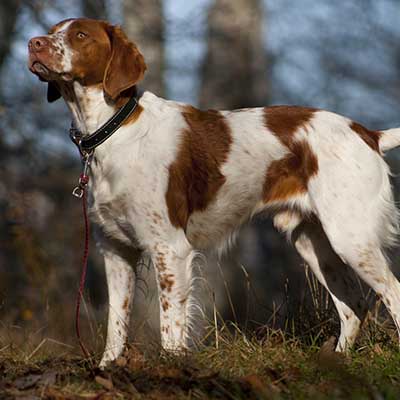
Brittany
The spirited Brittany is thought to have its roots in 18th century France. This breed emerged from a combination of French Spaniels and possibly English Pointers, and it quickly gained recognition for its remarkable versatility in hunting, often fulfilling the functions of several hunting dogs at once. With a strong physique and a nimble structure, the medium-sized Brittany embodies both grace and speed. Typically adorned with a white and orange coat, its short fur requires minimal upkeep, simplifying the grooming process. Renowned for its boundless energy, the Brittany not only thrives as a hunter but also makes a loving and loyal companion, always ready to engage in play, protect its family, or run for hours.
Read more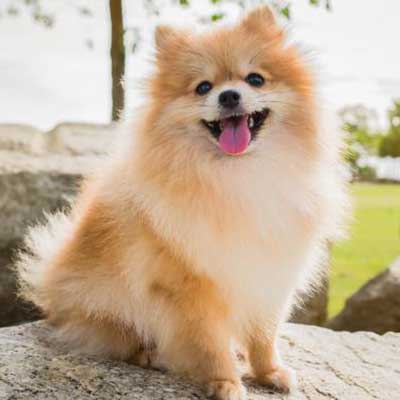
Pomeranian
The Pomeranian is an enchanting little dog known for its lively character. Despite their petite size, they possess a boundless heart and spirit. These feisty pups often display such self-assurance that they will confront much larger dogs, seemingly oblivious to their own smallness. In addition to their bold nature, Pomeranians typically get along well with children and other pets. Their frequent and boisterous barking makes them excellent watchdogs, though they do need proper training to keep this behavior in check. With a variety of nicknames and coat colors, they are sure to add happiness to your life. Historically, Pomeranians could weigh as much as 30 pounds and were used as sheepdogs. Nowadays, they are much smaller but continue to excel in activities like obedience, agility, therapy, flyball, and tracking, all while being loving companions.
Read more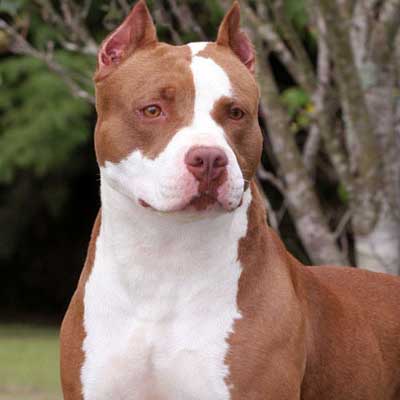
American Pit Bull Terrier
The term "Pit Bull" or "Pit Bull Terrier" refers to a group of sturdy, short-haired dogs that generally have a mixed heritage of Bulldogs and Terriers. Among them, the American Pit Bull Terrier is officially recognized as a separate breed by the United Kennel Club in England, although it does not have the same status with the American Kennel Club or the Fédération Cynologique Internationale. While Pit Bulls can sometimes display unpredictable behaviors due to their varied genetic backgrounds, this is less frequent in well-bred American Pit Bull Terriers, as responsible breeders focus on fostering a more stable temperament. To address potential issues like fearfulness, overly excited greetings, and aggression towards other dogs, it is essential to prioritize obedience training and socialization for this powerful breed.
Read more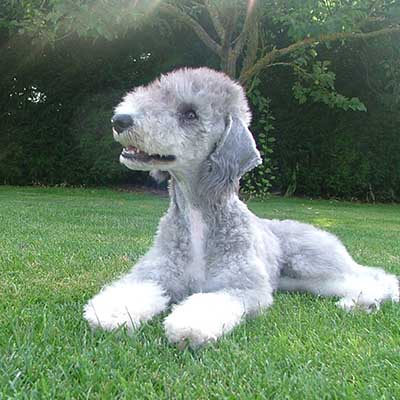
Bedlington Terrier
Bedlington Terriers stand out among Terrier breeds for their unique characteristics, typically weighing between 17 and 23 pounds. Females generally reach an average height of about 15.5 inches, while males are slightly taller at around 16.5 inches. These dogs are known for their graceful physique, which includes a slender build, lively personality, and distinctive coat. Their appearance is further enhanced by an arched back, ears adorned with tassels, and a narrow head. With gentle expressions, they exude a friendly nature, displaying neither shyness nor anxiety. Often regarded as delightful, entertaining, and loyal companions, Bedlington Terriers possess remarkable stamina, showcasing the energetic qualities of a Terrier along with the speed of a small coursing Hound. They respond well to training and typically interact positively with children and other dogs, especially when supervised. Although generally healthy, some may experience issues related to copper toxicosis. Their non-shedding single coat requires regular grooming, including scissor trimming and clipping, to maintain its appearance.
Read more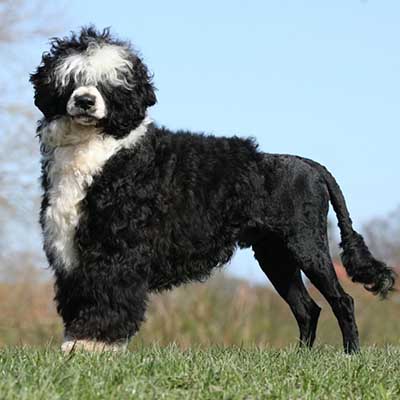
Portuguese Water Dog
The Portuguese Water Dog traces its lineage back to approximately 700 B.C., originally bred to aid fishermen in various tasks related to water. This historical background accounts for their strong affinity for swimming and aquatic activities. Known for their affectionate nature and family-oriented temperament, these dogs are friendly companions for both children and other pets. They are easily recognizable by their unique curly or wavy coats and webbed feet, which make them ideally suited for aquatic life. With their high energy levels and intelligence, Portuguese Water Dogs shine in numerous canine sports, such as tracking, agility, obedience, and trick performance. However, their keen intellect can sometimes lead them to try to outsmart their owners. With proper training and socialization, these dogs can develop good manners and adapt well to various environments.
Read more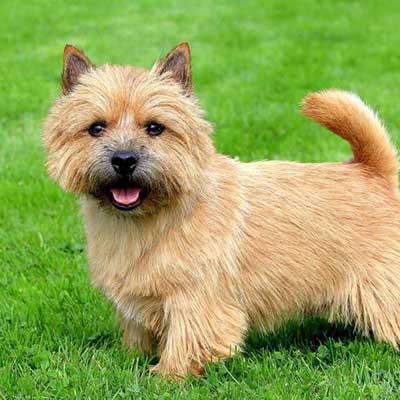
Norwich Terrier
The Norwich Terrier breed originated in England during the 1800s, initially developed as a working dog to control rat populations and other vermin in stables. This breed is the smallest among working terriers, typically standing about 10 inches tall and weighing around 11 pounds. Their coat can come in various colors, including black and tan, grizzle, wheaten, tan, and red. Although these lively dogs were once celebrated for their hunting abilities, they are now mainly cherished as companion animals and show dogs. According to the American Kennel Club, the Norwich Terrier ranks as the 104th most popular breed in the United States, with its registration beginning in 1936. Despite their petite size, they are recognized for their spirited, energetic, and determined personalities, making them endearing and loving pets.
Read more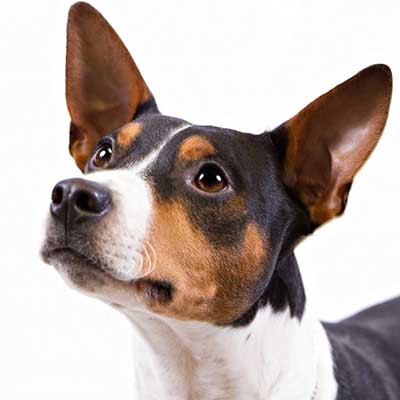
Rat Terrier
During the 19th century, American farmers were in search of an adept rodent hunter, which prompted them to crossbreed several Terrier varieties with Whippets, Greyhounds, and Beagles. This endeavor led to the creation of the delightful Rat Terrier. Known for its agility, this breed excelled at locating rodents and other pests, whether they were hiding above or below ground. In addition to its hunting skills, the Rat Terrier became a dependable watchdog and a beloved companion, establishing itself as a familiar sight on farms throughout the nation. Today, this small to miniature breed is often seen happily engaging with families in both rural and urban environments. With low grooming needs and a high energy level, the Rat Terrier thrives in canine sports, remains vigilant over its loved ones, and adds a lively spirit to any household.
Read more
Barbet
The Barbet, pronounced Bar-bay, is a historic gun dog that hails from France and was primarily bred for hunting waterfowl. While it hasn't gained widespread recognition, this breed is beginning to garner interest beyond its native land. After World War II, the Barbet faced a serious risk of extinction. With origins dating back to the 16th century, this ancient breed is celebrated for its loyalty, intelligence, and affectionate demeanor. Agile and full of energy, the Barbet thrives in various dog sports such as agility, Frisbee, and lure coursing. It is well-suited for cold weather and can comfortably swim in any conditions. However, prospective owners should note that the Barbet's coat demands considerable grooming, making it a relatively high-maintenance pet.
Read more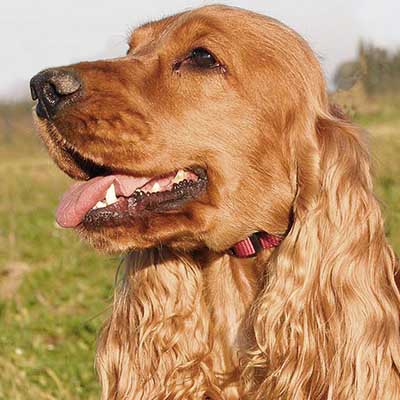
English Cocker Spaniel
English Cocker Spaniels are often described as joyful, a portrayal that truly captures their essence. Initially bred to retrieve game from thick underbrush during hunting expeditions, these dogs are energetic and devoted companions. Their coats, which are soft and silky, are prone to matting and tangling, making regular grooming essential due to their considerable shedding. The English Cocker Spaniel is the ancestor of the American Cocker Spaniel, which has been selectively bred to be somewhat smaller, with a rounder skull and a diminished prey drive. Although English Cocker Spaniels need more exercise than their American counterparts, they tend to be sturdier and less prone to anxiety or nervousness.
Read more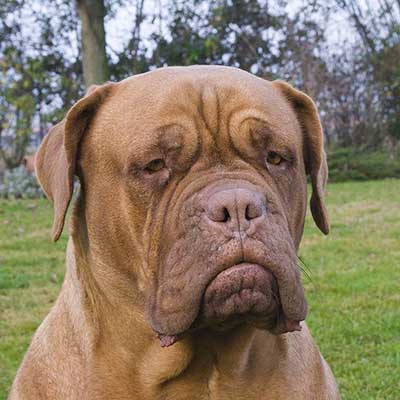
Dogue De Bordeaux
The Dogue de Bordeaux, commonly referred to as the French Mastiff, is a sizable breed with a lineage that remains somewhat ambiguous. Typically, these dogs stand around two feet tall at the shoulder and can weigh more than 99 pounds, distinguished by their prominent heads and short snouts. Unfortunately, they are susceptible to a range of health problems, including heart disease, various cancers, and hip and elbow dysplasia, which contribute to a relatively brief lifespan of five to eight years, though some may live longer. A notable case is Beasley, a nine-year-old Dogue de Bordeaux who appeared alongside Tom Hanks in the 1989 film "Turner and Hooch" and lived for three years beyond the film's release. If not properly socialized, these dogs can display stubborn and strong-willed tendencies, reminiscent of Hooch's character in the movie. However, with the right care and attention, they can develop into loyal, tolerant, and affectionate family companions.
Read more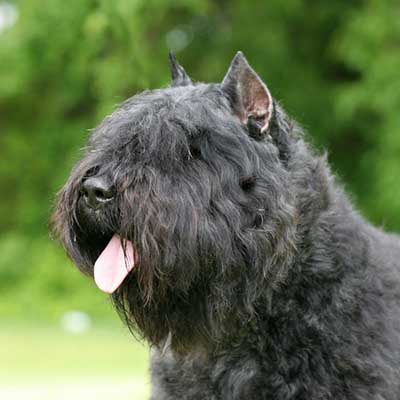
Bouvier des Flandres
The Bouvier des Flandres was initially developed as a hardworking dog, specifically designed for herding cattle and leveraging its strength on farms. Originating from Belgium and Northern France, these sturdy and intelligent dogs nearly faced extinction during World War I due to the destruction in their native regions. However, following the war, their population and popularity surged, leading them to become beloved family pets. Renowned for their loyalty, Bouviers thrive in various roles and require plenty of human interaction and physical exercise. Today, they can be found working as police, rescue, and guide dogs. Despite their energetic nature, Bouviers also appreciate relaxing with their dedicated families.
Read more