Dog Breeds by Drooling Potential
Drooling Potential refers to how a dog typically behaves or responds in everyday situations. Individual dogs may vary based on training, environment, and genetics.
Drool-prone dogs may drape ropes of slobber on your arm and leave big, wet spots on your clothes when they come over to say hello. If you've got a laid-back attitude toward slobber, fine; but if you're a neatnik, you may want to choose a dog who rates low in the drool department.
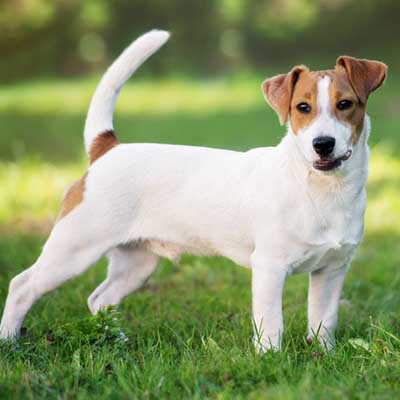
Jack Russell Terrier
The Jack Russell Terrier is a breed that has gained fame through popular television series like Frasier and Wishbone. Many fans have fallen in love with the quirky and endearing personalities of characters like Eddie from Frasier and Wishbone. However, the reality of owning a Jack Russell Terrier is quite different from what is depicted on screen. The dogs featured in these shows are supported by professional trainers and are given specific tasks to perform. In contrast, a real Jack Russell Terrier thrives on interaction and will actively seek out ways to entertain itself if its owner is busy. This breed is known for its high energy levels, relishing activities such as running, digging, and engaging in playful mischief. With the right training and an appropriate outlet for their considerable energy, they can make wonderful and loving companions.
Read more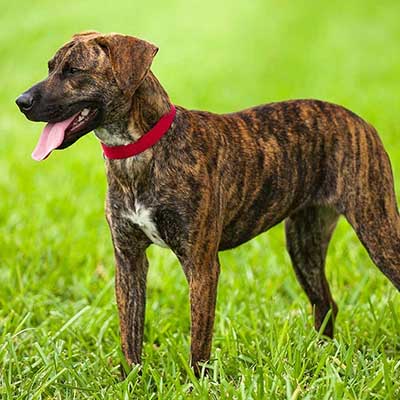
Plott Hound
The Plott Hound is an intriguing breed recognized for its tenacious spirit. This dog is not only devoted but also loving, making it an ideal companion for families with kids. Distinctively, the Plott Hound is the sole coonhound breed that does not share ancestry with the Foxhound. Known for being vocal and full of energy, this breed enjoys running and engaging in play. However, its propensity to bark may render it unsuitable for apartment living. With a lively personality and a protective nature, the Plott Hound makes a superb guardian for your home. Given its hunting instincts, it's wise to have a tall, secure fence to keep it from chasing after any nearby wildlife.
Read more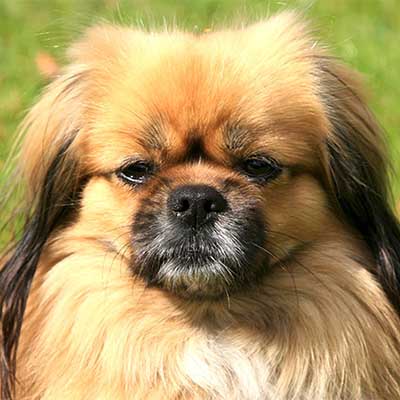
Tibetan Spaniel
The Tibetan Spaniel, celebrated for its independent spirit and gentle demeanor, was originally bred by Buddhist monks in Tibet. This breed is reminiscent of a lion, which holds significant meaning in Buddhism. While it shares some characteristics with the Pekingese, the Tibetan Spaniel features a slightly elongated face and does not possess the excessive skin commonly found in that breed. Its body is longer than it is tall, complemented by a small, rounded head that is well-proportioned to its frame. The muzzle is of medium length and smooth, free from wrinkles, while its dark, widely spaced eyes add to its charm. This delightful dog is adorned with a silky, flat double coat and a feathery tail that arches gracefully over its back, along with a longer mane around its neck. Historically, this loyal breed functioned as both a watchdog and a companion, alerting its owners to potential dangers with its distinctive bark. To maintain the health of its coat, regular grooming is vital, requiring daily brushing and combing to avoid matting. The Tibetan Spaniel has moderate energy levels, so it is important to provide adequate mental and physical stimulation to keep it engaged and stave off boredom.
Read more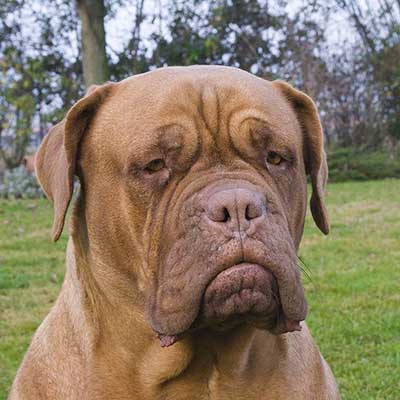
Dogue De Bordeaux
The Dogue de Bordeaux, commonly referred to as the French Mastiff, is a sizable breed with a lineage that remains somewhat ambiguous. Typically, these dogs stand around two feet tall at the shoulder and can weigh more than 99 pounds, distinguished by their prominent heads and short snouts. Unfortunately, they are susceptible to a range of health problems, including heart disease, various cancers, and hip and elbow dysplasia, which contribute to a relatively brief lifespan of five to eight years, though some may live longer. A notable case is Beasley, a nine-year-old Dogue de Bordeaux who appeared alongside Tom Hanks in the 1989 film "Turner and Hooch" and lived for three years beyond the film's release. If not properly socialized, these dogs can display stubborn and strong-willed tendencies, reminiscent of Hooch's character in the movie. However, with the right care and attention, they can develop into loyal, tolerant, and affectionate family companions.
Read more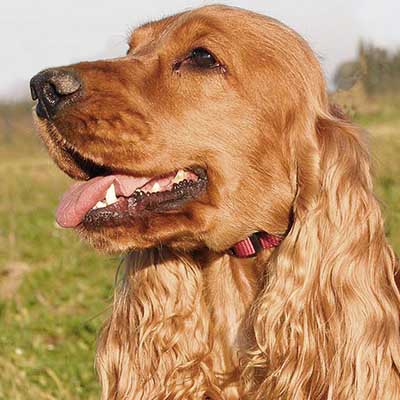
English Cocker Spaniel
English Cocker Spaniels are often described as joyful, a portrayal that truly captures their essence. Initially bred to retrieve game from thick underbrush during hunting expeditions, these dogs are energetic and devoted companions. Their coats, which are soft and silky, are prone to matting and tangling, making regular grooming essential due to their considerable shedding. The English Cocker Spaniel is the ancestor of the American Cocker Spaniel, which has been selectively bred to be somewhat smaller, with a rounder skull and a diminished prey drive. Although English Cocker Spaniels need more exercise than their American counterparts, they tend to be sturdier and less prone to anxiety or nervousness.
Read more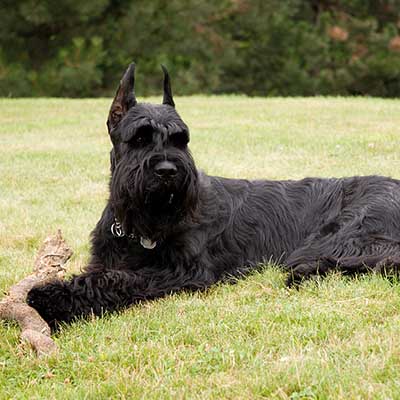
Giant Schnauzer
The Giant Schnauzer is the largest of the three recognized Schnauzer breeds. Initially bred as a working dog, its primary roles included herding cattle and protecting livestock. It is commonly thought that the Giant Schnauzer was developed by crossing the Standard Schnauzer with the Great Dane and the Bouvier des Flandres. Given its demanding temperament and the necessity for extensive training, this breed may not be the best fit for novice dog owners. Known for its intelligence and strong sense of independence, the Giant Schnauzer can be somewhat difficult to keep mentally stimulated. Furthermore, this breed requires considerable grooming, making it a high-maintenance pet.
Read more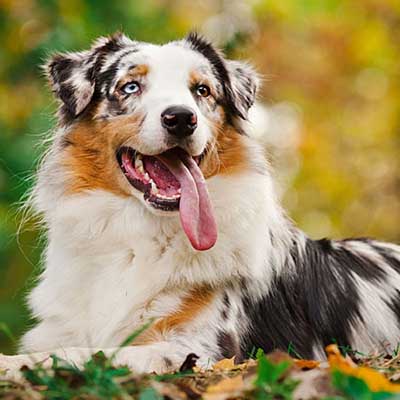
Australian Shepherd
The Australian Shepherd is a remarkably intelligent and loyal companion, yet it is also a breed brimming with energy that flourishes with active involvement. Renowned for its prowess in a variety of canine sports such as herding trials, tracking, agility, flyball, tricks, and obedience, the Aussie—its affectionate nickname—demands a household that can provide consistent training, structure, and plenty of physical exercise. This breed possesses a strong herding instinct, often leading it to nip at or bark at animals, people, and objects. If not given a specific task to engage with, the Australian Shepherd may exhibit disruptive and destructive behaviors. Interestingly, despite its name, the breed was actually developed in the United States for herding purposes.
Read more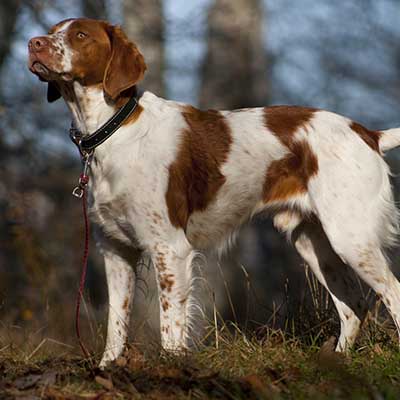
Brittany
The spirited Brittany is thought to have its roots in 18th century France. This breed emerged from a combination of French Spaniels and possibly English Pointers, and it quickly gained recognition for its remarkable versatility in hunting, often fulfilling the functions of several hunting dogs at once. With a strong physique and a nimble structure, the medium-sized Brittany embodies both grace and speed. Typically adorned with a white and orange coat, its short fur requires minimal upkeep, simplifying the grooming process. Renowned for its boundless energy, the Brittany not only thrives as a hunter but also makes a loving and loyal companion, always ready to engage in play, protect its family, or run for hours.
Read more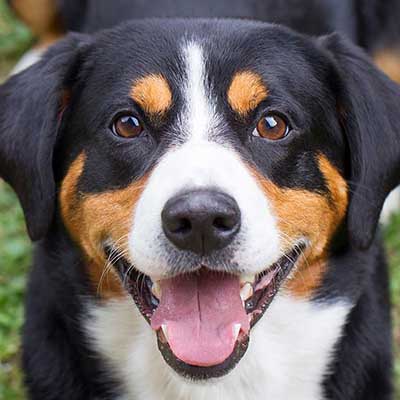
Appenzeller
The Appenzeller Mountain Dog is a sturdy and adaptable breed, although its precise origins are not entirely known. This breed excels in various roles, such as guarding farms, herding livestock, and pulling carts. Despite their strong and muscular physique, they do not fall into the giant breed category. Their dark, expressive eyes enhance the appeal of their short, double coat. Originating from Switzerland, Appenzellers usually sport a black or brown coat with unique symmetrical markings in white and rust. In general, the Appenzeller Mountain Dog is a hardy breed, typically not prone to specific health problems linked to its ancestry.
Read more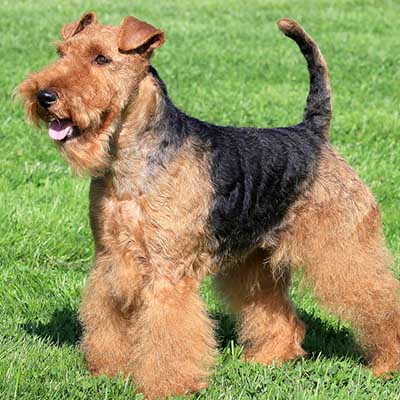
Welsh Terrier
The Welsh Terrier embodies the classic characteristics of a Terrier: courageous, energetic, playful, and spirited. Hailing from Wales in the 1700s, these bearded dogs were initially bred for hunting, adeptly navigating small burrows and caves to flush out game for hunters. While they continue to be employed for hunting and tracking, Welsh Terriers are now more commonly treasured as family pets. They make fantastic companions for children, are excellent running partners, and are always ready to partake in any fun activity you can think of. Historically known as the Black and Tan Wire Haired Terrier due to their striking black and tan coats, these dogs are easily identifiable by their curly beards. The breed was first showcased in England in 1884 and has been a staple in dog shows ever since. When Prescott Lawrence brought them to America that same year, they quickly captured attention at the Westminster Kennel Club, thanks to their distinctive appearance and charming personalities. The American Kennel Club recognized the breed in 1884, which led to the establishment of the Terrier Club of America shortly after. If you’re looking for a dog that will keep you entertained, bring joy to your life, and help manage pesky critters, the Welsh Terrier might be the perfect fit for you. However, it’s crucial to keep in mind that they require ample exercise and can become destructive if they’re not adequately stimulated. By ensuring they remain active and engaged, you can enjoy the delightful companionship of a Terrier that will undoubtedly enhance your life.
Read more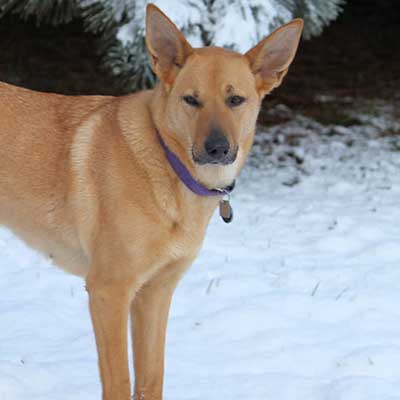
Chinook
The Chinook is a breed that is uniquely American in its heritage. Its beginnings can be traced to a female Northern Husky and a dog from the Arctic region. The father was of mixed lineage, and the resulting puppy, which was eventually named Chinook, did not closely resemble either of its parents; over time, this name became synonymous with the breed itself. Interestingly, the Chinook is believed to have been part of Admiral Byrd’s 1927 expedition to the South Pole, where it reportedly achieved remarkable records in terms of time, distance, and load capacity during the early 20th century. Today, thanks to the commitment of a small group of passionate breeders, the Chinook remains a rare breed.
Read more