Pure Breeds
Browse a collection of Pure Breeds, including breed names, key traits, and origins. Whether you're interested in officially recognized purebreds or hybrid crossbreeds, this page helps you explore them all in one place.
A breed with a pure lineage, recognized by official breed standards.
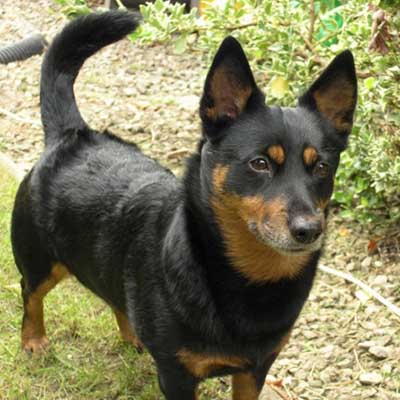
Lancashire Heeler
The Lancashire Heeler is a distinctive and rare small dog breed that hails from Great Britain. Initially bred for herding cattle, these compact dogs are nimble enough to nip at the hooves of cows while skillfully dodging any kicks. Beyond their herding responsibilities, they also served an important function in managing pests on farms, particularly rats. Generally, this breed enjoys good health and demands minimal daily grooming, although they are not hypoallergenic. While they tend to be affectionate and friendly with their families, they may exhibit wariness towards strangers, highlighting the importance of early socialization and training for their proper development.
Read more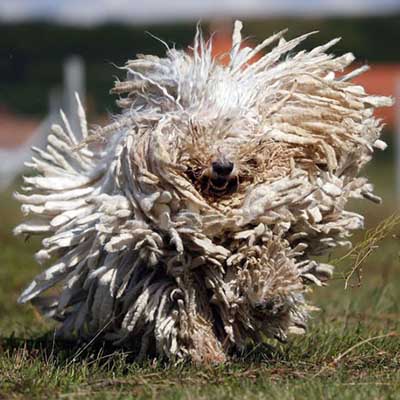
Komondor
This breed is known for its sharp awareness and steadfast loyalty to their human families. They are courageous dogs that thrive when entrusted with tasks, but without proper socialization during their puppy stage, they may display territorial and aggressive tendencies towards unfamiliar people and animals. Their unique coat, reminiscent of a mop, is perfectly designed for their original role of protecting livestock in frigid environments. Although they have a strong independent streak, they respond well to engaging and diverse training techniques, particularly when led by a confident handler. Despite their considerable size, they can adapt to living indoors as long as they receive sufficient exercise and regular outings. To deter them from asserting dominance over their territory—a typical trait of guard dogs—a tall fence is crucial around your property. However, beneath their rugged facade, they truly enjoy cozying up indoors with their loved ones.
Read more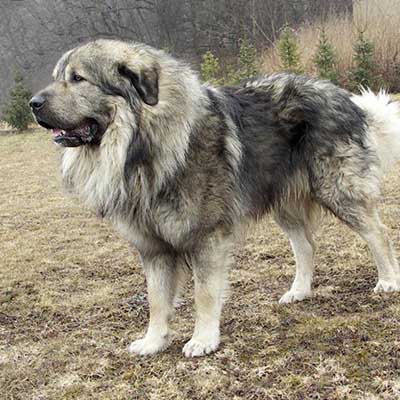
Sarplaninac
The Šarplaninac, much like other ancient Mountain Dog breeds, has been revered for centuries as one of the most functional breeds from ancient times, and this reputation is well-deserved. Traditionally, these dogs have taken on multiple roles, such as herding, guarding, and collaborating with police and military units, particularly in their homeland around the Šar Mountains, which spans Macedonia, Serbia, and parts of the former Yugoslavia. As one of the oldest native breeds in the world, they trace their lineage back to ancient Molosser breeds and have largely remained untouched by outside influences. This breed is known for its composed demeanor and noble presence, paired with a strong protective instinct that underpins their historical functions. Their herding and guarding instincts are so deeply embedded that they often view their human family as a flock to protect, instinctively trying to herd them when they sense a threat. While they develop strong bonds with their families, Šarplaninacs are typically cautious around strangers and other dogs, instinctively positioning themselves as a barrier between their loved ones and any potential danger. They seldom show aggression unless provoked or faced with serious threats. Their fierce protective nature has been documented in their ability to guard against predators like wolves, lynxes, and even bears. However, it is possible to modify some of their protective instincts, enabling them to be more tolerant of unfamiliar people, dogs, and other animals in social or relaxed settings, although this can be a challenging process. Bred for independence, these dogs are used to spending long periods with herds without supervision, which makes them more likely to rely on their own judgment rather than commands unless they have received extensive training and have a strong leader. Even with proper training, there is no guarantee that they will consistently prioritize commands over their instincts. Within their family environment, Šarplaninacs are generally calm, relaxed, and good-natured, often showing patience and gentleness with children. Nevertheless, consistent training and socialization are crucial for any dog to become a well-adjusted family member, as they may revert to instinctual behaviors if not properly guided. Additionally, they are not particularly adaptable and thrive best in settings where they have tasks to perform, something to protect, and plenty of outdoor space, as their robust double coats equip them to handle a variety of weather conditions.
Read more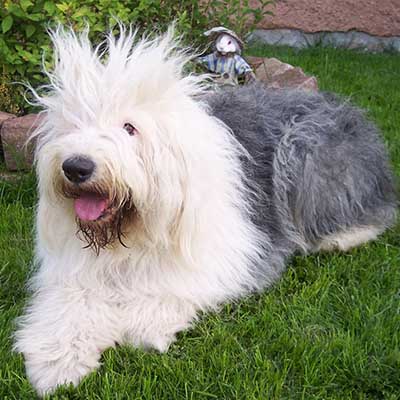
Old English Sheepdog
The Old English Sheepdog, one of the most ancient dog breeds, gained recognition from the American Kennel Club merely four years after the organization was founded in 1888. Currently, it holds the position of the 75th most popular breed in the United States. This breed is notable for its substantial size and unique shaggy fur, having featured prominently in various television shows and movies, as well as being a popular contender in dog competitions. Old English Sheepdogs are not only robust but also gentle and exceptionally intelligent, adept at mastering a wide array of commands and tasks. Their dense double coat often partially covers their eyes and comes in several color variations, with the most common being grizzle and white, gray and white, blue merle and white, blue gray and white, and blue and white.
Read more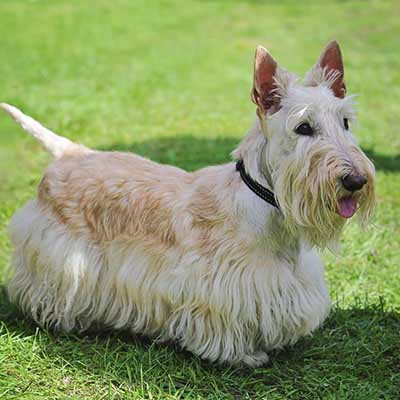
Scottish Terrier
The Scottish Terrier is a small yet spirited breed, celebrated for its lively character. In the 1700s, breeders started developing what we now know as the Scottish Terrier, originally calling it the Aberdeen Terrier after a town in Scotland. The breed was affectionately dubbed the “little diehard” by the fourth Earl of Dumbarton, a nickname that still resonates today. Though they are petite, these dogs are brimming with bravery and vitality. Initially bred to hunt rabbits, otters, foxes, and badgers, Scottish Terriers continue to excel as vigilant watchdogs and devoted companions.
Read more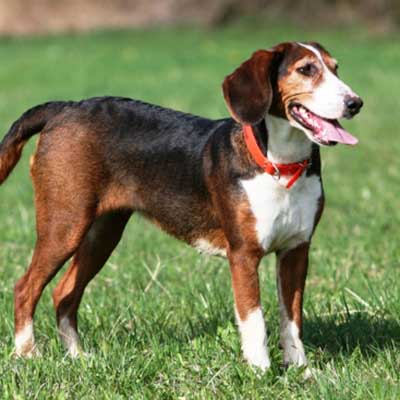
Deutsche Bracke
The Deutsche Bracke is an eye-catching and endearing breed, generally falling within the small to medium size range. While they enjoy popularity in Germany, they are still relatively unknown in many other regions. Bred initially for hunting purposes, these dogs need plenty of exercise, ideally engaging in physical activities twice daily. They thrive on companionship and can experience anxiety if left alone for long stretches, which may result in unwanted behaviors. Their gentle nature makes them excellent companions for families, especially around children. Sociable with other dogs, the Deutsche Bracke has been trained to hunt both in packs and individually. However, their strong hunting instincts can pose a threat to smaller pets like cats or rabbits, so supervision is crucial. Despite their calm demeanor, their independent streak can make training a bit challenging. This breed does not respond well to harsh training methods; instead, positive reinforcement is essential. Training sessions should be fun, varied, and brief to keep their attention. When taking the Deutsche Bracke for walks, it’s important to keep them on a leash, as they can quickly take off in pursuit of an intriguing scent. Once they catch a whiff of something interesting, redirecting their focus can be quite difficult. Overall, this breed is eager to please, affectionate, intelligent, and a devoted companion.
Read more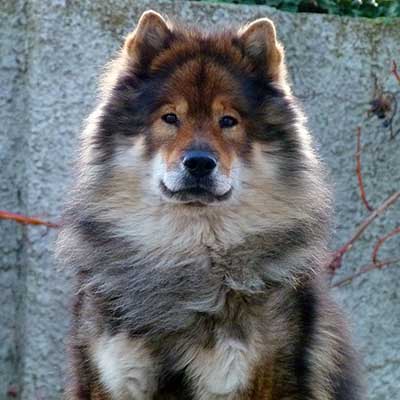
Eurasian
Hailing from Germany, the Eurasier is a devoted family companion. While he may take a little time to warm up to new people, he is neither aggressive nor shy; he simply prefers to avoid being petted by strangers. This breed is a great fit for families with children, though it's wise to supervise interactions with very young kids who might pull at him. When raised with other pets from an early age, the Eurasier generally coexists harmoniously with them. Although he isn't prone to excessive barking, he will notify his family if unfamiliar individuals approach their home. The Eurasier does not adapt well to kennel settings or being left alone in a yard; as a social breed, he flourishes with daily interaction and needs to be integrated into family life.
Read more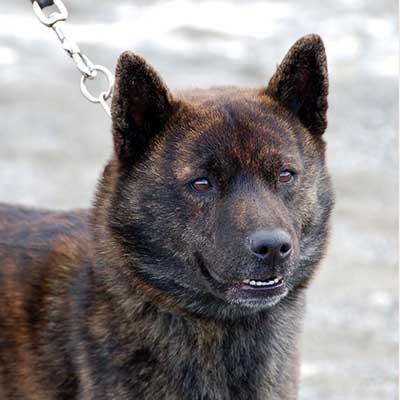
Kai
The Kai Ken was largely isolated from the outside world for a significant time, mainly due to the geographical features of its homeland—an island surrounded by mountains. Its reputation began to grow with the introduction of firearms and the rise in popularity of big game hunting. Known for its remarkable hunting skills, this breed is adept at climbing trees to pursue its prey. Although it was not initially bred as a companion animal, the Kai Ken became a beloved pet in many American homes following its introduction to the United States. The breed did not gain official recognition in Japan until 1934 and is still regarded as rare today. While the United Kennel Club recognized the Kai Ken in 1997, it has not yet been acknowledged by the American Kennel Club.
Read more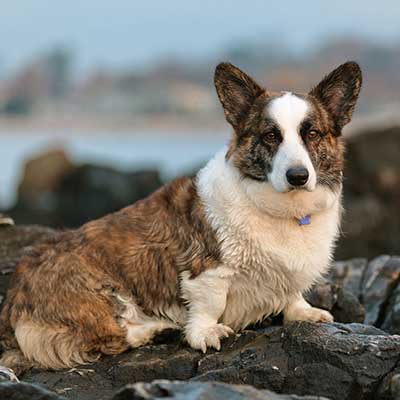
Cardigan Welsh Corgi
These delightful dogs are full of vitality and smarts, always ready to share their love. The Cardigan Welsh Corgi is related to the Dachshund, which likely explains their unique combination of long and short body features. Originally, they had floppy ears, but through selective breeding, they now typically have the upright ears that define the breed. While their initial purpose was to herd cattle, they have also become wonderful companions. With a vibrant personality packed into a compact size, the Cardigan is a playful and engaging pet. He thrives on interaction with his family and radiates happiness, making him a fantastic choice for homes with children. Originating from Wales, the Cardigan Welsh Corgi is endearingly known as the “yard-long dog” and was historically used for herding cattle, safeguarding farms, and controlling pests. Although he may occasionally exhibit herding behaviors, the Cardigan is now primarily recognized in dog shows and cherished as a family pet.
Read more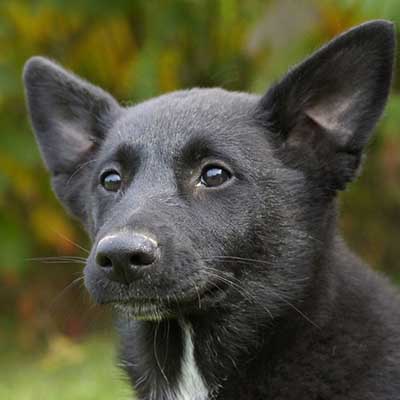
Canaan Dog
The Canaan dog is a medium-sized breed that has evolved over centuries, overcoming various challenges throughout its history. Many enthusiasts believe this breed traces its origins back to biblical times in the Canaan region, where it was known as kalef K’naani, translating to "dog of Canaan." Typically, females weigh about 45 pounds, while males can reach up to 55 pounds. Traditionally, Canaan dogs have fulfilled multiple roles, such as sentinels, messengers, and assistance animals. They are recognized for their alertness, vigilance, and territorial instincts, exhibiting a gentle nature with their families while being more reserved around unfamiliar faces. These dogs are highly active, intelligent, and responsive, thriving in environments that provide ample physical and mental challenges. Overall, the breed is robust and requires very little grooming.
Read more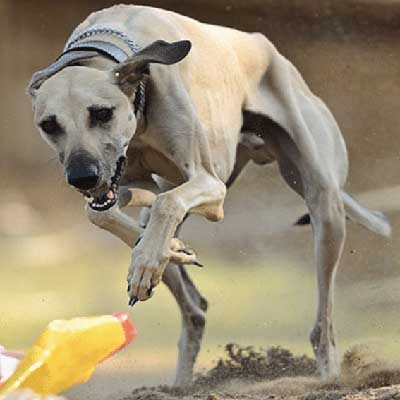
Rampur Greyhound
The Rampur Greyhound is a medium to large sighthound breed that traces its origins back to the 18th or 19th century, developed by Ahmad Ali Khan, the Nawab of Rampur. This breed was intentionally bred for the pursuit of challenging game such as boars, jackals, and even lions. While the population of Rampur Greyhounds has been slowly rising, they are still considered critically endangered and are quite uncommon outside of India. Most of the remaining dogs of this breed are utilized for hunting and guarding purposes within the country, and currently, none of the major kennel clubs have granted them official recognition.
Read more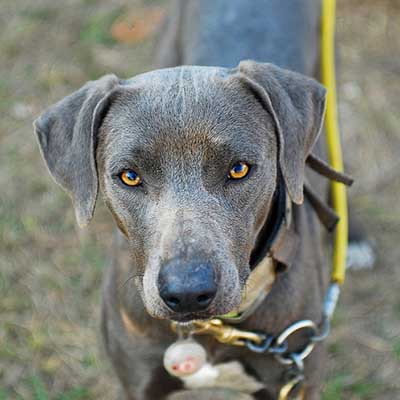
Lacy
The Lacy, commonly known as the Blue Lacy, is a distinctive American dog breed that originated in Texas. Developed in the mid-1800s by the Lacy family, from whom it takes its name, this breed was initially intended as a versatile working dog. Blue Lacys are adept in various roles, such as hunting, herding, and serving as loyal companions. They are particularly known for their strong loyalty, forming deep bonds with their owners and families, which they demonstrate through attentive behavior once trained and through affectionate interactions, even if their playfulness is moderate. Given their background as diligent workers, Blue Lacys are high-energy dogs that need plenty of daily exercise to channel their energy appropriately. As a result, they thrive in active households that can offer them both tasks and sufficient space to run and play. Interestingly, despite their Texan roots, they show remarkable adaptability to extreme weather, flourishing in both the intense heat of Texas summers and the cold of desert winters. While they do require an experienced owner due to their energetic disposition and only moderate sociability with other dogs and animals, Blue Lacys are beloved companions and were officially recognized as the Texas State Breed in 2005.
Read more